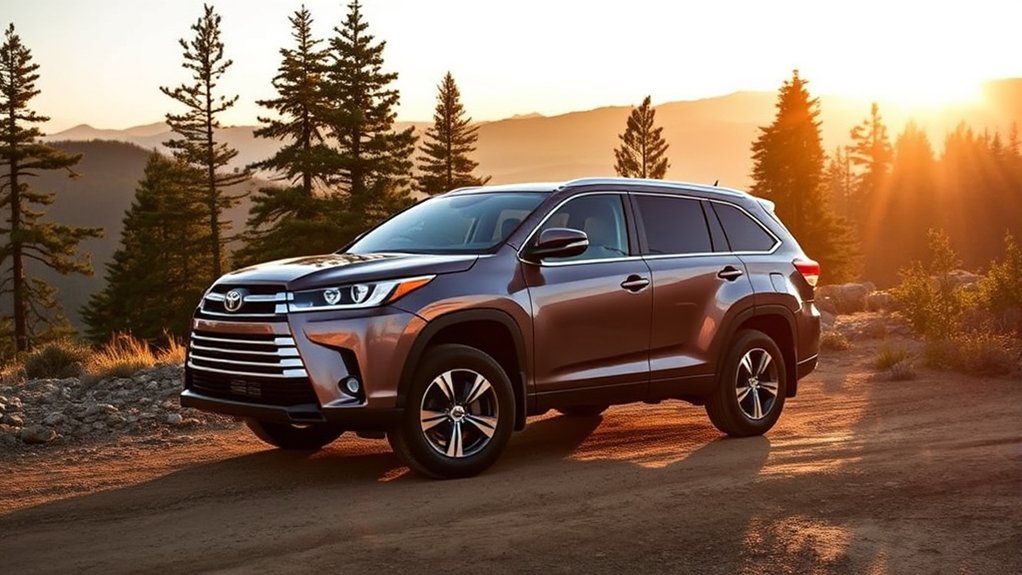
Is the Highlander Considered a Crossover
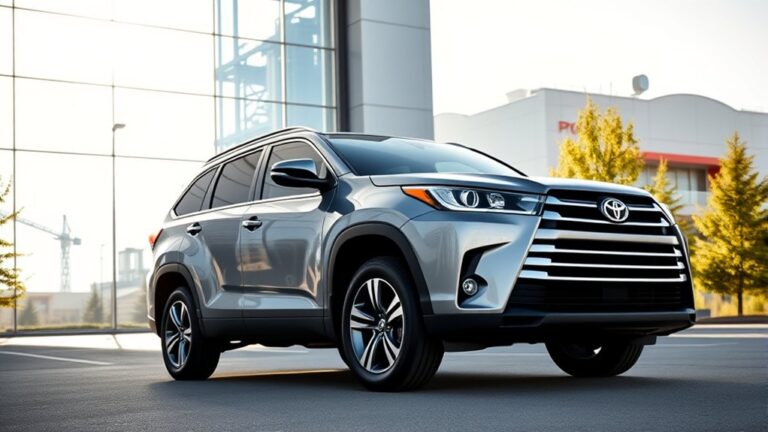
Yes, the Highlander is considered a crossover because it uses a unibody platform that blends SUV traits like elevated ride height with car-like handling and fuel efficiency. It offers three rows and a midsize footprint, supporting family versatility typical of crossovers.
While it has towing capability, its design prioritizes comfort and smooth driving over ruggedness. If you want to understand how these features stack up against competitors and what to expect, there’s more to explore.
Key Takeaways
- The Highlander uses unibody construction, a fundamental characteristic of crossovers rather than traditional body-on-frame SUVs.
- Its mid-size footprint, three-row seating, and family-friendly versatility align with typical crossover traits.
- Elevated ride height and rugged styling give SUV appeal but maintain crossover-like smooth handling and fuel efficiency.
- Toyota markets the Highlander within the midsize crossover segment, emphasizing versatility and reliability.
- Overall, the Highlander blends SUV utility with car-like comfort, confirming its classification as a crossover.
What Makes a Crossover Different From a Traditional SUV? Highlander’s Case
What sets a crossover apart from a traditional SUV? The key lies in the unibody distinction. Crossovers use a unibody construction, where the body and frame are integrated, unlike traditional SUVs that rely on a body-on-frame design.
This difference impacts platform dynamics markedly. With a unibody platform, crossovers like the Highlander offer a smoother ride, better handling, and improved fuel efficiency. You’ll notice that traditional SUVs generally prioritize ruggedness and towing capacity due to their separate frame structure, while crossovers focus on car-like comfort and agility.
Understanding this unibody distinction helps you grasp why the Highlander, built on a car-like platform, aligns more closely with crossover characteristics rather than a traditional SUV’s framework and driving experience.
How the Highlander’s Design Combines SUV and Crossover Features
The Highlander’s design thoughtfully blends elements from both SUVs and crossovers to create a vehicle that caters to a wide range of needs. You’ll notice it offers the elevated ride height and rugged styling cues typical of SUVs, while also embracing the smooth handling and fuel efficiency associated with crossovers.
This two word discussion ideas framework highlights its unique positioning in the market.
| Feature | Highlander Aspect |
|---|---|
| Ride Height | Elevated, SUV-like stance |
| Handling | Responsive, crossover feel |
| Fuel Efficiency | Optimized for daily use |
This subtopic not relevant to other H2s focuses on how the Highlander’s design merges the best of both worlds, making it a versatile choice without diving into platform specifics, which belong to the next subtopic.
Why Vehicle Platform Matters: Unibody vs. Body-on-Frame Explained
Why does the vehicle platform matter so much when distinguishing between unibody and body-on-frame constructions? It shapes a vehicle’s performance, durability, and driving feel. Unibody advantages include lighter weight and better fuel efficiency since the frame and body are integrated, improving handling and ride comfort.
Many assume body-on-frame vehicles are tougher, but body on frame misconceptions often exaggerate their off-road superiority. While body-on-frame designs excel in heavy-duty towing and rough terrain, they tend to be heavier and less nimble on paved roads.
Understanding these differences helps you see why crossovers like the Highlander use unibody platforms to blend SUV utility with car-like comfort. This platform choice is key to defining where a vehicle fits in the crossover versus traditional SUV spectrum.
What Size and Seating Options Tell Us About the Highlander
How does the Highlander’s size and seating capacity influence its classification as a crossover? With three rows accommodating up to eight passengers, it clearly targets families needing space without jumping to full SUV proportions. This mid-size footprint aligns with typical crossover dimensions, blending car-like handling with added room.
However, some design clashes appear; the third-row seating can feel cramped, and the layout sometimes compromises cargo space. Additionally, interior noise levels, especially in the rear seats, suggest compromises in sound insulation common in crossovers rather than larger SUVs.
These factors reveal the Highlander’s intent: offering versatility and comfort typical of crossovers but with slight trade-offs in space efficiency and cabin quietness. Ultimately, its size and seating reinforce its position firmly within the crossover segment.
How the Highlander Drives Compared to Other Crossovers
Wondering how the Highlander stacks up behind the wheel compared to other crossovers? You’ll find its drivetrain alignment provides smooth, responsive handling that feels balanced whether you’re navigating city streets or open highways.
Unlike some crossovers that suffer from vague steering, the Highlander’s precise alignment enhances driver confidence and control. Inside, the interior ergonomics are thoughtfully designed, placing controls within easy reach and ensuring comfort during longer drives.
The seating position offers good visibility, and the cabin layout minimizes distractions, helping you stay focused on the road. While it may not be as sporty as some rivals, the Highlander delivers a composed and predictable driving experience that fits well within the crossover segment’s expectations.
How the Highlander’s Engine and Performance Fit the Crossover Category
You’ll find the Highlander’s engine options align well with typical crossover powertrains, offering a balance of efficiency and capability. Its performance metrics, including horsepower and torque, match or exceed many competitors in the segment. Understanding these specs helps clarify how the Highlander fits into the crossover category.
Engine Specifications Overview
What sets the Highlander apart in the crossover segment is its balanced engine performance that caters to both efficiency and power. Its engine block is designed for durability and optimal thermal management, ensuring consistent performance under various driving conditions.
While it doesn’t utilize turbochargers in its standard configurations, the Highlander’s naturally aspirated and hybrid powertrains still deliver smooth acceleration and respectable fuel economy, aligning well with crossover expectations. This approach avoids the complexity and potential lag associated with turbochargers, favoring reliability and steady power delivery.
When you look at the engine specifications, the Highlander offers a well-rounded setup that fits the crossover profile by providing ample power for daily driving without sacrificing efficiency, making it a practical choice for those seeking versatility in an SUV-crossover blend.
Performance Compared To Crossovers
How does the Highlander’s performance stack up against typical crossovers? You’ll find its engine options deliver solid power and efficiency, aligning well with crossover standards. Its towing capacity, around 5,000 pounds when properly equipped, matches or exceeds many rivals, making it versatile for hauling small trailers or boats.
The Highlander’s interior layout enhances its crossover appeal, offering three rows of seating with flexible cargo configurations that prioritize passenger comfort and utility. Its suspension balances ride comfort and handling, typical of crossover vehicles designed for both city driving and light off-road use.
Why Fuel Efficiency Is Key to the Highlander’s Crossover Status
Why does fuel efficiency play such a pivotal role in defining the Highlander as a crossover? It’s simple: crossovers are known for balancing SUV utility with car-like economy, and the Highlander nails this.
Its impressive fuel economy, especially with hybrid options, sets it apart from traditional SUVs. When you choose the Highlander, you benefit from:
Impressive fuel economy, especially hybrid options, distinguishes the Highlander from traditional SUVs.
- Reduced fuel costs that save money over time
- Lower environmental impact, appealing to eco-conscious drivers
- Seamless city and highway driving without frequent refueling
- Practicality that fits everyday family needs without sacrificing power
These factors highlight why fuel efficiency is more than a feature. It’s central to the Highlander’s crossover identity. You get versatility, economy, and eco-friendly options all in one package.
What Safety Features and Tech Say About the Highlander
Fuel efficiency gives the Highlander an edge in economy and environmental impact, but its safety features and technology elevate it further. You’ll find advanced driver-assist systems like adaptive cruise control and lane-keeping assist, which actively reduce discomfort indicators such as driver fatigue and distraction.
These features not only enhance your driving experience but also contribute to safer road behavior. Additionally, the Highlander’s tech suite includes intuitive infotainment and connectivity options, keeping you engaged without compromising safety.
From an analytical standpoint, these safety and tech upgrades positively affect the vehicle’s resale implications. Buyers prioritize well-equipped, safer vehicles, so the Highlander’s comprehensive package helps maintain its value over time.
What Competitors Reveal About the Highlander’s Segment Position
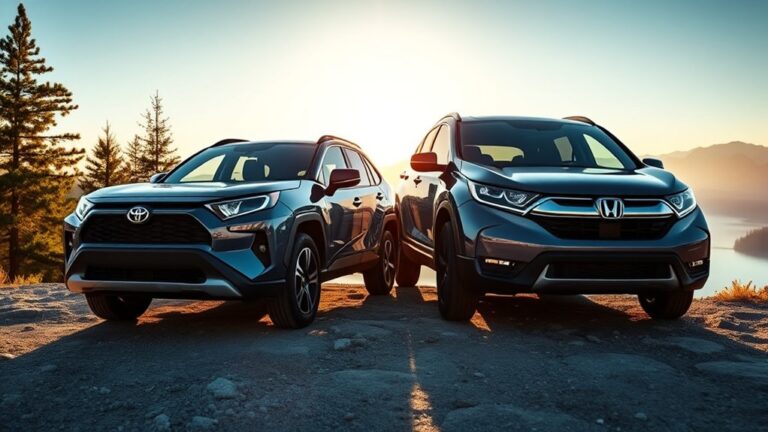
When you compare the Highlander to its main competitors, you quickly see how it stakes its claim in the midsize crossover segment. Toyota’s marketing strategy highlights versatility and reliability, reinforcing its brand positioning.
Competitors like the Honda Pilot, Ford Edge, Mazda CX-9, and Subaru Outback each bring unique selling points that clarify the Highlander’s place.
- Honda Pilot emphasizes spaciousness and family-friendly features.
- Ford Edge targets tech-savvy and performance-driven buyers.
- Mazda CX-9 focuses on driving dynamics and luxury feel.
- Subaru Outback appeals with ruggedness and all-weather capability.
How Customer Perception Shapes the Highlander’s Crossover Identity
How do customers really see the Toyota Highlander, as a true crossover or something else? Your perception often hinges on how the vehicle is presented.
Uninspired marketing can blur the lines, leaving you unsure if the Highlander is a rugged SUV or a family-friendly crossover. Instead of clear, factual messaging, some campaigns rely on fictional storytelling that emphasizes lifestyle over vehicle function.
This approach shapes your impression, sometimes leading you to question the Highlander’s true identity. Ultimately, customer perception is molded not just by specs but by the stories and images Toyota chooses to share.
How to Decide If the Highlander Is the Right Crossover for You
Understanding how Toyota shapes your view of the Highlander helps clarify whether it aligns with your needs. To decide if this crossover fits you, avoid getting sidetracked by unrelated topics or vague comparisons to other vehicles. Focus instead on these key factors:
- Evaluate your space needs. Does the Highlander’s seating and cargo capacity match your lifestyle?
- Consider fuel efficiency and performance. Are you comfortable with its hybrid options and powertrain?
- Reflect on tech and safety features. Do they meet your expectations for daily driving?
- Assess budget and ownership costs. Can you commit to its price and maintenance demands?
Frequently Asked Questions
What Is the History of the Toyota Highlander Model?
You’ll find the Toyota Highlander’s history overview shows it debuted in 2000, evolving with advanced safety features like airbags and collision avoidance.
It’s designed for family comfort, blending utility and protection seamlessly over generations.
How Does the Highlander’s Price Compare to Other SUVS?
You might think the Highlander’s pricing comparisons show it’s pricey, but it’s actually competitive among midsize SUVs.
You’ll appreciate its strong fuel efficiency, which helps balance out costs long-term, making it a smart buy overall.
What Are Common Maintenance Costs for the Highlander?
You’ll find Highlander maintenance costs moderate, with routine services like oil changes and brake pads being affordable. Its good fuel economy helps reduce overall expenses, making it a practical choice for long-term ownership.
Does the Highlander Have Hybrid or Electric Versions?
You want efficiency, you want power. You get both. The Highlander offers hybrid and traditional drivetrain options, combining hybrid electric technology with reliable performance.
This gives you flexible choices that suit your driving needs and reduce fuel consumption.
What Are the Top Trim Levels Available for the Highlander?
You’ll find top Highlander trim levels like Limited and Platinum offering premium features. Focus on interior quality and tech upgrades during your two-word discussion, ensuring you pick a trim that fits your lifestyle and driving preferences perfectly.
Conclusion
Think of the Highlander as a bridge—connecting SUV toughness with crossover comfort. Its unibody design, versatile seating, and smooth drive place it firmly in the crossover category, even if it borrows SUV traits.
When you weigh safety tech, competitors, and your own needs, the Highlander stands out as a reliable, balanced choice.
So, if you want a vehicle that blends practicality with style, the Highlander might just be the perfect fit for you. In conclusion, the Highlander is definitely considered a crossover.