
What Obstructions in 2009 Crv Dipstick Port
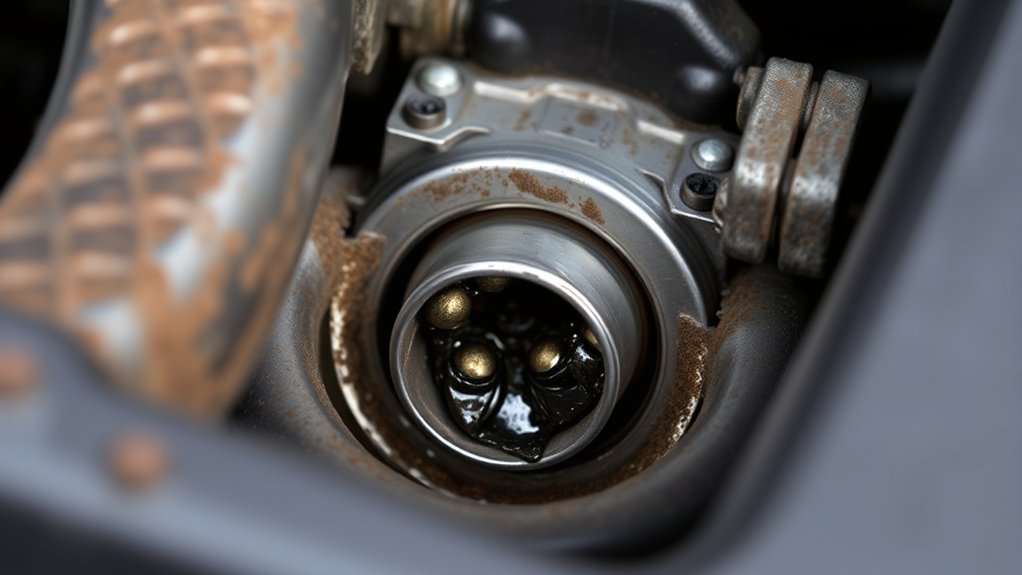
Your 2009 CR-V dipstick port can experience obstructions primarily due to sludge and debris buildup. This accumulation results from engine design factors, oil oxidation, and combustion byproducts that settle in the narrow port area.
These obstructions trap residues, leading to inaccurate oil level readings and possible engine diagnostic errors. You might observe unusual fluctuations, trapped air pockets, or difficulty reinserting the dipstick.
To maintain accuracy and ensure engine health, proper clearing methods and preventive maintenance are crucial. Consider practical solutions and recognize when professional assistance is needed.
Key Takeaways
- Sludge and varnish buildup from oxidized oil and combustion byproducts commonly obstruct the 2009 CR-V dipstick port.
- Narrow port diameter traps debris and sludge, causing partial or full blockage in the dipstick tube.
- Lean combustion increases particulates and hydrocarbons, accelerating sludge formation near the dipstick port.
- Obstruction symptoms include erratic oil level readings, debris on the dipstick, and difficulty reinserting the dipstick.
- Clearing requires careful cleaning with flexible wire brushes and compressed air, avoiding harsh chemicals that damage seals.
Why Your 2009 CR-V’s Dipstick Port Gets Clogged
Why does the dipstick port in your 2009 CR-V often get clogged? The primary reason lies in the engine design and oil composition interacting under operational conditions. Over time, residual oil mixed with contaminants and combustion byproducts forms sludge and varnish deposits, which accumulate specifically around the dipstick port.
This port’s narrow diameter and positioning create a natural trap for these residues. Additionally, your CR-V’s cutting edge fuel economy technology promotes lean combustion, which can increase the concentration of unburned hydrocarbons and particulates in the crankcase.
These compounds accelerate sludge formation near the dipstick area. Regular maintenance helps, but understanding this clogging mechanism is crucial for accurate oil level readings and preserving engine performance. Addressing port obstructions ensures your vehicle’s longevity and maintains its optimized fuel economy benefits.
Signs Your Oil Level Readings Are Inaccurate Due to Blockages
You’ll notice unusual oil level fluctuations when blockages interfere with accurate readings. If you see visible debris on the dipstick, it’s a clear sign the port is compromised. Additionally, engine performance warnings may indicate that inaccurate oil data is affecting system diagnostics.
Unusual Oil Level Fluctuations
How can blockages in the dipstick port cause unusual oil level fluctuations? When debris or sludge partially obstructs the dipstick tube, it alters the oil’s surface tension and flow dynamics, leading to inconsistent readings.
These fluctuations aren’t due to engine oil volume changes but the blockage interfering with accurate measurement. Avoid letting unrelated topic or random chatter distract you; focus strictly on the obstruction’s impact.
| Fluctuation Pattern | Possible Cause |
|---|---|
| Sudden level drops | Sludge partially blocking |
| Erratic inconsistent readings | Air pockets trapped by blockage |
| Gradual level rise | Residual oil trapped in dipstick port |
Visible Debris On Dipstick
When inspecting the dipstick, what does visible debris indicate about your oil readings? Debris on the dipstick suggests contamination or blockage within the dipstick port, directly affecting the accuracy of oil level measurements. This foreign material can alter the apparent oil viscosity, causing irregular adherence to the dipstick and misleading level readings.
The dipstick design, including its surface texture and sealing mechanism, influences debris accumulation; poor sealing can allow contaminants to enter the port. Blockages hinder proper oil flow, preventing the dipstick from fully immersing in the oil sump, which distorts the reading.
To guarantee accurate diagnostics, you must clean visible debris and inspect the dipstick design for defects or wear that might promote contamination. Addressing these issues maintains reliable oil monitoring and engine health.
Engine Performance Warning Signs
Why do engine warning signs often appear when oil level readings are inaccurate due to dipstick port blockages? When blockages obstruct the dipstick port, you get misleading oil level data, preventing accurate assessment of oil condition.
This increases sludge risks, as degraded oil with altered viscosity remains undetected. As a result, your engine may exhibit warning signs like fluctuating oil pressure, irregular idle, or reduced acceleration.
These symptoms occur because incorrect oil viscosity compromises lubrication efficiency, causing increased friction and wear. You might also notice the check engine light or unusual engine noises indicating mechanical stress.
To avoid these issues, ensure the dipstick port remains clear of obstructions, allowing precise oil level measurements. Accurate readings help maintain optimal oil viscosity, mitigating sludge buildup and preserving engine performance.
How to Spot Sludge and Debris Blocking the Dipstick Tube
Where exactly do sludge and debris accumulate to block the dipstick tube in a 2009 CR-V? They primarily build up at the tube’s entrance and within its narrow passage, where sludge formation is most pronounced due to stagnant oil.
This sludge results from oil contamination, oxidized oil mixed with dirt and combustion byproducts, that thickens and adheres to the tube walls. To spot these obstructions, you should remove the dipstick and inspect its tip for dark, viscous deposits indicating sludge presence.
Shine a flashlight into the tube; if you see a thick, sticky residue or debris obstructing the view, contamination has compromised flow. Additionally, difficulty reinserting the dipstick or an unusual resistance signals blockage. Recognizing these signs early helps prevent inaccurate oil level readings and potential engine damage.
Clearing the Dipstick Port Safely: Tools and Tips for Your CR-V
How do you effectively clear the dipstick port in your 2009 CR-V without causing damage? Start with a clear plan focusing on DIY cleaning and safety basics. Use precise tools like flexible wire brushes and compressed air to avoid harming the tube. Avoid harsh chemicals that may degrade seals.
| Tool | Purpose | Safety Tip |
|---|---|---|
| Flexible Wire Brush | Dislodge sludge | Use gentle, circular motion |
| Compressed Air | Remove loose debris | Wear eye protection |
| Microfiber Cloth | Wipe accessible areas | Avoid pushing debris deeper |
| Plastic Pick | Extract stubborn buildup | Avoid metal picks to prevent scratches |
Following these steps ensures you maintain the port’s integrity during cleaning and prevent further obstruction.
Preventing Future Buildup in Your CR-V’s Dipstick Port
To prevent buildup in your CR-V’s dipstick port, establish a regular cleaning routine that removes debris before it accumulates. Always use high-quality engine oil to minimize residue formation and maintain optimal viscosity. Additionally, handle the dipstick carefully to avoid introducing contaminants or damaging the seal.
Regular Cleaning Routine
Although obstructions in the 2009 CR-V’s dipstick port can disrupt accurate readings, maintaining a regular cleaning routine substantially reduces the risk of buildup. You should establish a cleaning frequency aligned with your oil change intervals, typically every 5,000 miles, to prevent debris accumulation.
During each cleaning, carefully remove the dipstick and inspect the port for sludge or contaminants. Use a lint-free cloth and a suitable solvent to ensure thorough removal without damaging seals. Pay close attention to the oil filter interaction, as improper filtration can introduce particulates that exacerbate dipstick port obstructions.
Use Quality Engine Oil
Why does the quality of engine oil matter for preventing buildup in your 2009 CR-V’s dipstick port? High-quality engine oil reduces the formation of sludge and deposits, which can accumulate around the dipstick port and cause obstructions. When you use premium engine oil, it maintains optimal viscosity and detergent properties, minimizing residue.
To prevent buildup effectively, consider these key factors:
- Choose engine oil with superior detergents to dissolve contaminants.
- Opt for synthetic or semi-synthetic oils for better thermal stability.
- Follow manufacturer-recommended oil change intervals to avoid degradation.
- Avoid low-grade oils prone to oxidation and sludge formation near the dipstick port.
Proper Dipstick Handling
How you handle the dipstick directly impacts the likelihood of buildup in your 2009 CR-V’s dipstick port. When removing the dipstick, avoid introducing contaminants by keeping it clean and wiping it with a lint-free cloth.
Insert it carefully to prevent scraping the port’s edges, which can cause metal shavings or debris buildup. Consistently sealing the dipstick tightly after checking oil level prevents dirt and moisture intrusion, critical factors in obstruction formation.
Treating dipstick maintenance as an unrelated topic or irrelevant concept leads to negligence, increasing obstruction risks. By focusing on precise dipstick handling protocols, you minimize residue accumulation and maintain optimal port function.
Avoid careless practices that compromise the dipstick’s integrity. This attention to detail is essential for preventing future buildup and ensuring your CR-V runs smoothly.
Knowing When to Consult a Mechanic About Dipstick Port Problems
When should you consult a mechanic about issues with the dipstick port in your 2009 CR-V? If you notice obstructions that persist despite proper dipstick handling, avoid assuming unrelated causes or exploring irrelevant topics.
Consult a mechanic if dipstick port obstructions persist despite correct handling to avoid misdiagnosis.
Addressing the problem promptly ensures you don’t waste time on a topic mismatch that doesn’t solve the root cause. Consider professional help if you encounter:
- Persistent blockage preventing dipstick insertion or removal
- Visible damage or deformation of the dipstick port
- Unusual engine noises or performance issues linked to oil level inaccuracies
- Signs of oil leakage around the dipstick port area
Mechanics can perform precise diagnostics, using specialized tools to detect subtle obstructions or internal damage, preventing further engine complications. Don’t delay; early intervention safeguards your vehicle’s longevity.
Frequently Asked Questions
How Often Should I Change the Oil in My 2009 CR-V?
You should change your 2009 CR-V’s oil every 5,000 to 7,500 miles, depending on the oil change interval recommended.
Using the proper oil type affects engine longevity and performance, so follow manufacturer specifications precisely.
Can Using the Wrong Oil Type Cause Dipstick Port Issues?
Using the wrong oil is like pouring sand into a clock; it can thicken and gum up the dipstick port. Weather effects worsen this by causing oil viscosity shifts, leading to inaccurate readings and potential port blockages.
Does Driving in Extreme Weather Affect the Dipstick Port?
Yes, extreme weather can affect dipstick port interactions by causing condensation or debris buildup, leading to potential blockages or corrosion.
You should inspect and clean the port regularly to guarantee accurate oil level readings and prevent damage.
Are There Common Engine Problems Linked to Dipstick Tube Blockages?
Yes, you’ll encounter misfiring sensors and disconnected hoses causing engine issues linked to dipstick tube blockages. These obstructions disrupt pressure balance, triggering sensor errors and affecting the fuel-air mixture.
This leads to performance degradation and potential engine damage.
Can a Clogged Dipstick Port Damage Other Engine Components?
Think of your engine as a clogged heartbeat; a blocked relief in the dipstick port can cause oil pressure issues, leading to overheating and wear. This can ultimately damage sensitive components like bearings and seals. Act quickly to prevent failure.
Conclusion
So, your 2009 CR-V’s dipstick port can turn into a sludge magnet, ironically making the very tool meant to check oil levels unreliable. While you might expect a simple tube to stay clear, debris and varnish often disagree.
Clearing it requires precision, not just a quick poke. If you’re not up for the technical challenge, don’t hesitate to call a pro—because sometimes, the simplest part demands the most attention.
Obstructions in 2009 CR-V dipstick port can cause inaccurate readings, so addressing them promptly is essential for maintaining your vehicle’s health.