How to Change Wires and Spark Plugs
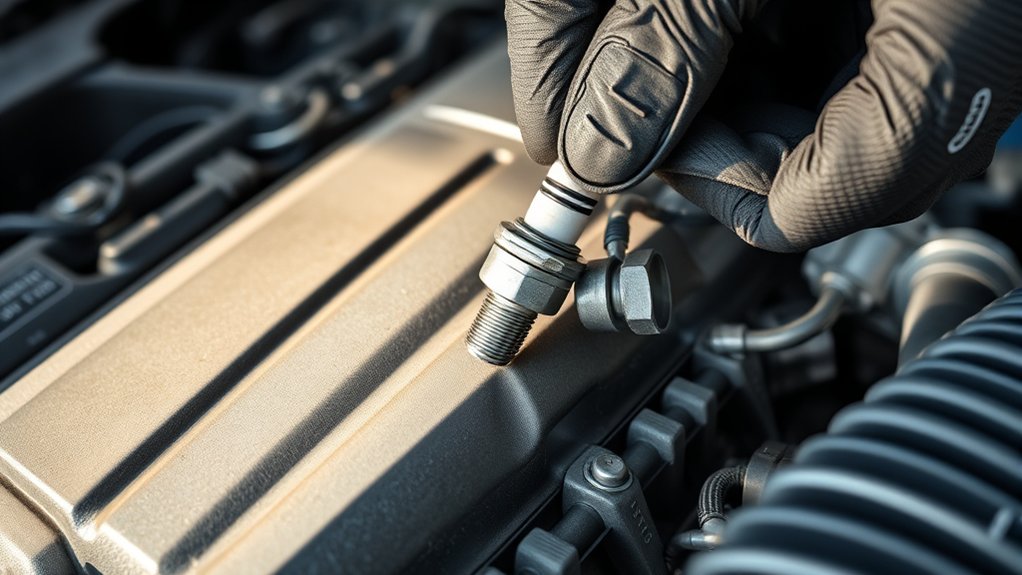
To change spark plug wires and plugs, start by disconnecting one wire at a time to prevent mixing up the connections. Using a spark plug socket with a rubber insert along with a ratchet wrench, carefully remove the old spark plugs.
Next, install new spark plugs according to the manufacturer’s torque specifications to avoid damage. Replace the wires with exact fit replacements rather than universal types to ensure proper performance.
Maintain the correct firing order when reconnecting the wires. Finally, inspect the new wires and test their resistance with a multimeter to confirm proper ignition function.
Understanding these basics sets the stage for more detailed maintenance steps.
Key Takeaways
- Disconnect one spark plug wire at a time to avoid mixing connections during replacement.
- Use a spark plug socket and ratchet wrench to remove old spark plugs carefully.
- Inspect wires for cracks, corrosion, and brittleness before installing new ones.
- Install new spark plugs, tighten to manufacturer torque specs, and replace wires in correct order.
- Verify wire resistance with a multimeter and perform a visual inspection after replacement.
When and Why to Replace Spark Plug Wires and Plugs
When should you replace your spark plug wires and plugs? Typically, the spark plug lifespan ranges between 30,000 to 100,000 miles, depending on the type and driving conditions. You should replace them when you notice engine misfires, rough idling, decreased fuel efficiency, or difficulty starting.
Replace spark plugs and wires every 30,000 to 100,000 miles or when performance issues arise.
Worn spark plug wires cause resistance that disrupts ignition timing, leading to poor engine performance. Regular replacement ensures consistent spark delivery and optimal ignition timing, which is critical for combustion efficiency.
Inspect wires for cracks, corrosion, or brittleness, and plugs for electrode erosion or carbon buildup. Maintaining these components prevents misfires and maintains ignition timing precision, ensuring smooth engine operation.
Timely replacement avoids damage to the ignition system and maximizes fuel economy and power output.
Tools and Parts Needed for Spark Plug Wire and Plug Replacement
Maintaining peak ignition performance requires the right tools and parts for replacing spark plug wires and plugs. You’ll need a spark plug socket with a rubber insert to prevent damage, a ratchet wrench, and an extension bar for hard-to-reach plugs.
A spark plug gap tool is essential to verify and adjust the electrode gap. For wires, ensure you have the exact replacement set matching your engine model. Avoid the irrelevant topic of using universal wires, as they can cause misfires.
Also, discard any unused idea of reusing old wires or plugs, which compromises performance. High-quality, OEM or equivalent parts guarantee durability and optimal conductivity.
Having dielectric grease ready helps ensure a secure, moisture-resistant connection. These tools and parts prepare you for an accurate, efficient replacement process.
Step-by-Step: Replace Spark Plug Wires and Plugs
How do you ensure a smooth and effective replacement of your spark plug wires and plugs? Start by disconnecting one wire at a time to avoid mixing connections. Use a spark plug socket to remove the old plugs carefully. Then, install new plugs, tightening to manufacturer torque specs.
Next, replace spark plug wires in the correct order. This method prevents ignition issues and aids troubleshooting ignition faults efficiently.
| Step | Action | Tip |
|---|---|---|
| 1 | Disconnect one wire at a time | Label wires if needed |
| 2 | Remove and replace spark plugs | Use torque wrench for accuracy |
| 3 | Install new wires in order | Check for secure wire seating |
Following these steps helps you replace spark plug wires correctly and avoid common ignition problems.
Test and Maintain Your New Spark Plug Components
After replacing your spark plug wires and plugs following the proper sequence, it’s important to verify their performance and upkeep. Begin by conducting a visual inspection for signs of damage or improper seating.
Use a multimeter to measure wire resistance, ensuring it matches manufacturer specifications to avoid advice mismatches that could lead to misfires. Run the engine and listen for smooth operation; rough idling may indicate installation errors.
Avoid maintenance myths such as replacing wires and plugs too frequently or neglecting cleaning. Instead, follow the recommended service intervals and periodically check connections for corrosion or wear.
Proper testing and maintenance extend component life and optimize engine performance. Keep a maintenance log to track replacements and inspections, ensuring consistent, reliable ignition system function.
Frequently Asked Questions
Can I Use Spark Plug Wires From a Different Car Model?
You can’t just use spark plug wires from a different car model without checking wiring compatibility. Always verify specifications with spark plug manufacturers to ensure proper fit and performance, avoiding misfires or damage to your engine system.
How Do Spark Plugs Affect Fuel Efficiency?
Spark plug longevity notably shapes your fuel efficiency impact. Worn plugs weaken combustion, causing incomplete burning and wasted fuel.
You should routinely replace them to restore optimal engine spark, ensuring precise ignition and peak fuel economy performance.
What Are the Signs of a Failing Ignition Coil?
You’ll notice ignition coil failure signs like engine misfires, rough idling, or decreased power. Use coil testing with a multimeter to check resistance and continuity.
Address failures promptly to maintain engine performance and prevent damage.
Are Aftermarket Spark Plugs Better Than OEM Plugs?
You’ll find aftermarket vs OEM spark plug wires vary in quality; OEM guarantees compatibility and durability, while aftermarket may offer cost savings but risks fitment issues.
Always match specs to maintain engine performance and prevent misfires.
How Often Should I Check My Spark Plug Gap?
Don’t let the grass grow under your feet. Check your spark plug gap every 30,000 miles or during ignition timing adjustments. Precise gap ensures optimal combustion and prevents misfires, maintaining engine efficiency and performance.
Conclusion
Now that you know when to replace spark plug wires and plugs, gather the right tools, and follow each step carefully, you can confidently complete the job yourself. Inspect your parts, disconnect wires systematically, and install new components with precision.
Test your work thoroughly and maintain your spark plugs and wires regularly. By doing this, you’ll guarantee optimal engine performance, prevent misfires, and extend the life of your vehicle’s ignition system efficiently and effectively.
Regularly changing wires and spark plugs is essential to keep your engine running smoothly and to avoid costly repairs down the road.