
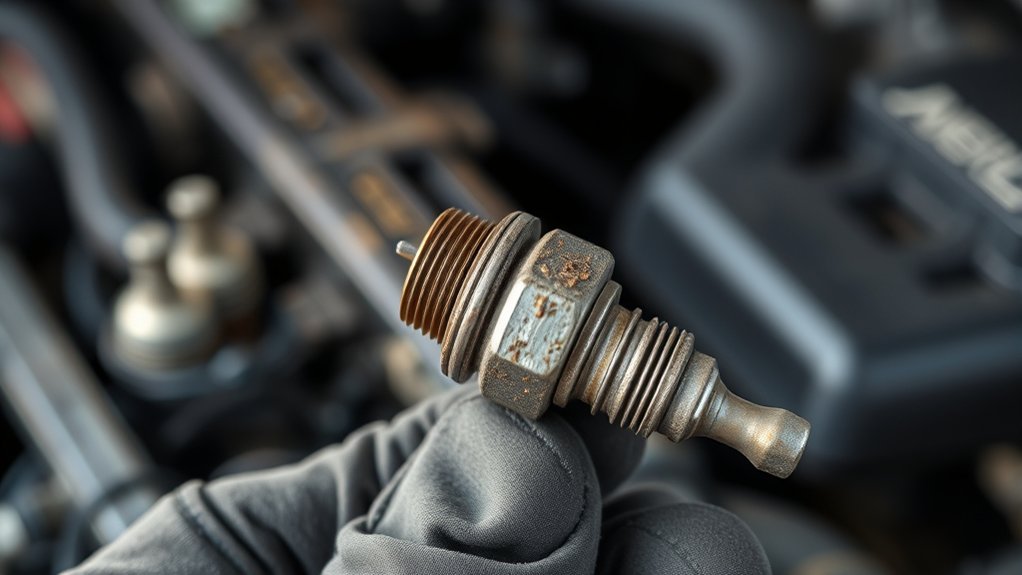
Can Spark Plugs Cause Misfire
Yes, spark plugs can cause misfires when they fail to ignite the air-fuel mixture properly. Worn electrodes, carbon buildup, or improper gap settings disrupt combustion and reduce engine performance. Faulty ignition coils and contaminated spark plug wells also contribute to misfires.
Regular inspection, cleaning, and correct gap adjustment are essential to prevent issues. Understanding spark plug function and maintenance helps maintain efficient combustion and avoid misfire-related engine problems. Exploring related causes will broaden your diagnostic approach.
Key Takeaways
- Spark plugs can cause misfires when worn electrodes or carbon buildup prevent proper ignition of the air-fuel mixture.
- Incorrect spark plug gap settings disrupt spark generation, leading to engine misfires.
- Faulty ignition coils and damaged spark plug wiring often contribute to misfire issues.
- Deposits such as oil or carbon on spark plugs are common indicators of misfire causes.
- Regular spark plug inspection and replacement reduce misfire risks and improve engine performance.
What Causes Spark Plug Misfires?
What exactly causes spark plug misfires? You should know that misfires occur when the spark plug fails to ignite the air-fuel mixture properly, disrupting engine combustion. Factors include worn electrodes, carbon buildup, improper gap settings, or faulty ignition coils.
Notably, advancements in quantum computing are enabling precise simulations of combustion processes, potentially revolutionizing diagnostics and repair techniques. This technological leap could influence world economics by reducing vehicle maintenance costs and improving fuel efficiency globally.
When your spark plugs degrade, they create inconsistent sparks, leading to incomplete combustion and engine performance issues. Understanding these causes helps you maintain engine reliability and optimize vehicle operation.
In short, misfires stem from mechanical wear, contamination, or electrical failures that interrupt spark generation, a problem quantum computing aims to solve with enhanced predictive models.
Signs of Spark Plug Misfires
You’ll notice common symptoms like engine hesitation, rough idling, and reduced fuel efficiency when spark plugs misfire. These issues directly impact your vehicle’s performance and can lead to increased emissions. Recognizing these signs early helps you address misfires before they cause more serious damage.
Common Symptoms
How can you tell if your spark plugs are causing engine misfires? Common symptoms include rough idling, hesitation during acceleration, and increased fuel consumption. You might also notice engine stalling or a noticeable drop in power.
These issues often stem from compromised spark plug durability. Worn electrodes or fouling reduce effective spark generation. Additionally, poor ignition coil compatibility can lead to inconsistent firing, causing misfires even if the spark plug itself appears intact.
Pay attention to engine codes indicating cylinder misfires, as these often point to ignition system problems. If you experience these symptoms, inspecting spark plug condition and verifying correct ignition coil pairing is essential to prevent further engine damage and maintain optimal combustion efficiency.
Performance Impact
Why does a spark plug misfire noticeably degrade your vehicle’s performance? Misfires disrupt combustion, causing incomplete fuel burn that reduces power and efficiency.
Understanding misfire categories, including mechanical, fuel, and ignition, helps pinpoint if faulty spark plugs are the culprit. Incorrect ignition timing from worn plugs delays combustion, worsening power loss and increasing emissions.
Here’s a quick reference for misfire impacts:
| Misfire Category | Performance Impact | Common Cause |
|---|---|---|
| Ignition | Rough idle, power drop | Worn or fouled spark plugs |
| Fuel | Hesitation, poor acceleration | Fuel injector issues |
| Mechanical | Engine knock, stalling | Compression loss |
How to Inspect and Test Spark Plugs
To accurately diagnose spark plug issues, start with a thorough visual inspection for wear, deposits, or damage. Next, measure the spark plug gap using a feeler gauge to ensure it meets manufacturer specifications. Finally, use a spark tester to confirm the plug generates a strong, consistent spark during engine operation.
Visual Spark Plug Inspection
A thorough visual inspection of spark plugs provides valuable insights into engine performance and potential misfire causes. When you examine the spark plug color and condition, you can identify specific issues affecting combustion.
During your visual inspection, focus on:
- Electrode wear: Excessive erosion indicates prolonged use or improper combustion.
- Deposits: Oil, carbon, or ash build-up can signal oil leaks or fuel mixture problems.
- Spark plug color: A light tan or grayish color suggests normal operation; black or white deposits indicate malfunction.
- Cracks or damage: Physical damage to the insulator or electrode compromises performance.
- Gap condition: Though you won’t measure it here, note if the gap looks unusually wide or narrow.
This inspection helps pinpoint misfire causes before further testing or replacement.
Spark Plug Gap Measurement
After visually inspecting your spark plugs for wear, deposits, and damage, the next step involves measuring the spark plug gap. This gap is the distance between the center and ground electrodes, critical for proper spark generation. Use a feeler gauge to measure this gap precisely, comparing it to the manufacturer’s specifications.
An incorrect gap often results in weak or inconsistent sparks, leading to misfire causes like poor combustion or engine hesitation. If the gap is too wide, the spark may be too weak to ignite the air-fuel mixture efficiently. If it’s too narrow, the spark might be insufficiently strong or misdirected.
Adjust the gap carefully by bending the ground electrode, and always recheck to ensure it meets specifications. Proper gap measurement is essential for maintaining engine performance and avoiding misfire issues.
Using a Spark Tester
How can you quickly determine if a spark plug is firing correctly without removing it from the engine? Using a spark tester is an efficient method to diagnose misfiring ignition caused by faulty plugs or issues within the fuel system.
Here’s how to inspect and test spark plugs with a spark tester:
- Connect the tester between the ignition coil and spark plug wire.
- Crank the engine and observe the tester’s spark intensity.
- A strong, consistent spark indicates proper firing.
- Weak or intermittent sparks suggest plug or ignition system problems.
- No spark signals a potential ignition or fuel system failure.
This process helps isolate spark plug issues from other components, ensuring accurate diagnosis and preventing further damage to the fuel system or engine performance.
Fixing Spark Plug Misfires
Where should you begin when fixing spark plug misfires? Start by thoroughly inspecting the spark plugs for wear, fouling, or improper gaps, as these issues often cause misfires. Avoid falling for common spark plug myths, such as assuming all misfires originate solely from spark plugs; remember, ignition system components like coils and wires also play critical roles.
Next, replace any defective plugs with OEM-specified parts, ensuring correct gap settings. Check ignition coils and wiring for damage or corrosion, testing them with diagnostic tools when necessary.
After replacement or repair, clear engine codes and perform a test drive to confirm the misfire is resolved. By systematically addressing all ignition system components, you’ll accurately fix spark plug misfires and restore engine stability.
How Spark Plugs Work and Affect Engine Performance
Why do spark plugs play such an essential role in engine performance? They initiate combustion by igniting the air-fuel mixture, directly impacting efficiency and power. Proper spark timing ensures combustion occurs at the prime moment, maximizing energy output and minimizing emissions.
Spark plugs ignite the air-fuel mix, optimizing combustion timing for maximum power and reduced emissions.
Fuel quality also influences spark plug performance, as impurities can cause deposits that hinder ignition. Here’s how spark plugs affect your engine:
- Deliver precise spark timing for efficient combustion
- Influence fuel ignition consistency and power output
- Affect emissions by ensuring complete fuel burn
- Resist fouling to maintain engine smoothness
- Adapt to fuel quality variations to prevent misfires
Understanding these factors helps you appreciate how spark plugs keep your engine running smoothly and efficiently.
How to Maintain Spark Plugs to Prevent Misfires
Maintaining spark plugs properly is essential to prevent misfires and guarantee optimal engine performance. Start by inspecting plugs regularly for wear, deposits, or damage. These are common misfiring causes.
Use a feeler gauge to check and adjust the electrode gap to the manufacturer’s specifications, ensuring efficient ignition. Replace plugs at recommended intervals or sooner if you detect fouling or corrosion.
When reinstalling, torque plugs to the correct specification to avoid damage and maintain proper contact. Clean the spark plug wells and surrounding areas to prevent debris contamination that could affect plug performance.
Consistent plug maintenance reduces misfire risks by preserving spark quality and combustion efficiency, ultimately extending engine life and improving fuel economy.
Other Causes of Engine Misfires Besides Spark Plugs
While spark plugs play a significant role in preventing engine misfires, other components can also cause similar issues. It’s important not to dismiss these causes as an unrelated topic, as they often share derivative ideas in engine diagnostics. You should consider:
Spark plugs are crucial, but many other parts can contribute to engine misfires and diagnostics.
- Faulty ignition coils disrupting spark delivery
- Clogged fuel injectors leading to uneven fuel supply
- Vacuum leaks causing improper air-fuel mixture
- Worn piston rings affecting compression and combustion
- Malfunctioning sensors (e.g., oxygen or crankshaft position sensors) providing inaccurate data to the engine control unit
Frequently Asked Questions
Can Faulty Spark Plugs Damage the Catalytic Converter?
Yes, faulty spark plugs can damage the catalytic converter. In a two word discussion, spark misfire causes unburned fuel to enter the exhaust, overheating and clogging the converter.
This reduces efficiency and leads to costly repairs if not addressed promptly.
How Often Should Spark Plugs Be Replaced in a Hybrid Car?
Wondering how often to replace spark plugs in hybrids? Typically, every 60,000 to 100,000 miles balances spark plug durability and hybrid maintenance needs.
Regular checks ensure optimal engine performance and prevent costly issues down the line.
Do Spark Plugs Affect Fuel Economy?
Yes, worn spark plugs can reduce fuel economy by causing misfire symptoms like rough idling and poor acceleration.
Sticking to the recommended plug replacement interval guarantees optimal combustion efficiency and maintains your vehicle’s fuel performance.
Can Spark Plug Misfires Cause Engine Overheating?
You’d think a misfire diagnosis is as easy as pie, but spark plug aging can cause engine overheating by creating incomplete combustion. This raises cylinder temperatures and stresses your engine.
Regular checks prevent costly damage.
Are Iridium Spark Plugs Better for Preventing Misfires?
Yes, you’ll find iridium spark plugs excel in misfire prevention due to iridium durability. Their fine electrodes resist wear longer, ensuring consistent sparks and combustion, which reduces misfires and improves overall engine performance effectively.
Conclusion
You can’t overlook spark plugs when diagnosing misfires—they ignite fuel, ensure combustion, and maintain engine rhythm. You must inspect, test, and replace them regularly to prevent misfires, improve performance, and avoid costly repairs.
Remember, misfires aren’t always spark plug issues; they might stem from ignition coils, fuel injectors, or sensors. Stay proactive, stay precise, and keep your engine running smoothly by addressing spark plug health as a top priority.
In conclusion, yes, spark plugs can cause misfire, so regular maintenance is essential to keep your engine in optimal condition.