How to Use Oil Filter Wrench
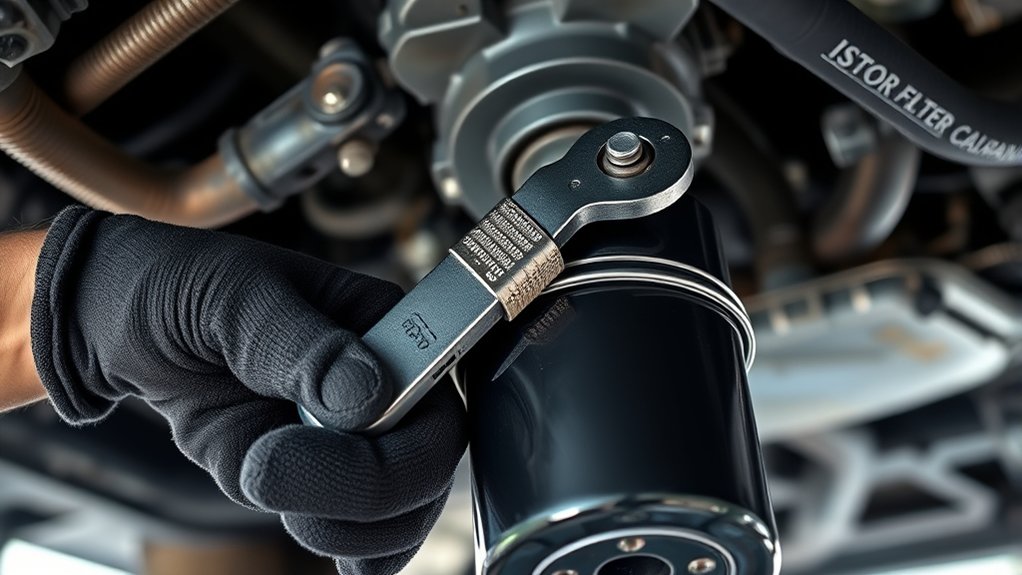
To use an oil filter wrench, first position it securely around the filter’s body to ensure a firm grip. This tool is essential for loosening filters that are tightly fitted or hard to reach. Turn the wrench counterclockwise with steady, controlled pressure to avoid damaging the gasket or housing.
Once the filter is loose, you can unscrew it by hand. When installing a new filter, lightly oil the gasket to create a proper seal. Hand-tighten the filter initially, then use the wrench to add a final 3/4 turn for a secure fit.
Avoid sudden jerks when turning the wrench, and make sure the wrench size matches your filter. Following these steps carefully will help you master the use of an oil filter wrench and ensure a smooth oil change process.
Key Takeaways
- Position the wrench firmly around the oil filter’s body and turn counterclockwise to loosen it with steady pressure.
- Hand-unscrew the filter once it’s loose, then apply fresh oil to the gasket before installing a new filter by hand.
- After hand-tightening the new filter, use the wrench to turn an additional 3/4 turn to secure without over-tightening.
- For stuck filters, apply penetrating oil, wait 10-15 minutes, then use the correct wrench size with controlled pressure to loosen.
- Avoid sudden jerks, ensure the wrench matches the filter size, and clean the filter surface to prevent slippage.
Use an Oil Filter Wrench: A Simple Step-by-Step Guide
How exactly do you use an oil filter wrench to remove or install an oil filter effectively? Follow this simple step by step procedure to ensure proper oil filter maintenance.
First, position the wrench around the oil filter’s body, ensuring a firm grip. Turn the wrench counterclockwise to loosen the filter; apply steady pressure without sudden jerks. Once loose, unscrew the filter by hand.
For installation, apply a thin layer of fresh oil to the new filter’s gasket, then screw it on by hand until snug. Use the wrench to tighten the filter an additional 3/4 turn. Avoid over-tightening to prevent damage.
This method guarantees a secure fit and facilitates efficient oil filter maintenance.
How to Loosen a Stuck Oil Filter Without Stress
When facing a stuck oil filter, you’ll need the right techniques to loosen it without causing damage or frustration. First, ensure the engine is cool to avoid burns. Apply penetrating oil around the stuck filter’s base and let it sit for 10-15 minutes to break down grime.
Use the appropriate oil filter wrench, either strap or cap style, to get a firm grip. Turn counterclockwise with steady, controlled pressure; avoid sudden jerks that can damage the filter or housing.
If it remains stuck, gently tap the wrench handle with a rubber mallet to increase torque. Repeat as necessary until you achieve stress free removal. Always confirm the wrench size matches the filter to prevent slippage and ensure efficient loosening.
Tighten an Oil Filter Without Causing Damage
Once you’ve successfully loosened and removed the oil filter, preparing to tighten a new one requires careful attention to prevent damage. Use your oil filter wrench to snug the filter, but avoid over-tightening. Hand-tighten first, then apply the wrench for an additional 3/4 turn. This ensures a secure seal without compromising the filter or the gasket.
Here’s a quick reference guide for tightening:
| Step | Action | Torque Equivalent |
|---|---|---|
| 1 | Hand-tighten | Seal contact established |
| 2 | Use oil filter wrench | 3/4 turn after hand-tight |
| 3 | Stop tightening | Prevents gasket damage |
| 4 | Check for leaks | Visual inspection |
These discussion ideas help you avoid common mistakes and maintain proper filter installation.
Don’t Make These Oil Filter Wrench Mistakes
Why do so many people struggle with properly using an oil filter wrench? Often, it’s because they choose the wrong tool for the job. Using an oil filter wrench that doesn’t fit your filter tightly leads to a slippery grip, increasing the risk of stripping the filter’s surface.
Avoid using generic or worn-out wrenches that slip easily. Always ensure the wrench matches your filter’s size and shape precisely. Another common mistake is applying excessive force; this can damage the filter or housing. Instead, apply steady, controlled pressure.
Also, don’t ignore cleaning the filter surface before fitting the wrench. The oily residue causes slippage. By avoiding the wrong tool and maintaining a firm, clean grip, you’ll remove filters efficiently without causing damage or frustration.
How to Choose the Right Oil Filter Wrench for Your Car
How do you determine the best oil filter wrench for your car? Start by evaluating car compatibility. Check your vehicle’s oil filter size and shape. Choosing oil filters that match can simplify wrench selection.
Next, focus on filter wrench selection based on the type: strap, cap, claw, or pliers-style. Each offers distinct advantages depending on filter accessibility and housing design.
Ensure tool compatibility with your workspace and the filter’s orientation. For tight spaces, compact or flexible wrenches work best. Also, verify the wrench material for durability and grip efficiency.
Accurately matching the wrench to your car’s filter prevents damage and facilitates smooth removal. By prioritizing car compatibility and tool compatibility, you optimize your maintenance process and avoid unnecessary complications.
Frequently Asked Questions
Can I Use an Oil Filter Wrench for Other Automotive Filters?
You can use an oil filter wrench only if filter compatibility matches, but it’s not ideal for hydration oil or coolant filters.
Ensure the wrench fits securely to avoid damage during removal or installation.
How Often Should I Replace My Oil Filter Wrench?
Picture your wrench slipping mid-turn. Replace it every 1-2 years or after failed reliability testing.
Price variations reflect durability; investing in quality ensures consistent grip and safety during oil changes, preventing costly damage or delays.
Are There Eco-Friendly Oil Filter Wrenches Available?
Yes, you can find eco-friendly oil filter wrenches made from sustainable, eco friendly materials like bamboo or recycled metals. Choose models with a recyclable design to reduce environmental impact while maintaining durability and functionality.
Can an Oil Filter Wrench Be Used on Motorcycle Filters?
“Measure twice, cut once” applies here. You can use an oil filter wrench on motorcycle filters, but ensure motorcycle compatibility and select wrench material preferences like aluminum or steel for durability and precise grip during removal and installation.
What Materials Are Oil Filter Wrenches Typically Made From?
Oil filter wrenches typically use materials options like steel, aluminum, or rubber for durability concerns. Steel offers strength, aluminum reduces weight, and rubber provides grip, so you should select based on your torque needs and filter type.
Conclusion
Now that you know how to use an oil filter wrench correctly, imagine the difference it’ll make when you face a stubborn filter next time. Don’t rush—apply the right technique, avoid common mistakes, and pick the perfect wrench for your car.
Master these steps, and you’ll save time, prevent damage, and keep your engine in top shape. The next oil change could be smoother than you ever expected—are you ready to take control?
Using an oil filter wrench properly ensures a hassle-free removal and installation, making your maintenance tasks easier and more efficient.