Where Is the Oil Filter on My Chrysler 300S 2016
You’ll find the oil filter on your 2016 Chrysler 300S mounted low on the engine block’s front side, near the serpentine belt and coolant hoses. The oil filter location is designed for efficient oil flow and convenient access during maintenance.
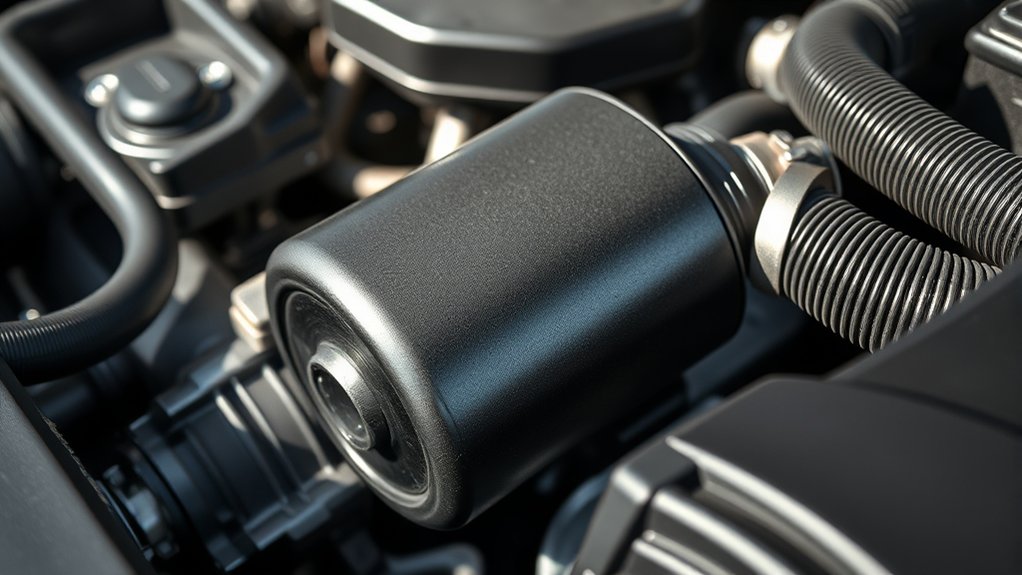
It’s housed in a distinctive cylindrical casing, often plastic or metal, surrounded by oil lines and wires. This placement makes it easier to reach when performing an oil change.
Make sure you have the right tools to remove the oil filter safely. To properly change and maintain your oil filter, keep following for detailed steps and tips.
Key Takeaways
- The oil filter on the 2016 Chrysler 300S is mounted on the lower front section of the engine block.
- It is located near the serpentine belt for efficient oil flow and easy access during maintenance.
- The oil filter housing is cylindrical, often plastic or metal, with a textured cap for identification.
- It is typically surrounded by hoses, wiring, and close to coolant hoses and mounting brackets.
- The filter housing can be found on the side or front of the engine block, adjacent to the serpentine belt.
Where to Find the Oil Filter on a 2016 Chrysler 300S
Where exactly is the oil filter located on your 2016 Chrysler 300S? You’ll find it mounted on the engine block’s lower front section, near the serpentine belt. This position allows for efficient oil flow and straightforward access during maintenance.
Being aware of this location helps you address compliance concerns by ensuring timely oil filter changes that meet manufacturer standards. Identifying the oil filter accurately also aids in budgeting wisely for maintenance since you can avoid unnecessary part purchases or labor costs.
Knowing where to find the oil filter means you can plan routine checks and replacements without guesswork, maintaining engine performance and longevity while adhering to environmental and safety regulations. This knowledge is essential for effective vehicle upkeep.
How to Identify the Oil Filter Housing in Your Engine Bay
You’ll find the oil filter housing near the engine block, usually on the side or front. Look for a cylindrical shape with a metal or plastic cap, often surrounded by hoses and wiring. Identifying these components helps you accurately locate the housing for maintenance.
Location Near Engine Block
How can you quickly spot the oil filter housing in your 2016 Chrysler 300S engine bay? Focus near the engine block, typically on the lower side, where the oil filter is mounted within a compact housing. This housing is designed to withstand vibrations akin to neighborhood noise, ensuring durability amidst the constant engine operation.
You’ll find it connected via oil lines and secured with bolts, contrasting with the surrounding components that handle city traffic of coolant and fuel. The location is accessible from the top or side, depending on your engine configuration, allowing straightforward identification without disassembling major parts.
Recognizing Oil Filter Shape
What distinguishes the oil filter housing in your 2016 Chrysler 300S engine bay is its distinctive cylindrical shape, often encased in a black or dark-colored plastic or metal shell. You’ll notice that its size and finish set it apart from other components.
The oil filter’s design ensures proper oil consistency by trapping contaminants effectively. After removal, proper filter disposal is crucial to avoid environmental harm.
| Feature | Description |
|---|---|
| Shape | Cylindrical |
| Color | Black or dark-colored |
| Material | Plastic or metal |
| Function | Maintains oil consistency |
| Disposal | Requires environmentally safe handling |
Recognizing this shape helps you quickly locate and replace the filter without confusion.
Identifying Surrounding Components
After recognizing the oil filter’s distinctive shape and placement, focus shifts to identifying the surrounding components that help pinpoint its exact location. In your Chrysler 300S 2016 engine bay, the oil filter housing typically sits near the engine block, adjacent to the serpentine belt and coolant hoses.
Look for a cylindrical housing with a textured cap, often black or white. Avoid distractions like irrelevant topics or unrelated concepts such as wiring harnesses or air intake components, which don’t assist in locating the oil filter.
Instead, concentrate on the metal oil cooler lines and nearby mounting brackets; these parts usually surround the oil filter housing. By isolating these features, you’ll accurately identify the oil filter’s position, facilitating maintenance or replacement without confusion.
Essential Tools Needed to Access the 2016 Chrysler 300S Oil Filter
Locating and accessing the oil filter on your 2016 Chrysler 300S requires a specific set of tools to guarantee efficiency and safety. You’ll need a quality oil filter wrench, either a strap or cap type, to securely grip the filter housing.
A ratchet with an extension and the correct socket size (typically 3/8-inch drive) will help you maneuver tight spaces. Additionally, a drain pan is essential to catch residual oil.
Avoid mixing discussion ideas or unrelated topics like general car maintenance tools; focus solely on what directly impacts oil filter removal. Having gloves and shop towels on hand improves grip and cleanliness.
Using these precise tools ensures you won’t damage components around the filter and streamlines the oil change process.
How to Safely Lift Your Chrysler 300S for Oil Filter Access
To access the oil filter safely, position your jack at the designated lifting points on your Chrysler 300S to prevent damage. Once lifted, place safety stands securely under the recommended support areas to stabilize the vehicle. Never rely solely on the jack when working underneath.
Choosing Proper Jack Points
Selecting the correct jack points on your 2016 Chrysler 300S is essential for safely lifting the vehicle and gaining proper access to the oil filter. Locate the reinforced pinch welds along the vehicle’s frame, typically near each wheel well’s edge.
These points provide stable support and prevent damage to the undercarriage. Avoid placing the jack on plastic trim or suspension components, as this risks slippage or damage. Stick strictly to these designated areas; don’t get distracted by irrelevant tangents or off-topic discussion suggesting alternative spots.
Using improper jack points compromises safety and may cause vehicle instability. Always consult the owner’s manual to confirm jack locations specific to your model. This precision ensures a secure lift, allowing safe and effective oil filter access without risking harm to yourself or the car.
Using Safety Stands Correctly
How do you guarantee your Chrysler 300S remains securely elevated while you work on the oil filter? First, position your safety stands firmly under the manufacturer-recommended jack points, ensuring even ground contact.
Adjust the stands to the appropriate height and lock them securely. Confirm stability by gently shaking the vehicle before starting. Safety considerations demand you never rely solely on the hydraulic jack.
Regularly inspect your safety stands for wear, corrosion, or damage. This tool maintenance prevents failure during use. Avoid working under the vehicle without safety stands in place.
Proper use minimizes risk and provides a stable work environment, essential when accessing the oil filter beneath your 2016 Chrysler 300S. Follow these steps precisely to maintain safety and efficiency throughout your maintenance task.
How to Remove the Old Oil Filter
Where exactly do you start when removing the old oil filter on your 2016 Chrysler 300S? First, locate the filter, usually accessible from beneath the engine. Position a drain pan to catch residual oil.
Using an appropriate oil filter wrench, grip the filter firmly. Turn counterclockwise to loosen the filter; avoid excessive force to prevent damage to the filter housing or surrounding components.
As you remove the filter, be mindful of the oil viscosity, which may affect flow rate and spillage. The filter material traps contaminants, so handle it carefully to avoid debris spreading.
Once loose, remove the filter completely, allowing remaining oil to drain into the pan. Dispose of the old filter following environmental regulations.
This process ensures a clean removal, preparing for the new filter installation.
How to Prepare the New Oil Filter Before Installation
Why should you lubricate the new oil filter before installation? Lubricating the rubber gasket ensures a proper seal, preventing leaks and making removal easier during your next oil change. Apply a thin layer of clean engine oil evenly around the gasket using your finger.
This step is essential for maintaining your Chrysler 300S’s engine health, reflecting good self care for your vehicle. Skipping this can lead to improper sealing, risking oil loss and engine damage, which could disrupt your travel planning.
Additionally, inspect the new filter for defects or debris before installing. Preparing the filter correctly guarantees a smooth fit and optimal performance, helping you avoid unexpected breakdowns.
This attention to detail aligns with responsible vehicle maintenance and safe travel routines.
How to Install the New Oil Filter
After properly lubricating and inspecting the new oil filter, you’ll be ready to install it on your Chrysler 300S 2016. Begin by aligning the filter’s threaded center hole with the engine’s mounting stud.
Screw it on by hand, ensuring a snug but not overly tight fit to avoid damaging the gasket. Avoid using a wrench initially, as it may cause overtightening.
Once hand-tightened, give it an additional 3/4 turn to secure the seal. During this process, skip any irrelevant talk or off topic sections that don’t directly relate to the installation to maintain focus.
Confirm the filter is seated evenly and firmly before proceeding with refilling oil, ensuring a proper seal and preventing leaks. This precise approach guarantees a reliable oil filter installation.
Common Mistakes to Avoid When Changing the Oil Filter
How can you guarantee a smooth oil filter change on your Chrysler 300S 2016? First, avoid common mistakes like overtightening the new filter, which can damage the seal and cause leaks.
Don’t forget to lubricate the rubber gasket with fresh oil before installation; skipping this step compromises the seal’s integrity. Avoid mixing unrelated topic concerns, such as engine performance issues, during the filter change process. Stay focused.
Don’t use random discussion as a distraction; concentrate solely on the task to prevent errors. Ensure you dispose of the old filter properly, avoiding contamination.
Lastly, double-check the filter’s model to confirm compatibility with your vehicle. Following these technical guidelines helps prevent leaks and ensures efficient oil filtration without complications.
How to Check for Leaks After Changing the Oil Filter
Where should you focus your attention once the new oil filter is installed? Primarily, inspect the filter’s base and surrounding gasket area for any signs of oil seepage.
Start the engine and let it idle; this simulates operational pressure without unnecessary risk. Avoid fictional safety drills; rely on actual observation.
Use a clean, lint-free rag to wipe around the filter, removing unrelated padding or debris that could mimic leaks. Check for fresh oil droplets or wetness indicating a poor seal or improper installation.
If you spot leaks, shut off the engine immediately and tighten the filter or replace the gasket as needed. Performing this precise check ensures your Chrysler 300S’s oil system integrity, preventing engine damage due to unnoticed leaks after filter replacement.
When to Replace the Oil Filter for Optimal Engine Health
You should replace the oil filter every 5,000 to 7,500 miles to maintain optimal engine performance. Watch for signs of filter wear like reduced oil pressure or dirty oil. Timely replacement prevents contaminants from damaging your engine.
Recommended Replacement Intervals
When should you replace the oil filter on your 2016 Chrysler 300S to maintain optimal engine health? Chrysler recommends replacing the oil filter every 6,000 to 8,000 miles or during every oil change, whichever comes first. This interval ensures the oil filter efficiently removes contaminants, preserving engine performance and preventing premature wear.
If you frequently drive in severe conditions such as stop-and-go traffic, extreme temperatures, or dusty environments, consider shortening the replacement interval to every 5,000 miles for optimal protection. Sticking to these recommended intervals maintains proper oil flow and filtration, which directly influences engine longevity and efficiency.
Always use a high-quality oil filter designed for your 2016 Chrysler 300S to guarantee compatibility and optimal filtration performance.
Signs of Oil Filter Wear
Following recommended oil filter replacement intervals helps maintain engine health, but recognizing signs of oil filter wear can prevent damage between scheduled changes. A clogged or degraded oil filter compromises oil viscosity, reducing its ability to lubricate effectively, especially when using synthetic blends.
You should replace the filter immediately if you notice these signs:
- Reduced engine performance or unusual noises due to insufficient oil flow
- Dark, contaminated oil during checks, indicating trapped debris in the filter
- Oil pressure warning light activation, signaling restricted oil circulation
Ignoring these indicators risks accelerated engine wear and potential failure. Regular inspection ensures optimal filtration, preserving the integrity of oil viscosity and maximizing the benefits of synthetic blends in your Chrysler 300S 2016.
How Regular Oil Filter Changes Improve Chrysler 300S Performance
How does a regular oil filter change enhance your Chrysler 300S’s performance? By consistently replacing the oil filter, you maintain optimal engine lubrication, preventing contaminants from circulating.
This reduces wear on critical engine components, sustaining power output and fuel efficiency. Neglecting timely oil filter changes leads to clogging, which restricts oil flow and causes overheating or increased friction, directly impacting performance.
Avoid off topic discussion about unrelated topics like general maintenance schedules; focus strictly on oil filtration’s role. A clean filter ensures oil pressure remains stable, protecting your engine’s precision-engineered tolerances.
Regular changes also help prevent sludge buildup, which impairs valve operation and piston movement. By prioritizing oil filter maintenance, you ensure your Chrysler 300S runs smoothly, retains reliability, and performs at its designed capacity.
Frequently Asked Questions
What Type of Oil Is Best for a 2016 Chrysler 300S?
You should use synthetic 5W-20 oil for your 2016 Chrysler 300S. This ensures optimal oil pressure during oil changes, protecting your engine and maintaining performance under various driving conditions.
Always check the owner’s manual first.
How Often Should I Change the Engine Oil in My Chrysler 300S?
You should perform oil changes every 5,000 to 7,500 miles, depending on driving conditions. Always replace the oil filter during each service to ensure optimal filter care and maintain engine performance efficiently.
Can I Use a Generic Oil Filter Instead of a Chrysler-Approved One?
You can use a generic oil filter if it meets Chrysler’s specifications, ensuring oil filter compatibility. However, for optimal performance and warranty safety, Chrysler-approved filters are recommended over generic filter validity claims.
What Are the Signs of a Clogged Oil Filter in My Vehicle?
Warning signs of a clogged oil filter include engine overheating and a 15% drop in oil pressure. Monitor filter condition closely; poor flow reduces lubrication, causing wear.
You’ll notice rough idling, reduced performance, and potentially illuminated warning lights.
Is It Safe to Change the Oil Filter Myself Without Professional Help?
Yes, you can safely change the oil filter yourself if you follow proper procedures. Doing so reduces maintenance costs and guarantees timely oil changes.
Be cautious to avoid spills and use the correct tools for efficiency and safety.
Conclusion
Changing the oil filter on your Chrysler 300S is essential for consistent, clean circulation. Carefully locate the filter, confidently lift the car, and cautiously remove the old filter to curb contamination. Constantly check for leaks and change the filter regularly to guarantee peak performance.
Prioritize precision and prevent problems by practicing proper procedures—protecting your powertrain’s performance and prolonging its life. Smart, steady maintenance makes your 300S run smoothly and safely every mile.
Knowing where the oil filter on your Chrysler 300S 2016 is located will help you perform these tasks more efficiently and ensure your vehicle stays in top condition.