Can I Get Reverse Camera on My Car
You can get a reverse camera on your car, no matter its age or make. Adding this feature is possible for nearly any vehicle.
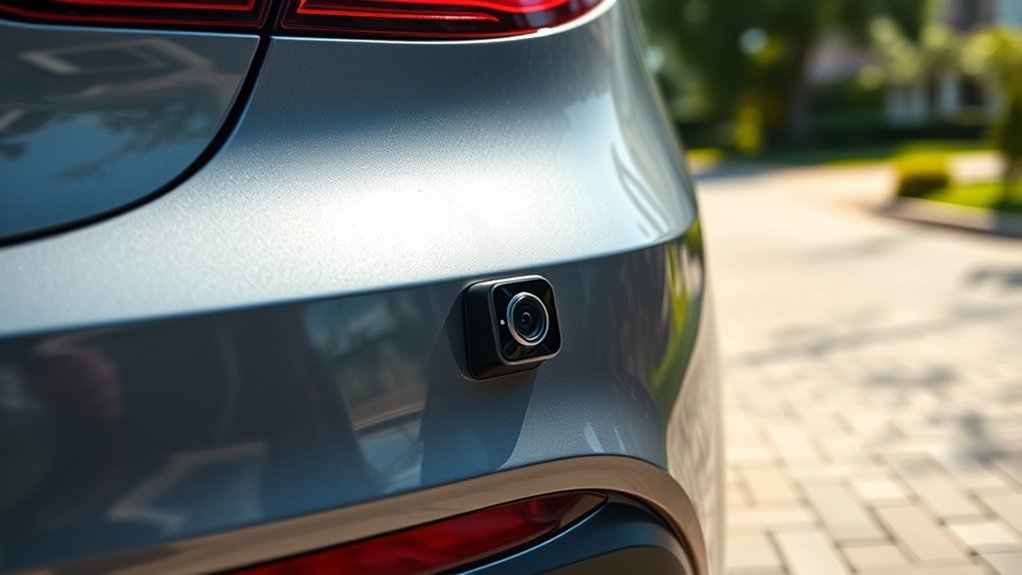
Installation typically involves mounting a small camera near the rear license plate. The camera is connected to the reverse light wiring, so it activates automatically when you shift into reverse.
This upgrade provides improved rear visibility and enhances safety while backing up. It’s important to ensure compatibility with your car’s display system for the best experience.
Proper wiring is crucial to maintain reliable performance. Understanding the different types of cameras, costs, and installation steps will help you make the best choice for your vehicle.
Key Takeaways
- Reverse cameras can be retrofitted to almost any car model, regardless of age or make.
- Installation typically involves mounting near the rear license plate and connecting to reverse light wiring.
- Both wired and wireless reverse camera systems are available, offering flexible installation options.
- Professional installation costs range from $100 to $300, with camera prices from $50 to $300.
- Adding a reverse camera improves safety by reducing blind spots and enhancing rear visibility while reversing.
What Is a Reverse Camera and How Does It Work?
What exactly is a reverse camera, and how does it function? A reverse camera is a compact, rear-mounted device that captures a live video feed of the area behind your vehicle.
When you shift into reverse, it activates and transmits images to a dashboard display, enhancing your rear visibility. These cameras undergo rigorous crash testing to ensure durability and reliable performance under impact conditions.
Unlike fake cameras, which serve as mere deterrents without providing real-time footage, genuine reverse cameras integrate advanced sensors and optics to offer precise visual data. This technology reduces blind spots, helping you avoid obstacles and enhancing overall safety during parking or reversing maneuvers.
Understanding its operation clarifies why reverse cameras have become essential safety features in modern vehicles.
Can You Add a Reverse Camera to Any Car Model?
How easily can you add a reverse camera to your car? In most cases, you can retrofit a reverse camera to nearly any car model, regardless of age or make. The process involves mounting the camera near the rear license plate or bumper and connecting it to a display unit inside the cabin.
You’ll need to access the vehicle’s electrical system, typically tapping into the reverse light wiring to activate the camera when you shift into reverse. Adding a reverse camera substantially enhances parking safety by providing a clear rear view, reducing blind spots and potential collisions.
Additionally, it can indirectly improve fuel efficiency by minimizing unnecessary maneuvers during parking and reversing. Compatibility depends on your vehicle’s electrical setup and display options, but with proper installation, you can upgrade virtually any car for better safety and efficiency.
Different Types of Reverse Cameras for Your Car
You can choose from wired reverse camera systems, which offer reliable connections but require more installation work, or wireless options that simplify setup with minimal wiring. Additionally, integrated display cameras connect directly to your car’s existing screen or rearview mirror for seamless viewing. Understanding these types helps you select the best fit for your vehicle and driving needs.
Wired Reverse Camera Systems
Wired reverse camera systems provide a reliable and consistent video feed by connecting the camera directly to your vehicle’s display unit through physical cables. These systems excel in retrofit compatibility, allowing integration with most factory or aftermarket displays without signal interference.
When selecting a wired system, consider aftermarket legality to ensure compliance with local vehicle regulations. Here are key aspects to evaluate:
- Cable length and routing options to fit your vehicle’s design.
- Video signal quality, typically analog or digital formats.
- Power source requirements and connection points.
- Durability and waterproof ratings of the camera and cables.
Wireless Reverse Camera Options
While wired reverse camera systems offer stable connections, wireless reverse camera options provide greater flexibility and easier installation without extensive cabling. These systems utilize new technology such as Wi-Fi or RF transmission to send video signals from the camera to a compatible display inside your vehicle.
You can choose between battery-powered or vehicle-powered cameras, depending on your setup needs. However, wireless systems can be more susceptible to interference and signal loss, so selecting devices with strong encryption is essential to mitigate privacy concerns.
Additionally, some models offer automatic pairing and low-latency streaming to enhance reliability. Overall, wireless reverse cameras simplify adding a rearview system to your car while balancing convenience with technical considerations like signal integrity and data security.
Integrated Display Camera Types
How do integrated display camera types differ, and which one suits your vehicle best? When choosing a reverse camera, avoid irrelevant topic distractions or off-topic ideas that don’t address your car’s system compatibility. Focus on these four main integrated display types:
- Dashboard-Mounted Displays: Standalone screens installed on the dashboard, easy to retrofit.
- Rearview Mirror Monitors: Cameras feed directly into a modified rearview mirror with an embedded screen.
- Factory In-Dash Displays: Cameras connect to your car’s existing infotainment system, offering seamless integration.
- Head-Up Displays (HUD): Projects camera images onto the windshield, enhancing visibility without eye movement.
Each type varies in installation complexity and display quality. Choose based on your vehicle’s existing electronics and your preference for integration versus aftermarket solutions.
How to Choose the Right Reverse Camera
What factors should you consider when selecting a reverse camera for your vehicle? First, ensure compliance with reverse camera laws specific to your region, as regulations dictate camera specifications and display requirements.
Next, evaluate image quality. Opt for cameras with high-resolution sensors and wide dynamic range to perform well in varying light conditions. Consider the camera’s field of view; a wider angle improves rear visibility but may introduce distortion.
You should also assess integration compatibility with your vehicle’s existing display system or aftermarket monitors. Given blooming aftermarket trends, you’ll find models offering additional features like night vision, waterproofing, and parking guidelines.
Prioritize durability and ease of installation to maximize long-term reliability. Balancing legal compliance, technical specs, and practical features will help you choose the optimal reverse camera for your car.
How to Install a Reverse Camera Step by Step
Wondering where to begin installing your reverse camera? First, ensure compliance with reverse camera legality in your area to avoid fines or insurance complications.
Next, follow these steps precisely:
- Select Mounting Location: Choose a spot near the rear license plate for optimal view and signal reception.
- Run Wiring: Route the power and video cables carefully through the vehicle’s interior, avoiding moving parts.
- Connect to Power Source: Tap into the reverse light circuit so the camera activates only when reversing.
- Integrate Display: Connect the camera feed to your dashboard monitor, confirming clear image and functionality.
Typical Costs of Reverse Cameras and Installation
You can expect reverse camera prices to range from $50 to $300, depending on features and quality. Installation fees vary widely, typically between $75 and $200, influenced by your vehicle’s complexity. Knowing these costs upfront helps you budget effectively for the upgrade.
Camera Price Range
How much should you expect to invest in a reverse camera system? Understanding the camera price range helps dispel common reverse camera myths, such as the belief that quality always means high cost. Here’s a precise breakdown:
- Basic Models: $20–$50, offering standard resolution and limited features.
- Mid-Range Cameras: $50–$150, typically providing higher resolution, night vision, and wider viewing angles.
- Premium Cameras: $150–$300, including advanced features like dynamic guidelines, waterproofing, and integration with infotainment systems.
- Specialized Systems: $300+, designed for luxury or commercial vehicles with multi-camera setups and enhanced sensor capabilities.
Installation Fees Explained
What factors influence the total cost when installing a reverse camera system? Primarily, the type of reverse camera you choose impacts the price. Basic wired models cost less than advanced wireless or multi-angle cameras.
Installation fees depend on your vehicle’s make and model, the complexity of wiring, and whether you require modifications to the dashboard or rear panels to accommodate the camera and display. Professional installation typically ranges from $100 to $300, reflecting labor intensity and necessary equipment.
If you opt for a DIY approach, you’ll save on installation fees but must have technical skills to ensure proper setup and avoid damage. Always factor in both the reverse camera cost and installation fees to get an accurate total expenditure for upgrading your vehicle’s safety features.
Common Installation Challenges and How to Fix Them
Why do reverse camera installations sometimes pose difficulties? You might face challenges related to wiring, camera alignment, or integration with your car’s existing systems. Addressing these issues properly ensures adherence to reverse camera ethics and supports effective safety training.
Here are four common challenges and how you can fix them:
1. Wiring Complexity
Use detailed vehicle schematics to avoid cutting essential wires.
2. Poor Camera Positioning
Mount the camera at the recommended height and angle for optimal visibility.
3. Compatibility Issues
Verify your car’s display system supports the camera input before installation.
4. Signal Interference
Employ shielded cables and proper grounding to maintain a clear video feed.
Benefits of Adding a Reverse Camera to Older Cars
Overcoming installation challenges ensures your reverse camera functions reliably and unlocks significant advantages for older vehicles. You gain enhanced rear visibility, reducing blind spots and minimizing collision risks while parking or reversing.
This upgrade improves safety for pedestrians and pets, especially in tight spaces. Additionally, integrating a reverse camera can increase your car’s resale value by modernizing its features.
However, it’s essential to consider ethics implications and privacy concerns when installing cameras, ensuring you respect others’ privacy and comply with local regulations. By addressing these factors, you not only enhance your vehicle’s functionality but also promote responsible use.
Ultimately, adding a reverse camera to your older car delivers practical safety benefits and supports informed, ethical decision-making.
Maintenance and Troubleshooting Tips for Reverse Cameras
How do you keep your reverse camera operating at peak performance? First, verify reverse camera compatibility with your vehicle’s system to avoid signal interference. Next, regularly inspect power supply requirements to ensure stable voltage and prevent intermittent power loss.
Follow these maintenance and troubleshooting tips:
- Clean the lens with a microfiber cloth to remove dirt and moisture that impair image clarity.
- Check wiring connections for corrosion or damage, especially near the power source.
- Test the camera feed frequently to detect signal distortion or latency early.
- Update firmware when available to maintain software compatibility and fix bugs.
Frequently Asked Questions
Are Reverse Cameras Legal in All States or Countries?
Reverse camera legality varies by state and country, so you’ll need to check local laws. Cross border regulations can differ markedly, affecting installation and usage requirements.
Always verify compliance before installing or using a reverse camera system.
Do Reverse Cameras Affect Car Insurance Rates?
Reverse cameras typically don’t influence insurance impact directly, despite their legality nationwide. Their smartphone connectivity and weather performance improve safety, but insurers rarely factor these features in.
However, privacy concerns may affect specific policies.
Can Reverse Cameras Be Connected to a Smartphone?
Yes, reverse camera connectivity often supports smartphone integration through Wi-Fi or Bluetooth. You can stream live video directly to your phone, enabling you to monitor rear views conveniently using compatible apps designed for real-time display and control.
How Do Reverse Cameras Perform in Extreme Weather Conditions?
Like a knight’s armor, reverse camera durability relies on weatherproof ratings such as IP67 or IP68, ensuring reliable performance in rain, snow, or dust. Still, extreme cold or heat might slightly affect image clarity or responsiveness.
Are There Privacy Concerns With Reverse Cameras?
Yes, you should review the reverse camera’s privacy policy carefully, as some models collect and store video data. Understanding their data collection practices guarantees you manage potential privacy risks effectively and comply with local regulations.
Conclusion
Adding a reverse camera to your car is like giving your vehicle an extra set of eyes, enhancing safety and convenience. No matter your car model, you can find a suitable camera type and install it with the right tools and guidance.
While costs and challenges vary, the benefits of improved visibility and accident prevention make it worth the effort. Keep up with maintenance to ensure your reverse camera stays sharp and reliable for years to come.
If you’re wondering, “Can I get reverse camera on my car?” the answer is yes—adding this feature is possible and beneficial for almost any vehicle.