Are Spark Plugs Universal
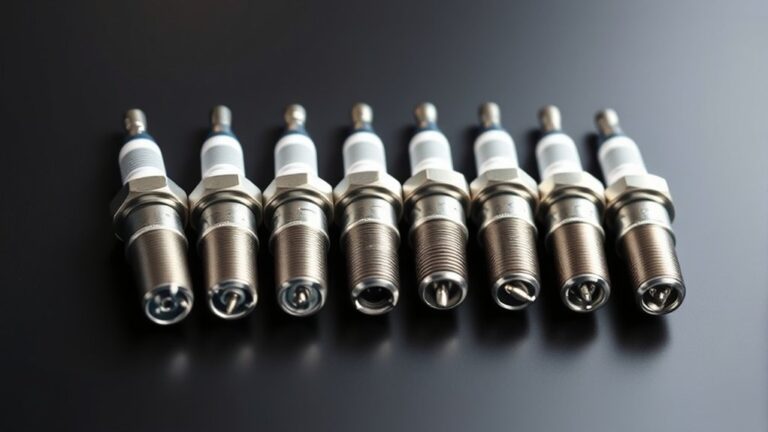
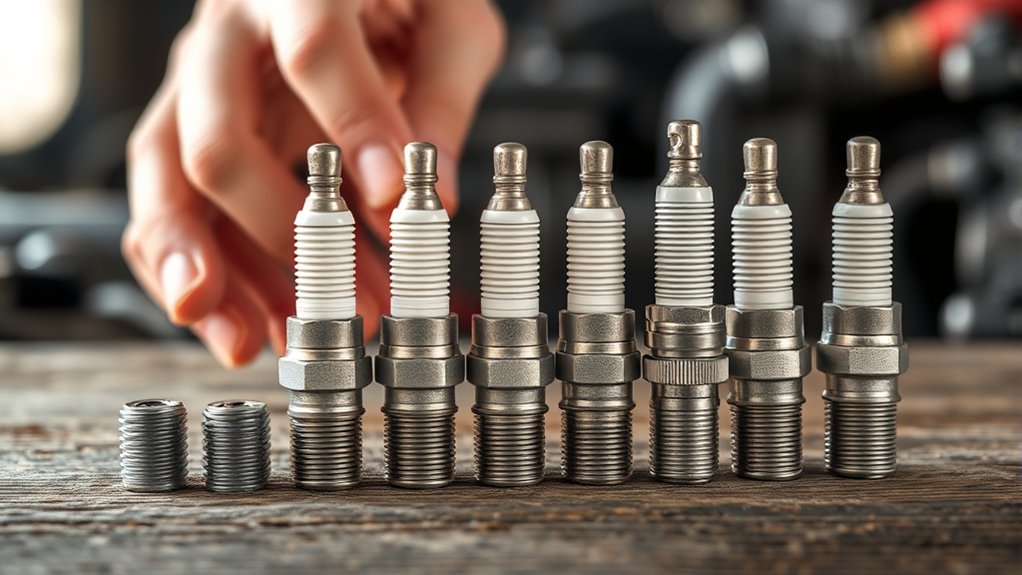
You can’t use just any spark plug in your engine because spark plugs are not universal. They vary in thread size, heat range, and electrode design, all critical for proper fit and optimal ignition.
Using the wrong plug risks misfires, reduced fuel efficiency, and engine wear. Each engine needs plugs matched to its specifications, including size and heat characteristics.
If you want to understand how these factors affect your engine’s performance, here’s more detailed insight.
Key Takeaways
- Spark plugs are not universal; they vary in size, thread pitch, heat range, and design specific to engine requirements.
- Using incorrect spark plugs can cause misfires, poor fuel economy, and potential engine damage.
- Proper spark plug selection depends on matching manufacturer specifications for thread size, heat range, and electrode configuration.
- Different engine designs and fuel types require tailored spark plugs for optimal combustion and durability.
- Avoid myths of universal plugs; always consult trusted fitment guides and manufacturer recommendations.
Are Spark Plugs Really Universal?
How universal are spark plugs, really? You might assume they fit all engines, but that’s not the case. Spark plugs vary in size, heat range, and design, which impacts spark plugs durability and your engine’s fuel economy.
Using the wrong spark plug can cause incomplete combustion, reducing efficiency and increasing wear. You need plugs that match your engine’s specifications to maintain optimal firing, prevent fouling, and ensure long-term durability.
Even subtle differences in electrode material or gap size affect ignition quality and fuel consumption. So, while some plugs appear similar, their performance characteristics differ significantly.
Choosing the right spark plug isn’t just about fit. It directly influences how well your engine runs and how efficiently it uses fuel over time.
Why Spark Plugs Differ by Engine Type
You’ll notice spark plugs vary because engine designs differ considerably in combustion chamber size, compression ratio, and fuel type. These design factors require specific spark plug specifications like heat range, thread size, and electrode configuration to optimize performance. Understanding these variations helps guarantee you choose the right spark plug for your engine type.
Engine Design Variations
Why do spark plugs differ so much between various engines? The answer lies in engine design variations that dictate plug requirements. Each engine’s combustion chamber shape, compression ratio, and ignition system influence spark plug design aesthetics and functional aspects.
For example, a high-performance engine demands spark plugs with specific heat ranges and electrode materials to withstand extreme conditions. Manufacturing processes adapt to these design criteria, ensuring proper thread size, reach, and insulator shape to fit precisely and optimize combustion.
Additionally, engines with different fuel types or configurations require plugs tailored to their operating environment. So, when you select a spark plug, you’re choosing a component engineered to match the unique mechanical and thermal needs shaped by the engine’s design, not a one-size-fits-all solution.
Spark Plug Specifications
What makes spark plugs vary so much between engine types? It comes down to specific spark plug specifications tailored to each engine’s combustion characteristics. When choosing compatibility, you must consider factors like thread size, heat range, electrode design, and gap settings.
These elements impact ignition timing, combustion efficiency, and overall engine performance. Different engines demand precise spark plug configurations to handle variations in pressure, temperature, and fuel type.
Manufacturers use rigorous testing methods, such as thermal conductivity tests and durability assessments under simulated conditions, to ensure plugs meet exacting standards. By understanding these specifications and relying on proper testing protocols, you can select the ideal spark plug for your engine, optimizing combustion and preventing misfires or damage caused by incompatible plugs.
Common Spark Plug Types and Compatibility
How do you determine which spark plug type fits your engine? First, understand that common spark plugs include copper, platinum, iridium, and double platinum variants. Each type offers distinct performance characteristics affecting plasma ignition quality and valve timing precision.
Copper plugs provide excellent conductivity but wear faster, while iridium plugs deliver superior durability and maintain optimal plasma ignition longer, aiding consistent valve timing. Platinum plugs strike a balance between longevity and cost-effectiveness.
Compatibility hinges on your engine’s design and operating conditions. High-performance engines often require iridium plugs for precise valve timing control, whereas standard engines may function well with platinum or copper. Always consult your vehicle’s manufacturer guidelines to ensure the spark plug type supports efficient plasma ignition and maintains proper valve timing for peak engine performance.
Size and Threading: Why Fit Matters for Spark Plugs
You need to match the spark plug size and thread pitch precisely to guarantee a proper fit. Using the wrong dimensions can cause poor sealing, damage to the cylinder head, or misfires. Understanding common sizes and thread specifications helps prevent costly engine issues.
Common Spark Plug Sizes
Why does the size and threading of spark plugs matter so much? Because even slight differences affect fit, sealing, and engine performance.
Common spark plug sizes include thread diameters of 10mm, 12mm, 14mm, and 18mm, with varying thread lengths tailored to specific engines. When selecting plugs, you must avoid irrelevant comparison based solely on brand; size and threading compatibility take priority over branding considerations.
Using the incorrect size risks poor sealing, misfires, or damage to the cylinder head. Manufacturers design spark plugs with precise dimensions to match engine requirements, so you can’t interchange plugs simply because they look similar.
Understanding common spark plug sizes helps you choose the exact fit, ensuring reliable ignition and optimal engine efficiency without risking mechanical issues.
Thread Pitch Importance
Beyond thread diameter and length, thread pitch plays a key role in ensuring spark plugs fit securely and function properly. You might encounter compatibility myths claiming all threads are interchangeable, but threading quirks prove otherwise.
Thread pitch determines how tightly the spark plug engages with the cylinder head’s threads, affecting durability and performance. Using a plug with incorrect pitch risks damaging the engine’s threaded hole.
| Thread Diameter (mm) | Thread Pitch (mm) | Typical Application |
|---|---|---|
| 10 | 1.0 | Small engines, motorcycles |
| 12 | 1.25 | Most passenger cars |
| 14 | 1.25 | Trucks, heavy-duty vehicles |
| 14 | 1.5 | Some performance engines |
Always verify pitch compatibility to avoid costly repairs and ensure optimal spark plug function.
Impact of Incorrect Fit
How can the wrong spark plug size or threading affect your engine’s performance and longevity? Certain aspects of spark plug fit, such as thread pitch and seat type, are critical. Using an incorrect size can cause poor sealing or damage to the cylinder head threads, leading to compression loss or coolant leaks.
Threading mismatches risk cross-threading, which compromises the spark plug’s stability and can result in misfires or engine knocking. Additionally, improper fit can alter heat dissipation, causing overheating or fouling.
Global regulations enforce strict manufacturing standards to ensure spark plugs meet precise specifications. Ignoring these can lead to non-compliance and void warranties.
To maintain optimal engine function and durability, always select spark plugs that conform exactly to your vehicle’s manufacturer specifications, respecting both size and threading requirements.
Spark Plug Heat Range and Why It Matters
What determines a spark plug’s suitability for your engine often comes down to its heat range. This factor isn’t an irrelevant topic or off topic discussion; it’s essential for optimal engine performance and longevity. The heat range indicates how quickly a spark plug can dissipate heat from the combustion chamber.
You need to understand that:
- A plug too hot can cause pre-ignition or engine knocking.
- A plug too cold may foul quickly, reducing efficiency.
- Heat range varies between manufacturers, so universal isn’t always accurate.
- Matching your engine’s operating temperature range ensures proper combustion and durability.
Ignoring heat range leads to misfires, increased wear, and poor fuel economy. So, grasping this technical detail is critical before selecting spark plugs.
Choosing the Right Spark Plugs for Your Vehicle
Understanding the heat range is just one part of selecting the right spark plugs for your vehicle. You need to consider the plug’s size, thread pitch, and electrode gap to ensure proper fit and function.
Avoid falling for universal myths suggesting one plug fits all engines. These compatibility myths can lead to poor performance or engine damage. Consult your vehicle’s manufacturer specifications or use trusted online fitment guides to match the exact spark plug model.
Also, consider materials like iridium or platinum, which offer different durability and conductivity benefits. By focusing on these technical factors rather than assuming universality, you’ll ensure optimal combustion efficiency, engine longevity, and smoother operation tailored precisely to your vehicle’s design requirements.
Frequently Asked Questions
How Often Should Spark Plugs Be Replaced?
You should replace spark plugs every 30,000 to 100,000 miles, depending on type. Regular replacement guarantees spark plug reliability, optimizing engine maintenance and preventing misfires, poor fuel efficiency, and performance issues.
Check your vehicle manual for specifics.
Can Bad Spark Plugs Cause Engine Misfires?
Bad spark plugs can definitely cause engine misfires; when timing goes haywire, your engine struggles to ignite fuel properly. This bad timing reduces fuel economy and performance, so you’re wise to replace faulty plugs promptly.
What Tools Are Needed to Change Spark Plugs?
You’ll need a spark plug socket, ratchet wrench, torque wrench, and gap gauge. Always check spark plug compatibility first.
Follow a tool requirement checklist to guarantee you have the correct tools for precise, safe replacement.
Are Iridium Spark Plugs Better Than Platinum?
While platinum spark plugs offer durability, iridium spark plugs excel with finer electrodes, providing better ignition and efficiency.
In the Iridium vs. Platinum debate, iridium’s superior spark plug materials deliver enhanced performance and longer lifespan.
How Does Spark Plug Gap Affect Performance?
You’ll see spark gap optimization boosts ignition efficiency, but too wide a gap increases electrode wear effects and misfires.
Keep the gap precise to maintain consistent performance, fuel economy, and prevent premature spark plug degradation.
Conclusion
You’ve learned that spark plugs aren’t one-size-fits-all; choosing the right one is crucial for optimal engine performance. Remember, “measure twice, cut once”—selecting the correct size, heat range, and type ensures compatibility and longevity.
Using the proper spark plug tailored to your engine prevents misfires, enhances fuel efficiency, and protects your vehicle from damage. Always consult your vehicle’s specifications to make an informed, precise choice that keeps your engine running smoothly.
In conclusion, spark plugs are not universal, so selecting the right spark plug for your specific engine is essential for reliable performance and durability.