What’s the Best All Season at Truck Tire for Snow
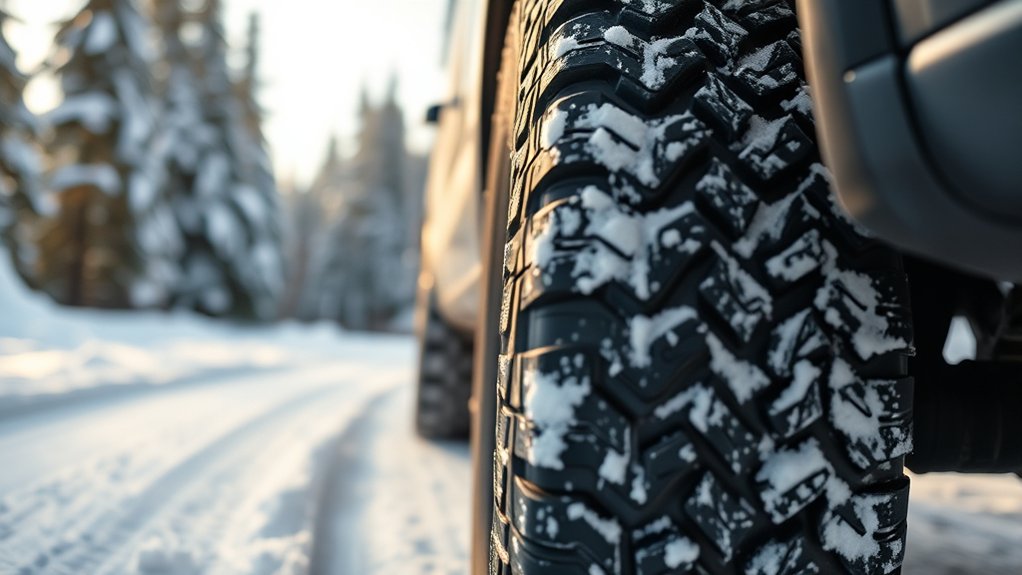
If you want the best all-season truck tire for snow, look for one with deep, aggressive tread patterns and wide grooves that channel slush and water effectively.
Tires like the Michelin Defender LTX M/S and Goodyear Assurance WeatherReady combine durable, cold-flexible rubber compounds with advanced siping to maintain traction on snow and ice.
These tires balance snow performance with year-round durability and dry-road stability.
You’ll also find essential guidance on maintenance, durability, and sourcing to maximize your tire’s effectiveness in winter conditions.
Key Takeaways
- Michelin Defender LTX M/S offers advanced snow traction with durable low-temperature rubber compounds and aggressive tread design.
- Goodyear Assurance WeatherReady combines snow traction technology with optimized cold-weather rubber for reliable winter performance.
- Deep, V-shaped grooves and siping enhance slush and water evacuation, improving grip and stability in snowy conditions.
- Softer rubber compounds maintain flexibility in freezing temperatures, ensuring consistent contact and traction on ice and packed snow.
- Reinforced sidewalls and durable tread patterns provide year-round durability while balancing snow-specific traction and dry-road stability.
What Makes a Truck Tire Good for Snowy Roads
What features should you look for in a truck tire to ensure optimal performance on snowy roads? Start with tread design: deep, aggressive patterns with wide grooves channel slush and water efficiently, reducing hydroplaning risk.
Look for tires made from softer rubber compounds that maintain flexibility in freezing temperatures; this characteristic is essential as it enhances grip on ice and packed snow. While winter tires typically excel in cold conditions due to these features, some all-season truck tires integrate similar technology for balanced performance.
Also, consider fuel efficiency. Low rolling resistance in your tires helps maintain better mileage even in challenging winter conditions. Prioritizing these attributes ensures your truck tire delivers traction, safety, and economical performance when navigating snowy roads.
How All-Season Tire Design Helps You Handle Snow Safely
You rely on all-season tire tread patterns to provide consistent traction by biting into snow and ice. The specialized rubber compounds maintain flexibility in low temperatures, ensuring the tire grips the road surface effectively. Additionally, engineered water evacuation channels reduce hydroplaning risks, enhancing your control in slushy conditions.
Tread Patterns For Traction
A well-engineered tread pattern plays a pivotal role in providing reliable traction on snowy roads. To maximize snow traction while minimizing tire noise, consider these key design elements:
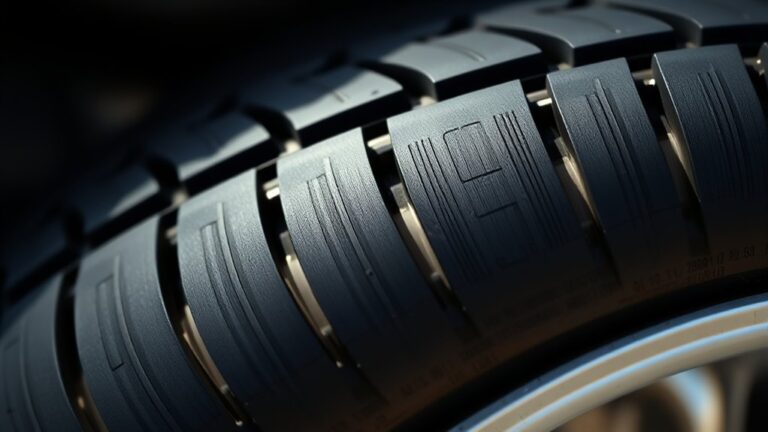
- Siping: Fine slits in tread blocks increase grip by creating additional biting edges that cut through snow.
- Directional Patterns: V-shaped grooves channel slush and water away, enhancing stability and reducing hydroplaning risks.
- Tread Block Arrangement: Interlocking blocks maintain consistent contact with the road, improving control without excessive noise.
- Groove Depth and Width: Deeper, wider grooves allow snow to compact and eject, preventing buildup that reduces traction.
Rubber Compounds And Flexibility
The performance of all-season truck tires in snowy conditions heavily depends on the rubber compounds used and their flexibility at low temperatures. You’ll find that advanced rubber compounds in quality all-season tires maintain pliability even as temperatures drop, unlike traditional compounds that stiffen and reduce traction.
This flexibility is essential because it allows the tire to conform to irregular snow surfaces, enhancing grip and control. Snow tires typically utilize specialized rubber blends formulated for extreme cold, but well-engineered all-season tires incorporate modified compounds that balance durability with low-temperature flexibility.
When selecting all-season truck tires, prioritize those with optimized rubber compounds designed for cold weather to ensure consistent traction. Without this flexibility, tires lose contact efficiency, compromising your safety on snowy roads.
Water Evacuation And Grip
Maintaining grip on snowy roads isn’t just about rubber flexibility; effective water evacuation plays a crucial role in preventing slippage. All-season truck tires incorporate advanced tread designs to optimize water evacuation and maintain grip balance in challenging conditions.
Here’s how they help you handle snow safely:
- Tread Grooves: Deep, wide channels rapidly channel water and slush away from the contact patch, reducing hydroplaning risk.
- Siping Patterns: Fine cuts increase biting edges, enhancing traction on wet and icy surfaces without compromising water flow.
- Compound Formulation: Specialized rubber compounds complement water evacuation by maintaining flexibility and adhesion at low temperatures.
- Shoulder Design: Aggressive, angled shoulder blocks improve lateral stability and aid in shedding water and snow efficiently.
These design elements work in unison to ensure that your tire sustains optimal grip balance, giving you confidence on snowy roads.
Top All-Season Truck Tires for Snowy Roads
Which all-season truck tires deliver optimal performance on snowy roads? You’ll want tires engineered with advanced snow traction features, such as multi-wave sipes and aggressive tread patterns, to maintain grip on icy surfaces.
Models like the Michelin Defender LTX M/S and Goodyear Assurance WeatherReady excel by combining these technologies with durable rubber compounds optimized for low temperatures. Beyond function, tire aesthetics matter if you want a rugged yet refined look; many top tires balance aggressive tread design with sleek sidewall styling that complements your truck’s appearance.
When selecting, focus on how the tread design channels slush and snow while providing consistent contact patches for control. This approach ensures you drive safely without compromising the visual appeal of your vehicle’s tires.
Durability and Tread Life of All-Season Truck Tires for Snow
How long your all-season truck tires last in snowy conditions depends largely on their construction and rubber compounds. Durable tires undergo rigorous durability testing to ensure resistance against harsh winter elements and abrasive surfaces. Tread wear directly impacts the tire’s lifespan and performance, especially when navigating snow and ice.
The lifespan of all-season truck tires in snow hinges on their build, rubber mix, and durability testing.
Consider these key factors influencing durability and tread life:
- Rubber Compound: Softer blends enhance grip but may wear faster; harder compounds extend tread life.
- Tread Design: Aggressive patterns resist chunking and improve snow ejection.
- Sidewall Strength: Reinforced sidewalls protect against cuts and impact damage.
- Durability Testing Standards: Look for tires tested under simulated winter conditions for realistic tread wear results.
Balancing Snow Traction and Year-Round Performance
You need tires that integrate advanced snow traction technologies without sacrificing year-round durability. The tread design plays a crucial role, optimizing grip on icy surfaces while maintaining efficient wear on dry roads. Striking this balance ensures reliable performance in winter conditions and longevity throughout all seasons.
Snow Traction Technologies
Snow traction technologies play a pivotal role in ensuring your all-season truck tires perform reliably during winter conditions without sacrificing year-round capabilities. These technologies optimize snow traction and maintain winter performance while preserving durability and comfort.
Here are key snow traction technologies you’ll find in top all-season truck tires:
- Advanced rubber compounds Formulated to stay flexible at low temperatures, enhancing grip on snow and ice.
- Micro-siping Tiny slits in tread blocks that increase biting edges, improving traction on slippery surfaces.
- 3D tread block technology Stabilizes tread blocks for better snow grip without compromising tread life.
- Silica-enhanced compounds Boost wet and snow traction by improving tread compound elasticity.
Tread Design Impact
What role does tread design play in balancing winter traction with all-season durability? The tread pattern directly influences snow performance by determining how well the tire grips icy and slushy surfaces.
You want a design featuring deep grooves and multiple sipes, which channel snow and water away, enhancing bite and reducing hydroplaning. However, these features must be engineered carefully to maintain tread durability, preventing excessive wear during warmer months.
An optimized tread design balances aggressive snow traction elements with reinforced blocks that resist deformation. This ensures consistent contact with the road, providing stability across diverse conditions.
When selecting an all-season truck tire, pay close attention to how the tread pattern integrates snow-specific features without compromising the structural integrity needed for prolonged use and reliable performance throughout the year.
Year-Round Durability
How can a tire deliver reliable traction on snowy roads without sacrificing performance during warmer months? Achieving year-round durability requires a strategic balance that avoids irrelevant topic distractions and off-topic pairings in tire design. You should focus on these key factors:
- Compound Composition: Use a rubber compound that remains flexible in cold but resists wear in heat.
- Tread Pattern: Incorporate siping and grooves optimized for snow, yet stable enough for dry conditions.
- Sidewall Strength: Reinforce sidewalls to endure varied road stresses year-round.
- Wear Resistance: Ensure the tire maintains tread depth despite seasonal temperature fluctuations.
Expert Tips for Maintaining All-Season Truck Tires in Winter
When should you inspect your all-season truck tires to ensure optimal performance in winter conditions? Ideally, perform a comprehensive check before the first snowfall and monthly thereafter. Focus on tread depth, pressure, and sidewall integrity.
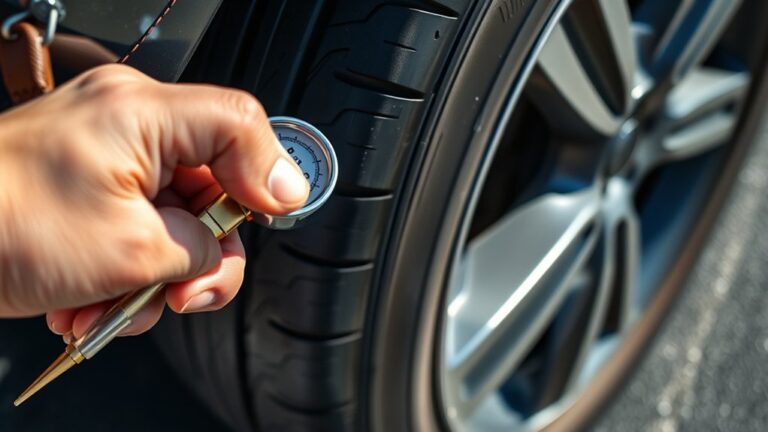
Avoid common maintenance myths like overinflating tires to improve traction; this reduces contact area and compromises grip. Use a tire pressure gauge to maintain manufacturer-recommended levels, as temperature drops affect inflation.
Rotate your tires every 5,000 to 7,000 miles to promote even wear, a two word discussion idea often overlooked but critical for winter traction. Clean tires regularly to prevent ice buildup within tread grooves.
Following these expert tips preserves tire performance, enhances safety, and extends tire life throughout harsh winter conditions.
Where to Buy the Best All-Season Truck Tires for Snow
Maintaining your all-season truck tires properly sets the foundation for peak performance, but sourcing the right tires is equally important to handle snow effectively. When buying, avoid unrelated topic distractions like flashy ads or tangential concepts unrelated to tire specifications. Focus on these reliable sources:
- Authorized tire dealerships. Ensure genuine products and expert advice.
- Manufacturer websites. Access detailed specs and certified retailers.
- Reputable online retailers. Compare prices and reviews with verified user feedback.
- Local tire shops. Get personalized fitting and maintenance services.
Each option offers distinct advantages, but prioritize verified sellers to guarantee quality and authenticity. Steering clear of unrelated topic confusion ensures you select tires optimized for snowy conditions, enhancing safety and traction for your truck.
Frequently Asked Questions
How Do All-Season Truck Tires Compare to Dedicated Winter Tires in Ice?
You’ll find all-season truck tires offer moderate winter traction, but their tread design isn’t optimized for ice.
Dedicated winter tires use specialized compounds and aggressive tread patterns, giving you superior grip and safer handling on icy roads.
Can All-Season Truck Tires Affect Fuel Efficiency During Winter?
Yes, all-season truck tires can impact fuel efficiency in winter due to increased tire noise and tread wear from softer compounds. You’ll notice slightly higher rolling resistance, which can reduce your vehicle’s miles per gallon during cold conditions.
Are All-Season Truck Tires Suitable for Off-Road Snowy Conditions?
You’re steering a ship through icy waves. Off-road traction demands tires designed for harsh snow performance.
All-season truck tires can struggle here; they offer limited grip, so specialized winter or all-terrain tires better ensure your safety and control.
How Does Tire Pressure Impact All-Season Tire Performance in Cold Weather?
You’ll find tire pressure drops in cold weather impact traction and tire wear negatively. Maintaining proper tire pressure ensures ideal contact, improves handling, and prevents uneven wear. This keeps your all-season tires performing safely and efficiently in cold conditions.
What Is the Average Cost Difference Between All-Season and Winter Truck Tires?
You won’t need a magnifying glass to spot the cost difference: winter truck tires typically run about 20-40% pricier than all-season ones. This price variance reflects advanced rubber compounds and tread designs optimized for snow.
Conclusion
Choosing the best all-season truck tire for snow means balancing modern tread technology with proven durability—like a trusty pocket watch in a digital world. You’ll want tires designed to grip icy roads without sacrificing year-round performance.
Keep your tires properly maintained by regularly checking tread depth and pressure to ensure safety. Proper care helps maximize traction and extends the life of your tires.
By selecting quality all-season tires and caring for them well, you’ll navigate snowy roads confidently. The best all-season truck tire for snow combines reliability with advanced engineering for every drive.