How Expensive Are Brake Pads
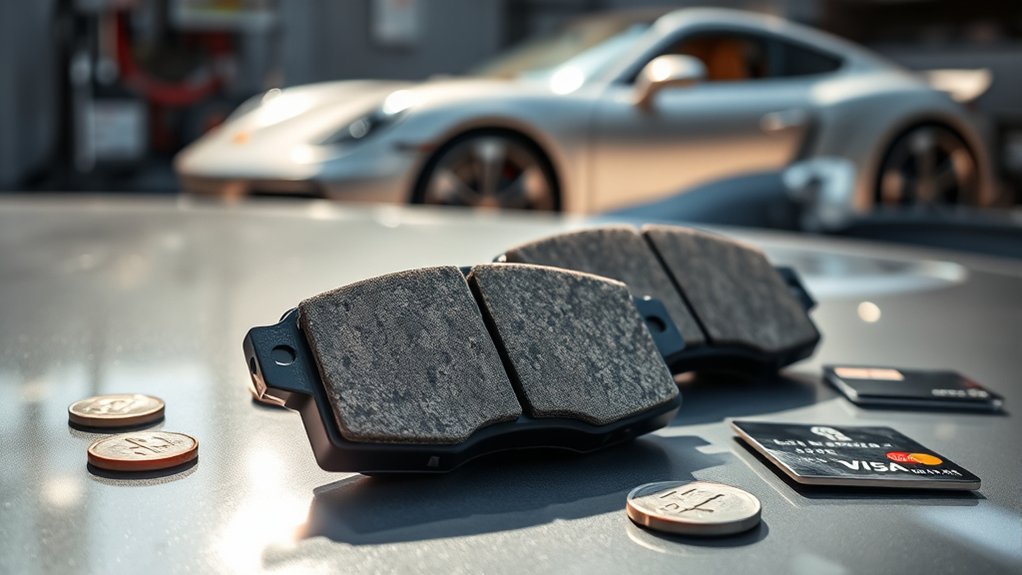
Brake pads typically cost between $30 and $150 per set, depending largely on the material and your vehicle type. The price of brake pads varies based on the type you choose and your car’s specifications. Organic pads are the cheapest but wear faster, while ceramic and carbon composite pads cost more but offer better durability and performance.
Labor fees, vehicle complexity, and shop rates also impact total expenses. Choosing the right brake pads balances cost, longevity, and braking efficiency. Understanding these factors helps you make informed decisions on maintenance and upgrades.
Key Takeaways
- Brake pad sets generally cost between $30 and $100, varying by vehicle type and pad material.
- Ceramic pads are pricier ($70 to $150) but offer high durability and low noise, while organic pads are cheaper ($30 to $60) with faster wear.
- Labor and professional installation can significantly increase total replacement costs beyond the pad price.
- High-performance or specialty brake pads, like carbon composite, can cost $100 to $200 per set.
- Warranty coverage and vehicle type also influence costs, with trucks requiring more durable, expensive pads and often longer warranties.
How Much Do Brake Pads Cost on Average?
How much do brake pads typically cost? On average, you can expect to pay between $30 and $100 per set, depending on the vehicle type and brake pad material.
What affects costs includes the quality of materials, such as ceramic, semi-metallic, or organic, and the brand’s manufacturing standards. High-performance or specialty brake pads generally cost more due to advanced formulations.
Additionally, brake pad warranties vary significantly. Some offer limited coverage of up to 12 months, while premium brands provide extended warranties that can last several years, reflecting confidence in durability.
When selecting brake pads, consider these warranties as they can influence your long-term expenses. Understanding these factors helps you make an informed choice, balancing initial costs against performance and longevity.
What Factors Affect Brake Pad Replacement Costs?
When replacing brake pads, you’ll notice costs vary considerably based on the material type, such as ceramic, semi-metallic, or organic. Labor and service fees also play a vital role, especially if your vehicle requires specialized tools or expertise. Understanding these factors helps you anticipate the total expense accurately.
Material Type Impact
Why do brake pad materials profoundly influence replacement costs? The material type determines durability, heat resistance, and performance, directly affecting wear rates and replacement frequency. For example, semi-metallic pads have robust wear indicators but may wear rotors faster, altering total costs.
| Material Type | Durability | Cost Range ($) |
|---|---|---|
| Organic | Low | 30 – 60 |
| Semi-metallic | Medium | 40 – 80 |
| Ceramic | High | 70 – 150 |
| Low-metallic | Medium High | 50 – 90 |
| Carbon Composite | Very High | 100 – 200 |
Each material’s wear indicators help you monitor pad condition, but advanced materials typically cost more upfront due to sophisticated composites and manufacturing processes.
Labor And Service
What influences the labor cost for brake pad replacement? Several factors play a role, primarily the complexity of your vehicle’s braking system and the service duration required. Labor costs vary depending on whether your car has standard disc brakes or more advanced systems like electronic parking brakes, which demand specialized tools and expertise.
Additionally, labor rates differ by location and repair shop, affecting overall expenses. The service duration depends on the technician’s experience and whether additional repairs, such as rotor resurfacing or caliper replacement, are needed. If complications arise, expect longer service duration and higher labor costs.
Understanding these factors helps you anticipate the total cost accurately, ensuring you make informed decisions when scheduling brake pad replacement.
How Different Vehicle Types Impact Brake Pad Prices
You’ll notice brake pad prices vary considerably between passenger cars and trucks due to differences in size and weight. Larger vehicles require more robust, durable brake components, which increases costs. Understanding how your vehicle type affects brake pad pricing helps you budget accurately for replacements.
Passenger Cars vs. Trucks
How do brake pad costs vary between passenger cars and trucks? Trucks generally require brake pads made from more robust brake pad materials to handle greater weight and towing demands. These materials, often semi-metallic or ceramic composites, assure durability but increase costs compared to the organic or low-metallic compounds common in passenger cars.
Additionally, trucks’ brake pads tend to have extended warranty coverage, reflecting their higher performance requirements and usage conditions. You’ll notice that truck brake pads not only cost more upfront but may also involve more specialized installation procedures.
When selecting pads, consider the compatibility with your vehicle’s braking system and the level of warranty coverage provided, as this can indicate the manufacturer’s confidence in the pad’s longevity and performance under varied driving stresses.
Impact of Vehicle Size
Building on the differences between passenger cars and trucks, vehicle size plays a significant role in determining brake pad prices. Larger vehicles require more robust braking systems, which increases material and manufacturing costs.
When you consider SUVs, vans, or heavy-duty trucks, the brake pads must handle greater kinetic energy, resulting in thicker, more durable pads. This directly impacts costs since these pads use specialized compounds and larger surface areas.
Conversely, smaller passenger cars generally need less material and simpler designs, reducing expenses. Additionally, bigger vehicles often demand advanced braking technologies like ceramic or semi-metallic pads to ensure safety and performance, further increasing prices.
Understanding the impact of vehicle size helps you anticipate brake pad costs accurately and plan maintenance budgets based on your specific vehicle type.
Signs You Need New Brake Pads Before Costs Rise
When should you replace your brake pads to avoid costly repairs? You need to monitor brake pad wear closely. Excessive wear reduces the friction material, compromising braking efficiency and increasing stopping distance.
Replace brake pads promptly to maintain braking efficiency and prevent costly repairs.
If you notice a squealing noise or a grinding sound when braking, it indicates the pads are worn down to the metal backing. Also, pay attention if your vehicle requires more pressure to stop or if the brake pedal feels spongy.
These symptoms signal diminished braking performance due to brake pad degradation. Ignoring these signs leads to rotor damage, significantly raising repair costs.
Regularly inspect your brake pads for thickness, and replace them before they fall below the manufacturer’s recommended minimum to maintain optimal stopping distance and ensure your safety.
How Often Should You Replace Brake Pads to Avoid Big Bills?
Ignoring early signs of brake pad wear can lead to expensive repairs, but you can prevent this by adhering to a regular replacement schedule. Typically, brake pads last between 30,000 to 70,000 miles, but exact timing depends on driving habits and vehicle type. Avoid confusing this with irrelevant topics like unrelated concept maintenance schedules.
To determine when to replace brake pads, consider these factors:
- Monitor manufacturer’s mileage recommendations.
- Inspect brake pads every 10,000 miles.
- Listen for squealing or grinding noises.
- Check for reduced braking responsiveness.
Sticking to these guidelines helps you avoid costly rotor damage and ensures consistent braking performance. Skipping timely replacement isn’t just an unrelated concept; it directly affects your safety and wallet.
How Brake Pad Material Influences Price and Performance
How does the material composition of brake pads impact both their cost and effectiveness? Different materials affect brake pad wear, noise reduction, and overall performance, directly influencing price. You’ll find that some materials last longer but cost more, while others are budget-friendly but wear faster or produce more noise.
| Material Type | Performance Attribute |
|---|---|
| Ceramic | Low brake pad wear, excellent noise reduction |
| Semi-metallic | Moderate wear, good heat dissipation |
| Organic | Higher wear, quieter but less durable |
Ceramic pads typically cost more due to their longevity and superior noise reduction. Semi-metallic offer balanced wear and performance, while organic pads are cheaper but wear out quickly and may generate more noise. Understanding these differences helps you choose the right brake pads for your needs and budget.
Comparing Budget vs. Premium Brake Pads: What’s the Difference?
The choice of brake pad material sets the foundation for understanding the cost and performance differences between budget and premium brake pads. When comparing budget pads to premium pads, consider these factors:
- Material composition: Budget pads often use basic semi-metallic or organic compounds, while premium pads employ advanced ceramics or high-grade semi-metallic blends.
- Durability: Premium pads last longer due to superior materials and manufacturing tolerances.
- Performance: Premium pads offer better heat dissipation, reduced brake fade, and consistent stopping power under various conditions.
- Noise and dust: Budget pads tend to produce more noise and brake dust, whereas premium pads minimize both.
DIY vs. Professional Brake Pad Replacement: Cost and Benefits
When considering brake pad replacement, you might wonder whether to tackle the job yourself or hire a professional. The cost comparison between DIY vs. pro considerations often hinges on labor expenses.
Doing it yourself saves on labor but requires proper tools and mechanical knowledge to avoid safety risks. Professionals charge for labor plus parts, increasing upfront costs but ensuring precise installation and warranty coverage.
DIY replacement suits those confident in their skills and with access to equipment, reducing overall expenditure. Conversely, hiring a pro offers time efficiency, technical expertise, and peace of mind, which can justify higher costs.
Ultimately, your choice depends on balancing financial savings against the value of professional reliability and safety assurances.
What to Expect When Hiring a Mechanic for Brake Pad Replacement
Choosing to hire a mechanic for brake pad replacement means entrusting your vehicle to trained professionals who follow standardized procedures and use specialized tools. When you work with a mechanic, expect:
- A thorough inspection to assess brake components, avoiding wrong topic discussions like unrelated ideas about other car parts.
- Use of quality brake pads matching your vehicle’s specifications.
- Precise removal and installation techniques to ensure peak brake performance.
- Testing and adjustment for safety and efficiency before returning your car.
Mechanics also provide detailed estimates, helping you avoid confusion from wrong topic explanations unrelated to brake pads. By focusing strictly on brake pad replacement, they ensure your vehicle’s braking system is restored properly and safely without distractions or irrelevant information. This focused approach guarantees reliable service aligned with industry standards.
Smart Tips to Save Money When Buying Brake Pads
You should compare prices online to identify competitive offers without compromising quality. Prioritize brake pads that meet safety standards rather than opting for the cheapest option, which may wear out faster or damage your rotors. Additionally, watch for manufacturer discounts or seasonal promotions to reduce your overall cost.
Compare Prices Online
Where can you find the best deals on brake pads without compromising quality? Start by comparing prices online, which gives you access to a broad spectrum of options and current price trends. Online marketplaces often list competitive prices and detailed product specifications, allowing you to make informed decisions.
To effectively compare prices online, consider these tips:
- Utilize price comparison tools to track price trends over time.
- Check multiple online marketplaces for variations in cost and shipping fees.
- Read user reviews to verify seller reliability and product authenticity.
- Look for seasonal discounts or promotional offers exclusive to online platforms.
Choose Quality Over Cheap
How much should you prioritize quality when buying brake pads? Opting for cheap substitutes might save money upfront but often compromises durability and performance, including noise reduction. High-quality pads ensure consistent braking, longer lifespan, and quieter operation, ultimately reducing overall costs.
| Feature | Cheap Substitutes |
|---|---|
| Material Quality | Lower-grade composites |
| Durability | Wears out faster |
| Noise Reduction | Often produces squealing |
| Safety | Reduced braking power |
Choosing quality over cheap means fewer replacements and better safety. Don’t sacrifice performance for lower prices; instead, invest in brake pads that maintain optimal friction and noise control. This approach prevents costly repairs and enhances driving confidence, making it the smarter financial decision long term.
Look For Discounts
When can you find the best deals on brake pads without compromising quality? Timing and strategic shopping play key roles. Avoid getting distracted by unrelated topic promotions or off topic sales that don’t affect brake pad pricing.
Focus on these discount strategies:
- Monitor manufacturer websites for seasonal sales or rebates.
- Sign up for newsletters to access exclusive promo codes.
- Compare prices on automotive parts platforms, ensuring identical specifications.
- Check for bulk purchase discounts if replacing multiple sets.
Frequently Asked Questions
Can Worn Brake Pads Damage Other Parts of My Braking System?
Yes, worn pad damage can harm braking system components like rotors and calipers. You should replace pads promptly to prevent increased wear, reduced braking efficiency, and costly repairs caused by continued use of damaged parts.
How Do Weather Conditions Affect Brake Pad Wear and Performance?
You might not realize how weather effects can silently accelerate brake pad wear. Moisture and temperature shifts cause brake fade, reducing friction efficiency and increasing wear rates.
You must monitor and adjust maintenance accordingly for optimal performance.
Are There Any Environmental Concerns With Disposing of Old Brake Pads?
Yes, you need to handle environmental disposal carefully since brake pads contain metals and chemicals. Check for local recycling options to prevent pollution, and always follow regulations to ensure safe, responsible disposal and minimize environmental impact.
What Are the Safety Risks of Driving With Severely Worn Brake Pads?
Driving with severely worn brake pads causes dangerous driving conditions due to reduced friction, increasing stopping distances.
You risk mechanical failure, including rotor damage and brake system collapse, which compromises vehicle control and overall safety.
How Do Brake Pads Differ in Electric vs. Gasoline-Powered Vehicles?
You’ll find brake pads in electric vehicles wear slower due to regenerative braking from electric motors, while gasoline cars rely solely on friction.
Electric vehicles also incorporate battery cooling systems, affecting brake pad design and thermal management requirements.
Conclusion
When it comes to brake pads, “an ounce of prevention is worth a pound of cure.” Regularly inspecting and replacing your brake pads can save you from costly repairs down the line. Understanding factors affecting costs, vehicle types, and quality options helps you make informed decisions.
Whether you choose DIY or professional service, timely maintenance ensures safety and budget control. Stay proactive—your brakes and wallet will thank you. Paying attention to brake pads not only protects your vehicle but also keeps expenses manageable in the long run.