How Long Does It Take to Change Brake Pads
You can expect to change brake pads in about 30 to 60 minutes per axle, depending on your experience and vehicle complexity.
Changing brake pads involves several steps, including wheel removal, caliper access, piston compression, pad replacement, and reassembly.
Larger rotors, sensors, or heavy-duty trucks may take longer to service.
Using the right tools and following torque specifications guarantees both safety and efficiency.
Mastering these steps improves your brake performance and reliability.
Keep exploring to understand what influences timing and how to optimize the job safely.
Key Takeaways
- Replacing brake pads typically takes between 30 to 60 minutes per axle depending on vehicle complexity.
- Wheel removal usually requires about 5 minutes, with caliper and pad removal taking around 10 minutes.
- Compressing the piston and reinstalling pads and caliper typically add 11 to 15 minutes to the process.
- Larger or luxury vehicles and trucks may require extra time due to heavier or more complex braking systems.
- Familiarity with the vehicle and proper tools can speed up replacement and ensure safe, efficient brake performance.
How Do You Know If Your Brake Pads Need Changing?
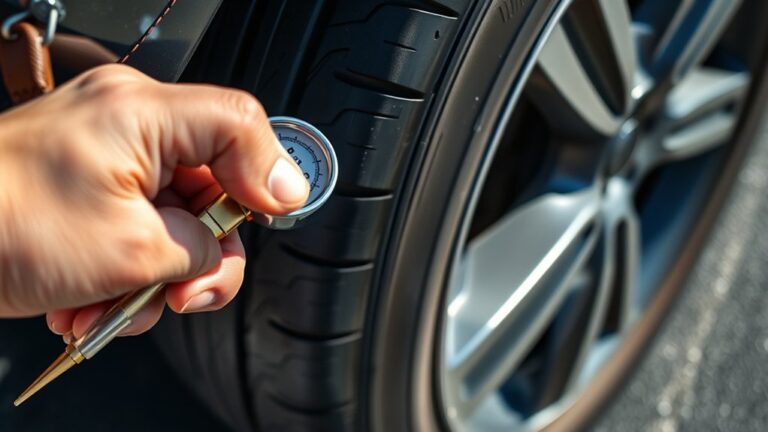
How can you tell when your brake pads need changing? You’ll notice brake pad wear by checking the thickness of the friction material; once it drops below 3mm, replacement is critical. Excessive wear causes inefficient rotor interaction, leading to uneven braking and potential rotor damage.
Brake pads below 3mm cause poor rotor contact, uneven braking, and risk serious damage. Replace promptly.
Listen for high-pitched squealing or grinding noises during braking. These indicate metal-to-metal contact due to worn pads.
You might also feel vibrations or pulsations in the brake pedal, signaling irregular rotor contact caused by compromised pads. Visually inspect the pads through the wheel spokes; thin, uneven pads confirm wear.
Ignoring these signs reduces braking efficiency and risks rotor warping, escalating repair costs. Staying vigilant ensures optimal rotor interaction and safe braking performance.
How Long Does It Take to Change Brake Pads?
When tackling brake pad replacement, you’ll typically spend between 30 to 60 minutes per axle, depending on your experience and tools. The process involves removing the wheel, accessing the caliper, compressing the piston, and swapping out the worn pads.
Your familiarity with the specific vehicle model and the condition of components can impact timing. High-quality pad materials may require careful handling but improve brake performance notably.
Efficient replacement ensures prime friction and heat dissipation, directly affecting stopping power and safety. Rushing can lead to improper installation, reducing brake reliability.
What Tools and Materials Do You Need to Change Brake Pads?
A successful brake pad replacement requires specific tools and materials to guarantee safety and efficiency. Ensuring tool compatibility with your vehicle model is essential to avoid damage and improper installation. You’ll need tools that allow you to meet the manufacturer’s torque specs accurately, preventing over- or under-tightening.
- Socket set and torque wrench Use a torque wrench calibrated for your vehicle’s torque specs to tighten bolts precisely. Ensure sockets match the bolt sizes for tool compatibility.
- Brake caliper tool or C-clamp This compresses the caliper piston smoothly without damaging components.
- Brake cleaner and lubricant Clean surfaces thoroughly and apply high-temperature brake grease to sliding parts to maintain proper function.
Having these ready streamlines the process and ensures a safe, reliable brake pad change.
How Does Experience Affect Brake Pad Replacement Time?
Why does experience matter in brake pad replacement time? When you’re skilled in brake maintenance, you streamline each step, reducing guesswork and delays. Experienced mechanics recognize subtle wear patterns and can quickly assess the right replacement strategy, saving time.
You also develop muscle memory for tool calibration, ensuring tools like torque wrenches and calipers are set correctly on the first try. This prevents rework from improper adjustments.
With practice, you minimize fumbling with components and efficiently handle unexpected issues, such as stuck calipers or seized bolts. Your familiarity with common braking system designs lets you anticipate challenges and prepare accordingly.
Ultimately, experience sharpens your workflow, cutting brake pad replacement time considerably while maintaining safety and quality standards.
Which Vehicles Take Longer to Change Brake Pads?
Experience helps you work faster, but vehicle design and complexity also impact brake pad replacement time. Some vehicles inherently take longer due to their brake system layout and components. Understanding which vehicles require more shop labor helps you plan accordingly.
1. Luxury and Performance Cars
These often have different brakes, including larger rotors or integrated sensors, increasing removal and installation time.
2. Trucks and SUVs
Heavier-duty brake systems with larger calipers and additional hardware require more effort and time from shop labor.
3. Older or Imported Models
Parts may be less accessible or require special tools, slowing the replacement process.
Recognizing these factors ensures you allocate sufficient time and resources for brake pad changes on complex vehicles.
Brake Pad Replacement: Step-by-Step Time Breakdown
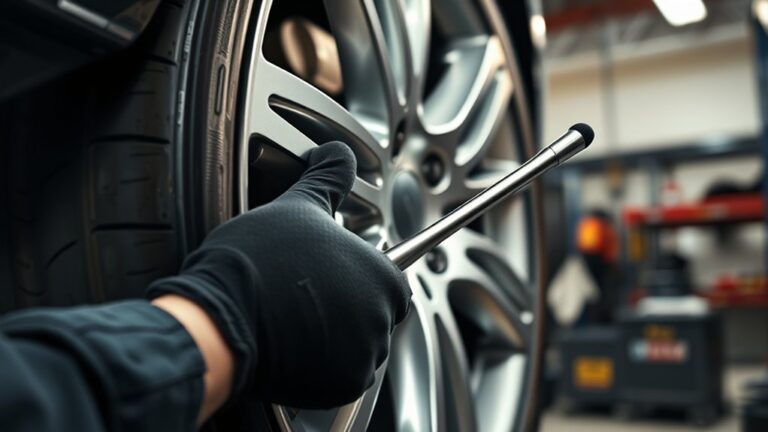
How long does each step in brake pad replacement typically take? First, you’ll spend about 5 minutes removing the wheel to access the brake assembly.
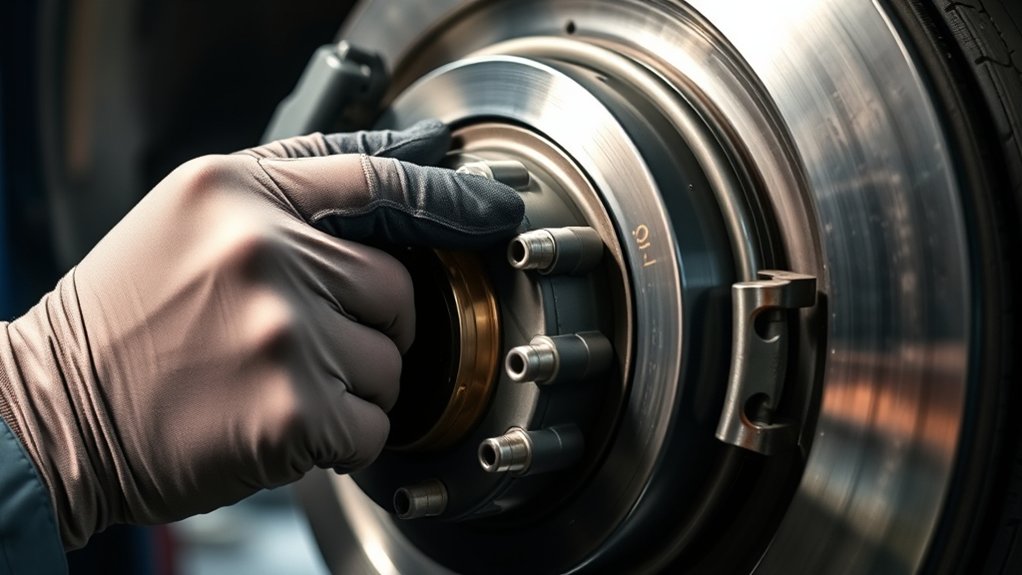
Next, inspecting brake pad wear and rotor condition takes roughly 3 to 5 minutes; this step is essential for deciding if rotors need resurfacing or replacement. Removing the caliper and old brake pads usually requires 10 minutes, depending on hardware condition.
Compressing the caliper piston to fit new pads takes another 3 to 5 minutes. Installing new brake pads and reassembling the caliper takes 8 to 10 minutes.
Finally, you’ll spend about 5 minutes reinstalling the wheel and lowering the vehicle. Overall, a straightforward brake pad replacement typically takes 30 to 40 minutes, assuming no unexpected rotor or hardware issues.
What Can Slow You Down When Changing Brake Pads?
What factors can unexpectedly extend the time it takes to change brake pads? Several technical challenges can slow your progress, turning a straightforward task into a drawn-out process.
Unexpected technical challenges can turn a simple brake pad change into a time-consuming task.
Avoid getting distracted by an irrelevant topic or random pairing of tools and parts, which can waste valuable time. Key delays include:
- Seized Caliper Bolts: Rust or corrosion can cause bolts to resist removal, requiring penetrating oil or extra force.
- Stuck Brake Pads: Pads may bind to the rotor, demanding careful leverage or special tools to free them without damage.
- Improper Tool Selection: Using the wrong tools wastes time and risks component damage, so ensure you have the correct, compatible equipment before starting.
Recognizing these factors helps you anticipate challenges and manage your time more effectively during brake pad replacement.
How Can You Speed Up Brake Pad Replacement Safely?
You can speed up brake pad replacement by organizing all necessary tools before starting the job. Stick to the manufacturer’s guidelines to avoid errors and rework. Always follow proper safety measures to protect yourself and insure a smooth process.
Prepare Tools In Advance
When preparing to replace brake pads, gathering all necessary tools beforehand can substantially reduce the time spent on the job. Adopting a preparation mindset and maintaining tool organization are key to efficient, safe work. Before you start, ensure you have the right tools in good condition.
- Basic hand tools: lug wrench, socket set, and a C-clamp or brake piston tool.
- Safety equipment: gloves, eye protection, and wheel chocks.
- Additional supplies: brake cleaner, anti-seize compound, and a torque wrench.
Organize these tools within easy reach and verify their functionality. This preparation mindset minimizes interruptions, allowing you to focus on precise, uninterrupted brake pad replacement without unnecessary delays or safety risks.
Follow Manufacturer Guidelines
How quickly can you safely replace brake pads without risking damage or injury? The key is strictly following manufacturer guidelines. These instructions provide precise torque values, brake pad specifications, and recommended procedures to avoid errors.
Avoid unrelated discussion or off-topic chat during replacement to maintain focus and efficiency.
| Step | Manufacturer Tip |
|---|---|
| Remove Wheel | Use correct lug nut torque |
| Detach Caliper | Follow specified bolt torque |
| Replace Pads | Use recommended pad type |
| Reassemble Caliper | Ensure proper piston position |
| Test Brakes | Perform manufacturer brake test |
Adhering to these details accelerates the process safely and prevents costly mistakes or injuries.
Ensure Proper Safety Measures
Why prioritize safety measures during brake pad replacement? Ensuring safety reminders and maintaining risk awareness help you avoid accidents and complete the job efficiently. Rushing without proper precautions increases injury risk, ultimately slowing you down.
To speed up replacement safely, follow these steps:
- Use proper protective gear: Wear gloves, safety glasses, and a dust mask to prevent injury and exposure to brake dust.
- Secure the vehicle: Use wheel chocks and a reliable jack stand to keep the car stable, preventing unexpected movement.
- Organize tools and parts: Keep everything within reach and follow manufacturer safety guidelines to minimize distractions and errors.
When Should You Let a Pro Change Your Brake Pads?
You should let a pro handle brake pad replacement if you notice signs requiring expert knowledge or if your vehicle has a complex brake system. Professionals guarantee repairs meet safety standards and maintain your warranty. When in doubt about system issues or safety, trusting a technician is the best choice.
Signs of Professional Expertise
When should you hand over brake pad replacement to a professional? If you struggle with a quick inspection or aren’t confident in tool selection, it’s time to consult an expert. Professionals demonstrate clear signs of expertise you should look for:
- Accurate Quick Inspection: They assess brake wear and rotor condition efficiently, identifying hidden issues.
- Proper Tool Selection: Experts use specialized tools tailored to your vehicle model, ensuring precise pad installation.
- Consistent Safety Protocols: Professionals follow strict safety measures, including torque specifications and brake system bleeding.
If any of these skills are missing in your approach, you risk improper installation, reduced brake performance, or damage. Trusting a pro guarantees reliability and peace of mind on the road.
Complex Brake System Issues
How can you tell if the brake system’s complexity exceeds a simple pad replacement? If your rotors show uneven rotor wear, deep grooves, or warping, a brake lathe is necessary to resurface them properly. Unless you have access to this specialized tool and the expertise to use it, attempting resurfacing yourself risks improper rotor thickness and compromised braking performance.
Additionally, vehicles with advanced braking systems, such as electronic parking brakes, integrated sensors, or ABS modules, require professional handling to avoid damaging sensitive components. If you encounter brake noises, pulsations, or warning lights that don’t resolve after pad replacement, it’s a clear sign to let a pro manage the repair.
Complex brake system issues demand precise diagnostics and tools, making professional intervention the safest and most reliable choice.
Safety and Warranty Considerations
Why risk your safety or void your vehicle’s warranty by changing brake pads yourself? Many safety myths suggest DIY brake jobs are straightforward, but improper installation can compromise braking efficiency and cause accidents. Additionally, self-servicing often triggers warranty loopholes that manufacturers use to deny coverage.
Consider these situations where a pro should handle brake pad replacement:
- Complex brake systems with integrated sensors or electronic controls.
- Vehicles under active warranty, where unauthorized repairs void coverage.
- Signs of brake fluid leaks or rotor damage requiring specialized tools and expertise.
Frequently Asked Questions
What Types of Brake Pads Are Best for Different Driving Conditions?
You’ll want ceramic brake pads for daily driving, as they’re quiet and durable.
For heavy-duty or performance use, go with metallic pads for better heat resistance.
Organic pads suit light, casual driving conditions best.
How Often Should Brake Pads Be Inspected for Wear?
You should inspect brake pads during every interval maintenance, typically every 10,000 to 15,000 miles. Regular checks help detect uneven wear patterns early, ensuring prime braking performance and preventing costly repairs.
Can Worn Brake Pads Damage Other Brake System Components?
Worn pads act like sandpaper on your brake system, rapidly eroding rotors and calipers. Ignoring brake pad lifespan forces you to contemplate worn pads alternatives to avoid costly damage and maintain precise, safe braking performance.
What Are the Signs of Brake Rotor Damage?
You’ll notice signs of rotor wear like vibrations when braking, scoring, or grooves during brake rotor inspection. Also, listen for squealing noises and check for excessive heat discoloration or uneven rotor surface, indicating damage needing replacement.
How Do Brake Pad Materials Affect Braking Performance?
Brake pad materials directly impact braking performance by affecting heat dissipation, friction levels, and wear rate.
You’ll notice organic pads offer quieter stops, while ceramic and metallic materials provide stronger, more consistent braking under stress.
Conclusion
Changing brake pads typically takes between 30 to 60 minutes, depending on your experience and vehicle type. Surprisingly, professional mechanics average about 45 minutes per axle, highlighting how efficiency improves with skill.
Remember, rushing can compromise safety, so focus on precision over speed. If your vehicle’s brake system is complex or you lack proper tools, it’s best to let a pro handle the job.
Proper timing and technique ensure reliable braking performance. Taking the right amount of time to change brake pads is essential for maintaining safe and effective brakes.