Is the Grand Highlander Bigger Than the Highlander
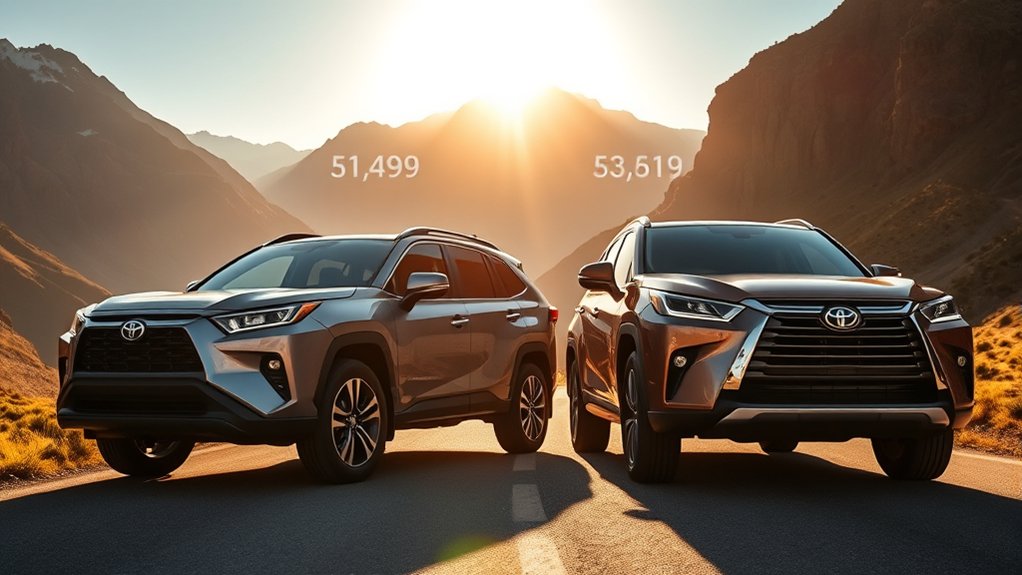
Yes, the Grand Highlander is bigger than the Highlander, featuring a longer wheelbase, increased length, and a slightly taller height while maintaining a similar width. This size difference gives the Grand Highlander more passenger legroom and the ability to seat up to eight people comfortably.
Additionally, the Grand Highlander offers substantially larger cargo space, especially behind the second row. However, the increased size does affect fuel efficiency and maneuverability.
Understanding these size differences helps you weigh the benefits of extra space and comfort against the potential trade-offs in efficiency and driving dynamics. If you want to explore further details, these factors are important to consider.
Key Takeaways
- The Grand Highlander has a longer wheelbase and overall length than the standard Highlander.
- Both models share similar width, but the Grand Highlander is slightly taller.
- Grand Highlander offers more interior space, seating up to eight compared to Highlander’s seven.
- Cargo space behind the second row is significantly larger in the Grand Highlander (48.4 vs. 27.7 cubic feet).
- The Grand Highlander’s increased size results in a heavier vehicle with higher fuel consumption.
Grand Highlander vs. Highlander: Size Comparison
How do the Grand Highlander and Highlander compare in size? When you look beyond the exterior dimensions, the Grand Highlander offers a noticeably roomier interior, designed to enhance passenger comfort and cargo capacity.
This isn’t just about space; the Grand Highlander also integrates a grand horsepower engine option, which provides a stronger performance compared to the standard Highlander. If you prioritize luxury branding, the Grand Highlander steps up with premium materials and advanced features, positioning it as a more upscale choice.
While both SUVs share Toyota’s reliability, the Grand Highlander aims to provide a more refined driving experience with its enhanced powertrain and interior space, making it a compelling option if you value both performance and a touch of luxury in your midsize SUV.
Exterior Dimensions: Which SUV Is Bigger?
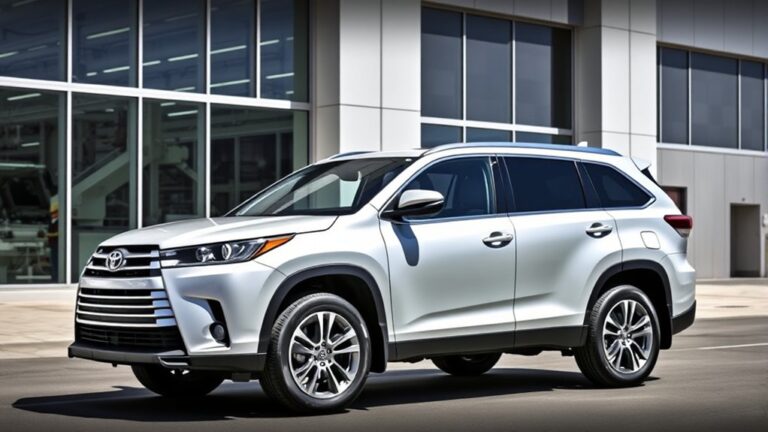
When comparing the exterior dimensions of the Grand Highlander and the Highlander, you’ll notice clear differences that impact both presence and practicality. The Grand Highlander exhibits grand proportions with a longer wheelbase and overall length, giving it a more commanding exterior stance on the road.
This extended size enhances cargo capacity and road stability. Meanwhile, the Highlander maintains a more compact footprint, which can be advantageous for urban driving and parking. While both SUVs share a similar width, the Grand Highlander’s height is slightly increased, reinforcing its robust profile.
In brief, if you prioritize a larger exterior stance and grand proportions for a more substantial presence, the Grand Highlander is the bigger SUV. Conversely, the Highlander offers a more maneuverable size without sacrificing style.
Interior Space: Passenger Comfort and Seating Capacity
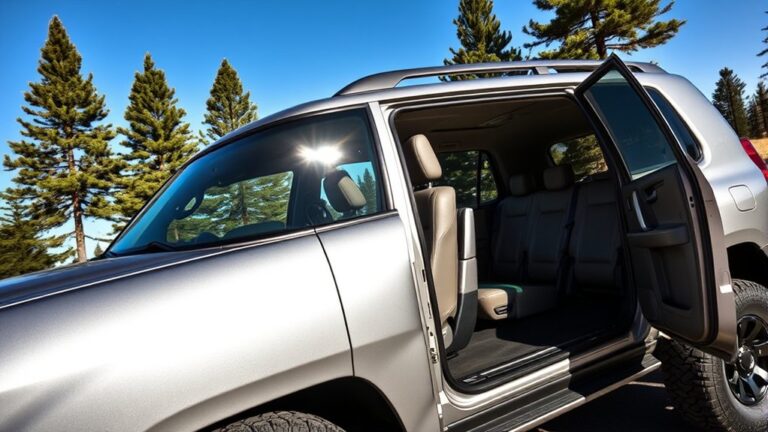
What sets the Grand Highlander apart inside is its enhanced passenger comfort and increased seating capacity. Compared to a typical cargo van or even a grand motorhome, it offers a more spacious cabin tailored for passenger use rather than cargo or luxury living. You’ll notice:
- Seating for up to eight, versus seven in the Highlander, providing more room for family or friends
- Increased legroom in the second and third rows, improving comfort on longer trips
- Thoughtful interior layout designed to maximize space without compromising ease of entry or exit
- Versatile seating configurations to adapt between passengers and cargo needs efficiently
This focus on interior space makes the Grand Highlander a practical choice if you prioritize passenger comfort alongside a larger capacity.
Cargo Space Differences: Grand Highlander vs. Highlander
Wondering how the cargo space compares between the Grand Highlander and the Highlander? The Grand Highlander offers more generous cargo dimensions, which can be crucial if you need extra room for luggage or gear.
While both models share similar grand horsepower figures, their cargo capacity sets them apart.
| Model | Cargo Space Behind 3rd Row | Cargo Space Behind 2nd Row |
|---|---|---|
| Grand Highlander | 16.2 cubic feet | 48.4 cubic feet |
| Highlander | 16.0 cubic feet | 27.7 cubic feet |
As you can see, the Grand Highlander provides substantially more space behind the second row, making it better suited for larger loads without compromising passenger comfort.
Design Changes Impacting Size and Interior Usability
How do design changes between the Grand Highlander and the Highlander affect their size and interior usability? The Grand Highlander’s design tweaks enhance its grand interior feel, offering more spaciousness without drastically increasing the exterior footprint. These changes focus on practical improvements you’ll notice daily.
Key design impacts include:
- Extended wheelbase that boosts legroom, especially in the third row
- Wider cabin enhancing shoulder space for passengers
- Redesigned seating layout improving comfort and accessibility
- Optimized cargo area with a high cargo floor for easier loading and better storage flexibility
These adjustments mean you get a more comfortable ride and a versatile interior, making the Grand Highlander feel roomier and more functional than the Highlander without compromising maneuverability.
How Size Differences Affect Driving and Handling
When navigating tight city streets or winding country roads, the size differences between the Grand Highlander and the Highlander become immediately noticeable. You’ll find the Grand Highlander’s larger frame demands more cautious maneuvering, especially in congested areas.
Its grand feisty nature means it feels more substantial but less nimble than the Highlander, which handles tighter turns with greater ease. On highways, the Grand Highlander can exhibit some quirks in responsiveness due to its size, requiring you to adjust speed and steering inputs carefully.
Conversely, the Highlander offers a more composed and agile experience, making it easier to navigate traffic flow and lane changes. Ultimately, your driving style will need to adapt based on these size-related handling differences to optimize control and comfort.
Safety Features Related to Vehicle Size
When comparing the Grand Highlander to the Highlander, you’ll notice that size plays a pivotal role in crash safety and maneuverability. A larger vehicle can offer better protection in collisions but may be harder to handle in tight spaces. Understanding these trade-offs helps you make a safer, more informed choice.
Impact on Crash Safety
Why does vehicle size matter in crash safety? The Grand Highlander’s larger frame generally offers better protection in collisions compared to the standard Highlander. When you choose a bigger SUV, you benefit from enhanced structural integrity and more space to absorb impact forces.
This doesn’t just improve safety but also complements the grand aesthetics and diverse color options that make the vehicle appealing.
Consider these safety advantages related to size:
- Increased crumple zones that absorb energy better
- Higher driving position for improved visibility
- More room for advanced airbag systems
- Enhanced frame rigidity reducing cabin intrusion
Size and Maneuverability
Beyond crash safety, the size of an SUV directly influences how easily you can maneuver it in various driving conditions. When comparing the Grand Highlander to the Highlander, the larger dimensions of the Grand Highlander may affect your ability to navigate tight city streets or parking lots.
While a bigger vehicle often enhances riding comfort due to increased interior space, it can also limit agility in congested areas. You’ll find showroom aesthetics reflect these size differences, with the Grand Highlander presenting a more commanding presence.
However, this size comes with trade-offs in maneuverability that you should consider based on your typical driving environment. Ultimately, balancing riding comfort and ease of handling depends on how much size impacts your daily driving needs.
Which Model Gives Larger Families More Value?
How do the Grand Highlander and the Highlander compare in delivering value to larger families? The Grand Highlander clearly targets those needing extra space without compromising comfort or style. It offers grand features that enhance usability, while the Highlander focuses on efficient, practical design with appealing interior cosmetics.
Consider these points when deciding which suits your family better:
- Seating capacity: Grand Highlander accommodates up to eight, Highlander seats seven.
- Cargo space: Grand Highlander provides more room for gear and groceries.
- Interior cosmetics: Both models offer quality finishes, but the Grand Highlander adds upscale touches.
- Technology and safety: Comparable across both, ensuring family protection and convenience.
Ultimately, the Grand Highlander offers more value if you prioritize space and upscale details.
How Bigger Size Affects Fuel Efficiency
When comparing the Grand Highlander to the Highlander, you might wonder how the larger size impacts fuel efficiency. The Grand Highlander’s increased dimensions and weight generally lead to higher grand fuel consumption compared to the standard Highlander.
Heavier vehicles require more energy to accelerate and maintain speed, which naturally affects mileage. However, efficient weight distribution in the Grand Highlander helps mitigate some fuel loss by optimizing handling and reducing unnecessary drag.
While the bigger size offers more space, it does demand more fuel, especially during city driving or stop-and-go traffic. Understanding this trade-off allows you to make a more informed decision if fuel economy is a priority alongside space and comfort.
Choosing Between the Grand Highlander and Highlander Based on Size Needs
What size do you really need in an SUV? Choosing between the Grand Highlander and Highlander depends on your specific space requirements and lifestyle. The Grand Highlander offers more room, ideal if you frequently carry passengers or cargo.
The Highlander suits those who prioritize maneuverability and slightly better fuel efficiency. Consider these factors:
- Passenger capacity: Grand Highlander seats up to eight; Highlander seats seven.
- Cargo space: Grand Highlander provides more trunk volume.
- Design aesthetics: Both models share Toyota’s style, but the Grand Highlander’s size impacts its presence.
- Price strategy: The Grand Highlander costs more, reflecting its larger size and features.
Evaluate your daily needs carefully to decide which model fits your size expectations and budget constraints best.
Frequently Asked Questions
What Are the Price Differences Between the Grand Highlander and Highlander?
You’ll find the Grand Highlander’s price is generally higher than the Highlander’s. When doing a price comparison, also consider maintenance costs, which might be slightly elevated for the Grand due to its larger size and features.
How Do Maintenance Costs Compare for the Grand Highlander and Highlander?
Think of maintenance costs as the engine’s heartbeat. Both Highlanders share similar service plans, warranty coverage, and intervals.
Despite price differences, their engine performance, infotainment features, and safety tech keep upkeep manageable without surprising power expenses.
Which Model Has Better Technology and Infotainment Features?
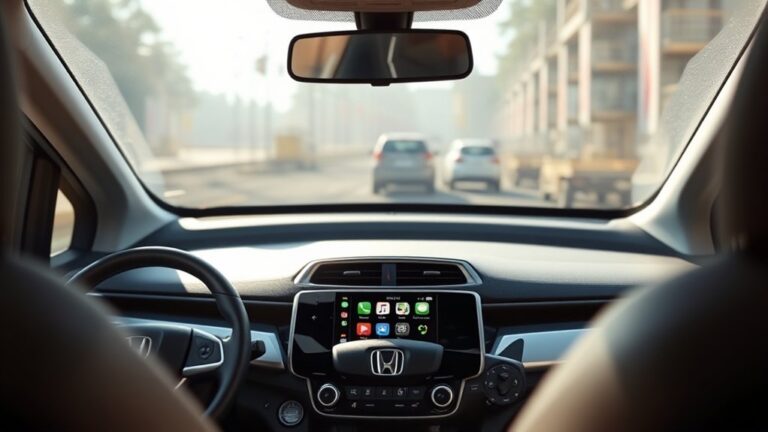
You’ll find the Grand Highlander offers enhanced technology and infotainment, so explore interior ergonomics closely and compare user interfaces. Its larger screen and additional features often provide a more advanced, user-friendly experience than the Highlander.
Are There Significant Differences in Engine Performance and Power?
You’d expect the Grand Highlander design to roar with power, but engine performance differences are subtle. Considering Highlander price and maintenance costs, you’ll find both models offer balanced power without shocking leaps in performance or expenses.
How Do Warranty and Service Plans Differ Between the Two Models?
You’ll find both models offer similar warranty coverage, including a basic warranty and powertrain warranty. However, service frequency may vary slightly, so you should review each plan carefully to match your maintenance needs and driving habits.
Conclusion
If you’re wondering whether the Grand Highlander is bigger than the Highlander, the answer is yes. The Grand Highlander offers more exterior length, increased interior space, and greater cargo capacity. This makes it a better fit for larger families or those needing extra room.
However, keep in mind the bigger size can affect fuel efficiency. Ultimately, choosing between them depends on how much space you truly need versus your priorities on fuel economy and maneuverability. When deciding, consider that the Grand Highlander is bigger than the Highlander and what that means for your lifestyle.