
What Does Service Tire Monitor System Mean
The Service Tire Monitor System warning means your vehicle has detected a malfunction or communication issue within the tire pressure monitoring system (TPMS). This warning indicates that tire data may be inaccurate, which could compromise safety and vehicle performance.
You’ll want to check tire pressures manually, inspect sensors, and possibly troubleshoot or reset the system promptly. Understanding this warning’s causes and steps to address it helps maintain safe driving conditions and tire health.
Learn how to manage these issues effectively next.
Key Takeaways
- Service Tire Monitor System warning signals a malfunction or communication issue in the tire pressure monitoring hardware or software.
- It indicates tire data may be inaccurate or sensors might be faulty, posing potential safety risks.
- Immediate attention is needed to ensure vehicle stability and accurate tire pressure readings.
- Diagnostic steps include scanning for error codes and inspecting TPMS components for faults.
- The warning alerts drivers to prevent unsafe driving due to misreported or undetected tire pressure problems.
What the Service Tire Monitor System Warning Means
What exactly does the Service Tire Monitor System warning mean when it appears on your dashboard? This alert signals a malfunction or communication issue in the tire monitoring hardware or software.
It’s not an unrelated topic like social dynamics but a critical operational notice demanding immediate attention to ensure safety. When this warning activates, the system may fail to accurately measure tire pressure or detect sensor faults.
You should avoid ignoring it, as compromised tire data can affect vehicle stability and performance. Diagnosing the problem typically requires scanning the system for error codes, checking sensor batteries, or inspecting wiring.
Understanding this warning helps you maintain your vehicle’s tire integrity, preventing potential hazards caused by undetected pressure abnormalities.
What Is the Tire Pressure Monitoring System (TPMS)?
How does your vehicle keep track of tire pressure to ensure safe driving? It uses the Tire Pressure Monitoring System (TPMS), a crucial safety feature that continuously monitors tire pressure and alerts you if it falls below the recommended level.
TPMS sensors, embedded in each tire, send real-time data to your vehicle’s onboard computer, helping prevent accidents caused by underinflated tires.
TPMS sensors relay real-time tire pressure data to your vehicle, enhancing safety by preventing underinflation-related accidents.
Key features of TPMS include:
- Direct measurement of tire pressure via sensors inside each tire
- Real-time alerts on the dashboard for pressure deviations
- Improved fuel efficiency and tire longevity
- Automated monitoring eliminating the need for unrelated topic checks or random discussion
How to Check Tire Pressure Manually
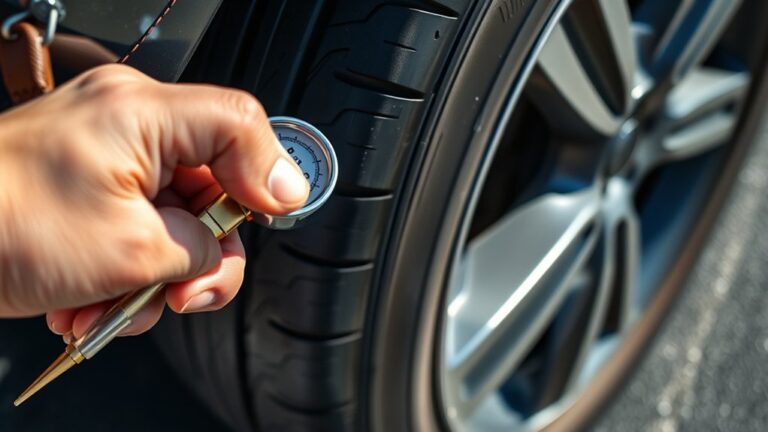
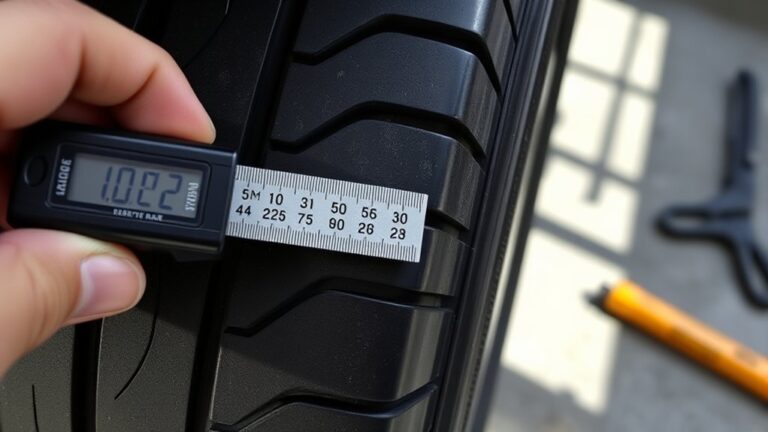
When should you manually check your tire pressure to ensure optimal performance? Regular checks are crucial, especially before long trips or after significant temperature changes. Proper tire inflation affects safety and sensor calibration. Use a reliable pressure gauge for accuracy.
Follow these steps:
- Remove the valve cap.
- Press the gauge firmly onto the valve stem.
- Read the pressure and compare it to the manufacturer’s recommended PSI.
| Step | Tool Needed | Purpose |
|---|---|---|
| Remove Valve | Hands | Access valve stem |
| Measure PSI | Pressure gauge | Check tire inflation |
| Adjust Pressure | Air compressor | Maintain optimal PSI |
Manually verifying tire pressure supports TPMS accuracy and prolongs tire lifespan.
Common Causes of the TPMS Warning
Why does the TPMS warning light activate on your dashboard? It signals issues with your tire pressure monitoring system, often indicating unsafe tire conditions or sensor malfunctions. Common causes include:
- Low tire pressure due to leaks or temperature changes
- Faulty or dead TPMS sensors, sometimes affected by poor tire recycling practices
- Sensor damage during tire replacement or improper installation
- Interference caused by misleading advertisements promoting non-compliant aftermarket sensors
Understanding these causes helps you address the warning promptly. Avoid ignoring the light, as it can compromise vehicle safety and tire wear.
Also, be cautious when purchasing replacement parts to prevent sensor incompatibility issues influenced by misleading advertisements or improper tire recycling methods. Proper maintenance ensures your TPMS functions accurately, keeping your driving safe and efficient.
How to Troubleshoot TPMS Sensor Problems
Although TPMS sensor issues can seem complex, you can systematically identify the root cause by following specific diagnostic steps. First, verify tire pressures manually to exclude sensor errors. Next, use a TPMS scan tool to check each sensor’s signal strength and ID; weak or missing signals often indicate sensor malfunction.
Inspect sensors and valve stems for physical damage or corrosion. Avoid off topic discussions or unrelated topic analysis that don’t directly address sensor diagnostics. Additionally, ensure the vehicle’s TPMS receiver is functioning properly, as faults here can mimic sensor problems.
Finally, clear error codes and perform a system relearn procedure to confirm resolution. By focusing strictly on these targeted steps, you’ll effectively troubleshoot TPMS sensor problems without distraction.
When and How to Replace TPMS Sensors or Batteries
You’ll know it’s time to replace your TPMS sensor if the system consistently shows errors or the battery life, typically 5 to 10 years, has expired. Replacing the sensor involves removing the tire, detaching the old sensor, installing a new one, and reprogramming it to your vehicle. Following this step-by-step process ensures accurate tire pressure monitoring and maintains system reliability.
Signs Sensor Needs Replacement
How can you tell when a TPMS sensor needs replacement? You’ll notice warning lights persist despite proper tire pressure or experience inconsistent readings. Sensor failure often results from battery depletion or physical damage. Ignoring these signs affects your vehicle’s safety and performance.
Look out for these indicators:
- TPMS warning light stays on after tire inflation
- Erratic tire pressure data causing uneven tire wear or tire squeal
- Frequent need for wheel alignment due to incorrect pressure alerts
- Physical sensor damage during tire service or impact
When these symptoms appear, replace the TPMS sensor promptly to maintain accurate monitoring and prevent further issues. Proper replacement ensures your tire pressure system functions reliably, safeguarding driving stability and efficiency.
Battery Life Expectancy
When should you replace your TPMS sensor or its battery to guarantee continuous tire pressure monitoring? Typically, TPMS batteries last 5-10 years, depending on usage and environmental factors.
You should replace sensors or batteries when you notice warning signals or if sensor communication weakens. Ignoring this can lead to inaccurate tire pressure data, causing safety risks.
| Factor | Battery Life Expectancy | Replacement Indicator |
|---|---|---|
| Usage Frequency | 5-7 years | Frequent warnings |
| Environmental Impact | 7-10 years | Sensor failure |
| Battery Type | Lithium, non-replaceable | Unrelated circles on display |
| Sensor Age | Over 10 years | Inconsistent readings |
| Manufacturer Advice | Varies | Topic ideas for maintenance |
Regular checks prevent unexpected failures and ensure sensor integrity.
Step-by-Step Replacement Process
Maintaining accurate tire pressure data depends on timely replacement of TPMS sensors or their batteries. When the system signals a fault, you should act promptly to avoid erroneous readings. Begin by removing the tire from the alloy wheels carefully. Then, follow these steps:
Deflate the tire and demount it from the rim in a garage bay equipped for safe handling. Access and remove the faulty TPMS sensor or depleted battery.
Install the new sensor or battery, ensuring correct orientation and secure attachment. Re-mount the tire, inflate to the recommended pressure, and perform sensor relearning or system reset via diagnostic tools.
This process ensures your vehicle maintains optimal tire monitoring performance and prevents false alerts from outdated components.
Why TPMS Communication Errors Occur
Why do TPMS communication errors happen? These errors occur when the tire pressure sensors fail to transmit accurate data to your vehicle’s central control module. Common causes include sensor battery depletion, signal interference from external devices, or damage to the sensor itself.
Additionally, software glitches or outdated system firmware can disrupt communication. It’s important to avoid unrelated topic or off topic discussion when troubleshooting, as focusing on precise system diagnostics helps you identify the root cause efficiently.
Environmental factors like extreme temperatures or physical obstructions may also impair signal transmission. By understanding these specific technical causes, you can better address why your TPMS alerts you with communication errors and avoid misdiagnosing the problem, ensuring your tire monitoring system operates reliably.
How to Reset the Tire Monitor Warning
After identifying and addressing any communication errors within your TPMS, you’ll need to reset the tire monitor warning to clear the alert from your dashboard. This step ensures your system accurately reflects current tire conditions, supporting non tyre safety measures. Follow these steps precisely:
Turn the ignition to the “On” position without starting the engine. Locate and press the TPMS reset button until the tire pressure light blinks three times. Drive the vehicle for at least 10 minutes at speeds above 30 mph for road testing and sensor recalibration. Verify the warning light extinguishes, confirming the reset was successful.
Performing this reset correctly maintains system integrity and prevents false alerts, essential for ongoing monitoring and safe driving.
Risks of Ignoring the Tire Monitor Warning
What happens if you ignore the tire monitor warning? Overlooking this alert can lead to uneven tire wear and compromised safety.
The Tire Pressure Monitoring System (TPMS) helps maintain ideal tire pressure, which directly affects tire rotation and wheel alignment. When tire pressure is off, your tires wear unevenly, reducing their lifespan and causing imbalance during rotation.
Misaligned wheels further exacerbate this wear, leading to poor handling and increased fuel consumption. Ignoring the warning increases the risk of tire blowouts or loss of vehicle control, especially at high speeds.
Additionally, prolonged improper tire pressure affects suspension components and braking efficiency. By addressing the warning promptly, you guarantee proper tire rotation intervals and maintain accurate wheel alignment, preserving vehicle performance and safety.
When to Visit a Mechanic for TPMS Issues
You should visit a mechanic if your TPMS warning light stays on or flashes intermittently, indicating potential sensor issues. Sudden or inconsistent tire pressure readings also require professional inspection to prevent unsafe driving conditions. Additionally, signs of sensor malfunction, such as delayed alerts or no alerts despite low pressure, warrant immediate diagnostic attention.
Warning Light Indicators
How can you tell when your Tire Pressure Monitoring System (TPMS) needs professional attention? Ignoring unrelated topics or irrelevant discussion about dashboard lights can lead you to miss critical warnings. Focus on specific TPMS warning light indicators that signal issues requiring mechanic intervention.
Look out for these signs:
- A steady TPMS warning light indicating low tire pressure or sensor failure
- A blinking TPMS light suggesting a system malfunction
- Multiple warning lights appearing simultaneously, which may signal electronic faults
- TPMS light staying on after tire inflation to the correct pressure
If any of these indicators occur, visit a mechanic promptly to diagnose and resolve the issue. Timely attention prevents unsafe driving conditions and further system damage.
Tire Pressure Fluctuations
Recognizing warning light indicators is only part of maintaining your Tire Pressure Monitoring System (TPMS). Tire pressure fluctuations can compromise fuel economy and road grip, signaling a need for professional inspection.
If you notice inconsistent tire pressure readings or frequent alerts, visit a mechanic promptly to prevent uneven tire wear and potential safety risks.
| Condition | Recommended Action |
|---|---|
| Sudden pressure drop | Immediate mechanic visit |
| Frequent low-pressure alert | Check valve stems and sensors |
| Tire pressures vary by tire | Inspect for slow leaks |
| Pressure drops at high speed | Sensor calibration needed |
| Persistent alerts despite correct pressure | Full TPMS diagnostic |
Timely intervention maintains optimal tire performance, ensuring safety and efficiency.
Sensor Malfunction Signs
When should you suspect a sensor malfunction in your Tire Pressure Monitoring System (TPMS)? If your vehicle displays persistent warnings despite correct tire pressure, it’s time to consider sensor issues.
Malfunctions often stem from improper sensor placement or failure in calibration techniques during tire service. Recognizing these signs helps you decide when to visit a mechanic for professional diagnosis.
Key sensor malfunction signs include:
- Inconsistent or no TPMS alerts despite pressure changes
- Warning light stays on after tire inflation or rotation
- Sudden loss of communication with one or more sensors
- Error codes during diagnostic scans related to sensor calibration
Addressing these issues promptly ensures your TPMS functions reliably, maintaining safety and tire longevity. Always rely on expert calibration techniques and proper sensor placement to avoid recurring malfunctions.
Frequently Asked Questions
How Does TPMS Affect Vehicle Fuel Efficiency?
You’ll improve fuel efficiency by maintaining tire pressure accuracy through TPMS fundamentals. Properly inflated tires reduce rolling resistance, so your engine works less, saving fuel and enhancing overall vehicle performance effectively and reliably.
Are TPMS Sensors Compatible Across Different Car Brands?
Imagine fitting puzzle pieces from different sets; TPMS compatibility isn’t universal. You’ll find brand-specific sensors designed for precise communication with your vehicle’s system, so mixing brands often leads to errors or non-functionality.
Can Extreme Weather Impact TPMS Sensor Accuracy?
Yes, extreme weather can impact your TPMS sensor accuracy by causing temperature fluctuations that affect tire pressure readings.
Cold can lower pressure, while heat can increase it, potentially triggering false alerts or sensor malfunctions.
Do All Vehicles Come Standard With TPMS?
Not all vehicles come standard with TPMS; while newer models often include it for tire pressure accuracy, some older or budget cars lack these systems.
Understanding TPMS basics helps you monitor tire health effectively.
How Much Does TPMS Sensor Replacement Typically Cost?
You’ll typically pay between $50 and $100 per TPMS sensor replacement, including labor. Proper tire maintenance ensures sensor accuracy, helping you avoid uneven wear and maintain optimal tire pressure for safety and efficiency.
Conclusion
When your Service Tire Monitor System warning lights up, imagine it as your car’s voice, alerting you to unseen pressure drops or sensor faults. Ignoring it is like driving blindfolded on a tightrope—risky and avoidable.
By regularly checking tire pressure and addressing sensor issues promptly, you ensure safety and performance. If the warning persists, consult a mechanic to prevent costly damage.
Taking these steps helps maintain optimal tire health for a smoother, safer ride. Always pay attention to the Service Tire Monitor System to keep your vehicle running safely and efficiently.