What Kind of Oil Filter for 2006 Honda Crv
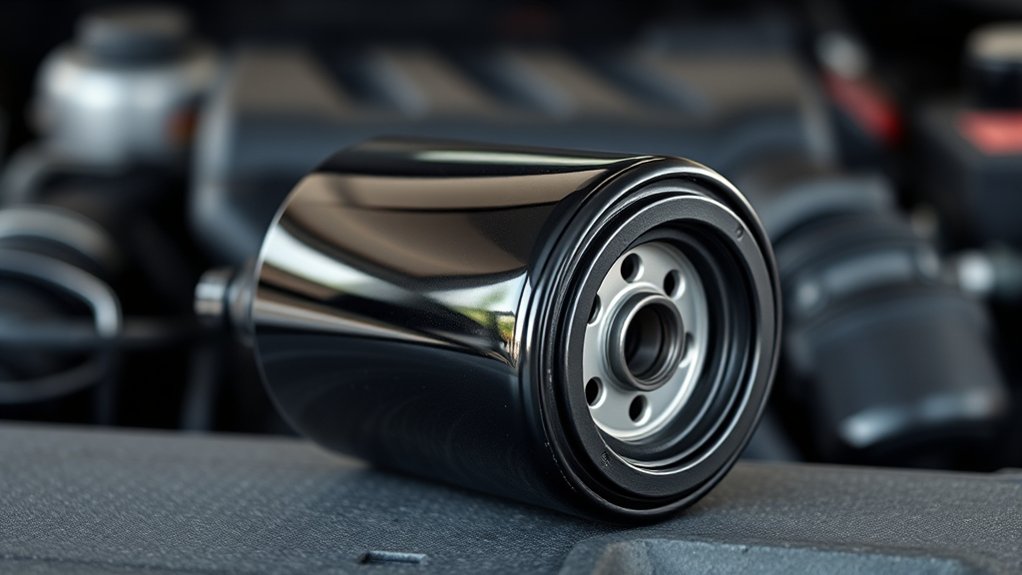
For your 2006 Honda CR-V, choosing the right kind of oil filter is essential. Opt for a genuine Honda oil filter, such as the OEM 15400-PLM-A02, or a high-quality aftermarket option that meets exact OEM specifications.
This ensures proper thread size, gasket sealing, and filtration efficiency, which are crucial for maintaining oil flow and protecting your engine from contaminants. Using the correct filter helps preserve engine longevity and prevents damage caused by impurities or improper oil pressure.
Understanding these details will help you optimize your vehicle’s performance and avoid common issues related to oil filtration.
Key Takeaways
- Use a genuine Honda oil filter like OEM part number 15400-PLM-A02 for perfect fit and OEM specification compliance.
- Choose high-quality aftermarket filters designed specifically for the 2006 CR-V that meet or exceed Honda’s filtration standards.
- Ensure the filter has correct thread size, gasket diameter, and height for proper sealing and installation without leaks.
- Opt for filters with high filtration efficiency (95%+), appropriate micron rating (20–30 microns), and durable synthetic media.
- Replace the oil filter with every oil change, lubricate the gasket before installation, and check for leaks after fitting.
What Oil Filter Fits the 2006 Honda CR-V?
Which oil filter fits your 2006 Honda CR-V? The correct choice is a genuine Honda oil filter or a high-quality aftermarket equivalent designed specifically for this model. Your CR-V’s engine requires a filter that matches OEM specifications to maintain optimal oil flow and filtration efficiency.
Avoid generic filters often paired with foreign batteries or unrelated automotive parts, as these may not meet precise standards. Using the wrong filter can compromise engine performance, similar to how worn tire tread affects vehicle safety.
You’ll want a filter with the appropriate thread size, sealing gasket, and filtration media to handle your engine’s oil pressure and contaminants. Always verify part numbers, such as Honda’s OEM filter number 15400-PLM-A02, to ensure compatibility and protect your CR-V’s engine longevity.
Why Does Choosing the Right Oil Filter Matter?
You need the right oil filter to protect your engine by efficiently removing contaminants that cause wear. It guarantees proper oil flow, maintaining optimal lubrication and preventing damage. Choosing a filter with high filtration quality directly impacts your Honda CR-V’s performance and longevity.
Engine Protection Importance
Selecting the right oil filter guarantees your Honda CR-V’s engine operates efficiently and remains protected from harmful contaminants. In car care, maintaining optimal engine lubrication is critical to prevent wear and tear caused by dirt, metal particles, and sludge.
A properly designed oil filter traps these impurities without restricting oil flow, ensuring the lubrication system functions as intended. If you use an inadequate filter, contaminants can circulate freely, accelerating engine degradation and reducing performance.
Choosing a filter that meets OEM specifications preserves your engine’s longevity by maintaining clean oil, which supports precise component movement and thermal regulation. Prioritizing engine protection through the correct oil filter is essential for sustaining your CR-V’s reliability and avoiding costly repairs linked to poor filtration and compromised lubrication.
Oil Flow Efficiency
Maintaining clean oil is only part of the equation; ensuring efficient oil flow through the filter is equally important for your Honda CR-V’s engine performance. The right oil filter maintains optimal oil clarity without restricting flow, preventing engine wear.
A poorly designed filter or a damaged filter cap can cause flow restrictions, leading to insufficient lubrication and overheating.
| Factor | Impact on Oil Flow |
|---|---|
| Filter Media Design | Balances filtration with flow rate |
| Filter Cap Integrity | Prevents leaks and ensures pressure |
| Oil Viscosity | Affects flow speed through filter |
Choosing a filter designed for your 2006 CR-V ensures consistent oil pressure and flow, protecting internal components and maintaining engine efficiency.
Contaminant Filtration Quality
Why does the quality of contaminant filtration matter for your 2006 Honda CR-V? Because effective filtration directly impacts engine longevity and performance by removing harmful particles from the oil.
Choosing the right oil filter ensures contaminants like metal shavings and soot don’t circulate, preventing wear and potential engine damage. Discussions focusing on unrelated topics or arbitrary debate about brand loyalty often distract from this critical aspect.
Instead, prioritize filters with proven micron ratings and high-efficiency media designed for your CR-V’s engine specifications. Poor filtration quality compromises oil cleanliness, accelerating component degradation.
OEM vs. Aftermarket Oil Filters: What’s the Difference?
When you’re selecting an oil filter for your 2006 Honda CR-V, understanding the key differences between OEM (Original Equipment Manufacturer) and aftermarket options is essential. OEM filters meet Honda’s exact specifications, ensuring reliable filtration, much like how hormonal cycles in pet nutrition require precise balance for optimal health.
Aftermarket filters vary widely in quality, which can impact engine performance and longevity.
Consider these factors:
- Fit and Compatibility: OEM guarantees perfect fit; aftermarket may need verification.
- Filtration Efficiency: OEM filters align with Honda’s standards; aftermarket ranges differ.
- Material Quality: OEM uses tested materials; aftermarket quality varies significantly.
- Cost vs. Reliability: OEM costs more but offers peace of mind; aftermarket can be budget-friendly but riskier.
Choosing wisely protects your engine’s health and performance.
Key Features of Oil Filters for Your Honda CR-V
When selecting an oil filter for your Honda CR-V, you need to consider filtration efficiency standards to ensure contaminants are effectively removed. Pay close attention to the material composition, as it directly impacts durability and performance under engine conditions. These features work together to protect your engine and maintain optimal oil flow.
Filtration Efficiency Standards
How effectively your Honda CR-V’s oil filter removes contaminants directly impacts engine performance and longevity. Filtration efficiency standards measure how well an oil filter captures particles that could damage engine components. You want a filter that meets or exceeds industry benchmarks like ISO 4548-12 for particle retention.
Consider these factors when evaluating filtration efficiency:
- Micron rating: lower means finer filtration, protecting your engine better.
- Dirt-holding capacity: prevents clogging between changes, like travel hacks keep trips smooth.
- Bypass valve performance: ensures oil flow if the filter clogs.
- Consistency: filters should maintain efficiency under various conditions, similar to reliable cooking tips ensuring results.
Choosing a filter with proven filtration efficiency safeguards your 2006 CR-V’s engine from wear and extends its service life.
Material Composition Benefits
Beyond filtration efficiency, the material composition of your Honda CR-V’s oil filter plays an essential role in its overall performance and durability. High-quality synthetic fibers provide superior contaminant capture, reducing engine noise by preventing abrasive particles from damaging engine components.
Metal end caps and center tubes enhance structural integrity, ensuring consistent fuel economy by maintaining optimal oil flow under pressure. Additionally, nitrile rubber gaskets offer reliable sealing, preventing leaks that could compromise engine performance.
| Material Component | Benefit | Impact on Your CR-V |
|---|---|---|
| Synthetic Fibers | High contaminant retention | Reduced engine noise |
| Metal End Caps | Structural durability | Maintains oil flow |
| Center Tubes | Support filter media | Ensures consistent fuel economy |
| Nitrile Gaskets | Leak resistance | Prevents oil loss |
Best Oil Filter Brands for the 2006 Honda CR-V
Which oil filter brand delivers optimal performance for your 2006 Honda CR-V? Choosing the right brand ensures efficient filtration, engine protection, and longevity. When navigating forums to gather insights, understanding navigation patterns and forum etiquette helps you filter credible recommendations quickly.
Here are four top oil filter brands known for their reliability and compatibility with your CR-V:
- Honda Genuine Precise fit, OEM quality, and trusted by enthusiasts.
- Bosch Advanced filtration media, excellent contaminant retention.
- FRAM Affordable, widely available, with solid performance.
- K&N High flow rate, durable construction, favored by performance drivers.
Selecting any of these brands guarantees your engine stays clean and runs smoothly under various conditions.
Understanding Oil Filter Specifications for Your CR-V
You need to guarantee the oil filter matches the exact size specifications for your 2006 CR-V to maintain proper fit and function. Pay close attention to the filter’s material and construction, as these affect durability and performance under engine conditions. Additionally, check the filtration efficiency ratings to confirm the filter effectively traps contaminants without restricting oil flow.
Filter Size Compatibility
How do you guarantee the oil filter fits perfectly in your 2006 Honda CR-V? You focus on filter size compatibility, a critical factor often confused with irrelevant topic or unrelated discussion about brand or price. To ensure a precise fit, consider these key aspects:
- Thread size: Confirm the filter’s threaded base matches your engine’s specifications.
- Gasket diameter: Ensure the rubber gasket seals properly to prevent leaks.
- Filter height: Check the filter height fits within the designated engine space.
- Filter diameter: Verify the outer diameter aligns with the mounting surface.
Matching these dimensions precisely avoids installation issues and engine damage. Ignoring size compatibility risks using an incompatible filter, which can cause oil pressure loss or leaks. Stick to manufacturer specs to maintain optimal engine performance.
Material and Construction
After confirming the correct filter size, the next step involves evaluating the material and construction of the oil filter. You’ll want a filter housing made from durable metal or high-grade synthetic materials to withstand pressure and temperature fluctuations, addressing safety concerns during engine operation.
The filter media usually consists of cellulose, synthetic fibers, or a blend, each affecting performance and disposal impact. Synthetic media often offer better durability and finer filtration but may increase environmental impact if not disposed of properly.
Additionally, look for features like anti-drainback valves and reinforced end caps, which enhance reliability and prevent oil starvation during startup. Choosing a filter constructed with these considerations ensures engine protection while minimizing risks related to safety and environmental harm throughout the oil change cycle.
Filtration Efficiency Ratings
What makes an oil filter truly effective for your 2006 Honda CR-V goes beyond just size and material. It lies in its filtration efficiency ratings. These ratings measure how well the filter removes contaminants, directly impacting engine performance and longevity.
Consider these key factors:
- Micron Rating: Indicates the smallest particle size the filter traps, often between 20-30 microns for your CR-V.
- Efficiency Percentage: Reflects the proportion of particles captured; aim for filters rated above 95%.
- Capacity: Shows how much debris the filter can hold before restricting oil flow.
- Bypass Valve Rating: Ensures oil circulation even if the filter clogs under extreme weather patterns.
Here’s some random trivia: oil filters with superior ratings can adapt better to unexpected changes, much like how weather patterns affect your daily drive.
Signs You Need to Replace Your Oil Filter
Why should you pay close attention to your oil filter’s condition? Because it plays a critical role in maintaining your 2006 Honda CR-V’s engine design integrity by trapping contaminants that can damage engine components. Inadequate filtration can lead to increased engine wear and reduced performance.
Signs you need to replace your oil filter include a noticeable drop in engine power, unusual engine noises, or a check engine light related to oil pressure. Additionally, if your oil appears dirty shortly after a change, it indicates the filter isn’t effectively removing debris.
Regular car care routines should include monitoring these symptoms to prevent costly engine damage. Addressing oil filter issues promptly ensures optimal lubrication and protects your engine’s longevity.
How Often to Change Your 2006 CR-V Oil Filter
Although your 2006 Honda CR-V’s oil filter works continuously to trap contaminants, you should replace it at regular intervals to maintain engine efficiency. Changing the oil filter during every oil change ensures optimal engine protection and performance. Follow these guidelines:
- Replace the oil filter every 3,000 to 5,000 miles if using conventional oil.
- For synthetic oil, extend oil filter replacement to every 7,500 to 10,000 miles.
- Consider more frequent changes if you drive in severe conditions like extreme temperatures or dusty environments.
- Always change the oil filter when performing a complete oil change to avoid contaminant buildup.
Sticking to these intervals prevents clogging, reduces engine wear, and maintains oil flow, ensuring your 2006 CR-V runs smoothly.
How to Install an Oil Filter on Your 2006 CR-V
Regularly installing a new oil filter on your 2006 Honda CR-V is essential for maintaining engine health and performance. Begin by draining the engine oil, then locate the oil filter beneath the engine.
Use a compatible oil filter wrench to loosen the old filter, ensuring tool compatibility to avoid damage. Compare techniques: hand-tightening the new filter versus using a wrench; hand-tightening is preferred to prevent overtightening.
Before installation, lubricate the new filter’s rubber gasket with fresh oil to ensure a proper seal. Screw the new filter on by hand until the gasket contacts the mounting surface, then tighten an additional three-quarters turn.
Finally, refill the engine with the correct oil and check for leaks. Precise adherence to these steps guarantees optimal filter installation and engine protection.
How to Avoid Common Oil Filter Mistakes
How can you guarantee a flawless oil filter change on your 2006 Honda CR-V? Avoiding common mistakes is key to preventing oil leaks and ensuring optimal engine performance. Start by conducting a thorough filter comparison to select the correct OEM or high-quality aftermarket filter.
Follow these critical steps:
- Tighten the filter to the manufacturer’s torque specs to prevent leaks without damaging the seal.
- Lubricate the new filter’s rubber gasket with clean oil for a proper seal.
- Remove all debris from the mounting surface before installation to avoid uneven sealing.
- Double-check the filter model matches your vehicle to ensure compatibility and avoid filtration issues.
Tips for Maintaining Your 2006 Honda CR-V’s Oil Filter
To maintain your 2006 Honda CR-V’s oil filter effectively, you must adhere to a consistent inspection and replacement schedule aligned with your vehicle’s mileage and operating conditions. Check the filter every 3,000 to 5,000 miles or as recommended in the owner’s manual.
Use genuine or high-quality aftermarket filters designed specifically for your CR-V to ensure compatibility and optimal filtration. Avoid distractions by focusing exclusively on the oil filter maintenance without veering into irrelevant topics or unrelated discussions about unrelated vehicle parts.
When replacing the filter, apply a light coat of oil on the gasket to ensure a proper seal and prevent leaks. Always tighten the filter to the manufacturer’s torque specifications. Regular maintenance prevents engine wear and prolongs oil life efficiently.
Frequently Asked Questions
Can I Use a Universal Oil Filter on My 2006 Honda CR-V?
You can use a universal filter on your 2006 Honda CR-V, but watch for compatibility concerns like size, thread pitch, and sealing surface. Always verify specifications to ensure proper fit and avoid engine damage or leaks.
Does Oil Filter Size Affect Engine Performance?
Like choosing the right key for a lock, oil filter sizing directly affects engine performance impact. Incorrect sizing can restrict oil flow or allow contaminants, reducing efficiency and risking engine damage. Always match specs precisely.
What Tools Do I Need to Remove a Stuck Oil Filter?
You’ll need a strap wrench, oil filter pliers, or a socket-type removal tool for a stuck filter. These removal tools provide grip without damage, letting you apply torque precisely to loosen and remove the stuck filter efficiently.
Can a Clogged Oil Filter Cause Engine Overheating?
Sure, a clogged oil filter can cause engine overheating. It restricts oil flow, reducing cooling and lubrication, which raises engine temperature and risks serious damage.
Is It Safe to Reuse an Old Oil Filter Gasket?
You shouldn’t reuse an old oil filter gasket because it can compress unevenly, causing leaks.
Always replace the gasket with a new one to guarantee a proper seal and avoid engine damage from oil leaks.
Conclusion
So, don’t let your 2006 Honda CR-V drink dirty oil like it’s a cheap cocktail. Choosing the right oil filter is like picking the perfect bouncer for your engine’s VIP party—only the best keep the riffraff out.
Skip the guesswork between OEM and aftermarket, install it right, and change it on schedule. Your CR-V deserves precision, not a filter fiasco.
Keep it clean, keep it running—because sludge is nobody’s friend. When it comes to maintaining your ride, selecting the right kind of oil filter for 2006 Honda CR-V is key to engine health and longevity.