What Torque for Spark Plugs
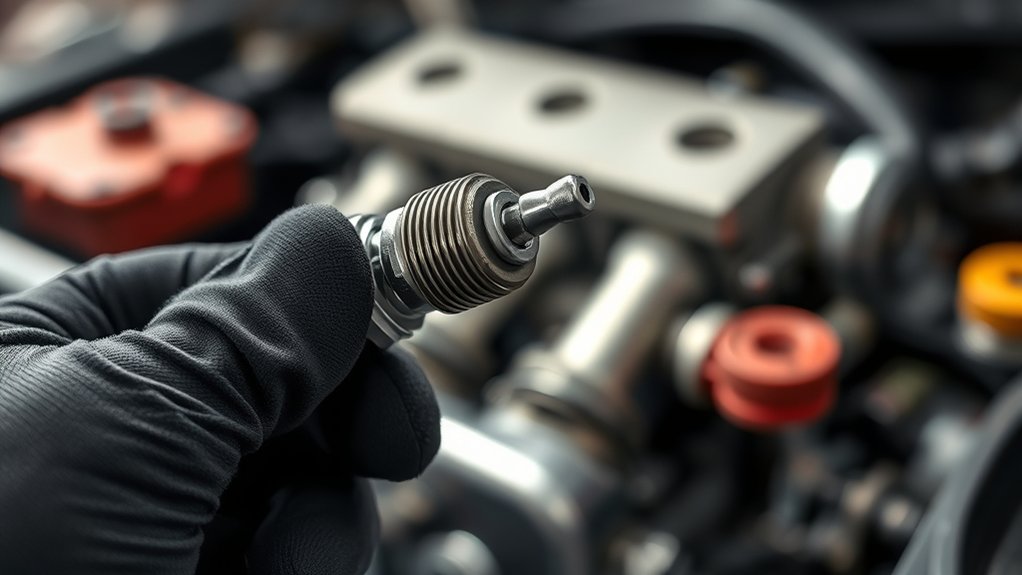
You need to apply the exact torque for spark plugs as specified by the manufacturer to guarantee a proper seal and the best possible heat transfer. Over-tightening risks stripping threads or cracking the insulator, while under-tightening can cause poor heat dissipation, compression leaks, and misfires.
Use a calibrated torque wrench and follow the specs precisely to avoid engine damage and maintain reliability. Understanding the correct torque and tightening techniques is essential for preventing costly failures and ensuring peak engine performance.
Key Takeaways
- Proper spark plug torque ensures an optimal seal and prevents combustion leaks or misfires.
- Manufacturer torque specs, often in owner’s manuals or OEM service guides, provide exact tightening values.
- Use a calibrated torque wrench and apply steady force until the specified torque is reached, then stop immediately.
- Over-tightening risks thread stripping and insulator cracking, while under-tightening causes poor heat transfer and overheating.
- Document torque values during installation to detect loosening or overtightening for consistent engine performance.
Why Correct Spark Plug Torque Matters and What Can Go Wrong
Why does correct spark plug torque matter so much? You need precise torque calibration to ensure the spark plug seats properly, creating an optimal seal between the plug and cylinder head.
Over-tightening risks stripping threads or cracking the plug insulator, especially if thread lubrication isn’t applied correctly. This can distort torque readings and cause uneven clamping force.
Under-tightening, on the other hand, leads to poor heat transfer and potential combustion gas leaks, reducing engine efficiency and risking plug loosening.
Proper torque ensures consistent thermal conductivity and mechanical stability. Ignoring these factors can cause engine misfires, damaged cylinder heads, or even catastrophic failures.
How to Find the Right Spark Plug Torque Specs for Your Vehicle
You’ll need to consult your vehicle’s manufacturer torque specifications to ensure proper spark plug installation. Using a calibrated torque wrench allows you to apply the exact torque required, preventing damage or improper sealing. Incorrect torque can lead to engine misfires or thread damage, so precision is critical.
Manufacturer Torque Specifications
Where can you find the exact torque specifications for your spark plugs? You rely on manufacturer torque specifications, which provide precise tightening presets essential for engine performance and durability. To locate these specs, follow these steps:
- Consult the vehicle’s owner’s manual; it often includes torque charts specific to your engine model.
- Visit the manufacturer’s official website for downloadable technical sheets or service manuals.
- Use OEM service manuals, which detail exact torque values and installation procedures.
- Refer to trusted automotive databases or repair guides that compile verified torque charts.
Adhering strictly to these manufacturer torque specifications ensures you avoid under- or over-tightening, preventing potential thread damage or poor spark plug performance. Always prioritize manufacturer data over generic recommendations.
Using a Torque Wrench
Once you have the exact torque specifications from the manufacturer, using a torque wrench correctly becomes the next step to guarantee proper spark plug installation. Select a calibrated torque wrench capable of precise measurement within the specified range.
Avoid torque conversion errors by verifying units, Newton-meters versus foot-pounds, and adjust settings accordingly. Position the wrench squarely on the spark plug to prevent uneven force application, which could cause irreversible damage to the threads or gasket.
Apply steady, controlled force until the wrench signals the target torque, then stop immediately. Over-tightening or under-tightening compromises the spark plug’s performance and longevity.
Effects of Incorrect Torque
Why does applying the correct torque to your spark plugs matter so much? Incorrect torque can severely impact engine performance and longevity. Over-tightening risks damaging the spark plug threads, leading to costly repairs, while under-tightening causes poor sealing and misfires.
Avoid diving into unrelated topics or irrelevant discussions that don’t address these critical issues. Focus on these four key effects of incorrect torque:
- Thread damage causing cylinder head repairs.
- Compression leaks reducing engine efficiency.
- Spark plug loosening leading to misfires.
- Potential overheating damaging the electrode.
The Best Tools for Tightening Spark Plugs Accurately
To tighten spark plugs accurately, you’ll need a reliable torque wrench calibrated for precise settings. Choose a spark plug socket designed with a rubber insert or magnetic feature to prevent damage and hold the plug securely. Understanding these tool characteristics ensures you apply the correct torque without risking thread damage or improper seating.
Torque Wrench Types
Which torque wrench type suits your spark plug installation best depends on accuracy, ease of use, and application specifics. You must match torque wrench types to the spark plug heat range to avoid under- or over-tightening, which can affect engine performance.
Consider these options:
- Click-type torque wrench: Offers precise, audible feedback at set torque values, ideal for consistent spark plug torque matching.
- Beam torque wrench: Simpler and cost-effective, but requires careful visual monitoring to align torque with spark plug specifications.
- Digital torque wrench: Provides high accuracy and digital readouts, allowing for exact torque adjustments based on spark plug heat range.
- Dial torque wrench: Combines accuracy with real-time torque measurement, suitable for varied spark plug heat ranges in complex engines.
Choose based on required precision and user familiarity to optimize spark plug installation.
Spark Plug Socket Features
How do you guarantee accurate spark plug installation beyond selecting the right torque wrench? You need a specialized spark plug socket designed to enhance torque accuracy and torque reliability. These sockets typically feature a rubber insert or a magnetic core that secures the spark plugs firmly, preventing damage to the porcelain insulator during tightening.
Their hex size matches spark plugs precisely, minimizing slippage and ensuring consistent engagement. Additionally, a deep-well design accommodates the length of the spark plugs, allowing you to apply torque evenly along the threaded section.
How to Torque Spark Plugs Properly: A Step-by-Step Guide
Why does proper torque matter when installing spark plugs? Over- or under-tightening can cause damage or poor engine performance, so it’s not an irrelevant topic or tangential idea. You must get it right. Follow these steps precisely:
- Clean the spark plug threads and cylinder head to remove debris.
- Hand-tighten the spark plug until it seats firmly to avoid cross-threading.
- Use a calibrated torque wrench set to the manufacturer’s specified torque value.
- Apply torque steadily until the wrench clicks or indicates the set torque.
This method ensures optimal compression sealing and heat transfer. Avoid guessing torque, as it risks damaging the spark plug or cylinder head, leading to costly repairs and inefficient combustion.
Common Spark Plug Torque Mistakes to Avoid
Accurately applying the correct torque is only part of the process; avoiding common errors during installation is equally important to maintain engine integrity. One frequent mistake is confusing torque specifications across different engines. This is not just an irrelevant topic but a critical precision issue.
Another error is neglecting to clean spark plug threads beforehand, which can cause inaccurate torque readings. Avoid treating torque adjustment as an unrelated concept separate from the overall installation procedure; they are interdependent.
Over-tightening can strip threads or damage the plug, while under-tightening risks poor sealing and combustion inefficiency. Lastly, relying solely on guesswork or improper tools leads to inconsistent torque application.
Focus strictly on manufacturer guidelines and use calibrated torque wrenches to prevent these avoidable mistakes.
Tips for Checking and Maintaining Spark Plug Torque Over Time
When should you check the torque on your spark plugs to guarantee consistent engine performance? Regular checks are essential, especially after initial installation and periodic maintenance. Avoid getting sidetracked by irrelevant topic or irrelevant discussion that doesn’t directly affect torque accuracy. Focus on these essential steps:
- Use a calibrated torque wrench to measure torque precisely.
- Schedule torque inspections based on your vehicle’s maintenance manual, typically every 30,000 miles.
- Document torque values and compare them to recommended specifications to detect loosening or overtightening early.
- Re-torque spark plugs when replacing the cylinder head or during major engine services.
What Happens If You Over- or Under-Tighten Spark Plugs?
How much damage can over- or under-tightening spark plugs cause to your engine? Over-tightening can strip threads in the cylinder head or fracture the spark plug’s insulator, compromising the seal and causing misfires or compression loss.
Under-tightening, on the other hand, risks poor heat transfer, leading to overheating and pre-ignition. Both extremes degrade engine performance and longevity.
Focusing on relevant two word discussion ideas like “thread damage” and “heat dissipation” helps avoid irrelevant topics such as general engine maintenance or unrelated components. Precise torque application ensures ideal spark plug function and engine reliability.
Frequently Asked Questions
Can Spark Plug Torque Affect Engine Fuel Efficiency?
Yes, incorrect spark plug torque can disrupt engine timing, leading to incomplete combustion and reduced fuel economy.
You should always apply the specified torque to maintain optimal engine performance and maximize fuel efficiency.
Do Different Spark Plug Materials Require Different Torque Settings?
Think of spark plug materials as different keys; each fits its lock uniquely. You’ll adjust torque wrenches precisely, considering spark plug sizing and material, ensuring optimal seal and performance without risking damage or inefficiency.
How Does Altitude Impact Spark Plug Torque Requirements?
You don’t need to adjust spark plug torque for altitude considerations, but you should ensure proper thread sealing to prevent leaks.
Altitude affects combustion, not torque, so follow manufacturer specs precisely for optimal performance and safety.
Can Spark Plug Torque Influence Engine Emissions?
Yes, improper spark plug installation torque can alter combustion efficiency, increasing emissions. Over-torquing affects engine cooling by stressing components, while under-torquing causes misfires.
Both conditions elevate pollutants and reduce overall engine performance.
Are Torque Specs Different for Iridium Versus Platinum Spark Plugs?
Of course, iridium vs. platinum spark plugs demand the same torque. You’d think heat buildup cares about metals! Still, precise torque ensures proper sealing and heat dissipation, so always follow your manufacturer’s specs for optimal engine performance.
Conclusion
Getting your spark plug torque right isn’t just a minor detail—it’s the difference between smooth engine performance and a mechanical disaster waiting to happen. You don’t want to risk stripping threads or causing misfires by guessing torque specs. Always use the proper tools and follow your vehicle’s exact guidelines.
Over- or under-tightening can lead to costly repairs, so treat torque like your engine’s heartbeat—precise, critical, and absolutely non-negotiable. When it comes to what torque for spark plugs is needed, accuracy is key to maintaining engine health and avoiding damage.