What Year Highlander to Avoid
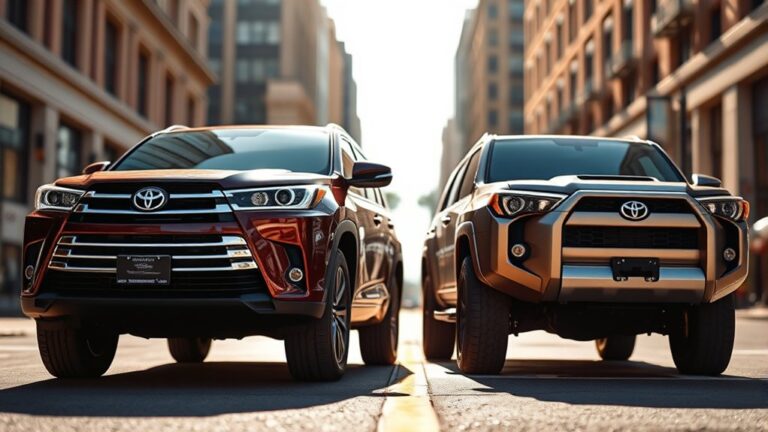
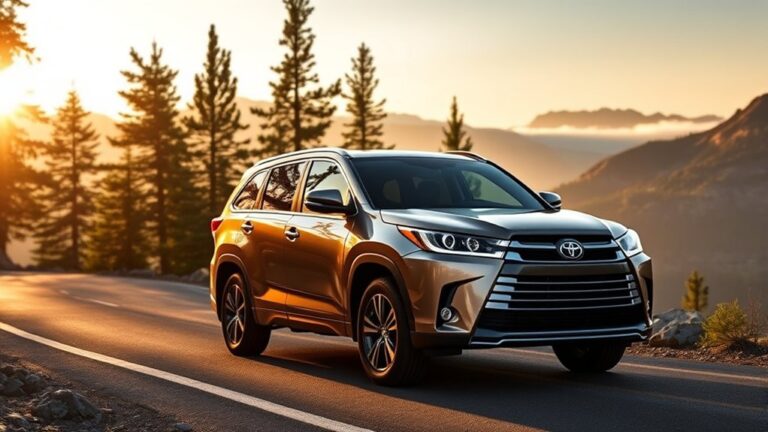
You should avoid Toyota Highlanders from 2001 to 2003 and 2011 to 2013 due to known engine failures, excessive oil consumption, and transmission issues that can lead to costly repairs. These years also have recurring electrical problems and multiple recalls affecting safety components.
Early models lack modern features and fuel efficiency, while later problematic years risk higher maintenance costs. Understanding these risks and how reliability varies by generation can help you make a smarter, safer choice when shopping for a used Highlander.
Key Takeaways
- Avoid 2001 to 2003 Highlander models due to frequent engine failures and outdated features.
- Steer clear of 2011 to 2013 models, which often suffer from excessive oil consumption and timing chain issues.
- Be cautious with transmission problems in certain years causing rough shifts and premature gear wear.
- Electrical system issues are common in 2004, 2006, 2008, 2010, and 2013 model years.
- Check for recalls related to airbags, brakes, transmission, and electrical defects, especially in 2008, 2014, 2017, and 2020 models.
The Worst Toyota Highlander Model Years to Avoid
Which Toyota Highlander model years should you steer clear of? Generally, the 2001 to 2003 models are less favorable due to outdated interior design and below-average fuel economy compared to newer versions. These early models lack modern styling and convenience features that improve comfort and usability.
Additionally, their fuel economy ratings don’t meet current standards, leading to higher running costs. While later models, starting around 2008, show significant improvements in both interior refinement and fuel efficiency, you might want to avoid the earliest years if these factors are important to you.
Choosing a Highlander from more recent years ensures better design, enhanced comfort, and improved fuel economy, making your driving experience more enjoyable and economical overall.
Common Problems in Problematic Toyota Highlander Years
You’ll want to watch out for engine troubles and failures that have affected certain Highlander years, as they can lead to costly repairs. Transmission issues are also common, causing rough shifts or complete malfunctions in some models. Additionally, electrical system malfunctions may disrupt vehicle functions, so it’s important to know which years are most prone to these problems.
Engine Troubles And Failures
Why do some Toyota Highlander models face persistent engine troubles? It often boils down to specific model years where manufacturing flaws or design shortcomings led to issues like excessive oil consumption, head gasket failures, or timing chain problems.
You might encounter hot takes from brand snobs defending every Highlander year, but it’s essential to acknowledge documented engine failures in certain models, especially early 2000s versions and some 2011-2013 builds. These problems can cause costly repairs and reliability concerns.
When considering a Highlander, you should research the engine’s history thoroughly, focusing on recalls and common complaints. Avoiding years with known engine troubles can save you from unexpected breakdowns and expensive fixes, ensuring you get the dependable performance Toyota aims to deliver.
Transmission Issues Overview
How can transmission issues impact your experience with certain Toyota Highlander models? Transmission problems can significantly affect your vehicle’s performance and reliability. You might notice delayed shifting, slipping gears, or unusual noises, all signs of compromised transmission longevity.
In some model years, premature gear wear has been reported, leading to costly repairs or replacements. These issues often stem from design flaws or inadequate maintenance recommendations. If you’re considering a used Highlander, it’s crucial to research specific years prone to transmission troubles.
Paying attention to transmission fluid condition and regular service can help extend transmission longevity, but some years are more susceptible to gear wear regardless. Understanding these concerns helps you make an informed choice and avoid unexpected expenses down the road.
Electrical System Malfunctions
Although Toyota Highlanders are generally reliable, certain model years have experienced notable electrical system malfunctions that can disrupt your driving experience. You might face issues such as dashboard warning lights flickering, power window failures, or intermittent starting problems. Many of these stem from compromised electrical reliability linked to faulty wiring harness designs or wear over time.
| Model Year | Common Electrical Issues |
|---|---|
| 2004 | Wiring harness degradation |
| 2006 | Dashboard instrument failures |
| 2008 | Power window malfunctions |
| 2010 | Intermittent starting issues |
| 2013 | Faulty electrical connectors |
Being aware of these helps you anticipate potential repairs and evaluate a Highlander’s condition more accurately before purchasing.
What Toyota Recalls Reveal About Problem Years
You’ll want to pay close attention to the years with major Toyota Highlander recalls, as they often highlight recurring defect patterns. These recalls reveal specific issues, like airbag malfunctions or fuel system problems, that affected certain model years more frequently. Understanding these trends helps you identify which Highlanders to approach with caution.
Major Recall Years
Since recalls highlight manufacturing or design issues, examining Toyota’s major Highlander recall years can help you identify which model years to approach with caution. Understanding the recall history also prepares you for potential parts shortages that might affect repairs.
Here are four key recall years to note:
- 2008 – Multiple recalls due to faulty airbags and steering issues.
- 2014 – Significant brake system recalls impacting safety.
- 2017 – Transmission problems prompted large-scale recalls.
- 2020 – Electrical system defects led to recalls affecting engine performance.
These years experienced notable defects triggering recalls, which might result in delays or difficulty sourcing replacement parts. Being aware of these helps you make an informed decision when considering a used Highlander, ensuring you avoid models prone to costly repairs or ongoing maintenance hassles.
Common Defect Patterns
What do Toyota’s recall patterns tell you about recurring issues in certain Highlander model years? They reveal common defect patterns like faulty airbags, transmission problems, and electrical glitches.
For example, some model years repeatedly faced airbag inflator defects, leading to widespread recalls. Transmission malfunctions often involved rough shifting or failure, affecting drivability. Electrical issues ranged from faulty wiring to sensor failures, impacting safety features.
These two word discussion ideas help you focus on specific problem areas to watch for. As consumer tips, always check recall histories before buying and verify if repairs were completed.
Understanding these patterns helps you avoid costly repairs and safety risks, making your Highlander ownership smoother and more reliable.
Owner Reports on Trouble Spots in Highlander Models
Where do Highlander owners commonly encounter issues? Understanding these trouble spots can help you anticipate repairs and maintain fluent maintenance, ultimately protecting your resale value. Owners often report problems in these areas:
1. Transmission glitches
Shifting delays and rough transitions are frequent in specific model years.
Transmission issues like shifting delays and rough gear changes are common in certain Highlander model years.
2. Oil consumption
Some engines consume oil faster than expected, requiring closer monitoring.
3. Suspension wear
Premature wear on struts and bushings affects ride comfort and handling.
4. Electrical faults
Issues with sensors, infotainment systems, and wiring have been noted.
Why Some Toyota Highlander Years Cost More to Repair
Recognizing common trouble spots in Highlander models gives you a clearer picture of potential repair needs, but it’s equally important to understand why some model years might hit your wallet harder than others. Certain years feature more complex mechanical components or updated technologies that, while improving performance or fuel economy, can increase SUV maintenance costs.
For example, newer engines with advanced fuel-saving systems may require specialized parts or labor, driving up repair expenses. Additionally, some Highlander generations introduced features prone to wear, like electronically controlled transmissions or hybrid components, which can be costly to fix.
When you consider SUV maintenance costs, it’s wise to balance fuel economy benefits against potential repair bills. Understanding these factors helps you make informed decisions when evaluating Highlander models.
Spotting Problematic Toyota Highlanders When Buying Used
How can you identify a problematic Toyota Highlander when shopping for a used model? Start by focusing strictly on relevant vehicle issues, avoiding unrelated topic or off topic discussions that can cloud judgment. Here are four key steps:
- Check the maintenance records. Missing service history can signal neglect.
- Inspect for common issues like transmission problems or excessive oil consumption specific to certain years.
- Request a thorough pre-purchase inspection by a trusted mechanic familiar with Highlanders.
- Review owner forums cautiously. Filter out unrelated topic chatter and focus on verified complaints.
Reliability Differences Across Toyota Highlander Generations
Why do reliability ratings vary so much across Toyota Highlander generations? Each generation reflects different engineering updates, materials, and manufacturing processes, which affect durability and performance.
When comparing reliability vs resale, older generations might have lower resale values due to wear or outdated features, but some prove more reliable long-term. Conversely, newer models often offer advanced technology but may face early mechanical issues.
You’ll also want to weigh maintenance vs cost; certain generations have higher repair expenses due to complex parts or less common components. Understanding these nuances helps you choose a model that balances upfront price, ongoing upkeep, and resale potential.
Ultimately, picking the right generation depends on how much risk you’re willing to accept regarding reliability and total ownership costs.
Best Alternatives to Risky Toyota Highlander Model Years
Looking for dependable alternatives to Toyota Highlander model years known for reliability issues? You’ll want options that avoid common engine issues and maintain strong resale value. Here are four solid alternatives to consider:
Seeking reliable SUVs that dodge engine troubles and keep resale value intact? Consider these dependable alternatives.
- Honda Pilot – Known for a robust engine and consistent reliability, it holds resale value well.
- Mazda CX-9 – Offers a smooth ride and fewer engine complaints, with competitive resale figures.
- Subaru Ascent – Features standard all-wheel drive and a reliable powertrain, supporting good resale.
- Ford Edge – Provides solid performance and fewer reported engine problems, maintaining decent resale value.
Each of these SUVs balances performance and dependability, helping you sidestep the headaches tied to risky Highlander years without sacrificing long-term value.
Frequently Asked Questions
What Are the Fuel Economy Ratings for Different Highlander Model Years?
You’ll find Highlander fuel economy varies by model year, typically ranging from 20-27 MPG combined.
Newer models improve efficiency and include advanced safety features, helping you save fuel and drive safer simultaneously.
How Do Toyota Highlander Safety Features Vary by Year?
You’ll notice Toyota Highlander’s safety features have gracefully evolved, enhancing protection and engine performance over time. Newer models add advanced driver assists, while older ones offer solid basics. Each year reflects thoughtful improvements in safety technology.
What Is the Average Resale Value of Highlanders by Model Year?
You’ll find that resale values vary by model year quirks, with newer Highlanders holding value better. Be cautious of resale pitfalls linked to specific years, like high mileage or costly repairs, which can lower your return.
How Does the Interior Technology Evolve Across Highlander Years?
You’ll notice Highlander’s interior tech improves substantially, with dashboard evolution adding touchscreen displays by 2014.
Later models include enhanced connectivity and driver aids, making your driving experience more intuitive and safer with each new generation.
Which Highlander Model Years Offer Hybrid Options?
You’ll find hybrid options starting with the 2006 Highlander, improving fuel economy considerably. Recent models, especially post-2017, offer advanced hybrid systems for better efficiency, so you can choose one that balances power and fuel savings effectively.
Conclusion
When shopping for a used Toyota Highlander, you’ll want to steer clear of the 2014 model, which saw over 20% more owner complaints than other years, particularly around transmission issues.
Understanding these problem years helps you avoid costly repairs and frustrating recalls. By paying attention to reliability differences across generations, you can make a smart purchase that balances performance and maintenance costs.
This approach ensures you get the most dependable Highlander for your budget. In conclusion, knowing what year Highlander to avoid is key to making a reliable and cost-effective choice.