What Years of Honda Accord to Avoid
You should avoid early 2000s Honda Accords, especially 2003 and 2004 models, due to frequent transmission failures. These particular years are known for costly transmission repairs that can quickly add up.
Also, steer clear of 2008–2012 models with common engine problems like excessive oil consumption and transmission issues. These problems often lead to reliability concerns and unexpected maintenance expenses.
The 2013 and 2014 Accords have reported inconsistent fuel economy and shifting concerns. Such issues can cause frustration and higher long-term ownership costs.
These years might bring costly repairs and reliability hassles. Knowing these trouble spots helps you make a smarter choice, and there’s more to consider about safer, more dependable model years.
Key Takeaways
- Avoid 2003 and 2004 Honda Accord models due to frequent transmission failures and costly repairs.
- Steer clear of 2008 to 2012 models prone to excessive oil consumption, engine misfires, and transmission issues.
- Be cautious with 2013 and 2014 Accords, which exhibit inconsistent fuel economy, engine problems, and transmission irregularities.
- Check for unresolved recalls related to airbags, fuel pumps, and safety hazards before buying any used Accord.
- Inspect for signs of engine knocking, transmission slipping, electrical faults, and rust to avoid hidden costly repairs.
Why Some Honda Accord Model Years Have Reliability Problems
Why do some Honda Accord model years experience more reliability issues than others? It often comes down to design changes, manufacturing processes, and component quality during specific production periods.
Reliability varies by Honda Accord model year due to design, manufacturing, and component quality differences.
You’ll find that certain model years introduced new technologies or engine configurations that weren’t fully refined, leading to increased maintenance needs. When these issues arise, they can affect car maintenance frequency and costs, especially if parts wear prematurely.
Additionally, variations in fuel economy can hint at underlying engine or transmission problems. If a particular year’s Accord struggles with fuel economy, it might be due to faulty sensors or inefficient engine tuning.
Understanding these factors helps you anticipate potential problems and decide which model years are worth considering or avoiding for long-term reliability.
Most Problematic Honda Accord Model Years to Avoid
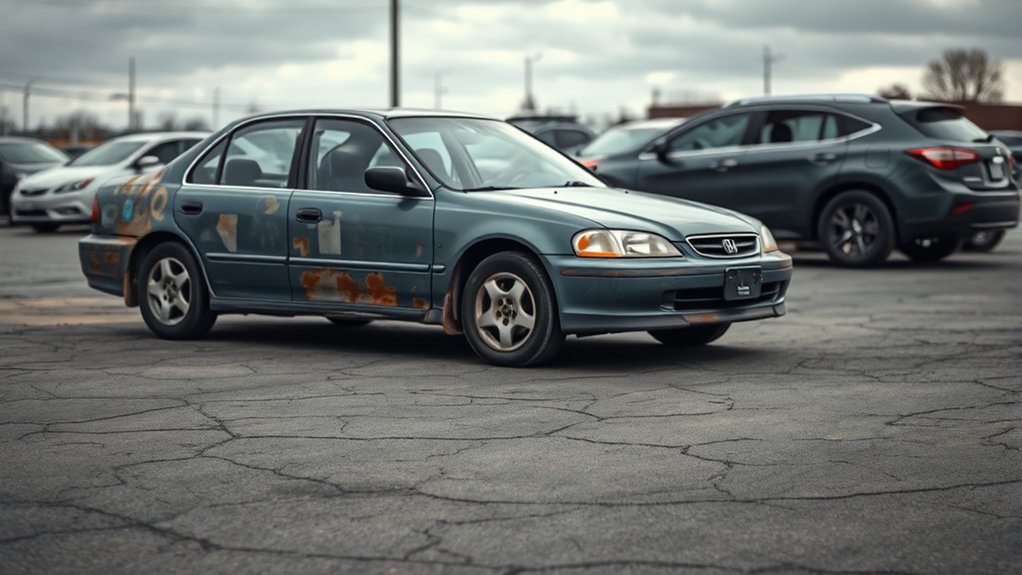
Certain Honda Accord model years stand out for their higher frequency of mechanical issues and costly repairs, making them less desirable choices for buyers seeking reliability. You should be cautious with models from the early 2000s, particularly 2003 and 2004, which are often plagued by transmission failures.
Despite the Accord’s reputation, these years challenge common reliability myths. Additionally, the 2013 and 2014 models have drawn criticism for inconsistent fuel economy and occasional engine problems. While later models generally improved, avoid those with documented recalls or persistent complaints.
Common Issues in 2008–2012 Honda Accord Models
If you’re looking at 2008–2012 Honda Accord models, be aware that engine problems and transmission issues are common concerns. You might experience excessive oil consumption, which can lead to engine damage if not addressed. Additionally, some transmissions in these years show symptoms like slipping or rough shifting, impacting overall reliability.
Engine Problems
How do engine problems affect the 2008–2012 Honda Accord models? These years, despite innovative features and premium trims, are known for specific engine issues that can impact reliability.
One common problem is excessive oil consumption, which often leads to engine damage if not addressed promptly. You may also encounter faulty spark plugs, causing misfires and rough idling.
In some cases, the V6 engines developed oil leaks and premature wear of valve seals, contributing to decreased performance and costly repairs. While the innovative features in premium trims enhanced comfort and technology, they didn’t fully prevent these engine concerns.
If you’re considering a model from this range, it’s crucial to check the engine’s maintenance history and watch for symptoms like unusual noises or warning lights to avoid unexpected expenses.
Transmission Issues
Why do the 2008–2012 Honda Accord models often struggle with transmission reliability? These years commonly experience premature transmission failures, including slipping gears, harsh shifting, and complete transmission breakdowns.
If you own or consider buying one, you should know these issues can lead to costly repairs that affect the car’s overall dependability. Despite having a well-regarded interior design and decent gas mileage, the transmission problems considerably diminish the driving experience.
Honda’s automatic transmissions in these models sometimes suffer from design flaws and inadequate lubrication, causing early wear. To avoid unexpected expenses, it’s wise to have the transmission thoroughly inspected and maintained.
Being aware of these concerns helps you make an informed decision about purchasing or driving a 2008–2012 Accord.
Troubles With the 2013–2015 Honda Accord Generations
When considering a 2013–2015 Honda Accord, you should be aware of transmission problems that can cause shifting delays or failures. Engine performance issues, such as rough idling and reduced power, have also been reported. Additionally, electrical system glitches may affect components like the infotainment system and power windows.
Transmission Problems Overview
What issues should you watch for in the 2013–2015 Honda Accord transmissions? These models frequently suffer from transmission glitches that can affect your driving safety and vehicle longevity.
Here’s what to look out for:
- Harsh or delayed shifting, causing unpredictable acceleration.
- Transmission slipping, leading to power loss and erratic speed changes.
- Transmission fluid leaks, which can cause overheating and damage.
- Complete transmission failure, often requiring costly repairs or replacements.
Understanding these problems is crucial, just like ethics in journalism guides truthful reporting, a sound social media strategy shapes reliable communication. Similarly, being informed about these transmission issues helps you make better ownership or purchase decisions. Avoiding these years can save you from unexpected expenses and frustration.
Engine Performance Issues
Alongside transmission concerns, the 2013–2015 Honda Accord models also face notable engine performance issues that can impact daily driving and long-term reliability. You might notice rough idling, hesitation during acceleration, or occasional stalling, which stem from problems like faulty fuel injectors and ignition coils.
These issues can reduce fuel efficiency and increase maintenance costs, making ownership less enjoyable. Additionally, some engines experience excessive oil consumption, requiring frequent top-ups between changes. If you’re considering these model years, be sure to check service records for timely repairs addressing these problems.
While discussing complex topics like space travel or vegan cooking might seem unrelated, they highlight how precision and efficiency in both engineering and daily choices are essential, much like what you should expect from your vehicle’s engine performance.
Electrical System Glitches
Although the 2013 to 2015 Honda Accord models generally offer solid reliability, they have been reported to suffer from several electrical system glitches that can affect your driving experience. These issues often include:
- Malfunctioning infotainment systems causing screen freezes or audio dropouts.
- Faulty power door locks and window controls leading to inconsistent operation.
- Intermittent battery drain problems, which may require more frequent tire rotation checks to prevent additional strain.
- Dashboard warning lights flickering without clear cause, complicating diagnostics.
These glitches can be frustrating but are manageable with timely maintenance. Regular rust removal and inspection of electrical connectors during routine service can help prevent corrosion-related failures. Staying proactive with these steps ensures your Accord continues running smoothly despite these known electrical quirks.
Recalls and Safety Concerns for Certain Accord Model Years
When you consider purchasing a used Honda Accord, it’s important to pay close attention to model years with notable recalls and safety issues. Some years, like 2003 and 2008, faced significant recalls due to airbags that failed to deploy properly or inflators prone to rupture.
These defects pose serious risks in accidents. Additionally, the 2013 Accord had concerns over potential fuel pump failures, increasing fire hazards. It’s crucial not to dismiss these as an irrelevant topic or unrelated theme, as ignoring them could compromise your safety.
Checking official recall databases and ensuring repairs were completed can protect you from unexpected dangers. Staying informed about these critical recalls helps you make a safer, smarter choice when buying a used Accord.
Spotting Signs of Trouble in Used Honda Accords
How can you identify potential problems before buying a used Honda Accord? Spotting signs of trouble is crucial in this two word discussion ideas to ensure subtopic relevance. Start by checking:
1. Engine Performance
Listen for knocking or rough idling, indicating internal issues.
2. Transmission Behavior
Watch for delayed shifts or slipping gears, common in problematic models.
3. Electrical Systems
Test all lights, infotainment, and power features for malfunctions.
4. Rust and Frame Damage
Examine undercarriage and wheel wells for corrosion or structural concerns.
Pay attention to these signs to avoid costly repairs later. This focused approach helps you make an informed decision without relying solely on recalls or safety concerns, which are covered elsewhere.
Understanding these indicators ensures you recognize trouble early, making your used Accord purchase safer and smarter.
Comparing Reliability Ratings Across Honda Accord Years
Why do some Honda Accord model years perform better than others in reliability ratings? It often comes down to design updates, manufacturing quality, and component improvements over time.
When you compare reliability trends across different years, you’ll notice certain generations consistently outperform others in durability and fewer reported issues. For instance, mid-2010s models generally rank higher due to refined engineering and fewer recalls.
You should also consider market depreciation, as less reliable years tend to lose value faster. This depreciation reflects buyers’ awareness of potential problems.
Best Honda Accord Model Years to Choose Instead
Which Honda Accord model years offer the best combination of reliability, performance, and value? You’ll want to consider these standout years:
- 2013-2015 – Known for strong reliability and refined engines, these years balance daily commuting with comfort, perfect for spontaneous music sessions during your drives.
- 2016-2017 – These models introduced tech upgrades and improved safety features without compromising fuel efficiency.
- 2018 – A redesign year offering a sharper ride and enhanced interior, ideal if you appreciate modern convenience alongside reliability.
- 2020 – Combines advanced driver assistance systems with a turbocharged engine, delivering both performance and value.
Choosing any of these ensures fewer surprises, letting you focus on your passions, whether it’s urban gardening or enjoying spontaneous music on the road.
Tips for Buying a Used Honda Accord Without Surprises
Wondering what to watch for when buying a used Honda Accord? Start by checking for any outstanding factory recalls that haven’t been addressed. These can impact safety and performance, so assure the seller provides documentation showing all recall work is complete.
Next, review the vehicle’s maintenance history to confirm regular servicing, which helps maintain resale value. Pay close attention to the year and trim; some model years have known issues that might lower resale value or increase repair costs.
Always get a pre-purchase inspection from a trusted mechanic to uncover hidden problems. Finally, verify the car’s title status to avoid surprises like salvage or flood damage. Following these steps helps you avoid costly mistakes and find a reliable Accord.
Frequently Asked Questions
What Fuel Efficiency Can I Expect From Different Honda Accord Model Years?
You can expect varying fuel efficiency from Honda Accord model years, influenced by engine options and reliability trends.
Newer models typically offer better mileage, especially with hybrid engines, while older ones may consume more fuel but remain fairly reliable.
How Do Honda Accord Maintenance Costs Compare to Other Midsize Sedans?
You know what they say, “An ounce of prevention is worth a pound of cure.” Honda Accord’s maintenance costs are generally lower than other midsize sedans, and its strong resale value trends across model years reflect long-term reliability.
Are Honda Accords Expensive to Insure Based on Model Year?
You won’t always face high insurance costs with Honda Accords; newer models with advanced safety features often lower rates.
Plus, their excellent fuel economy can help keep overall expenses down, balancing insurance premiums effectively.
What Are Common Modifications or Upgrades for Honda Accords?
Looking to enhance your Accord? Common modifications include performance upgrades, suspension tweaks, and audio system improvements.
Aftermarket pricing varies, but don’t trust the rumor mill. Research thoroughly to ensure quality and value before investing.
How Does the Resale Value Vary Among Honda Accord Model Years?
You’ll find resale value varies by model year, with newer Accords typically holding value better due to updated features and improved fuel efficiency.
Older models may depreciate faster but can appeal if well-maintained and fuel-efficient.
Conclusion
While some Honda Accord model years, especially between 2008 and 2015, present reliability headaches and safety concerns, others stand out for their durability and smooth performance. Avoiding problematic years doesn’t mean missing out on the Accord’s reputation for quality.
By knowing which models to skip and what signs to watch for, you’ll confidently find a reliable Accord that suits your needs. This approach turns potential pitfalls into smart, informed choices every time you shop used.
In conclusion, understanding what years of Honda Accord to avoid is key to securing a dependable vehicle. With the right knowledge, you can enjoy the benefits of this popular car without the common drawbacks.