When to Replace Brake Pads
You should replace your brake pads when their thickness falls below 3 millimeters or if you hear consistent squealing or grinding noises while braking. These signs indicate that the brake pads are wearing out and need immediate attention.
Also, watch for a soft or sinking brake pedal, vibrations, or uneven pad wear. Most manufacturers recommend changing pads between 30,000 to 70,000 miles, depending on your driving habits and pad type.
Timely replacement ensures safety, prevents rotor damage, and avoids costly repairs. Uncover more about inspection methods, costs, and extending pad life.
Key Takeaways
- Replace brake pads when friction material is less than 3 millimeters thick or wear indicators signal nearing replacement.
- High-pitched squealing or grinding noises during braking indicate worn brake pads needing replacement.
- Follow manufacturer intervals, typically between 30,000 to 70,000 miles, adjusted for driving habits and vehicle type.
- Soft or sinking brake pedal, vibrations, or pulling during braking are signs to see a mechanic immediately.
- Ignoring worn pads risks rotor damage, increased stopping distance, and potential safety hazards.
How To Spot When Your Brake Pads Need Replacing
How can you tell when your brake pads need replacing? Focus on specific indicators rather than two word ideas or nonessential topics. First, listen for a high-pitched squealing noise when applying brakes; this sound originates from the built-in wear indicator.
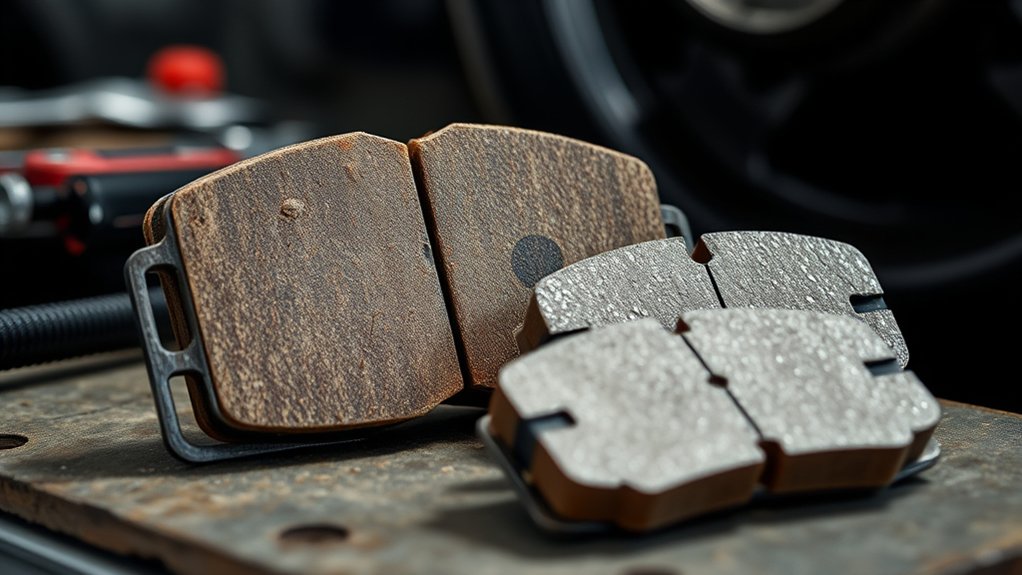
Next, visually inspect the brake pads through the wheel spokes. If the friction material is less than 3 millimeters thick, replacement is necessary.
Additionally, pay attention to a decreased brake response or a spongy brake pedal, which signals pad deterioration. Avoid distractions like unrelated vehicle noises or dashboard warnings unrelated to brake pads.
When Should You Replace Brake Pads? Recommended Intervals
When should you replace brake pads to maintain optimal performance and safety? Typically, manufacturers recommend replacement every 30,000 to 70,000 miles, but this varies based on driving habits and vehicle type.
Adhering to these intervals prevents brake failure and costly repairs, providing clear economic incentives. Additionally, legal considerations may require your vehicle to meet specific brake performance standards, especially during inspections.
Ignoring these can lead to fines or failed inspections. Regularly replacing brake pads within the recommended timeframe ensures compliance and maximizes safety. Always consult your vehicle’s manual for precise intervals.
Timely maintenance not only preserves braking efficiency but also safeguards you from unexpected liabilities, making adherence to these intervals both a practical and regulatory necessity.
How To Check Your Brake Pad Thickness At Home
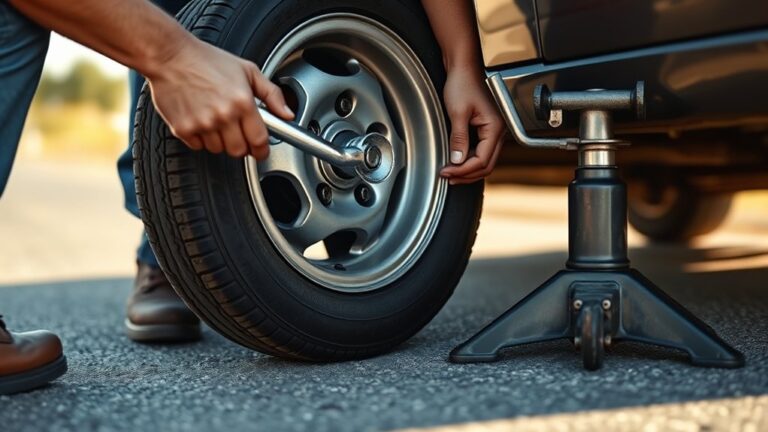
You can check your brake pad thickness at home by performing a visual inspection through the wheel spokes or by removing the wheel for a clearer view. Use a ruler or caliper to measure the remaining friction material, noting that pads thinner than 3 millimeters indicate excessive wear. Look for uneven wear patterns or deep grooves, which also signal the need for replacement.
Visual Inspection Techniques
Why is regularly checking your brake pad thickness essential? It ensures your braking system functions safely and prevents costly damage. Start by inspecting brake pad visuals through the wheel spokes, looking for the friction material between the metal backing plate and rotor.
Brake pads should have at least 3 to 4 millimeters of material left. Next, locate the wear indicators, small metal tabs embedded in the pads. When pads wear down to these indicators, they produce a squealing noise, signaling the need for replacement.
Use a flashlight to enhance visibility and avoid removing the wheel unless necessary. By consistently performing these visual inspection techniques, you can detect early wear signs and maintain optimal braking performance without specialized equipment.
Measuring Pad Thickness
A precise measurement of brake pad thickness provides a reliable assessment of pad wear beyond visual inspection. To check at home, remove the wheel and locate the brake pads behind the rotor. Use a caliper or ruler to measure the remaining friction material, avoiding wear indicators integrated into the pad material. These indicators signal when replacement is near but don’t quantify exact thickness.
| Pad Material | Thickness (mm) | Minimum Safe Thickness (mm) | Wear Indicator Type | Notes |
|---|---|---|---|---|
| Semi-metallic | 10 | 3 | Groove | Durable, noisy |
| Ceramic | 12 | 3 | Slot | Quiet, longer lifespan |
| Organic | 8 | 2 | Tab | Softer, less dust |
Accurate thickness measurement ensures timely replacement, maintaining safety and performance.
Signs of Excessive Wear
Measuring brake pad thickness gives an exact figure, but recognizing signs of excessive wear can speed up detection without tools. First, check for excessive brake dust accumulation around the wheels; this fine powder indicates the pads are wearing down.
Next, pay attention to the pedal feel. If the brake pedal feels spongy or requires more travel to engage, it may signal thin pads or air in the brake lines. Listen for squealing or grinding noises during braking, which often indicate exposed metal backing plates.
Visually inspect the pads through the wheel spokes; if the friction material is less than 3mm thick, it’s time to replace them. By monitoring brake dust, pedal feel, and noises, you can effectively identify excessive wear and maintain optimal braking performance.
What Happens If You Ignore Worn Brake Pads
If you ignore worn brake pads, your stopping distance will increase, compromising your control in emergencies. Continued use will damage the rotors, leading to costly repairs. Most importantly, your safety risks elevate considerably with degraded braking performance.
Increased Stopping Distance
When you neglect worn brake pads, your vehicle’s stopping distance increases considerably, compromising safety. Reduced friction between the brake pads and rotors means your car takes longer to halt, raising serious safety concerns.
This delay can cause accidents, especially in emergency situations. Understanding the correlation between pad wear and stopping distance helps you prioritize timely brake maintenance. Below is a table illustrating the impact of brake pad thickness on stopping distance under typical conditions:
| Pad Thickness (mm) | Stopping Distance (m) | Safety Concerns |
|---|---|---|
| 8 (new) | 20 | Minimal |
| 3 (worn) | 30 | Moderate |
| 1 (critical) | 45 | Severe; high risk |
Ignoring worn pads risks your safety and others on the road. Replace them promptly to maintain optimum braking performance.
Damage to Rotors
How does ignoring worn brake pads affect your rotors? When brake pads wear down completely, the metal backing plate makes direct contact with the rotor surface. This metal-on-metal friction causes grooves, scoring, and uneven wear on the rotors, compromising their integrity and performance.
Rotors may warp due to excessive heat buildup, leading to vibrations and reduced braking efficiency. Addressing worn brake pads promptly prevents rotor damage, avoiding costly repairs or replacements.
Discussing this damage is not an irrelevant topic or unrelated concept; it’s central to understanding brake system maintenance. Ignoring rotor damage can escalate repair costs and degrade vehicle safety, so timely brake pad replacement is essential to preserve rotor condition and ensure consistent braking performance.
Safety Risks Elevated
Why should you prioritize replacing worn brake pads immediately? Ignoring them significantly elevates safety risks by reducing your vehicle’s stopping power. As brake pads wear, the friction material thins, forcing the system to work harder and increasing stopping distances.
This compromises your control during emergency braking, heightening the chance of collisions. Additionally, worn pads can cause brake fade from overheating, further diminishing braking efficiency.
Adopting a maintenance mindset means regularly inspecting and replacing brake pads before they reach a critical wear point. This proactive approach prevents costly rotor damage and ensures consistent brake performance.
Neglecting this vital component not only endangers your safety but also risks costly repairs. Prioritize timely brake pad replacement to maintain optimal vehicle safety and operational reliability.
Brake Pad Types And How Long They Last
Which brake pad material suits your driving needs best? Understanding brake pad chemistry is crucial, as pad materials differences directly affect performance and longevity.
You’ll find three main types: organic, semi-metallic, and ceramic. Each has unique friction properties and wear rates.
| Pad Type | Typical Lifespan (miles) | Key Characteristics |
|---|---|---|
| Organic | 30,000 – 50,000 | Quiet, softer, shorter lifespan |
| Semi-metallic | 40,000 – 60,000 | Durable, effective heat dissipation |
| Ceramic | 50,000 – 70,000 | Low dust, long-lasting, expensive |
Choose based on your vehicle’s requirements and brake pad chemistry preferences for optimal safety and efficiency.
How Driving Habits Affect Brake Pad Lifespan
To what extent do your driving habits influence brake pad wear? Your driving efficiency directly impacts how quickly brake pads deteriorate. Aggressive braking, frequent stops, and high-speed driving accelerate wear, reducing pad lifespan. Conversely, smooth, gradual braking enhances durability.
Additionally, neglecting brake dust cleaning can impair brake performance, causing uneven wear and overheating.
Consider these factors to optimize brake pad lifespan:
- Braking style: Avoid harsh, abrupt stops to minimize friction.
- Traffic conditions: Stop-and-go traffic increases brake usage, hastening wear.
- Maintenance routine: Regular brake dust cleaning prevents buildup that compromises pad function.
When Should You See A Mechanic For Brake Pad Replacement?
How can you tell when it’s time to see a mechanic for brake pad replacement? If you hear consistent squealing or grinding noises when braking, it signals worn pads needing professional inspection.
Additionally, if your brake pedal feels soft or sinks toward the floor, hydraulic issues may require a mechanic’s attention. Visual cues like pads thinner than 3 millimeters also warrant expert evaluation.
Don’t delay if you notice vibrations or pulling to one side during braking, as these symptoms indicate uneven wear or rotor problems. Avoid mixing two word discussion ideas such as “tire wear” or unrelated topics like engine performance here; focus strictly on brake-related signs. Prompt mechanic consultation ensures safety and prevents more extensive brake system damage.
How Much Does It Cost To Replace Brake Pads?
Recognizing brake pad wear is only part of maintaining your vehicle’s braking system; understanding the associated replacement costs helps you prepare for necessary repairs. The cost to replace brake pads varies based on factors like vehicle type, pad quality, and labor charges.
Understanding brake pad replacement costs is essential for effective vehicle maintenance and repair budgeting.
On average, you can expect:
- Parts cost: Economy pads start around $30, while premium two word options can exceed $100.
- Labor fees: Two word labor rates typically range between $80 to $150 per axle.
- Additional expenses: Rotor resurfacing or replacement may increase total costs.
Knowing these two word cost components empowers you to budget effectively and avoid unexpected expenses. Always request a detailed estimate to ensure transparency before authorizing brake pad replacement services.
Tips To Extend The Life Of Your Brake Pads
Why does your driving style profoundly impact brake pad longevity? Aggressive braking generates excessive heat and friction, accelerating wear. To extend your brake pads’ lifespan, apply gradual pressure when decelerating, avoiding sudden stops whenever possible.
Anticipate traffic flow to reduce unnecessary braking. Think of it like time travel, where planning ahead prevents wasted energy and wear over distance. Regularly inspect your brake system for dust and debris buildup, which can degrade pad material akin to space exploration equipment exposed to harsh conditions.
Also, maintain proper tire pressure and wheel alignment to ensure even brake pad contact. By adopting these precise habits, you’ll optimize brake pad durability, saving costs and enhancing safety without compromising performance.
Frequently Asked Questions
Can Worn Brake Pads Damage Other Brake System Components?
Yes, worn pads can cause caliper damage by allowing metal-to-metal contact, increasing friction and heat. You’ll risk rotor scoring and brake fluid leaks if you don’t replace them promptly, compromising overall braking performance.
Are Brake Pads Different for Front and Rear Wheels?
You’ll find the front differences in brake pads due to heavier braking demands, requiring sturdier materials, while rear consistency focuses on durability.
Understanding these nuances guarantees you select the right pads for optimal performance and safety.
How Do Brake Pads Differ Between Car Models?
You’ll find brake pad materials vary widely between car models due to design and performance requirements. To识别型号差异, check manufacturer specs, as differences impact durability, noise, and braking efficiency tailored to each vehicle’s needs.
Can I Replace Brake Pads Myself Without Special Tools?
Yes, you can replace brake pads yourself without special tools if you have a basic wrench set, C-clamp, and jack. Ensure you follow safety procedures, consult your vehicle’s manual, and verify proper pad alignment during installation.
Do Brake Pads Make Noise Only When Worn Out?
Think of brake pads like a violin’s strings. Noise patterns signal wear, but not only then. Different pad material differences, like metal or ceramic, create distinct sounds, so you can’t rely solely on noise to judge wear.
Conclusion
Keeping your brake pads in good shape is like maintaining the sharpness of a knife—vital for safety and performance. You should replace them when thickness drops to 3mm or if you hear screeching sounds. Regularly check your pads at home and adjust your driving habits to extend their life.
If you notice warning signs or uneven wear, see a mechanic promptly. Staying proactive prevents costly repairs and guarantees reliable braking every time. Remember, knowing when to replace brake pads is key to maintaining safe and effective vehicle performance.