Why Are My Spark Plugs Black
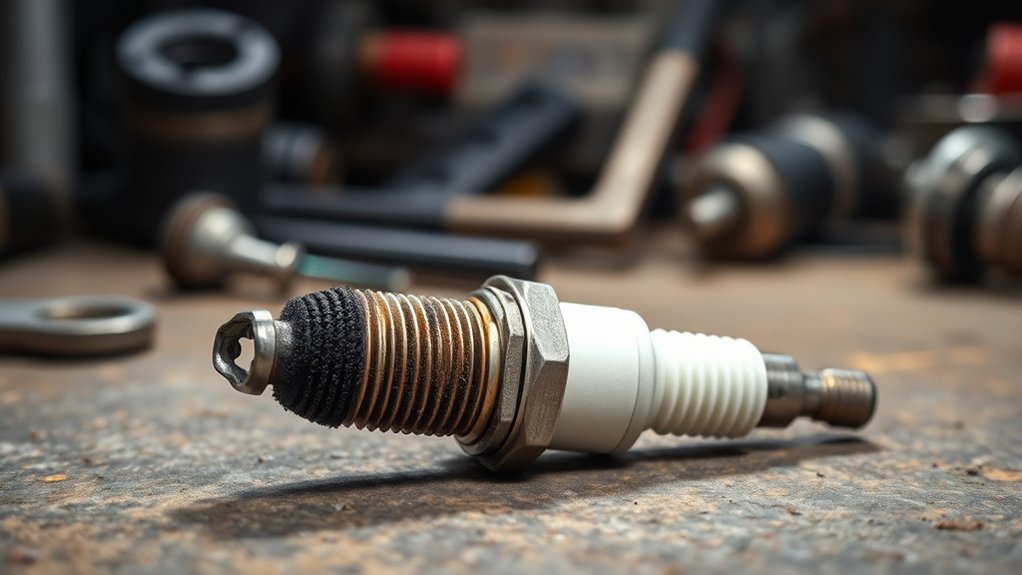
Your spark plugs turn black mainly because of carbon buildup from a rich fuel mixture, oil fouling, or ignition issues. A rich mix means more fuel than air, causing incomplete combustion and dry, sooty deposits. Oil leaks leave wet, oily residue, indicating serious engine wear.
Ignition problems also create dark, carbon-rich plugs by weakening the spark. These signs can cause misfires and reduced performance. Understanding these causes helps you diagnose and address the issue effectively.
Key Takeaways
- Black spark plugs usually indicate a rich fuel mixture causing dry, sooty carbon buildup on electrodes and insulator.
- Oil leaks can foul plugs with wet, glossy deposits, leading to misfires and rough engine performance.
- Ignition problems like weak spark or faulty coils cause incomplete combustion and carbon-rich black plugs.
- Black plugs combined with poor acceleration or misfires signal engine issues needing inspection.
- Cleaning or replacing black plugs and adjusting fuel mixture prevents fouling and maintains engine efficiency.
How To Tell If Black Spark Plugs Are a Problem
How can you determine if black spark plugs indicate a serious issue? Start by examining the plug’s deposits closely. Dry, sooty black carbon often points to a rich fuel mix, but if your engine runs smoothly and spark timing is correct, this might not be critical.
However, if you notice misfires, poor acceleration, or increased fuel consumption alongside black plugs, that suggests a problem. You should also check for wet, oily deposits, which can indicate oil fouling, a more serious concern.
Precise inspection of how fuel mix and spark timing interact is crucial since incorrect timing can cause incomplete combustion, leading to carbon buildup. Use diagnostic tools to verify spark timing and fuel delivery parameters to pinpoint the root cause accurately before deciding on repairs.
How a Rich Fuel Mixture Causes Black Spark Plugs
Why does a rich fuel mixture lead to black spark plugs? When your engine runs with a rich mixture, meaning more fuel than air, it doesn’t burn all the fuel efficiently. This incomplete combustion produces black soot, which deposits on the spark plug’s electrodes and insulator.
Over time, this black soot buildup creates a carbon layer that can cause misfires and reduce ignition efficiency. You’ll notice the spark plugs appear dry and coated with a sooty, black residue. The rich mixture also lowers combustion temperatures, promoting soot formation.
Factors like a malfunctioning fuel injector, clogged air filter, or incorrect carburetor settings often cause this excess fuel condition. Monitoring and correcting the fuel-air ratio prevents black soot accumulation, ensuring optimal spark plug performance and engine operation.
How Oil Leaks Cause Black Spark Plugs
When oil leaks into the combustion chamber, it contaminates the spark plugs with oily deposits that appear black and glossy. You’ll notice spark plug fouling caused by these oil leaks, which disrupt proper ignition and engine performance.
Oil enters through worn valve seals, damaged piston rings, or a compromised head gasket. As the oil burns, it leaves behind a thick, carbon-rich residue on the spark plug electrodes. This fouling leads to:
- Reduced spark intensity
- Misfires and rough idling
- Difficulty starting the engine
- Increased emissions and fuel consumption
Addressing oil leaks quickly is essential to prevent ongoing spark plug fouling. By identifying and repairing the source of the oil intrusion, you ensure cleaner combustion and restore optimal spark plug operation.
How Ignition Problems Cause Black Spark Plugs
Ignition system malfunctions often lead to blackened spark plugs by causing incomplete combustion and excessive carbon buildup. When you experience an ignition misfire, the spark plug fails to ignite the air-fuel mixture properly, resulting in unburned fuel deposits that cause spark plug fouling. This fouling creates a carbon layer that blackens the spark plug and reduces engine efficiency.
| Ignition Problem | Effect on Spark Plug |
|---|---|
| Ignition Misfire | Unburned fuel deposits |
| Weak Spark | Incomplete combustion |
| Faulty Ignition Coil | Carbon buildup, fouling |
Understanding these issues helps you identify why your spark plugs blacken and signals when to inspect the ignition system to avoid further damage.
How To Clean or Replace Black Spark Plugs
How do you restore your engine’s performance after spotting black spark plugs? Start by learning how to inspect plug condition carefully. Remove the plugs and check for carbon deposits or wear.
To clean, gently use a wire brush or spark plug cleaner to remove soot without damaging the electrodes. If fouling persists, replace spark plugs with the correct type and gap. Properly seating new plugs ensures reliable ignition.
To prevent fouling, adjust your fuel mixture and maintain ignition components. Regularly diagnosing misfires helps catch issues early, improving efficiency and performance. Follow these steps to maintain optimal spark plug function:
- Remove and visually inspect plugs for black deposits
- Clean plugs with a wire brush or spark plug cleaner
- Replace plugs if damaged or heavily fouled
- Adjust engine settings to prevent future fouling
Frequently Asked Questions
Can Black Spark Plugs Affect Fuel Efficiency?
Yes, black spark plugs can reduce your fuel economy by causing inefficient combustion. They increase misfire risk, which wastes fuel and lowers engine performance.
Replacing or cleaning them helps restore optimal fuel efficiency and smooth operation.
Do Black Spark Plugs Cause Engine Misfires?
Yes, black spark plugs can cause engine misfires by disrupting proper ignition timing. Misfire causes include carbon buildup that interferes with the spark, leading to incomplete combustion and reduced engine performance. Prompt inspection and cleaning are required.
How Often Should Spark Plugs Be Inspected?
You should inspect your spark plugs every 30,000 miles or as specified in your maintenance schedule. Use the inspector’s checklist to check for wear, deposits, and gap integrity, ensuring optimal engine performance and longevity.
Are Certain Spark Plug Types More Prone to Blackening?
Think of spark plugs as tiny warriors; certain types, especially cheaper ones, show premature wear and blackening faster.
Coolant leakage worsens this, fouling plugs and impairing ignition, so choose durable materials to prevent early black deposits.
Can Driving Habits Influence Spark Plug Condition?
Yes, your driving habits directly impact spark plug condition. Frequent short trips and excessive idling cause carbon buildup, while using fuel additives improperly can leave deposits. These issues affect ignition efficiency and accelerate spark plug fouling.
Conclusion
Black spark plugs are like warning flags waving in your engine’s combustion chamber, signaling rich fuel, oil leaks, or ignition issues. Ignoring them can dim your engine’s performance, much like soot clouds choking a flame.
By diagnosing and addressing these signs promptly—whether cleaning or replacing—you ensure your engine runs clean and efficient. This restores the spark that powers your drive with precision and reliability.
Don’t let blackened plugs cloud your ride’s potential. Understanding why spark plugs are black is key to maintaining your vehicle’s optimal performance.