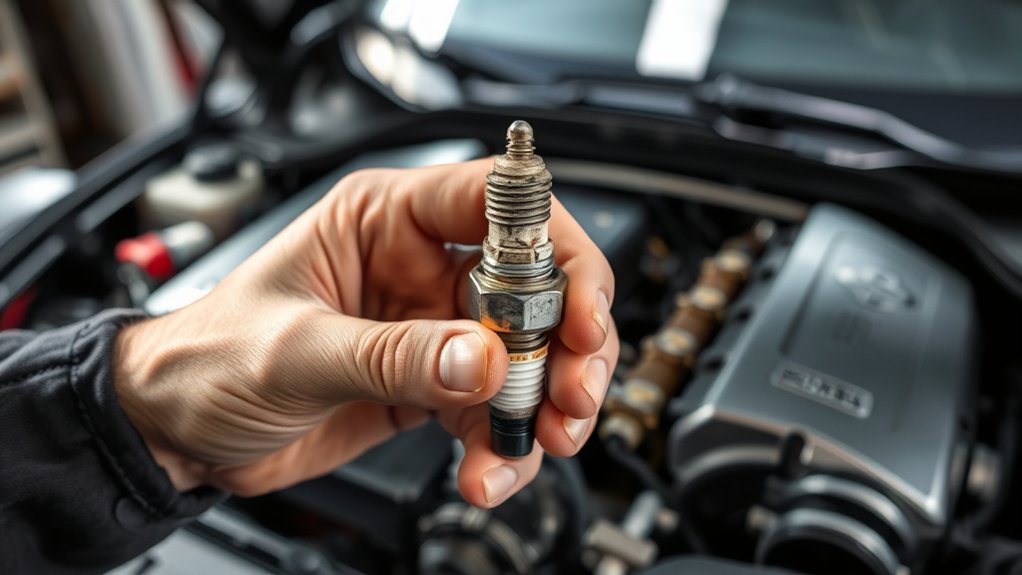
Why Change Spark Plugs
You need to change spark plugs regularly because worn spark plugs disrupt ignition timing, causing incomplete combustion, engine misfires, and reduced fuel efficiency. This leads to rough idling, hesitation, and even damage to components like the catalytic converter.
Proper plug replacement preserves engine performance, reliability, and longevity. Different plug types suit various engines and driving conditions, so selecting the right one is essential.
Understanding when and how to replace spark plugs guarantees your engine runs at its best and avoids costly repairs.
Key Takeaways
- Spark plugs deliver the spark that ignites the air-fuel mixture, essential for efficient combustion and engine performance.
- Worn spark plugs cause incomplete combustion, leading to power loss, increased fuel consumption, and engine misfires.
- Changing spark plugs prevents engine damage like burned pistons or damaged valves caused by poor ignition timing.
- Properly functioning spark plugs improve fuel efficiency, smooth idling, and reliable engine starting.
- Regular replacement aligns with manufacturer guidelines to maintain engine longevity and avoid costly repairs.
What Spark Plugs Do and Why They Matter
How do spark plugs impact your engine’s performance? They deliver the crucial spark that ignites the air-fuel mixture in the combustion chamber, directly influencing ignition timing. Precise ignition timing ensures optimal combustion efficiency, power output, and fuel economy.
If your spark plugs malfunction, ignition timing can be disrupted, leading to incomplete combustion and potential engine knocking. Over time, neglected spark plugs can cause irreversible damage to the engine, such as burned pistons or damaged valves.
Maintaining properly functioning spark plugs is essential to preserving engine integrity and performance. By ensuring consistent and accurate sparks, spark plugs help your engine run smoothly and efficiently, preventing costly repairs and maintaining longevity. Understanding their role highlights why timely replacement is critical.
Signs of Worn Spark Plugs
You’ll notice worn spark plugs when your engine misfires or hesitates during acceleration. They also cause reduced fuel efficiency by disrupting ideal combustion. Additionally, difficulty starting the engine can signal that your spark plugs need replacement.
Engine Misfire Symptoms
Why does your engine hesitate or stutter during acceleration? This symptom often points to an engine misfire, frequently caused by worn spark plugs. When spark plugs degrade, they fail to ignite the air-fuel mixture effectively, disrupting combustion.
Misfire diagnosis involves checking for irregular ignition timing or weak sparks that lead to incomplete combustion cycles. You might notice rough idling, reduced power, or the engine shaking, all indicators that combustion isn’t occurring smoothly.
Ignition timing can also be affected if worn plugs cause delayed or inconsistent sparks, further contributing to misfires. Addressing these symptoms promptly by inspecting and replacing spark plugs can restore proper ignition timing and ensure consistent engine performance, preventing potential damage to the catalytic converter or other engine components.
Reduced Fuel Efficiency
Several factors contribute to reduced fuel efficiency, with worn spark plugs being a primary culprit. As spark plug longevity decreases, the electrodes become corroded or fouled, impairing the spark’s consistency and strength.
This weak spark fails to ignite the air-fuel mixture optimally, causing incomplete combustion. When combustion is inefficient, your engine consumes more fuel to maintain power output, directly impacting fuel economy.
Monitoring this fuel economy impact is essential; a noticeable drop often signals that spark plugs are nearing the end of their service life. By replacing worn spark plugs promptly, you restore peak ignition performance, ensuring complete combustion and maintaining fuel efficiency.
Neglecting this maintenance reduces engine efficiency and increases fuel consumption over time.
Difficulty Starting Engine
Alongside reduced fuel efficiency, worn spark plugs often cause difficulty starting your engine. When spark plugs degrade, the ignition system struggles to create the necessary spark, leading to engine hesitation or failure to start. You might notice:
- Prolonged cranking time before the engine fires up.
- Engine misfires or rough idling immediately after startup.
- Increased dependency on repeated attempts to start.
Ignoring these signs can strain your engine oil and impact overall engine performance. While regular maintenance tasks like tire rotation optimize vehicle longevity, skipping spark plug replacements can negate these benefits by causing ignition inefficiencies.
Addressing worn spark plugs promptly ensures reliable starts, smooth operation, and prevents undue stress on your engine’s components. Don’t let starting issues compromise your vehicle’s health. Inspect and replace spark plugs as part of your routine maintenance.
What Happens When Spark Plugs Wear Out
How do worn-out spark plugs impact your engine’s performance? When spark plugs wear out, they disrupt the precise ignition timing essential for efficient combustion. This misalignment causes incomplete fuel combustion, leading to poor engine performance and reduced fuel efficiency.
Your fuel system struggles as unburned fuel passes through, increasing emissions and potentially damaging components like the catalytic converter. Worn electrodes create weak or inconsistent sparks, making it harder for the engine to maintain smooth operation, especially under load.
You might notice rough idling, hesitation during acceleration, or increased engine knocking. Ignoring deteriorated spark plugs forces your engine to work harder, accelerating wear on related systems. Replacing them promptly ensures your ignition system functions correctly, maintaining optimal fuel system efficiency and consistent ignition timing for reliable engine performance.
When to Change Spark Plugs Based on Mileage
Understanding the effects of worn spark plugs on your engine sets the stage for knowing when to replace them. Mileage guidelines help you avoid maintenance myths and separate myth vs fact about spark plug longevity.
Generally, you should consider these factors:
Generally, consider factors like plug type and driving conditions to determine replacement timing.
- Standard copper plugs: Replace every 20,000 to 30,000 miles due to faster electrode wear.
- Platinum or iridium plugs: Last 60,000 to 100,000 miles but still require inspection.
- Driving conditions: Frequent short trips or heavy loads can shorten plug life, necessitating earlier replacement.
Ignoring these mileage intervals risks reduced fuel efficiency and engine misfires. Consulting your vehicle’s manual provides manufacturer-specific recommendations, ensuring optimal timing for spark plug replacement and avoiding unnecessary costs.
Which Spark Plug Types Work Best for Your Car
You’ll find several common spark plug types, including copper, platinum, and iridium, each offering different performance characteristics. Selecting the right type depends largely on your engine’s design and operating conditions. Matching the spark plug material and heat range to your car’s specifications ensures optimal combustion and longevity.
Common Spark Plug Types
Which spark plug type suits your engine’s requirements best? Understanding common spark plug types helps you optimize performance and longevity. Here are the three primary types:
- Copper Spark Plugs: Known for excellent conductivity, they work well with older engines and those requiring distributor compatibility but wear out faster.
- Platinum Spark Plugs: Offer longer life and better resistance to fouling than copper. They strike a balance between performance and cost, suitable for many modern engines.
- Iridium Spark Plugs: Superior durability and spark efficiency compared to platinum. Their finer electrode improves combustion, making them ideal for high-performance or fuel-efficient engines.
When debating platinum vs iridium, consider your vehicle’s ignition system and manufacturer recommendations to ensure the right match for your engine’s needs.
Choosing Based On Engine
Selecting the right spark plug depends heavily on your engine’s design and operating conditions. You need to match the plug’s heat range and material to your engine to optimize performance and maintain engine durability.
For instance, iridium plugs suit high-compression or turbocharged engines due to their superior wear resistance, while copper plugs work well in older, low-compression engines. Additionally, modern engines often require plugs with specific electrode designs or coatings to ensure efficient combustion.
Always consult your vehicle’s manual to avoid warranty concerns, as using non-recommended plugs might void coverage. By choosing the correct spark plug type, you not only enhance fuel efficiency and power but also prolong your engine’s lifespan, minimizing maintenance costs and preventing premature engine wear.
How to Choose the Right Spark Plugs
How do you determine the right spark plugs for your engine? Choosing correctly hinges on understanding your engine’s specifications and the advances in spark plug technology. Follow these steps:
- Consult Manufacturer Specs: Always start with your vehicle’s manual. It lists compatible plug types designed for optimal performance and minimal environmental impact.
- Consider New Technology: Modern spark plugs use materials like iridium or platinum, offering longer lifespan and better fuel efficiency, reducing emissions.
- Match Heat Range: Select plugs with the correct heat range to prevent fouling and overheating, ensuring efficient combustion and protecting engine components.
Cost and Time for Spark Plug Replacement
When planning spark plug replacement, you might wonder about the cost and time involved. Typically, parts cost ranges from $10 to $30 per spark plug, depending on the type and quality.
Labor time usually spans 30 to 60 minutes for a standard vehicle, but it can take longer for engines with difficult access. During replacement, you must set the correct ignite gap to ensure optimal combustion and engine efficiency.
Additionally, tightening spark plugs to the manufacturer’s torque specs is crucial to avoid damage or poor performance. Overall, the process is straightforward but requires precision to maintain engine function.
Factoring in both parts and labor, expect a moderate expense and a relatively short service time for effective spark plug replacement.
DIY or Professional Spark Plug Replacement?
Why choose between DIY and professional spark plug replacement? Understanding the pros and cons helps optimize your vehicle’s performance and scheduling maintenance efficiently. When deciding on DIY vs pros, consider these factors:
- Skill Level: If you possess mechanical knowledge and proper tools, DIY replacement saves money and offers hands-on control. Otherwise, professionals ensure precise installation avoiding damage risks.
- Time Commitment: DIY may take longer due to unfamiliarity, while professional service is faster, fitting neatly into your maintenance schedule.
- Diagnostic Capability: Professionals can identify underlying engine issues during replacement, providing comprehensive care beyond just swapping spark plugs.
Balancing these aspects lets you make an informed choice tailored to your experience and time constraints, ensuring optimal engine function and longevity.
Tips to Maintain Spark Plugs Longer
What steps can you take to extend the life of your spark plugs? First, ensure you use the correct spark plug type specified by your vehicle manufacturer. Using improper plugs can cause misfires and premature wear.
Regularly check and adjust the spark plug gap to maintain optimal ignition performance. Keep the ignition system components clean and dry to prevent corrosion. Avoid excessive idling, which can foul plugs faster.
Monitor engine oil and coolant leaks, as contamination drastically shortens plug lifespan. This unrelated topic often gets overlooked.
When discussing maintenance, don’t confuse two word discussion ideas like “plug cleaning” with “plug replacement.” While cleaning can help temporarily, replacement ensures consistent performance.
Following these precise steps will help you maintain spark plugs longer, improving engine efficiency and reliability.
Frequently Asked Questions
Can Faulty Spark Plugs Affect My Car’s Emissions?
Yes, faulty spark plugs negatively impact emissions by causing incomplete combustion. You’ll notice a fuel efficiency hit as unburned fuel increases pollutants, reducing engine performance and raising your vehicle’s environmental footprint substantially.
Do Spark Plugs Impact Fuel Efficiency Significantly?
Yes, worn spark plugs reduce ignition efficiency, significantly impacting fuel economy. Maintaining optimal spark plug lifespan ensures consistent combustion, improving fuel economy impact and overall engine performance.
You should replace them regularly to maximize efficiency.
How Do Cold Weather Conditions Affect Spark Plug Performance?
Cold weather reduces spark plug performance by up to 20%, increasing misfire during acceleration. You’ll need precise engine diagnostics to detect these issues, as cold conditions challenge ignition, fuel vaporization, and consistent combustion efficiency.
Are Spark Plugs Interchangeable Between Different Engine Types?
You shouldn’t assume spark plug interchangeability between engines; interchangeability myths ignore critical plug geometry differences like thread size, heat range, and electrode design, which affect performance and engine health.
Always match plugs to your specific engine specifications.
Can Old Spark Plugs Cause Engine Misfires During Acceleration?
Old sparks can act like a fading flame, causing misfire causes during acceleration. You’ll notice rough engine performance because worn spark plugs fail to ignite fuel efficiently, leading to inconsistent combustion and power loss.
Conclusion
You might think spark plugs are just small parts, but ignoring their wear can lead to costly engine issues. Waiting too long to replace them risks decreased performance and fuel efficiency.
Knowing when and how to change them—whether you tackle it yourself or seek a pro—can save you time and money. Ready to extend your engine’s life?
Understanding spark plugs is the key. Don’t wait for problems to start; act before they catch you off guard by changing your spark plugs on time.