How Do You Charge a Portable Battery Charger
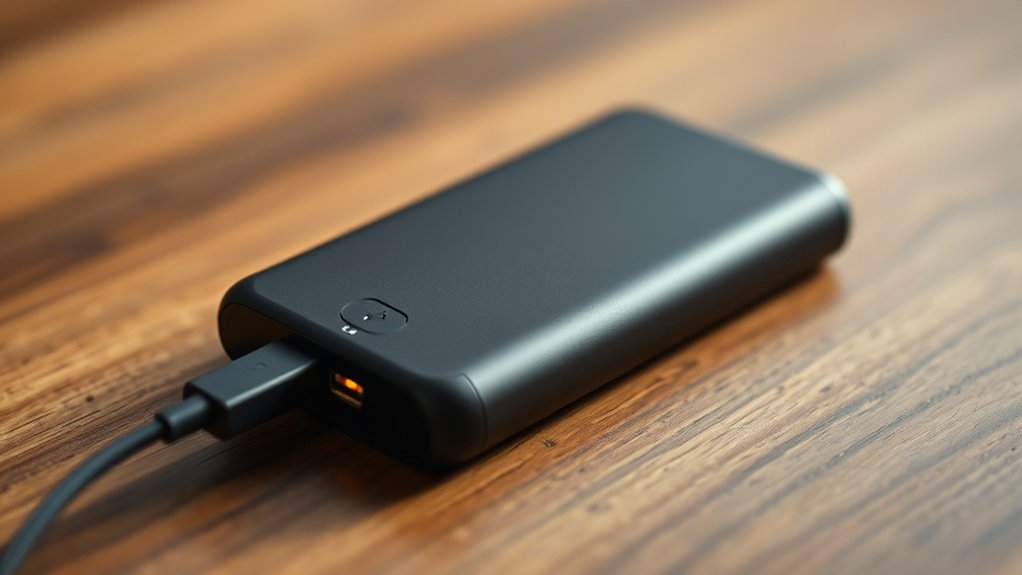
To charge your portable battery charger, connect it using the manufacturer-recommended cable to the matching input port, such as USB-C, Micro USB, or Lightning. Using the correct cable is essential for efficient charging and safety.
Make sure to use a compatible charger that matches your cable’s power rating to prevent damage or slow charging. Avoid charging in extreme temperatures or moist environments, as these conditions can harm the battery.
Disconnect the charger once the battery is fully charged to avoid overcharging. Regularly inspect your portable battery charger for any physical issues to help maintain battery health. Understanding these fundamentals ensures optimal performance and safety, with more insights available to improve efficiency and troubleshoot charging issues.
How To Charge Your Portable Charger Safely
How should you approach charging your portable charger to ensure safety and maintain its longevity? First, always use the manufacturer-recommended charger and cable to prevent electrical mismatches that could damage the battery.
Monitor the charging environment; avoid exposure to extreme temperatures or moisture, as these factors compromise charging safety and battery health. Disconnect the charger once fully charged to prevent overcharging, which degrades battery capacity over time.
Regularly inspect the device for physical damage or swelling, indicators that signal potential battery failure. When your portable charger reaches end-of-life, adhere strictly to proper battery disposal protocols by taking it to authorized recycling centers, avoiding landfill disposal that risks environmental contamination.
Following these precise steps optimizes performance and mitigates hazards associated with portable charger usage.
Identifying Your Portable Charger’s Charging Port
Where exactly do you connect your cable when charging a portable battery charger? Identifying ports correctly is essential to ensure efficient charging and prevent damage. Most chargers feature distinct input ports, often labeled or differentiated by shape.
Pay attention to charging indicators near the ports; they confirm power flow once connected.
| Port Type | Description |
|---|---|
| Micro USB | Common on older models |
| USB-C | Modern, reversible design |
| Lightning | Used on Apple devices |
| Barrel Plug | Less common, cylindrical |
| DC Input | For specialized chargers |
Carefully inspect your device to match the cable with the correct port. Charging indicators, such as LED lights or icons, signal proper connection and charging status, helping you avoid misidentification.
Choosing The Right Cable And Charger
You need to select a cable that matches your portable charger’s port type—USB-C, Micro-USB, or Lightning—to guarantee proper connectivity. Equally important is choosing a charger with the correct output power, measured in volts and amps, to optimize charging speed without damaging the battery. Using incompatible cables or chargers can lead to inefficient charging or potential hardware issues.
Cable Types Compatibility
Which cable you choose directly impacts the efficiency and safety of charging your portable battery. Different cable types, USB-A, USB-C, Micro-USB, offer varying data transfer rates and power delivery capabilities.
You must ensure port compatibility between your charger and the battery to avoid damage or suboptimal charging speeds. For example, USB-C cables support higher current flows and faster charging, but only if both device ports are USB-C compatible.
Using mismatched cables can result in slower charging or potential overheating. Additionally, cable quality matters; low-grade cables may not maintain stable voltage, risking battery health.
Always verify that the cable’s connectors and specifications align precisely with your portable charger’s input port to maximize charging efficiency and preserve device longevity.
Charger Output Power
How much power does your charger output, and how does that affect your cable choice? When selecting a charger and cable, you must align their power ratings for optimal charge efficiency.
Chargers with higher output power, measured in watts, demand cables that can safely handle increased current without overheating or voltage drop. Using a cable rated below the charger’s output compromises both efficiency and safety protocols, potentially causing slow charging or damage.
For instance, a 60W charger requires a cable with appropriate gauge and quality connectors to maintain stable power delivery. Always verify the cable’s amperage rating matches or exceeds your charger’s output to ensure safe operation.
This precise matching safeguards your portable battery charger and enhances charging speed while adhering to essential safety standards.
How Long Does It Take To Fully Charge Your Portable Charger?
You’ll find that charging time depends on your portable charger’s capacity, input current, and the quality of your charging cable. Typically, smaller power banks take 2 to 4 hours to reach full charge, while larger units may require 6 to 12 hours or more. Understanding these factors helps you plan charging intervals efficiently.
Charging Time Factors
When determining the time required to fully charge your portable battery charger, several key factors come into play. First, the charger’s battery capacity directly affects charging duration. A higher capacity demands more time.
Next, the input current and voltage from your power source influence how quickly energy transfers. Using a charger with a higher amperage output can reduce charging time but may risk compromising battery health if not managed properly.
You must also consider charging safety protocols embedded in the device, such as overcurrent and temperature protection, which can slow charging to prevent damage. Additionally, ambient temperature impacts chemical reactions inside the battery, affecting efficiency and thus charging time.
Understanding these factors helps you optimize charging without undermining battery longevity or safety.
Typical Charging Durations
Exactly how long does it take to fully charge a portable battery charger depends on several specific variables. Primarily, the charging duration hinges on the charger’s battery capacity, input current, and charging efficiency.
For instance, a 10,000mAh power bank typically requires 4 to 6 hours when charged via a standard 2A USB input. Battery chemistry also plays a crucial role; lithium-ion batteries, common in these devices, exhibit predictable charge curves but may slow down as they near full capacity to preserve longevity.
Charging efficiency, influenced by the quality of the charging circuitry and cable, affects overall time. Inefficient systems can extend charging by 20% or more. Therefore, by understanding your device’s specifications and using optimal charging methods, you can anticipate precise charging durations for your portable battery charger.
Tips To Maintain Battery Health And Extend Charger Life
Although portable battery chargers are designed for durability, maintaining their battery health requires deliberate care. To optimize your portable battery’s lifespan, avoid exposing it to extreme temperatures, as heat accelerates chemical degradation and cold reduces capacity.
Charge the device before it fully depletes. Deep discharges strain the battery’s cells and reduce energy efficiency over time. Use the original or certified charger to ensure proper voltage and current delivery, preventing overcharging and overheating.
Store the charger at around 50% capacity if unused for extended periods, which helps maintain optimal charge cycles. Regularly calibrate the battery by fully charging and discharging it once every few months.
These practices collectively sustain your portable battery’s performance, enhance energy efficiency, and extend the overall charger life.
Fixing Charging Problems
Why isn’t your portable battery charger powering up as expected? Diagnosing charging problems requires systematic troubleshooting steps. First, verify the power source and cable integrity.
Next, check the charger’s indicator lights for error signals. If unresolved, reset the device or test with alternative cables. Following how-to tutorials can guide you through these precise steps.
| Problem | Possible Cause |
|---|---|
| No power indicator | Faulty cable or outlet |
| Slow charging | Low current supply |
| Charger not charging | Damaged internal battery |
| Overheating | Blocked ventilation |
| Device resets | Firmware glitch |
Apply these targeted fixes to restore functionality efficiently.
Frequently Asked Questions
Can I Use My Portable Charger While It’s Charging?
While it’s tempting to kill two birds with one stone, using your portable charger during charging can risk overheating and degrade battery lifespan.
Prioritize charging safety and proper battery maintenance by waiting until it’s fully charged before use.
Are Portable Chargers Safe to Take on Airplanes?
You can take portable chargers on airplanes, but you must comply with airline regulations for portable safety. Keep chargers in carry-on luggage, ensure capacity limits aren’t exceeded, and avoid damaged batteries to meet strict airline standards.
How Many Times Can I Recharge My Portable Charger?
You’ve heard, “Practice makes perfect.” You can recharge your portable charger typically 300 to 500 cycles before capacity declines.
Two key factors affecting this two word metric are battery chemistry and usage conditions, which you should monitor closely.
What Happens if I Overcharge My Portable Battery?
If you overcharge your portable battery, you risk battery degradation and reduced capacity. Overcharge risks include overheating and potential damage to internal cells.
This shortens the battery’s lifespan and compromises overall performance and safety.
Can Extreme Temperatures Damage My Portable Charger?
Wondering if extreme weather affects your portable charger? Yes, it does. Exposure to high or low temperatures compromises battery safety, degrading performance and lifespan.
Always store it within recommended temperature ranges to ensure optimal function and durability.