What Does Sul Mean on a Battery Charger
When you see “Sul” on your battery charger, it means sulfation has built up on the battery plates, forming hardened lead sulfate crystals.
This buildup increases internal resistance and reduces your battery’s charge capacity, negatively impacting performance.
The charger detects this through voltage and current changes during charging.
Recognizing “Sul” helps you identify the need for desulfation or specialized charging to restore battery efficiency.
Understanding this further reveals how to maintain and extend your battery’s life.
Proper care can prevent sulfation and keep your battery performing at its best.
What Does “Sul” Mean on a Battery Charger?
What exactly does “Sul” indicate on your battery charger? In technical terms, “Sul” refers to the presence of sulfation on the battery plates. This is one of the critical battery indicators signaling that lead sulfate crystals have formed and hardened, impairing the battery’s ability to hold charge efficiently.
Understanding Sul meanings is essential because it directly affects battery performance and longevity. When “Sul” appears, your charger is alerting you to sulfation buildup, which typically results from prolonged disuse or deep discharge cycles.
This indicator helps you identify when desulfation processes or specialized charging modes might be necessary to restore battery function. Recognizing and responding to the “Sul” battery indicator promptly can prevent permanent damage and optimize charging efficiency.
Why Does the “Sul” Indicator Appear When Charging?
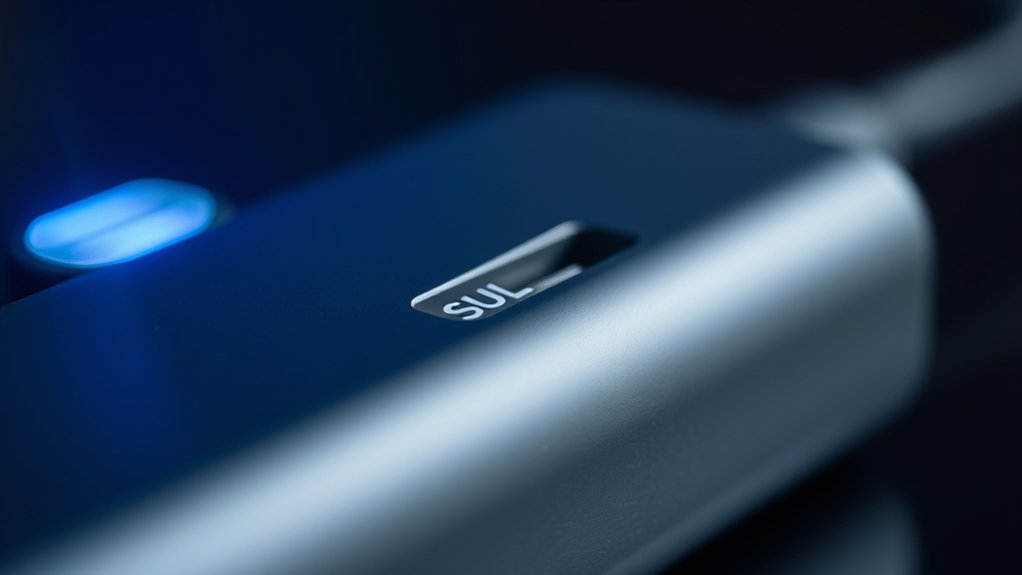
When the “Sul” indicator lights up during charging, it signals that sulfation has developed on the battery plates, hindering optimum energy transfer. The sul indicator appears because the charging process detects increased internal resistance and reduced chemical activity caused by lead sulfate crystal buildup.
During normal charging, the battery converts lead sulfate back into active material; however, prolonged discharge or incomplete charging leads to hardened sulfate deposits. The charger’s sensors monitor voltage, current, and charge acceptance, triggering the sul indicator when these parameters deviate from expected norms.
This alert informs you that the battery’s efficiency is compromised and may require specialized desulfation charging cycles or maintenance. Recognizing the sul indicator early helps you address sulfation before it severely affects battery health or capacity.
How Sulfation Hurts Your Battery’s Performance
How exactly does sulfation degrade your battery’s performance? Sulfation occurs when lead sulfate crystals build up on the battery plates, disrupting the delicate battery chemistry. This crystalline layer inhibits the chemical reactions necessary for efficient energy storage and release.
As a result, your battery’s capacity and ability to hold charge dwindle.
Sulfation impacts performance by:
- Reducing active material surface area, lowering charge acceptance.
- Increasing internal resistance, causing voltage drops under load.
- Triggering inaccurate charging indicators, misleading you about battery health.
- Accelerating capacity loss, shortening overall battery lifespan.
How to Remove or Prevent Sulfation in Batteries
Sulfation can markedly impair your battery’s functionality, but you don’t have to accept this degradation as inevitable. To address sulfation, you can apply controlled desulfation techniques using specialized chargers that deliver high-frequency pulses or regulated overcharging to break down lead sulfate crystals.
For sulfation prevention, consistent battery maintenance is crucial. Regularly inspect electrolyte levels, ensuring proper acid concentration, and keep terminals clean to avoid resistance build-up. Avoid prolonged undercharging or deep discharges, as these conditions accelerate sulfate crystal formation.
Employ periodic full charging cycles to reverse early-stage sulfation. By integrating these sulfation prevention strategies into your routine battery maintenance, you’ll extend battery life and maintain optimal performance. Precision in these practices mitigates irreversible sulfation damage, preserving battery efficiency effectively.
Charger Tips to Prevent Sulfation and Extend Battery Life
A well-chosen charging strategy plays a critical role in preventing sulfation and maximizing battery lifespan. When you optimize charger settings, you address conflicting variables such as charge rate and battery temperature, which influence sulfation progression.
Here are key charger tips to help you:
Essential charger tips to prevent sulfation and extend battery life effectively
- Use pulse charging to break down sulfate crystals effectively.
- Maintain a float charge to keep batteries at full capacity without overcharging.
- Monitor voltage and temperature precisely to avoid conditions that accelerate sulfation.
- Implement multi-stage charging to balance bulk, absorption, and float phases efficiently.
These two word discussion ideas, pulse charging and float charge, highlight strategies addressing sulfation risks. Understanding and controlling conflicting variables ensures you extend battery life while preventing sulfation buildup systematically.
Frequently Asked Questions
Can Sulfation Damage All Types of Batteries?
You can’t paint all batteries with the same brush; sulfation mechanisms mainly harm lead-acid types due to their chemistry differences.
Other chemistries resist sulfation, so you’ll need tailored care based on battery type to avoid damage.
How Long Does Sulfation Take to Develop?
Sulfation timing varies, typically developing within weeks to months under poor charging conditions. You can improve charging recovery by regularly maintaining proper voltage and avoiding deep discharges to minimize lead sulfate crystal buildup on battery plates.
Is Sulfation Reversible Without a Special Charger?
You can achieve partial sulfation recovery without a special charger, but it’s less effective and slower. Charger compatibility with desulfation modes substantially improves results, so relying on standard chargers limits your ability to fully reverse sulfation damage.
Does Temperature Affect Sulfation Rates?
Yes, temperature considerably affects sulfation rates; higher heat accelerates sulfation, reducing battery life.
Don’t fall for common charging myths; understanding temperature as a key battery health factor helps you optimize charging and extend battery performance effectively.
Are There Specific Battery Brands Less Prone to Sulfation?
You won’t find brand specific sulfation immunity, you won’t escape maintenance free myths; sulfation depends on usage, charging, and environment more than brand.
Proper care reduces sulfation, regardless of the battery label or manufacturer claims.