How Do I Clean Diesel Fuel Injectors
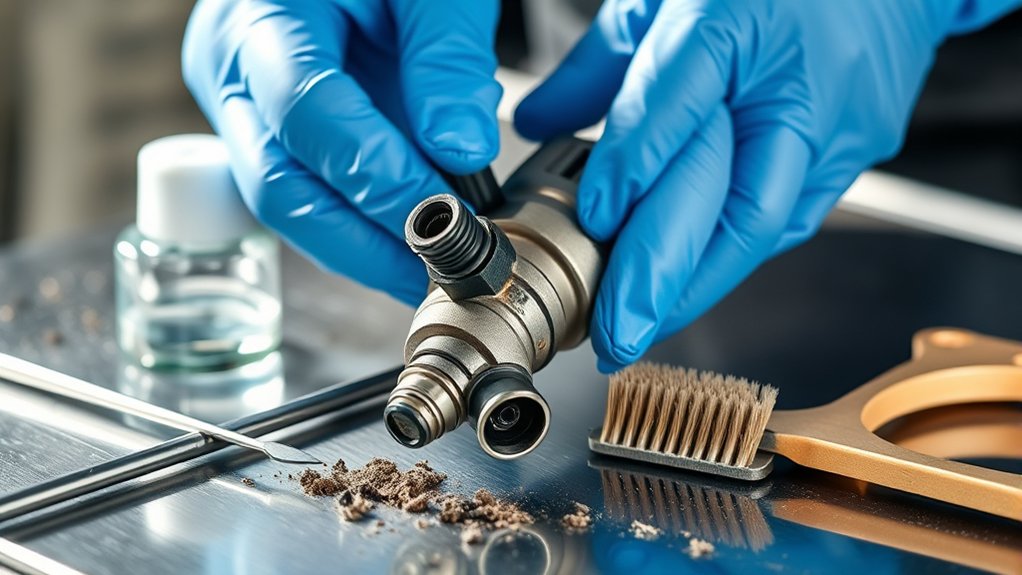
To clean diesel fuel injectors, start by carefully removing them from the engine. Then, soak the injectors in a recommended solvent or use an ultrasonic cleaner to dissolve carbon deposits effectively.
You can also run compatible fuel additives regularly to maintain precise atomization and prevent buildup. Using proper tools, like a fuel injector cleaning kit, along with safety gear, helps protect injector seals and ensures your safety during the process.
Regular cleaning of diesel fuel injectors improves engine efficiency, reduces emissions, and prevents costly damage. If you want more information on diagnostics, tools, and detailed steps, keep exploring these essentials.
Why Cleaning Diesel Fuel Injectors Improves Engine Performance
Why does cleaning diesel fuel injectors substantially boost engine performance? When injectors clog, fuel spray patterns become uneven, disrupting combustion efficiency. This leads to incomplete fuel burn, reducing fuel economy and causing rough idling or power loss.
Clogged injectors disrupt fuel spray, causing poor combustion, reduced fuel economy, and engine performance issues.
By cleaning injectors, you restore precise atomization, ensuring optimal air-fuel mixing. This improves combustion stability, directly enhancing engine reliability and responsiveness. Additionally, clean injectors prevent carbon buildup on valves and pistons, reducing engine wear and maintenance frequency.
You’ll notice smoother acceleration and lower emissions, which translates into better overall engine health. Maintaining clean injectors also helps avoid costly repairs linked to injector failure or fuel system contamination.
In essence, cleaning diesel fuel injectors optimizes fuel delivery, directly supporting fuel economy and prolonging engine life, making it a critical maintenance task you shouldn’t overlook.
How to Spot Dirty Diesel Fuel Injectors Early
Keeping your diesel fuel injectors clean directly impacts engine performance, but catching injector issues early can prevent costly damage and downtime. You’ll want to watch for symptoms often overlooked due to cleaning misconceptions and fuel system myths.
Early signs include rough idling, reduced fuel efficiency, and hard starting.
| Symptom | Cause | Impact |
|---|---|---|
| Rough Idling | Partial clogging | Engine vibration, unstable RPM |
| Reduced MPG | Spray pattern disruption | Increased fuel consumption |
| Hard Starting | Injector nozzle deposits | Delayed ignition |
What Tools You Need to Clean Diesel Fuel Injectors
A reliable set of tools is essential to effectively clean diesel fuel injectors and restore optimal engine performance. You’ll need a fuel injector cleaning kit, including a pressurized canister and adapters compatible with your injector model.
A digital multimeter helps verify electrical connections, while a torque wrench ensures proper reinstallation. Safety gear, such as gloves and goggles, protects you during the process. Don’t get distracted by tokenized humor or an unrelated topic like garden tools; focus on precision.
Additionally, fuel injector ultrasonic cleaners can remove stubborn deposits without damaging components. Having a clean workspace and the vehicle’s service manual on hand prevents errors. With these tools, you can maintain injector efficiency and avoid costly repairs.
How to Clean Diesel Fuel Injectors Step-by-Step
First, gather all necessary cleaning materials and ensure your workspace is well-organized. Next, follow a systematic procedure to remove, clean, and reinstall each injector safely. This step-by-step approach helps restore injector performance and prevent damage.
Preparing Cleaning Materials
Several essential tools and cleaning agents must be gathered before you begin servicing diesel fuel injectors. You’ll need a high-quality injector cleaning solvent designed specifically for diesel systems, ensuring it effectively removes carbon deposits without damaging seals.
Use a precise injector cleaning kit that includes adapters compatible with your injector type. Don’t overlook safety gear: gloves and eye protection are mandatory.
Avoid falling for calibration myths or fuel economy myths that suggest less thorough cleaning methods suffice; proper preparation impacts injector performance and longevity. Additionally, have a clean workspace and containers for used solvents to prevent contamination.
Injector Cleaning Procedure
Before you start cleaning, guarantee the engine is cool and the vehicle is securely positioned. Begin by disconnecting the fuel lines and removing the injectors carefully to avoid damage.
Submerge each injector in a container filled with recommended cleaning solvents, ensuring full coverage of nozzle tips. Use an ultrasonic cleaner if available; it enhances solvent penetration and removes deposits effectively.
After soaking for the prescribed time, use a soft brush to gently clear any remaining residue. Flush the injectors with clean solvent to eliminate loosened contaminants.
Dry the injectors thoroughly before reinstalling them. Throughout the process, practice strict time management to prevent solvent evaporation and ensure optimal cleaning results.
Finally, reattach the injectors and fuel lines securely, then test the engine for proper operation.
Using Fuel Additives to Clean Diesel Injectors
A well-chosen fuel additive can effectively dissolve deposits and improve the performance of diesel fuel injectors. You need to separate facts from cleaning myths and fuel treatment misconceptions to get the best results. Many believe all additives work the same, but their chemical formulations differ markedly.
When using fuel additives, consider these points:
- Compatibility: Ensure the additive suits your diesel engine and fuel type to avoid damage.
- Concentration: Follow manufacturer dosing instructions precisely; overuse can harm injectors.
- Frequency: Use additives regularly as preventive maintenance, not just when problems arise.
Proper use of fuel additives maintains injector cleanliness, optimizes spray patterns, and enhances combustion efficiency without the risks associated with improper manual cleaning.
How to Remove and Manually Clean Diesel Fuel Injectors
While fuel additives help maintain injector cleanliness during operation, stubborn deposits or performance issues may require you to remove and manually clean the diesel fuel injectors. First, relieve fuel system pressure and disconnect the battery to ensure safety.
Carefully detach the fuel lines, electrical connectors, and mounting bolts securing each injector. Use manufacturer-recommended tools to avoid damage.
Once removed, soak the injectors in a specialized cleaning solution designed to dissolve carbon buildup, especially relevant when using alternative fuel types that can leave unique residues. Gently brush the nozzles and tips to remove stubborn deposits without compromising precision.
Rinse with clean solvent and inspect for wear or damage affecting emission controls. Reinstall injectors with new seals and torque to specifications.
Manual cleaning restores optimal spray patterns, maintaining engine efficiency and compliance with emission standards.
How to Know When Diesel Injectors Need Professional Cleaning
You’ll notice common symptoms like rough idling, reduced fuel efficiency, and increased smoke if your diesel injectors need professional cleaning. Changes in engine performance or emissions often signal injector blockages or wear. Identifying these signs early helps prevent costly damage and keeps your engine running optimally.
Common Injector Symptoms
How can you tell when diesel fuel injectors require professional cleaning? Recognizing common symptoms helps prevent damage to injector materials caused by debris and varnish buildup, which standard cleaning solvents might not remove effectively.
- Rough Engine Idle: Deposits on injector nozzles disrupt fuel spray patterns, causing engine misfires and unstable idling.
- Increased Fuel Consumption: Clogged injectors reduce combustion efficiency, forcing the engine to consume more fuel.
- Hard Starting: Excessive buildup impairs fuel atomization, making ignition difficult, especially in cold conditions.
If you notice these symptoms, it’s crucial to use appropriate cleaning solvents designed for diesel injectors or seek professional service. Proper maintenance protects injector materials, ensuring optimal fuel delivery and engine performance.
Performance and Emission Changes
When do performance and emission changes signal the need for professional diesel injector cleaning? You’ll notice reduced engine power, rough idling, or increased fuel consumption, clear signs that injectors may be clogged or malfunctioning.
These issues disrupt fuel atomization, impairing combustion efficiency and causing excessive soot buildup. Consequently, diesel particle filters (DPFs) can clog prematurely, reducing their effectiveness and increasing backpressure.
Additionally, you might detect higher emissions, failing emission tests, or experiencing smoke during acceleration. Even with eco-friendly fuels, deposits can still accumulate over time, necessitating injector maintenance.
To restore optimal performance and protect emission control systems, professional cleaning is essential. It ensures injectors spray fuel precisely, maintaining combustion quality and prolonging the lifespan of critical components like DPFs.
Don’t delay—address these changes promptly for efficient, compliant diesel operation.
Mistakes to Avoid When Cleaning Diesel Fuel Injectors
Why do so many diesel fuel injector cleaning attempts fail? Often, it’s because people fall for inspector myths or underestimate DIY hazards. Avoid these common mistakes to ensure effective cleaning:
- Using improper cleaning agents: Not all solvents are suitable for diesel injectors. Using the wrong chemicals can damage seals or clog injectors further.
- Neglecting professional diagnostic tools: Relying solely on visual inspection or guesswork leads to incomplete cleaning or missed underlying issues.
- Skipping safety protocols: Diesel fuel and cleaning solvents are hazardous. Not wearing protective gear or working in a ventilated area increases risks.
How Often You Should Clean Diesel Fuel Injectors
Avoiding common mistakes in cleaning diesel fuel injectors sets the foundation for maintaining optimal injector performance. You should clean your diesel fuel injectors every 20,000 to 30,000 miles, but this interval can vary depending on fuel quality and operating conditions.
Pay attention to fuel pricing fluctuations and diesel politics, as changes in fuel formulations or additives may impact injector deposits and cleaning frequency. Regular inspections help detect early signs of clogging or wear, preventing costly repairs.
Monitor fuel changes and inspect injectors regularly to catch deposits early and avoid expensive damage.
If you notice reduced fuel efficiency, rough idling, or increased emissions, prioritize injector cleaning regardless of mileage. Staying proactive with maintenance ensures consistent fuel atomization and combustion, preserving engine performance and longevity.
Adjust your cleaning schedule based on these technical factors for the best results.
Tips to Boost Engine Performance After Cleaning Injectors
To maximize engine performance after cleaning your diesel fuel injectors, focus on optimizing fuel efficiency through proper tuning and quality fuel use. You should also establish a regular maintenance schedule to prevent injector buildup and maintain consistent operation. These steps help ensure your engine runs smoothly and delivers peak power.
Optimize Fuel Efficiency
Regularly optimizing your diesel engine after cleaning the fuel injectors guarantees you maximize fuel efficiency and overall performance. To maintain optimal fuel economy, focus on these key actions:
- Adjust Cleaning Frequency: Tailor injector cleaning intervals based on your engine’s operating conditions and fuel quality. Over-cleaning wastes resources; under-cleaning reduces efficiency.
- Implement Fuel System Diagnostics: Use advanced diagnostic tools to identify injector wear, spray pattern defects, or fuel pressure inconsistencies that impair combustion and increase fuel consumption.
- Optimize Engine Tuning: Fine-tune injection timing and fuel delivery settings post-cleaning to ensure precise combustion, reducing unburned fuel and emissions.
Regular Maintenance Schedule
A consistent maintenance schedule plays a crucial role in sustaining engine performance after cleaning your diesel fuel injectors. Adhering to a strict maintenance cadence ensures the injectors remain free from deposits, preventing performance decline.
You should schedule injector inspections and cleaning interventions based on manufacturer recommendations and operational conditions. Following cleaning ethics means using approved solvents and techniques that avoid damage to injector components.
Additionally, regularly replacing fuel filters and monitoring fuel quality complements injector upkeep, reducing contaminants that cause clogging. Logging each maintenance activity helps you track injector health and predict service intervals accurately.
Frequently Asked Questions
Can Dirty Injectors Cause Increased Exhaust Smoke?
Yes, dirty injectors can cause increased exhaust smoke because fuel contaminants disrupt proper atomization, leading to incomplete combustion.
You’ll notice more smoke as unburned fuel exits the exhaust, signaling injector maintenance is needed.
Are Diesel Injector Cleaners Safe for All Engine Types?
You might think diesel injector cleaners are universally safe, but their fuel additive safety varies by engine type. You should check compatibility before use, adjusting your cleaning frequency accordingly to avoid damaging sensitive components or voiding warranties.
How Do Injector Issues Affect Fuel Economy?
Injector issues reduce fuel atomization, causing inefficient combustion and lowering your fuel economy. Using proper cleaning methods restores injector function, improving fuel economy impact by enhancing fuel delivery precision and optimizing engine performance.
Can Poor-Quality Diesel Fuel Damage Injectors?
Poor-quality diesel fuel can wreak havoc on your injectors! Fuel contaminants clog and corrode them, exploiting their sensitivity.
You’ll face reduced performance and costly repairs unless you use clean, high-grade diesel consistently.
Is Injector Cleaning Covered Under Vehicle Warranty?
Warranty coverage for injector cleaning varies; you’ll need to check your vehicle’s specific cleaning scope. Typically, routine cleaning isn’t covered unless it’s part of a manufacturer-recommended service or linked to a defect under warranty terms.
Conclusion
Regularly cleaning your diesel fuel injectors can improve fuel efficiency by up to 10%, reducing emissions and enhancing engine performance. By spotting early signs of injector clogging and using the right tools, you can maintain favorable combustion and avoid costly repairs.
Remember, while fuel additives help, professional cleaning is essential when deposits become severe. Stick to a cleaning schedule every 25,000 miles to keep your engine running smoothly and extend its lifespan effectively.
In conclusion, maintaining clean diesel fuel injectors is key to achieving optimal engine performance and longevity.