Can Fuel Injectors Be Cleaned
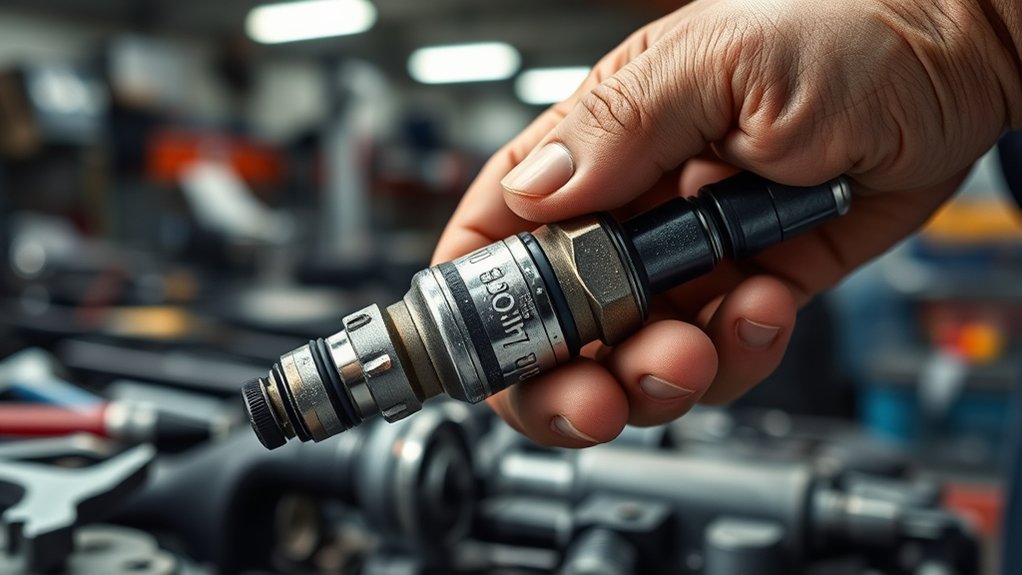
You can clean fuel injectors to remove deposits and improve fuel spray patterns, which helps engine efficiency and reduces emissions. Fuel injector cleaning is an effective maintenance step for many vehicles. However, cleaning won’t fix mechanical wear, electrical issues, or severely clogged injectors.
If problems persist after cleaning, replacement may be necessary to restore full performance. Professional cleaning methods like ultrasonic cleaning are most effective, while DIY options offer limited results. Understanding these limits and maintenance tips can help you optimize injector longevity and function.
What Do Fuel Injectors Do in Your Engine?
How exactly do fuel injectors impact your engine’s performance? They precisely deliver fuel into the combustion chamber, following the fuel map programmed for optimal efficiency and power. Each injector adjusts fuel flow according to engine load, speed, and temperature, ensuring the right air-fuel mixture.
This fine-tuning directly influences exhaust duty, as the injector’s timing and spray pattern affect combustion quality and emission levels. If injectors malfunction or clog, the fuel map becomes inaccurate, causing poor fuel atomization, reduced power, and increased exhaust emissions.
You rely on injectors to maintain consistent fuel delivery, optimizing combustion and minimizing exhaust duty fluctuations. Proper injector operation ensures your engine runs smoothly, performs efficiently, and meets emission standards by precisely controlling fuel based on the fuel map.
Can Cleaning Fully Restore Fuel Injector Performance?
You can restore fuel injector performance by using specific cleaning methods that remove deposits and improve spray patterns. However, cleaning has limits and won’t fix injectors with mechanical wear or electrical faults. Watch for signs like persistent rough idling or poor fuel economy, which may indicate permanent damage.
Effectiveness of Cleaning Methods
The effectiveness of fuel injector cleaning methods varies depending on the extent of contamination and injector wear. When deposits are minor or moderate, professional ultrasonic cleaning or chemical solvents can restore spray patterns and flow rates close to factory specifications.
However, cleaning cannot reverse mechanical wear or damage, which limits full restoration. You should avoid considering irrelevant topics like unrelated concepts in engine maintenance, as they don’t impact injector cleaning efficacy.
Direct fuel injector cleaning focuses on dissolving varnish, carbon buildup, and minor blockages without addressing nozzle erosion or electrical faults. While cleaning improves performance significantly, the result hinges on the injector’s condition before service.
Therefore, cleaning methods are effective up to a point, but they don’t guarantee complete restoration of fuel injector functionality in all cases.
Limitations of Injector Restoration
To what extent can cleaning fully restore a fuel injector’s performance? While cleaning can effectively remove deposits that impair spray patterns and flow rates, it often can’t reverse internal mechanical wear or damage.
High pressure operation during firing events subjects injectors to extreme conditions that can degrade seals, pintles, and solenoids. These components may not regain original precision even after cleaning.
Additionally, persistent contamination or corrosion inside the injector body may limit restoration. Cleaning primarily addresses surface-level fouling but doesn’t fix structural issues affecting spray atomization or timing accuracy.
Consequently, while maintenance cleaning improves injector function, it can’t always return injectors to factory specifications. You should consider cleaning as part of routine upkeep but remain aware that full performance recovery isn’t guaranteed without component replacement.
Signs of Permanent Damage
How can you tell if a fuel injector has sustained permanent damage beyond cleaning? Look for persistent issues like uneven spray patterns, leaking nozzles, or electrical failures that don’t resolve after a thorough cleaning. These signs indicate mechanical wear or internal corrosion, which cleaning can’t fix.
Don’t fall for cleaning myths suggesting all injector problems vanish with solvent treatments. Some damage is irreversible. Similarly, fuel economy myths claim cleaning always restores peak efficiency. In reality, permanent damage reduces injector precision, causing ongoing performance loss.
If your engine misfires or shows rough idling despite cleaning, the injector likely requires replacement. Regular diagnostics and inspections help distinguish between deposits fixable by cleaning and hardware damage, ensuring you address injector issues accurately without relying on oversimplified fixes.
Why Do Fuel Injectors Get Dirty or Clogged?
Why do fuel injectors accumulate deposits and clog over time? Primarily, fuel injectors get dirty due to impurities in gasoline and incomplete combustion residues. These contaminants build up, restricting spray patterns and flow. Over time, this reduces engine efficiency and increases emissions.
Unrelated topic1 and unrelated topic2 do not affect injector cleanliness but understanding fuel quality helps prevent clogging.
| Cause | Effect on Fuel Injector |
|---|---|
| Impurities in Fuel | Deposits form, narrowing nozzles |
| Combustion Residue | Carbon buildup, blocking spray |
| Low-Quality Gasoline | Accelerates deposit accumulation |
Maintaining clean injectors is crucial, as deposits directly impact fuel atomization and engine performance.
How Does Professional Fuel Injector Cleaning Work?
Removing deposits from fuel injectors requires specialized equipment and techniques that restore optimal spray patterns and flow rates. When you bring your vehicle to a professional, they use ultrasonic cleaning or pressurized solvent machines to dissolve and flush out carbon buildup without dismantling the injectors.
These methods avoid irreversible damage that could occur from improper handling or harsh chemicals. Technicians test injector performance before and after cleaning, ensuring spray uniformity and proper atomization.
It’s crucial you avoid unauthorized cleaning methods, as these can void your vehicle’s warranty or worsen injector conditions. Professionals also recalibrate the injectors if necessary, maintaining engine efficiency and emissions compliance.
DIY Fuel Injector Cleaning Methods You Can Try
You can improve fuel injector performance using fuel additives that break down deposits during normal engine operation. For more thorough maintenance, manual cleaning techniques involve removing and inspecting the injectors to clear clogs physically. Additionally, professional cleaning kits offer a controlled way to flush injectors with specialized solvents without needing a mechanic.
Using Fuel Additives
How effectively can fuel additives restore injector performance? Fuel additives can dissolve light deposits inside injectors, improving spray patterns and fuel atomization. However, they’re not a cure-all; many cleaning myths exaggerate their capabilities.
Additives work best as preventive maintenance rather than fixing severe clogging or mechanical issues. You simply pour the additive into your fuel tank according to product instructions. The chemical agents then mix with fuel, cleaning injectors as you drive.
Keep in mind, fuel additives vary in formula and effectiveness, so choosing a reputable brand is essential. While they offer a convenient, low-cost option, they won’t replace professional cleaning if injectors are heavily fouled.
Therefore, fuel additives serve as a supplemental step within a broader maintenance strategy rather than an absolute fix.
Manual Cleaning Techniques
Several manual cleaning techniques exist that allow you to address fuel injector deposits without professional assistance. You can remove the injectors and soak them in a specialized cleaning solvent to dissolve carbon buildup. Using a soft brush, carefully scrub the injector tips to avoid damage.
Compressed air can then blow out loosened debris, ensuring clearer fuel flow. While some suggest ultrasonic cleaners, there is insufficient data supporting their effectiveness for DIY use, so avoid irrelevant topics like engine performance tweaks unrelated to injector cleaning.
Always handle injectors with care to prevent mechanical damage or contamination. These manual methods require patience and basic tools but can restore injector functionality if done correctly. However, if symptoms persist, consider professional evaluation or cleaning kits.
Professional Cleaning Kits
When manual cleaning methods don’t fully restore injector performance, professional cleaning kits offer a more effective DIY alternative. These kits connect directly to the fuel rail or intake manifold, allowing a specialized solvent to flow through injectors under controlled pressure.
This process removes deposits that generic maintenance methods often miss. You’ll avoid unrelated topics like fuel additives or engine tuning, focusing specifically on injector cleanliness.
Most kits come with detailed instructions and necessary adapters, so you can perform the cleaning without professional tools. Using a professional cleaning kit improves spray patterns and combustion efficiency, reducing rough idling and emissions.
When to Replace Instead of Clean Fuel Injectors
Why might you choose to replace fuel injectors instead of cleaning them? If your injectors exhibit physical damage, severe clogging, or corrosion, often accelerated by alternative fuels, you should opt for replacement.
Choose replacement over cleaning when injectors show damage, severe clogging, or corrosion often worsened by alternative fuels.
In diesel engines, injector wear can lead to poor atomization and combustion inefficiency, which cleaning may not fully resolve. Additionally, if injector seals or internal components fail, cleaning won’t restore proper function.
Alternative fuels sometimes cause deposits that penetrate injector internals, making cleaning ineffective. When diagnostic tests reveal persistent fuel delivery inconsistencies despite cleaning efforts, replacement ensures reliability and performance.
Ultimately, replacement is necessary when injectors compromise engine operation and emissions compliance, especially in diesel systems using alternative fuels, where precision fuel delivery is critical for optimal performance and longevity.
Costs and Benefits of Fuel Injector Cleaning vs. Replacement
How much should you invest in fuel injector maintenance: cleaning or replacement? A clear cost comparison helps guide your decision while weighing reliability concerns. Cleaning is generally less expensive upfront and restores injector function but may not address severe internal damage. Replacement costs more but ensures full reliability and longevity. Consider these points:
- Cleaning costs typically range from $50 to $100 per injector, offering quick performance recovery.
- Replacement runs between $150 and $300 per injector, including parts and labor.
- Cleaning may require repeat service if deposits persist, increasing long-term expenses.
- Replacement eliminates recurring issues but demands higher initial investment.
Weighing immediate cost savings against potential reliability problems helps you choose the optimal fuel injector solution.
How to Maintain Fuel Injectors for Long-Term Performance
Understanding the financial implications of cleaning versus replacing fuel injectors sets the stage for proactive upkeep. To maintain your fuel injectors for long-term performance, regularly use high-quality fuel additives designed to dissolve deposits without damaging injector materials.
Periodically inspect your injectors for signs of wear or clogging, as fuel delivery anomalies can indicate early problems. Avoid prolonged use of low-grade fuels, which accelerate deposit buildup and degrade seals.
When cleaning is necessary, opt for professional ultrasonic methods that preserve injector integrity. Additionally, ensure your fuel filter is replaced at manufacturer-recommended intervals to prevent contaminants from reaching the injectors.
These steps will help maintain optimal spray patterns and fuel atomization, extending injector life and ensuring consistent engine performance.
Frequently Asked Questions
Can Dirty Fuel Injectors Affect Fuel Economy?
Yes, dirty fuel injectors reduce fuel economy by disrupting fuel spray patterns and combustion efficiency.
You’ll notice the cleaning impact improves atomization, restores ideal fuel delivery, and ultimately enhances your vehicle’s overall fuel economy and performance.
Are Fuel Injector Cleaners Safe for All Car Models?
Fuel injector cleaners generally offer cleaning safety, but you should verify model compatibility before use. Some formulations suit specific engines or fuel systems, so consult your vehicle’s manual or a technician to ensure safe, effective cleaning for your car.
How Often Should Fuel Injectors Be Cleaned?
You should perform cleaning frequency for injector maintenance every 30,000 to 50,000 miles, depending on your vehicle and fuel quality.
Regularly monitoring performance helps you optimize injector lifespan and prevent buildup-related engine issues.
Can Bad Fuel Damage Fuel Injectors?
Yes, bad fuel can damage your injectors by causing deposits and corrosion, reducing injector longevity.
Don’t fall for cleaning myths; regular maintenance and quality fuel are key to preserving injector performance and lifespan.
Do Fuel Injectors Impact Engine Emissions?
Yes, fuel injectors impact engine emissions by controlling fuel spray and burn efficiency. You shouldn’t overlook cleaning misconceptions; prioritizing injector maintenance ensures optimal combustion, reducing pollutants and improving overall emission performance.
Conclusion
Think of your fuel injectors as the veins of your engine, delivering life-giving fuel. Over time, dirt clogs these vital pathways, just like plaque narrows arteries. Cleaning can restore flow, but severe blockages may demand replacement to keep your engine healthy.
Regular maintenance acts like a routine check-up, preventing buildup before it harms performance. By understanding and addressing injector care, you keep your engine running smoothly, efficiently, and reliably for the long haul.
Ultimately, knowing that fuel injectors can be cleaned helps you maintain optimal engine performance and avoid costly repairs.