How Do I Test Fuel Injectors
To test fuel injectors, start by identifying symptoms like rough idling or misfires. These issues often point to injector problems.
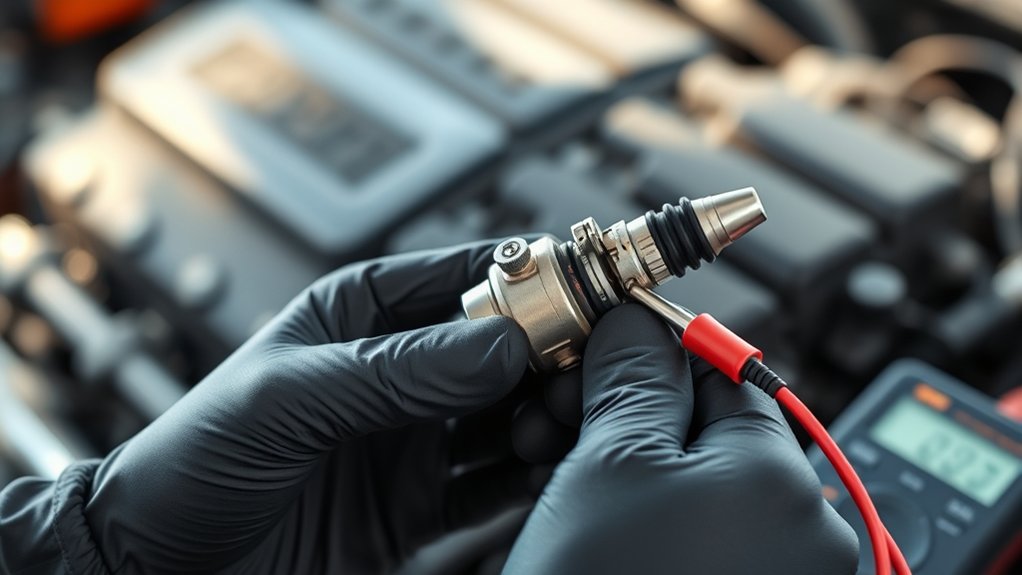
Next, inspect electrical connections for damage or corrosion, using a multimeter to check voltage and continuity.
Then, carefully test spray patterns in a well-ventilated area, watching for even atomization. This step helps determine if the injectors are spraying fuel correctly.
Measure flow rates with a graduated container and stopwatch while maintaining pressure.
Finally, use a specialized tester tool to simulate engine conditions and verify injector response.
Following these steps ensures accurate diagnosis and informed next actions.
Proper testing helps maintain engine performance and fuel efficiency.
Identifying Signs of Faulty Fuel Injectors
How can you tell if your fuel injectors are failing? You’ll notice symptoms like rough idling, decreased fuel efficiency, engine misfires, or increased emissions.
Identifying misconceptions is crucial. Sometimes these symptoms indicate other engine issues, not just injector faults. A thorough inspection helps rule out other causes before focusing on injectors.
Recognizing that symptoms may stem from various engine issues ensures accurate diagnosis before blaming fuel injectors.
Incorporate regular maintenance routines such as cleaning injectors and using fuel additives to prevent clogging. Pay attention to changes in engine performance, as gradual injector degradation is common.
Precise identification involves monitoring injection patterns and fuel spray quality, usually requiring specialized diagnostic tools. By understanding these signs and avoiding common misconceptions, you’ll effectively determine if your fuel injectors need testing or replacement, ensuring optimal engine function and fuel economy.
Checking Fuel Injector Electrical Connections
Before testing the fuel injectors themselves, you should verify the integrity of their electrical connections. Start by performing a thorough wiring harness inspection to detect any damage or loose connectors.
Pay close attention to finding harness corrosion, as it can cause intermittent injector failure. Use a multimeter to check for continuity and proper voltage at each injector connector.
Here’s a quick reference table for typical issues and checks:
| Issue Detected | Inspection Method |
|---|---|
| Corroded connectors | Visual and contact test |
| Broken wires | Continuity test |
| Loose connectors | Physical tug and reseat |
| Voltage irregularities | Multimeter voltage check |
| Harness wear/damage | Visual inspection |
Thorough electrical connection checks prevent misdiagnosis and ensure accurate injector testing.
Safely Testing Fuel Injector Spray Patterns
When you test fuel injector spray patterns, safety and accuracy are paramount. To ensure safe testing, work in a well-ventilated area free from ignition sources, and wear protective eyewear and gloves.
Disconnect the fuel injector from the fuel rail carefully to prevent fuel spray hazards. Use a dedicated injector tester or a pulsar to activate the injector, directing the spray into a clear container or onto a clean piece of paper.
Observe the spray patterns closely; a uniform, finely atomized cone shape indicates proper function, while drips, uneven spray, or flooding signal issues. Avoid prolonged activation to prevent overheating or damage.
Measuring Fuel Injector Flow Rates at Home
After confirming that your fuel injector’s spray pattern is consistent and properly atomized, the next step involves measuring its flow rate to verify it delivers the correct volume of fuel. To do this at home, you’ll need a graduated container and a stopwatch to collect and time the fuel output during injector activation.
Ensure your testing setup maintains the injector’s operating pressure for reliable results. Prioritize testing accuracy by calibrating any sensors or pressure gauges you use before starting measurements.
Collect fuel over a fixed period, then calculate flow rate by dividing volume by time. Repeat the test multiple times to confirm consistency.
This precise measurement helps identify clogged or leaking injectors, ensuring your engine runs efficiently without excessive fuel consumption or misfires.
Using a Fuel Injector Tester Tool Effectively
How can you ensure your fuel injectors perform at their best without guesswork? Using a fuel injector tester tool effectively hinges on strict adherence to testing precision and thorough injector calibration.
First, connect the tester according to the manufacturer’s instructions, ensuring a secure electrical connection. Next, set the tool to simulate operating conditions that match your engine’s specifications.
Pay close attention to pulse width and spray pattern readings; these parameters directly impact injector calibration. Monitor the injector’s response to varying signals, noting any deviations from expected values.
Accurate timing and consistent spraying confirm injector health, while irregularities highlight potential issues. By systematically applying these steps, you’ll achieve reliable diagnostics and maintain optimal injector performance, minimizing errors commonly associated with manual assessments.
Next Steps After Finding Fuel Injector Problems
What should you do once a fuel injector problem is identified? First, confirm your diagnosis by measuring flow rates to quantify injector performance precisely. Comparing flow measurements against manufacturer specifications helps determine if cleaning or replacement is necessary.
Next, inspect electrical connections and wiring for continuity issues, ensuring the injector receives proper signals. If identifying signs point to clogging or deposits, consider ultrasonic cleaning to restore optimal spray patterns.
However, if flow irregularities persist post-cleaning, replacing the faulty injector is advisable to prevent engine performance degradation. Finally, after repair or replacement, re-test the injectors under operating conditions to verify uniform fuel delivery.
Following these technical steps ensures accurate resolution and maintains engine efficiency and emissions compliance.
Frequently Asked Questions
What Type of Fuel Injector Is Best for My Vehicle?
You’ll want to select a fuel injector with ideal flow rate and precise atomization for your engine. Prioritize compatibility and durability, ensuring the injector meets your vehicle’s specifications and supports efficient fuel delivery and engine performance.
How Often Should Fuel Injectors Be Replaced?
Wondering when to act? Injector replacement cycles typically range from 50,000 to 100,000 miles, but depends on usage.
Keep an eye on injector replacement cost, as delaying may increase expenses and damage engine performance substantially.
Can Bad Fuel Injectors Cause Engine Overheating?
Yes, bad injectors can cause engine overheating by disrupting the air-fuel mixture, leading to inefficient combustion and increased engine temperature.
You should inspect and replace faulty injectors promptly to prevent overheating and engine damage.
Are Fuel Injector Cleaning Additives Effective?
You might be surprised, but injector cleaning with fuel additives can be quite effective if used correctly. These additives dissolve deposits, restore spray patterns, and improve combustion.
This works only when combined with proper maintenance and quality fuel.
What Tools Do Professionals Use for Injector Diagnostics?
You’ll find professionals rely on advanced testing tools like ultrasonic cleaners, fuel pressure gauges, and oscilloscope diagnostics. These approaches debunk injector cleaning myths and help determine accurate replacement intervals, ensuring optimum injector performance and engine efficiency.
Conclusion
Testing fuel injectors might seem complex, but with the right tools and safety precautions, you can accurately diagnose issues yourself. Don’t worry if you lack advanced equipment; simple flow and spray pattern checks reveal a lot about injector health.
By identifying problems early, you prevent engine damage and costly repairs. Take your time, follow safety steps, and you’ll gain confidence in maintaining your fuel system’s performance effectively.
Remember, knowing how to test fuel injectors is essential for keeping your engine running smoothly and efficiently.