What Is All Wheel Drive
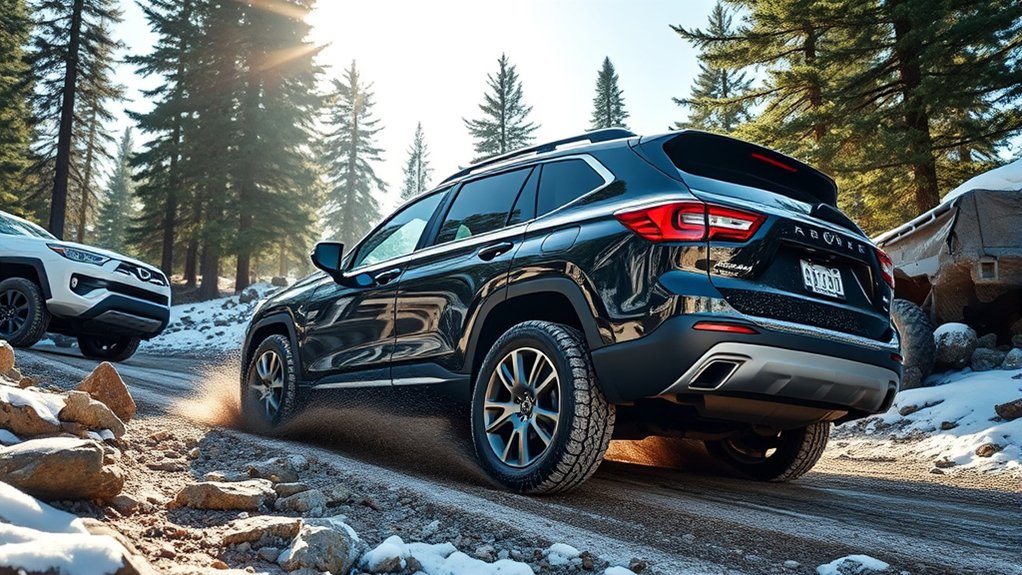
All-wheel drive (AWD) constantly powers all four wheels, adjusting torque in real time to optimize traction and stability across varying surfaces like wet, icy, or uneven roads.
Using sensors and electronic controls, it reduces wheel spin, improves cornering grip, and enhances acceleration stability without driver input.
Unlike 4WD, AWD works automatically and suits mixed terrains, boosting safety and handling.
If you want to understand how this system adapts and affects performance, keep exploring further details.
What Is All-Wheel Drive and How Does It Work
How exactly does all-wheel drive (AWD) work to improve vehicle performance? AWD continuously distributes power to all four wheels, optimizing traction based on real-time conditions. Sensors monitor wheel slip and adjust torque delivery, enhancing all weather handling by maintaining grip on wet, icy, or uneven surfaces.
This dynamic power distribution minimizes wheel spin and stabilizes the vehicle during acceleration and cornering. You’ll also benefit from improved off road readiness, as AWD systems adapt to uneven terrain by allocating power where it’s needed most.
Unlike traditional systems that send power to two wheels, AWD’s sophisticated drivetrain ensures consistent engagement, providing better control and safety. Understanding this mechanism helps you appreciate how AWD enhances driving confidence in variable conditions.
AWD vs. 4WD: What’s the Difference?
You’ll notice AWD and 4WD differ primarily in drivetrain configuration, with AWD providing continuous power to all wheels and 4WD offering selectable power distribution. Each system performs uniquely across terrains, with 4WD excelling in off-road conditions while AWD optimizes traction on mixed surfaces. Additionally, these differences impact fuel efficiency, as AWD systems typically consume less fuel due to lighter components and automatic engagement.
Drivetrain Configuration Differences
What sets all-wheel drive (AWD) apart from four-wheel drive (4WD) lies in their drivetrain configurations and operational mechanics. AWD systems use a complex drivetrain architecture that automatically distributes torque between front and rear axles based on traction needs, without driver intervention.
This seamless power modulation enhances stability during routine driving and aligns with touring with AWD guidelines for consistent road handling. Conversely, 4WD systems typically feature a more robust, manually engaged drivetrain, optimized for rugged conditions. You switch between two-wheel and four-wheel modes, locking the drivetrain to maximize traction on challenging terrain.
Understanding these differences helps you select the right system for your driving style, ensuring optimal performance and safety tailored to your vehicle’s drivetrain design and intended use.
Performance on Various Terrains
Terrain adaptability defines the core distinction between AWD and 4WD systems. When you navigate varied terrain, AWD’s automatic torque distribution via electric motors adjusts power seamlessly to each wheel, enhancing grip on slippery or uneven surfaces without input. This dynamic response excels on wet roads, light snow, and mild off-road conditions.
In contrast, 4WD systems engage manually or automatically in low-range modes, providing maximum torque to all wheels for rugged, off-road challenges like deep mud, rocks, or steep inclines. While AWD’s electric motors optimize traction on mixed urban and light off-road environments, 4WD’s mechanical robustness suits severe terrain where wheel slip must be aggressively controlled. Understanding these performance nuances helps you select the drivetrain tailored to your driving conditions.
Fuel Efficiency Comparison
How does fuel efficiency vary between AWD and 4WD systems under real-world driving conditions? Generally, AWD systems offer better fuel economy than traditional 4WD because AWD engages all wheels automatically, optimizing power distribution without excessive drivetrain drag.
In contrast, 4WD often requires manual activation and includes heavier components, increasing mechanical resistance and reducing fuel economy during standard driving. Additionally, 4WD systems typically have higher maintenance costs due to more complex transfer cases and additional drivetrain parts.
AWD’s continuous operation can slightly reduce fuel efficiency compared to two-wheel drive but remains more efficient than 4WD in everyday use. When choosing between these systems, consider how you prioritize fuel economy versus off-road capability and maintenance costs to match your driving needs precisely.
What Are the Different Types of AWD?
Why does AWD vary so much across vehicles? It’s because manufacturers design AWD systems tailored to specific needs like all terrain exploration or winter driving strategies. You’ll encounter full-time AWD, which constantly distributes power to all wheels, enhancing control on slippery surfaces.
Then, part-time AWD engages the rear wheels only when front-wheel slippage occurs, optimizing fuel efficiency during regular driving. Some systems use mechanical differentials for torque distribution, while others rely on electronic controls to adjust power distribution dynamically.
Additionally, sophisticated torque vectoring AWD can send precise torque amounts to individual wheels, improving handling in complex conditions. Understanding these types helps you choose a vehicle suited for your driving environment, whether it’s rugged off-road trails or icy city streets.
How AWD Improves Traction and Stability
You’ll notice AWD systems enhance grip control by distributing torque to wheels with the most traction, reducing slippage on slippery surfaces. This dynamic torque allocation also improves vehicle balance, especially during cornering and sudden maneuvers. Understanding these mechanisms helps clarify how AWD maintains stability in varying driving conditions.
Enhanced Grip Control
What sets all-wheel drive (AWD) apart in maintaining control is its ability to distribute torque dynamically across all four wheels. This real-time torque allocation enhances grip by ensuring that power reaches the wheels with the most traction, reducing wheel slip on slippery or uneven surfaces.
Integrated traction control systems complement this by monitoring wheel speed sensors and adjusting torque delivery instantly, preventing loss of traction before it occurs. As a result, you experience improved responsiveness and stability during acceleration and cornering.
Enhanced grip control allows AWD-equipped vehicles to maintain optimal contact with the road, especially in adverse conditions like rain, snow, or loose gravel. This precise management of power flow significantly elevates your vehicle’s traction control capabilities, ensuring safer and more confident handling.
Improved Vehicle Balance
Vehicle balance plays an essential role in how AWD systems enhance traction and stability by distributing power evenly between the front and rear axles. This balanced power delivery improves your control, especially during acceleration and cornering on slippery surfaces.
When comparing brands, note how some AWD systems require less discrete maintenance due to advanced torque vectoring technologies. Here’s how AWD improves vehicle balance:
- Equal power split reduces understeer and oversteer tendencies.
- Continuous torque adjustment adapts to changing road conditions.
- Synchronized axle response maintains vehicle stability during dynamic maneuvers.
- Reduced drivetrain stress lowers maintenance needs, enhancing reliability.
Understanding these factors helps you appreciate the precise engineering behind AWD systems and make informed choices based on brand comparison and maintenance requirements.
When Does AWD Make the Biggest Difference?
When do all-wheel drive systems deliver the most noticeable performance benefits? AWD excels in low-traction conditions like wet, snowy, or icy roads by distributing power to all four wheels, maximizing grip and stability. You’ll notice a significant difference during rapid acceleration on slippery surfaces or when maneuvering uneven terrain, where AWD prevents wheel slip and enhances control.
Unlike a stationary indoor cycling setup or the static balance of aquarium decor, AWD dynamically adjusts torque, responding instantly to changing road conditions. This real-time adaptation reduces understeer and oversteer, providing confident handling.
However, on dry pavement or smooth surfaces, AWD’s advantages diminish since all wheels maintain traction. Consequently, if you frequently drive in variable weather or off-road, AWD makes the biggest difference in maintaining vehicle stability and safety.
Popular Vehicles With All-Wheel Drive
Which models stand out for their all-wheel drive capabilities? You’ll find that many vehicles excel in delivering consistent traction and all season capability, especially under varying road conditions. Here are four popular AWD-equipped models:
- Subaru Outback Known for its symmetrical AWD system, it provides balanced weight distribution and reliable traction.
- Audi Q5 Combines luxury branding with quattro AWD, enhancing handling and stability on diverse surfaces.
- Tesla Model Y Offers an electric AWD setup that adjusts power between axles for optimal performance and efficiency.
- Jeep Grand Cherokee Features a sophisticated AWD system tailored for both on-road comfort and off-road capability.
Each of these vehicles integrates AWD with precision, ensuring superior control and safety across seasons without compromising performance or luxury.
AWD Pros and Cons
Exploring popular AWD models helps highlight the technology’s strengths, but it’s equally important to understand the trade-offs involved. AWD enhances traction and stability by distributing power to all wheels, improving control in adverse conditions.
This technological advantage often contributes to a vehicle’s aesthetic appeal, with aggressive stances and rugged designs that align with its functional capabilities. However, AWD systems add complexity, increasing weight and potentially affecting handling dynamics.
From a branding strategy perspective, manufacturers emphasize AWD to target safety-conscious consumers, but this can elevate costs and maintenance demands. While you gain superior road grip, the system’s intricacy might require specialized repairs.
Understanding these pros and cons helps you decide if AWD aligns with your driving needs and budget constraints.
How AWD Impacts Fuel Economy and Maintenance
How does all-wheel drive affect your vehicle’s fuel efficiency and maintenance requirements? AWD systems add weight and mechanical complexity, which influence both fuel economy and upkeep.
From a style critique perspective, some manufacturers emphasize AWD’s ruggedness, but the marketing angle often downplays fuel costs. Consider these technical impacts:
- Increased drivetrain drag reduces miles per gallon by 5-15%, depending on the system’s engagement and design.
- Additional components like differentials and transfer cases require periodic fluid changes, adding maintenance tasks.
- AWD tires wear unevenly if not rotated frequently, necessitating more diligent tire care.
- Complex AWD electronics and sensors may increase repair costs compared to 2WD models.
Understanding these factors helps you weigh AWD’s benefits against its operational demands with precision.
Is AWD Right for Your Driving Needs?
When deciding whether all-wheel drive suits your driving needs, consider the specific conditions and demands you regularly face. AWD provides enhanced traction on slippery or uneven surfaces, making it ideal if you frequently encounter rain, snow, or off-road terrain.
However, AWD systems add complexity, which can increase auto maintenance requirements and costs. You’ll want to weigh these maintenance demands against the benefits of improved stability and control.
Additionally, AWD vehicles often have higher insurance premiums due to increased repair costs and perceived risk factors. If your driving is mostly in urban or dry conditions, the added expense and maintenance might not justify AWD’s advantages.
Assess your typical driving environment, budget for ongoing maintenance, and check insurance impacts to determine if AWD aligns with your practical and financial priorities.
Frequently Asked Questions
Can AWD Be Added to a Vehicle After Purchase?
You generally can’t add AWD after purchase without extensive modifications. It requires tire calibration and drivetrain adjustments, increasing maintenance frequency substantially.
Retrofitting is complex, costly, and often impractical compared to buying an AWD-equipped vehicle.
How Does AWD Affect Tire Wear Compared to 2WD?
Picture your tires hosting a chaotic dance-off. AWD spreads the moves evenly, reducing tire wear insight drama compared to 2WD’s solo act.
Still, you’ll want diligent drivetrain maintenance to keep the rhythm smooth and lasting.
Does AWD Improve Off-Road Performance for All Terrains?
Yes, AWD improves off-road traction by distributing power to all wheels, enhancing terrain adaptability. You’ll navigate slippery, uneven surfaces more effectively, as AWD continuously adjusts to maintain optimal grip across diverse off-road conditions.
Are There Specific Insurance Implications for AWD Vehicles?
You might think AWD triggers sky-high insurance implications, but it’s usually modest. Insurers consider after purchase installation costs, vehicle value, and repair complexity. These factors can subtly influence premiums, especially with advanced AWD systems.
How Do AWD Systems Perform in Electric Vehicles?
You’ll find AWD systems in electric vehicles enhance electric propulsion by independently controlling motors on each axle, improving traction control and stability. This precise torque distribution optimizes performance, especially under varying road conditions and acceleration demands.
Conclusion
Understanding all-wheel drive (AWD) can transform your driving experience, especially since vehicles with AWD reduce accident risk by up to 50% in slippery conditions. AWD’s ability to distribute power to all wheels enhances traction and stability precisely when you need it most.
While it may affect fuel economy slightly, the safety and control benefits often outweigh the trade-offs. Considering your driving environment and needs will help you decide if AWD is the right fit for you.
Ultimately, evaluating your specific situation will guide you in determining whether all-wheel drive is the best choice to enhance your vehicle’s performance and safety.