Can You Drift With Front Wheel Drive
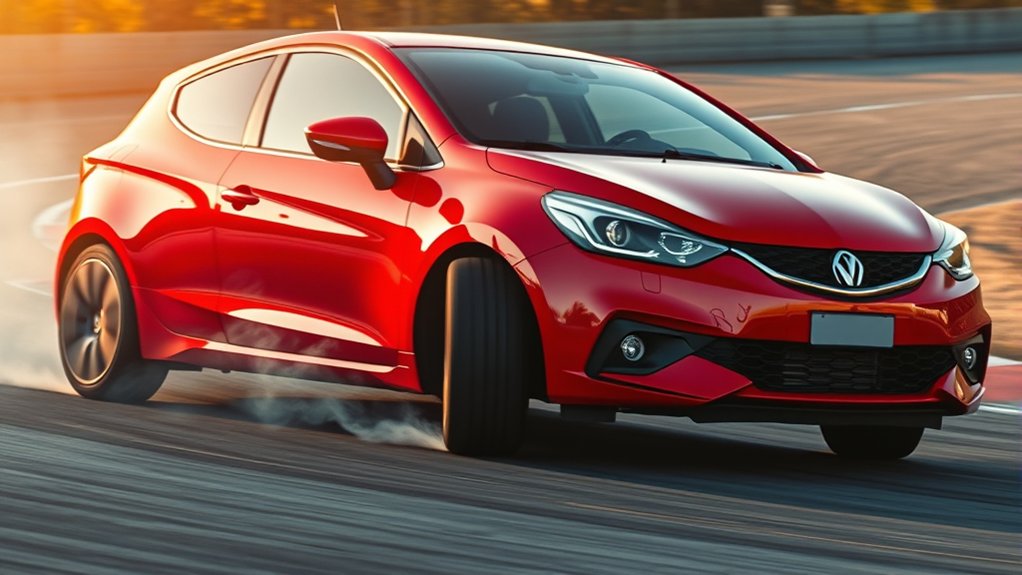
Yes, you can drift with a front-wheel-drive car by mastering weight transfer, throttle control, and precise steering. Drifting with FWD vehicles is possible despite their inherent limitations compared to rear-wheel-drive setups.
Although FWD cars lack rear-wheel power, you can initiate slides using techniques like the handbrake and clutch kicks to break rear traction. Controlling the drift relies heavily on balancing front tire grip with rear slip through smooth inputs to avoid spinning out.
While it’s more challenging than rear-wheel drive, a deeper understanding of these dynamics opens up effective drifting strategies. With practice, front-wheel-drive drifting can be both fun and rewarding.
What Is Drifting and How Does It Work?
Although drifting often looks like a chaotic slide, it’s actually a controlled technique where you intentionally oversteer to make the rear wheels lose traction while maintaining control through a corner.
Understanding drift terminology is key: terms like “oversteer,” “countersteer,” and “angle” describe how you manipulate the car’s balance. Tire grip plays a crucial role; you reduce rear tire grip to initiate the drift, then modulate throttle and steering to keep the slide stable.
You balance between losing enough traction to slide and retaining enough control to avoid spinning out. Mastering this delicate interaction between tire grip and steering input allows you to navigate corners smoothly, making drifting a precise skill rather than random skidding.
Can You Actually Drift With Front-Wheel Drive?
How effective can drifting be with front-wheel drive cars? While not traditionally ideal for drifting, you can still initiate and control a drift using front-wheel drive. Understanding drift physics helps clarify this: the front wheels pull the car while the rear end slides out, creating a controlled oversteer effect.
Here are three key points to consider:
- Steering input and throttle control are crucial to maintain the drift without rear-wheel power.
- You’ll experience increased tire wear on the front tires since they handle both steering and power delivery.
- Weight transfer techniques help break rear traction, enabling the rear to slide despite the front-wheel drive setup.
Although challenging, you can drift with front-wheel drive by mastering these aspects.
Why Drifting Is Harder in Front-Wheel Drive Cars
You’ll find drifting tougher in front-wheel drive cars because the rear wheels don’t receive power, limiting their ability to break traction. Without power at the back, you get less oversteer, which is essential for initiating and maintaining a drift. This fundamental difference changes how the car responds when you try to slide it sideways.
Limited Rear Wheel Power
Since front-wheel drive cars send power exclusively to the front wheels, the rear wheels receive little to no torque, which makes initiating and maintaining a drift substantially more challenging. Without rear-wheel power, you can’t easily break rear traction, which is essential for controlled drifting.
This limitation impacts:
- Drift efficiency: You’ll struggle to sustain smooth, controlled slides since the rear wheels can’t push the car sideways.
- Tire wear: The front tires bear the brunt of both steering and power delivery, leading to faster degradation.
- Control complexity: You must rely heavily on braking techniques and weight transfer to compensate for the rear’s lack of drive.
Understanding this helps you see why front-wheel drive cars inherently limit your drifting potential compared to rear-wheel drive setups.
Reduced Oversteer Capability
Why does oversteer play such a pivotal role in drifting, and how does its reduction affect front-wheel drive cars? Oversteer allows the rear tires to lose traction, enabling controlled slides essential in most drift classification systems.
Front-wheel drive cars struggle here because their rear wheels lack power, limiting oversteer initiation. Additionally, tire compounds at the rear often have more grip, making it harder to break traction.
| Aspect | Front-Wheel Drive |
|---|---|
| Oversteer Presence | Significantly Reduced |
| Drift Classification | Limited to less aggressive styles |
| Rear Tire Compounds | Higher grip, less slip |
| Control Complexity | Increased due to traction limits |
This reduction in oversteer means you have less control over sliding angles, complicating your drifting efforts.
How to Initiate a Drift in a FWD Car
To initiate a drift in a FWD car, you need to master techniques like the clutch kick, which helps break rear traction quickly. Controlling weight transfer is essential for maintaining balance and keeping the rear end loose. Additionally, using the handbrake effectively can assist in locking the rear wheels to start the slide.
Clutch Kick Technique
How exactly do you initiate a drift in a front-wheel-drive (FWD) car using the clutch kick technique? This method involves momentarily releasing and re-engaging the clutch to deliver a sudden burst of power to the front wheels, breaking rear traction.
Here’s how to execute it precisely:
- Approach the corner at moderate speed and depress the clutch fully.
- Quickly release and then re-engage the clutch while simultaneously applying throttle to induce oversteer.
- Control the steering to maintain the drift angle, being mindful of tire grip and road conditions.
Weight Transfer Control
Although drifting with a front-wheel-drive car presents unique challenges, mastering weight transfer control is essential for initiating a controlled slide. You’ll need to shift the car’s weight dynamically to reduce rear tire grip, exploiting drift physics to break traction.
As you approach a corner, quickly lift off the throttle or lightly tap the brakes to transfer weight forward, increasing load on the front tires and unloading the rear. This sudden weight shift decreases rear tire compounds’ grip, allowing the back to swing out.
Timing is critical; too abrupt, and you risk unsettling the car, too slow, and the rear stays planted. By precisely managing weight transfer, you create the conditions necessary for a FWD drift to begin, relying on front tires to steer while the rear tires slide.
Handbrake Usage Tips
Why does the handbrake play a decisive role in initiating a drift with a front-wheel-drive car? It’s because it allows you to break rear traction instantly, creating the necessary slide without adding unnecessary complexity.
Using the handbrake effectively avoids overcomplicating your inputs and helps you focus on control.
Here are three key handbrake usage tips:
- Timing: Pull the handbrake just before entering a corner to loosen the rear tires.
- Modulation: Apply the handbrake smoothly to prevent locking the rear wheels, which can cause loss of control.
- Combine with distraction techniques: Use steering and throttle inputs alongside the handbrake to maintain the drift angle and balance.
Mastering these steps lets you initiate a drift confidently in a FWD car.
Handbrake Techniques for FWD Drifting
When should you use the handbrake to initiate a drift in a front-wheel-drive (FWD) car? You’ll want to engage the handbrake precisely when entering a corner to break rear traction, causing the rear wheels to lose grip and slide. This technique helps you overcome the natural understeer of FWD vehicles.
However, be cautious. Excessive or abrupt use can damage your drivetrain. Also, always consider drift legality; practicing handbrake drifting on public roads can lead to legal consequences and impact your insurance. Many policies exclude coverage for damage sustained during illegal street drifting.
To minimize risks, practice handbrake techniques in controlled environments like closed tracks or drift events where drifting is permitted. This approach keeps you safe while honing your skills effectively and responsibly.
Steering Techniques for FWD Drifting
Mastering handbrake techniques sets a foundation, but steering plays a key role in controlling a front-wheel-drive car during a drift. Your steering input directly affects the car’s angle and balance, especially in first gear where torque delivery is more immediate.
As you transition to second gear, smooth steering adjustments help maintain momentum without overheating the front tires, preserving optimal tire temps for grip.
Focus on these steering techniques:
- Initiate drift with a sharp steering input to break rear traction, then counter-steer quickly to control slide.
- Modulate steering angle to balance throttle input, preventing excessive understeer common in FWD cars.
- Use subtle steering corrections to maintain drift angle and tire temps, avoiding harsh inputs that increase tire wear.
Precise steering input is essential for consistent FWD drifting.
How Weight Transfer Helps You Drift a FWD Car
You need to understand how weight shifts between the front and rear of your car during maneuvers to control traction effectively. When you transfer load to the front tires, they gain grip for steering, while the rear tires lose traction, enabling a drift. Managing this balance of front-to-rear load transfer is key to initiating and sustaining a drift in a FWD car.
Weight Shift Dynamics
Although front-wheel-drive cars lack the natural oversteer of rear-wheel-drive vehicles, skillful weight transfer can compensate by altering traction dynamics. Understanding weight shift dynamics is key to applying drift theory effectively in a FWD setup. When you manage the car’s balance, you influence tire grip and slip angles, crucial for initiating and maintaining a drift.
Focus on these three aspects:
- Lateral Weight Shift: Sudden steering inputs shift weight to the outside tires, reducing rear traction and helping the rear slide.
- Brake-Induced Load Changes: Light braking shifts weight forward, increasing front tire grip while unloading the rear, facilitating controlled oversteer.
- Throttle Modulation: Adjusting throttle affects front tire load and traction, important for managing tire wear and sustaining drift angles.
Mastering these dynamics lets you exploit front-wheel-drive limitations creatively.
Front-to-Rear Load Transfer
Building on how lateral weight shifts and brake inputs affect traction, front-to-rear load transfer plays a pivotal role in controlling a front-wheel-drive car’s drift behavior. When you brake or lift off the throttle, weight shifts from the rear to the front, increasing load on the front tires and reducing it on the rear.
This front to rear load transfer helps you manage rear grip loss, which is essential for initiating and sustaining a drift in a FWD car. By modulating this transfer through throttle and brake control, you can manipulate the balance between grip and slip at both axles.
Understanding this dynamic allows you to exploit the reduced rear traction while maintaining front tire grip, enabling controlled slides despite the inherent traction bias toward the front wheels.
Impact on Traction
How exactly does weight transfer influence traction during a drift in a front-wheel-drive car? Understanding this is key to mastering drift mechanics and controlling traction loss. When you initiate a drift, weight shifts dynamically, affecting tire grip and vehicle stability.
Here’s how weight transfer plays a crucial role:
- Front Load Increase: Shifting weight forward enhances front tire grip, crucial for maintaining control and steering during a drift.
- Rear Load Decrease: As weight shifts away from the rear, rear tires lose traction, allowing the rear end to slide and initiate the drift.
- Balancing Act: Managing this transfer helps you modulate traction loss, preventing understeer and sustaining a controlled drift with a FWD car.
Common Mistakes When Trying to Drift FWD Cars
Why do many drivers struggle when attempting to drift front-wheel-drive (FWD) cars? A key reason is falling victim to common FWD myths, such as believing you can replicate rear-wheel-drive drift techniques without adjustment.
One major mistake is confusing drifting with the two word drift concept—drifting is often misunderstood as simply sliding, but in FWD cars, it requires precise throttle control and steering input to induce and maintain oversteer.
Many drivers also neglect weight transfer, essential for breaking rear traction in FWD vehicles. Additionally, relying too heavily on the handbrake or aggressive steering without coordinated throttle modulation leads to loss of control rather than a controlled drift.
Avoiding these errors helps you harness FWD characteristics effectively instead of fighting them.
Best Front-Wheel Drive Cars for Learning to Drift
Understanding the common pitfalls when drifting front-wheel-drive cars sets the stage for selecting the right vehicle to practice on. You want a car that offers responsive handling and durability, while also respecting drifting legality in your area.
Here are three excellent FWD cars ideal for learning to drift:
- Honda Civic Lightweight with balanced handling, it helps you feel tire temperatures and control understeer effectively.
- Mazda 3 Offers sharp steering and a stable chassis, making it easier to modulate throttle and maintain drift angles.
- Volkswagen Golf GTI Combines sporty suspension with reliable power delivery, ideal for practicing controlled slides without overwhelming the front tires.
Choosing any of these models lets you focus on technique while managing tire wear and heat buildup, key factors for safe, legal drifting.
Safety Tips for Practicing Drifting in FWD Vehicles
Where should you start when practicing drifting in a front-wheel-drive (FWD) vehicle? Prioritize drift safety by choosing a controlled environment like an empty parking lot or a closed track. Always wear a seatbelt and ensure your tires maintain optimal tire grip to avoid unexpected slips.
Keep your speed moderate until you master basic maneuvers, and never drift on public roads.
| Tip | Reason |
|---|---|
| Use quality tires | Maintains consistent tire grip |
| Check tire pressure | Prevents uneven wear and slips |
| Practice in safe areas | Minimizes risk of accidents |
How to Improve Your FWD Drifting Skills Over Time
As you spend more time behind the wheel, you’ll develop a sharper sense of how your FWD vehicle responds during drifting maneuvers. Mastering FWD drifting involves navigating learning curves efficiently and balancing performance with fuel economy. To improve your skills over time, focus on these key areas:
- Analyze and adapt: Review each drifting session to identify mistakes and refine throttle control and steering input.
- Progressive practice: Gradually increase drift duration and complexity to build muscle memory and confidence while managing tire wear and fuel economy.
- Vehicle setup adjustments: Experiment with tire pressures and suspension settings to enhance grip control without sacrificing efficiency.
Frequently Asked Questions
What Modifications Improve Drifting Performance in Front-Wheel Drive Cars?
You can improve drifting by upgrading tire grip chemistry for better control during drift startup. Adjust suspension for reduced understeer, install a limited-slip differential, and lighten the front end to enhance maneuverability and maintain consistent drifts.
Can You Drift on Wet or Icy Roads Safely With FWD?
Drifting on wet or icy roads with FWD isn’t a walk in the park. It’s like skating on a frozen lake during a hurricane. Drift viability drops drastically; prioritize wet road safety to avoid losing control or causing accidents.
How Does Tire Choice Affect FWD Drifting Ability?
Tire grip dramatically affects your FWD drifting by controlling traction during weight transfer. Softer tires increase grip, making controlled slides harder, while harder tires reduce grip, allowing smoother weight shifts and easier initiation of drifts.
Are There Any Legal Restrictions on Drifting in Public Areas?
You’ll find drifting legality varies widely, but public area restrictions generally prohibit drifting to guarantee safety and prevent property damage.
Always check local laws before drifting, as unauthorized drifting can lead to fines or legal consequences.
What Are the Best Tires for Drifting Front-Wheel Drive Cars?
You’ll want tires balancing grip and slip, like performance summer tires, to match your drift philosophy. Prioritize tire ethics by choosing durable, consistent rubber that handles controlled slides without excessive wear or safety compromise during front-wheel drive drifting.
Conclusion
So, can you drift with front-wheel drive? Sure, if you enjoy fighting physics and looking like you’re trying to dance with a stubborn mule. It’s harder, messier, and less graceful than rear-wheel drive, but with patience and handbrake wizardry, you’ll get there.
Just remember: FWD drifting is more about controlled chaos than effortless style. Embrace the challenge, avoid common pitfalls, and maybe, just maybe, you’ll master the art of front-wheel sideways.
In the end, drifting with front-wheel drive is possible, but it requires persistence and skill. If you’re up for the challenge, you can definitely learn how to drift with front-wheel drive.