Do Turbos Increase Fuel Economy
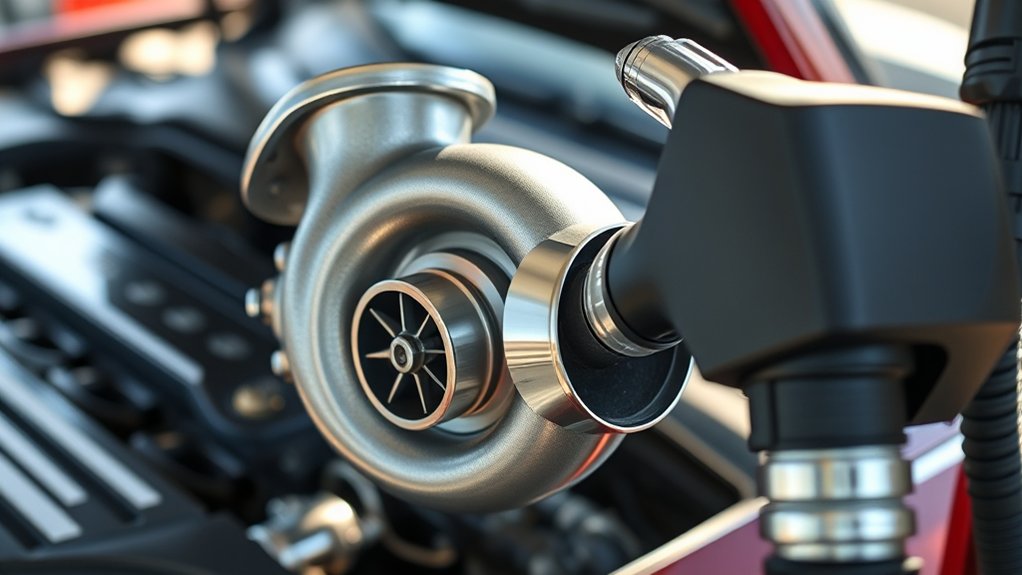
You can improve your fuel economy with a properly matched turbocharger that optimizes combustion by forcing more air into the engine, allowing efficient fuel burn without increasing engine size. Turbos recover energy from exhaust gases, boosting thermal efficiency. This makes turbochargers an effective way to enhance fuel economy.
However, your driving habits and boost demands directly affect gains—heavy acceleration or high boost use can negate savings. Precise turbo selection and tuning also matter. Understanding these factors reveals how turbos truly influence your gas mileage.
How Turbos Boost Engine Performance
How exactly do turbos boost engine performance? When you install a turbocharger, it forces more air into your engine’s cylinders, increasing the oxygen available for combustion. This allows your engine to burn fuel more efficiently and produce more power without increasing engine size.
You might have heard turbocharger myths suggesting turbos simply add power without efficiency gains, but that’s not accurate. Turbos improve volumetric efficiency by recovering energy from exhaust gases that would otherwise be wasted.
While this boosts performance, it’s important to differentiate power improvements from fuel economy benchmarks; turbos optimize combustion but don’t inherently guarantee better mileage. Understanding how turbos enhance air intake and combustion clarity helps dispel common misconceptions and lays the foundation for analyzing their impact on fuel economy.
Turbochargers and Fuel Economy: Can They Improve Gas Mileage?
Can turbochargers actually improve your vehicle’s fuel economy, or do they simply add power at the expense of efficiency? Turbochargers can enhance gas mileage by enabling smaller engines to produce power comparable to larger ones, thus reducing fuel consumption during normal driving. However, factors like turbo oiling and wastegate latency influence this outcome significantly.
Turbochargers can boost fuel economy by letting smaller engines match larger ones’ power efficiently.
Proper turbo oiling ensures efficient operation and longevity, preventing energy loss. Wastegate latency, the delay in bypassing exhaust gases, affects boost control and fuel delivery precision.
Consider these points:
- Smaller displacement engines paired with turbos optimize combustion efficiency
- Effective turbo oiling reduces mechanical friction and energy loss
- Wastegate latency can cause transient boost spikes, impacting fuel use
- Turbochargers recover energy from exhaust gases, improving thermal efficiency
Understanding these technical aspects clarifies how turbos can improve your gas mileage.
When Turbos Help or Hurt Your Gas Mileage
Turbochargers improve fuel economy primarily when you maintain moderate throttle and steady speeds, allowing smaller engines to operate efficiently. You’ll find that turbos help reduce fuel consumption by boosting engine output without increasing displacement, debunking common turbo misconceptions that they always consume more fuel.
However, fuel economy myths arise because turbos can hurt mileage if you frequently demand high boost, causing increased fuel injection. When you push a turbocharged engine aggressively, the efficiency gains vanish, and fuel use spikes.
Therefore, understanding when turbos assist or impair fuel economy hinges on how the engine is operated. You should recognize that turbos aren’t inherently fuel savers or gas guzzlers; their impact depends on load and throttle behavior, not just the presence of forced induction.
How Driving Habits Influence Turbocharger Fuel Efficiency
Why does your driving style matter so much for turbocharger fuel efficiency? Your driving tactics directly impact how effectively the turbocharger enhances engine efficiency. Aggressive acceleration or frequent high RPMs cause the turbo to work harder, increasing fuel consumption.
Conversely, smooth, steady acceleration helps maintain optimal boost pressure without wasting fuel.
Consider these driving tactics to improve turbocharger fuel efficiency:
- Maintain moderate engine speeds to maximize combustion efficiency.
- Avoid sudden throttle inputs that force rapid turbo spool-up.
- Use cruise control on highways to stabilize engine load and boost.
- Anticipate traffic flow to minimize unnecessary acceleration and deceleration.
Selecting Turbochargers That Maximize Fuel Savings
How do you choose a turbocharger that truly enhances fuel savings? Start by evaluating turbo efficiency, which directly impacts how effectively the turbo compresses intake air with minimal energy loss. Select a turbocharger with a compressor map that matches your engine’s operating range to maintain optimal boost pressure without excess fuel consumption.
Next, incorporate fuel saving tuning to calibrate air-fuel ratios and ignition timing precisely for your turbo setup. This calibration minimizes pumping losses and prevents over-fueling, crucial for maximizing fuel economy.
Additionally, consider turbos with lightweight, low-inertia turbines that spool quickly, reducing turbo lag and improving drivability under light load conditions. By focusing on these technical parameters, you ensure your turbocharger installation delivers demonstrable improvements in fuel economy without sacrificing performance.
Frequently Asked Questions
How Do Turbos Affect Engine Maintenance Costs?
You’ll face higher turbo maintenance costs due to added complexity and heat stress, which can offset fuel economy impact benefits.
Regular inspections and oil changes are essential to prevent premature wear and costly repairs in turbocharged engines.
Can Turbochargers Be Added to Any Car Engine?
You can’t just bolt a turbocharger onto any engine like adding wings to a car. Turbocharger myths ignore compatibility constraints such as engine design, fuel system, and cooling capacity. These factors must align precisely for safe, efficient turbo integration.
Do Turbos Impact Vehicle Emissions and Pollution?
Yes, turbos can reduce turbo emissions by improving combustion efficiency, but under high boost, turbo pollution may increase due to higher NOx and particulate matter.
You must balance turbo tuning to minimize pollution effectively.
What Is the Lifespan of a Typical Turbocharger?
You can expect turbo reliability and boost durability to last between 100,000 to 150,000 miles with proper maintenance.
Factors like oil quality and driving habits substantially impact the turbocharger’s lifespan and overall performance.
Are There Any Safety Risks Associated With Turbochargers?
Yes, you face safety risks if you neglect turbo maintenance, as poor turbo reliability can cause failures, overheating, or oil leaks.
Regular inspections and proper care guarantee safe operation and prevent potential engine damage or hazards.
Conclusion
You’ll find that turbochargers can improve fuel economy by up to 20% when paired with smaller, efficient engines. However, this gain depends heavily on your driving habits and turbo selection. Aggressive acceleration or improper turbo sizing can negate fuel savings.
By choosing the right turbocharger and maintaining smooth driving, you optimize combustion efficiency and reduce fuel consumption. Understanding these variables lets you leverage turbo tech precisely to enhance mileage without compromising performance.
In conclusion, using turbos can indeed increase fuel economy when implemented correctly and driven responsibly.