Which Tonneau Cover Is Waterproof
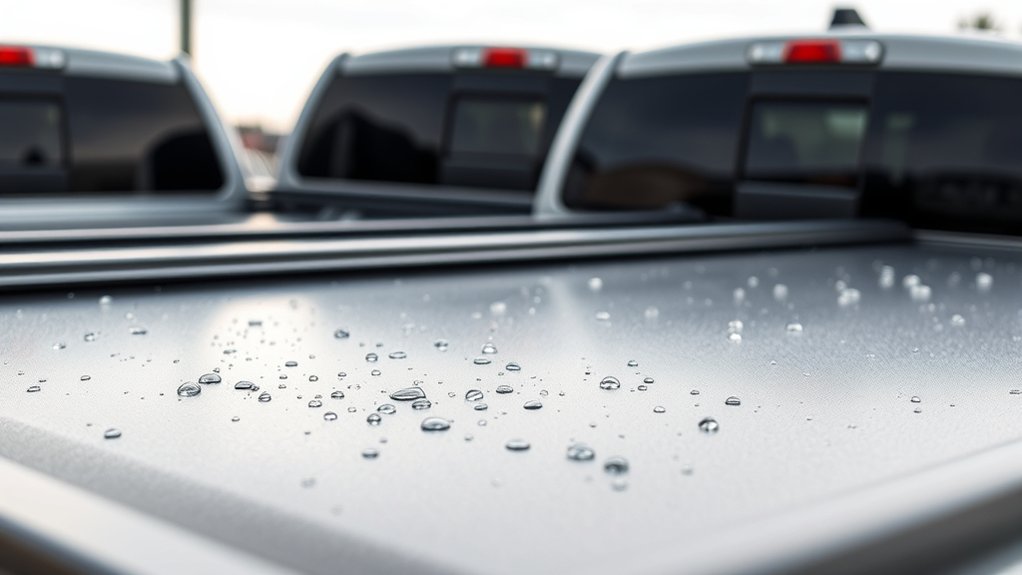
If you want a truly waterproof tonneau cover, hard covers generally offer superior water resistance with rigid panels and seamless construction that prevent leaks. These covers are designed to keep water out effectively, making them ideal for wet conditions.
Soft covers, like roll-up or folding types, depend heavily on durable fabrics, precise seam sealing, and strong edge closures to block water. Quality materials such as marine-grade vinyl or aluminum, combined with UV-resistant coatings and engineered seals, ensure long-lasting protection against moisture.
Keep an eye on seals and drainage design for optimal performance. Understanding these factors will help you choose the best cover for rain and snow protection.
What Makes a Tonneau Cover Truly Waterproof
What exactly makes a tonneau cover truly waterproof? You need to focus on the materials and construction. Durable fabrics like marine-grade vinyl or heavy-duty polyester are essential because they resist water penetration and withstand environmental stress.
These fabrics often feature tight weaves and waterproof coatings that prevent moisture from seeping through. Additionally, UV resistance plays a vital role in preserving the waterproof integrity over time; prolonged sun exposure can degrade materials, causing cracks or weakening seams.
Sealing techniques such as heat-welded seams or waterproof zippers also enhance protection against water ingress. When assessing waterproof capability, you should examine not only the fabric but also how well the cover’s edges and closures prevent water from entering, ensuring complete protection for your truck bed.
Hard vs. Soft Tonneau Covers: Which Is More Waterproof?
How do hard and soft tonneau covers compare when it comes to waterproofing? Hard covers generally offer superior water resistance due to their rigid materials and seamless construction. Soft covers, often made from vinyl or fabric, rely heavily on seam durability and proper sealing to prevent leaks.
Here’s how they stack up:
- Material Integrity: Hard covers resist water penetration better because they don’t flex or warp, minimizing gaps.
- Seam Durability: Soft covers have stitched seams that can weaken over time, reducing waterproofing effectiveness.
- Seal Mechanisms: Hard covers use compression seals or weather stripping, providing a tighter barrier than soft covers’ snap or Velcro closures.
If you prioritize long-term waterproofing with minimal maintenance, hard tonneau covers typically outperform soft ones in water resistance and seam durability.
Waterproofing Performance of Roll-Up Tonneau Covers
When evaluating roll-up tonneau covers, you need to focus on the material quality since high-grade vinyl or marine-grade fabrics offer superior water resistance. Pay close attention to the sealing mechanisms—like snap buttons or Velcro—that secure the cover edges and prevent water ingress. Understanding these technical aspects helps you gauge how well the cover performs under wet conditions.
Material Quality and Waterproofing
Why does the material quality of a roll-up tonneau cover directly impact its waterproofing performance? Because the fabric’s composition and treatment determine how well it withstands water intrusion and environmental stress.
When selecting a cover, focus on:
1. Storm Drainage Capability
High-quality materials are engineered to channel water efficiently, preventing pooling and leaks during heavy rain.
2. UV Resistance
Durable fabrics resist degradation from sun exposure, maintaining waterproof integrity over time.
3. Material Thickness and Coating
Thicker, coated materials offer superior barrier properties, repelling water more effectively than thin or untreated fabrics.
You’ll find that covers made from marine-grade vinyl or polyester with TPU coatings excel in these areas. Investing in premium materials ensures your tonneau cover stays waterproof, even under harsh weather conditions.
Sealing Mechanisms Effectiveness
What guarantees a roll-up tonneau cover remains watertight beyond its material? The answer lies in the sealing mechanisms, which are critical to preventing water ingress. This is especially important under prolonged UV exposure that can cause wear and durability concerns.
Effective seals maintain tight contact with the truck bed, blocking gaps where water might enter.
| Sealing Mechanism | Waterproofing Performance |
|---|---|
| Rubber Gaskets | Excellent; flexible, resists UV degradation |
| Velcro Strips | Moderate; prone to wear and reduced adhesion |
| Snap Buttons | Good; secure but can loosen over time |
| Magnetic Seals | Variable; depends on alignment precision |
| Foam Edging | Effective; compresses to fill gaps but may degrade |
Choosing a cover with robust sealing mechanisms ensures long-term waterproof reliability.
Waterproofing of Folding Tonneau Covers: What You Need to Know
When evaluating folding tonneau covers, you’ll want to contemplate the materials used, as some composites and vinyl laminates offer superior waterproofing. Pay close attention to the design of seals and how effectively they prevent water intrusion at folding points and edges. Understanding these technical details helps you choose a cover that maintains a dry truck bed under various weather conditions.
Material Types And Waterproofing
How do different materials affect the waterproofing capabilities of folding tonneau covers? The material you choose directly impacts coverage consistency and the effectiveness of the drain channel design. Here’s what you need to know:
- Vinyl: Offers excellent water resistance and flexibility, ensuring consistent coverage. Its smooth surface aids water runoff into well-engineered drain channels.
- Aluminum panels: Provide rigid protection but require precise sealing at joints to maintain waterproof integrity. Drain channels must be integrated carefully to prevent leaks.
- Fabric blends with waterproof coatings: Combine durability and water repellency but depend heavily on the quality of coatings and coverage consistency to prevent seepage.
Understanding these material properties will help you select a folding tonneau cover that delivers reliable waterproof performance without compromising on durability or design efficiency.
Seal Design And Effectiveness
Why does seal design play a pivotal role in the waterproofing effectiveness of folding tonneau covers? The seal acts as the barrier preventing water infiltration at cover joints and edges. You’ll find that high-quality seals use multi-layered rubber or silicone compounds engineered for durability and flexibility, maintaining tight contact despite vibrations or bed flex.
Effective seals address insulation challenges by reducing moisture buildup, which can cause condensation under the cover. Additionally, UV resilience is critical; prolonged sun exposure degrades inferior seals, causing cracks and loss of elasticity, compromising waterproof integrity.
When evaluating folding tonneau covers, check for seals tested under varying temperatures and UV cycles. A well-engineered seal system ensures long-term waterproof performance, safeguarding your truck bed from water damage regardless of weather conditions.
Retractable Tonneau Covers and Their Waterproof Protection
What makes retractable tonneau covers a reliable choice for waterproof protection? Their design incorporates multiple features that address water intrusion effectively. You’ll find that:
- Precision-engineered seals minimize gaps and reduce seal wear, maintaining tight closure over time.
- Waterproof testing protocols simulate heavy rainfall and high-pressure water jets, ensuring the cover withstands real-world conditions.
- Integrated drainage channels direct water away from the truck bed, preventing accumulation and leaks.
Retractable covers use durable materials and advanced sealing systems to maintain integrity during prolonged exposure to moisture. However, seal wear over time can compromise effectiveness, so regular inspection and maintenance are crucial to preserve waterproof performance. When selecting a retractable cover, consider those with proven waterproof testing results to ensure optimal protection against water ingress.
Materials That Make a Tonneau Cover Waterproof
You’ll find that vinyl and polyurethane coatings are among the most common materials used to guarantee a tonneau cover’s waterproof capability. Vinyl offers durability and resistance to moisture, while polyurethane coatings provide a flexible, airtight seal. Understanding these materials helps you choose a cover that effectively protects your truck bed from water intrusion.
Common Waterproof Materials
How do tonneau covers keep your truck bed dry in harsh weather? The secret lies in the materials designed for practical durability and strict manufacturing standards. Here are three common waterproof materials:
- Vinyl: A popular choice, vinyl offers excellent water resistance due to its dense, non-porous surface. It’s lightweight and flexible, providing reliable protection without adding bulk.
- Aluminum: Known for strength and corrosion resistance, aluminum panels form a rigid, waterproof barrier. Its manufacturing standards ensure long-term durability and minimal maintenance.
- Polycarbonate: This thermoplastic combines toughness and water impermeability. It withstands impact and UV exposure, maintaining waterproof integrity under varied conditions.
Each material’s waterproof capability depends on precise fabrication and sealing methods, ensuring your tonneau cover meets essential performance criteria.
Benefits of Vinyl Covers
Among the materials that ensure waterproof performance, vinyl covers stand out for their unique combination of durability and flexibility. When you choose vinyl, you get a cover resistant to water penetration and UV damage.
It maintains waterproof integrity without adding bulk or stiffness. Unlike an irrelevant topic or unrelated concept, vinyl’s molecular structure creates a dense barrier that repels moisture efficiently.
| Feature | Benefit |
|---|---|
| Waterproof Seal | Prevents water ingress |
| UV Resistance | Protects against sun damage |
| Flexibility | Easy installation and handling |
| Durability | Long-lasting under harsh conditions |
| Maintenance | Simple to clean and maintain |
This material’s technical properties make vinyl covers a reliable choice for effective waterproof protection.
Advantages of Polyurethane Coatings
Why do polyurethane coatings excel in waterproofing tonneau covers? These coatings offer superior durability and water resistance due to their chemical structure, making them a top choice based on key evaluation criteria.
When considering topic ideas for waterproof materials, polyurethane stands out because it effectively seals against moisture infiltration while maintaining flexibility.
Here are three technical advantages to consider:
- Chemical Resistance: Polyurethane resists degradation from UV rays, oils, and solvents, ensuring long-term waterproof protection.
- Elasticity: Its flexible nature allows the coating to expand and contract without cracking, adapting to temperature changes.
- Adhesion: It bonds strongly to various substrates, forming a continuous, impermeable layer that prevents water penetration.
These features align directly with the evaluation criteria essential for selecting a reliable waterproof tonneau cover material.
Why Seals and Edges Matter for Waterproofing
What keeps water from seeping under a tonneau cover during heavy rain or a car wash? The answer lies in the quality of its seals and edges. Effective seal design creates a tight barrier, preventing water intrusion at vulnerable points where the cover meets the truck bed.
During waterproof testing, manufacturers evaluate how well these seals hold against water pressure and exposure over time. You’ll find that covers with reinforced edges and flexible, durable seals consistently outperform others in resisting leaks.
Poorly designed seals can shrink, crack, or fail to compress adequately, allowing water to penetrate. Therefore, when choosing a tonneau cover, pay close attention to the seal materials, edge construction, and how they integrate with the cover’s surface to ensure maximum waterproof performance.
Top Waterproof Tonneau Covers for Rain and Snow
How do you identify the most reliable waterproof tonneau covers for rain and snow? Focus on materials and design features that enhance insulation efficiency and UV resistance, essential for harsh weather. Consider these top options:
- Hard Folding Covers – Typically made with aluminum panels and coated fabrics, they provide superior insulation efficiency and UV resistance, preventing water seepage and heat damage.
- Roll-Up Covers with PVC Coating – Their tight seals and waterproof coatings excel at repelling snow and rain while maintaining flexibility and durability.
- Retractable Aluminum Covers – Engineered with interlocking panels and weatherproof seals, these covers offer excellent waterproofing and strong resistance to UV degradation.
Choosing a cover with these technical attributes ensures your truck bed stays dry and protected throughout winter’s toughest conditions.
How to Maintain Your Waterproof Tonneau Cover
Selecting a waterproof tonneau cover with advanced materials and design features sets the foundation for lasting protection, but maintaining that performance requires regular care. To uphold your cover’s integrity, follow key maintenance tips focused on cleaning, inspection, and proper storage.
Understanding weatherproofing basics helps you address wear from UV exposure and moisture.
| Maintenance Task | Recommended Frequency |
|---|---|
| Clean with mild soap | Monthly |
| Inspect seals and latches | Every 3 months |
| Store cover indoors | Off-season |
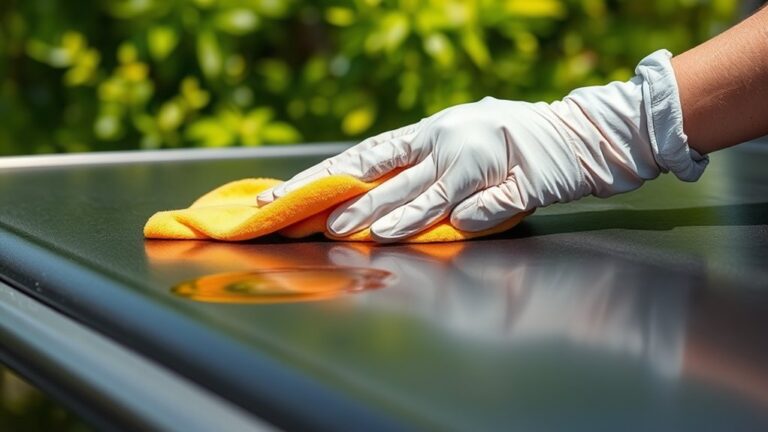
Regular cleaning removes dirt and prevents mildew buildup. Check seals for cracks or deformation to preserve water resistance. When not in use, store your cover away from extreme temperatures to avoid material degradation.
Testing Your Tonneau Cover’s Waterproofing
When was the last time you verified your tonneau cover’s waterproof performance under real conditions? Conducting thorough waterproof testing is essential to ensure your cover’s reliability, especially focusing on edge sealing where water intrusion is most likely.
Follow these steps for effective testing:
- Visual Inspection: Check all seams and edge seals for visible damage or gaps.
- Controlled Water Exposure: Use a hose to simulate rainfall, directing water along edges and seams.
- Interior Check: After exposure, inspect the truck bed for any moisture or leaks.
This method identifies weaknesses in edge sealing and confirms overall waterproof integrity. Regular testing helps you address potential failures before they compromise your cargo protection.
Frequently Asked Questions
Can I Install a Tonneau Cover Myself or Need Professional Help?
You can install a tonneau cover yourself with proper tools and instructions, ensuring precise alignment for durability.
However, professional help guarantees optimal installation and maintenance, minimizing risks of leaks or damage over time.
Do Waterproof Tonneau Covers Affect Fuel Efficiency?
Imagine cutting through the wind like a knife. Waterproof tonneau covers can improve your fuel economy by reducing wind resistance.
Aerodynamic testing shows minimal payload impact, so they subtly enhance efficiency without sacrificing cargo space or performance.
Are Waterproof Tonneau Covers Compatible With Bed Liners?
You’ll find waterproof tonneau covers compatible with most bed liners, but ensure proper fitment and seal integrity. Discuss installation methods and material compatibility carefully to maintain protection and prevent moisture buildup, preserving your truck bed’s condition effectively.
How Long Does a Waterproof Tonneau Cover Typically Last?
When it comes to cover durability, a waterproof tonneau cover typically lasts 5-10 years with proper care.
You’ll find installation feasibility varies by model, but most are user-friendly, ensuring you get long-lasting protection without a hitch.
Can Waterproof Tonneau Covers Be Used on All Truck Models?
You’ll find waterproof tonneau covers vary in truck compatibility, so check model-specific options. Installation ease depends on design; some fit universally with adjustable features, while others require precise matching to your truck’s bed dimensions for optimal performance.
Conclusion
When choosing a waterproof tonneau cover, focus on materials, seals, and design. For instance, a hard folding cover with reinforced seals kept a pickup bed dry during a week-long mountain storm, outperforming soft roll-ups that leaked.
Regular maintenance, like cleaning seals and checking edges, guarantees lasting protection. By understanding the technical differences and testing your cover after heavy rain, you’ll keep your cargo safe and dry no matter the weather.
To ensure optimal performance, select the right waterproof tonneau cover that meets your needs and conditions.