Should I Roll up My Tonneau Cover in Car Wash
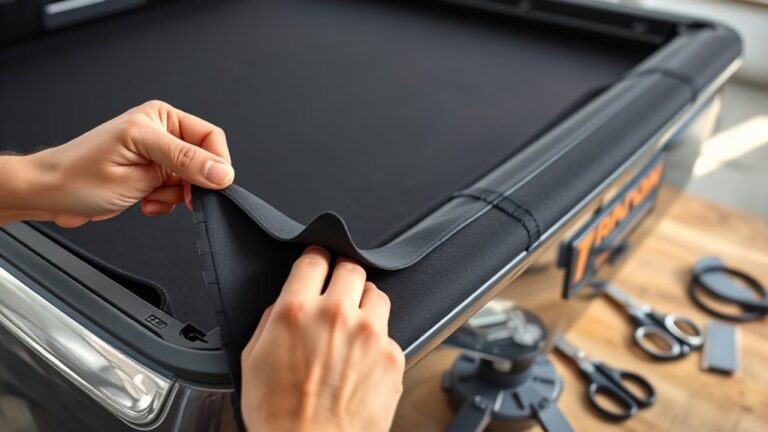
You should roll up your soft tonneau cover during car washes with aggressive brushes to prevent material damage and moisture buildup. Soft covers are more vulnerable to the harsh action of these brushes, which can cause tearing or wear over time. Rolling it up helps protect the fabric and keeps it in good condition.
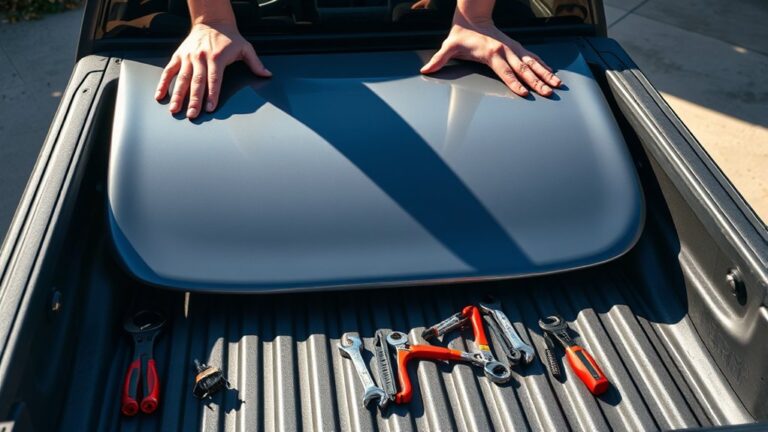
Hard covers, made of rigid materials like fiberglass or aluminum, typically stay closed unless the manufacturer says otherwise. These covers are designed to better withstand the pressure from car wash equipment without damage. Leaving them closed usually offers the best protection for your truck bed.
Keep in mind that rolling up your tonneau cover exposes the truck bed to water and dirt, so you should take steps to protect it accordingly. Knowing your cover type and the specific car wash system will help you decide the best approach. This knowledge ensures durability and cleanliness are maintained effectively. Further details can guide optimal care.
What Is a Tonneau Cover and Why Does It Matter for Car Washes?
What exactly is a tonneau cover, and why should you consider it when preparing your vehicle for a car wash? A tonneau cover is a protective panel that shields your truck bed, guarding cargo against environmental factors like dust storms.
It acts much like solar panels on a roof, providing a durable, flat surface designed to withstand external pressures. When you approach a car wash, the cover’s material and securing mechanism influence how water, brushes, and chemicals interact with it.
Ignoring the tonneau cover’s presence may lead to damage or ineffective cleaning. Understanding its function helps you decide whether to keep it rolled up or down, ensuring optimal protection and performance during the wash process.
How Different Tonneau Cover Types Handle Car Washes
You’ll find that soft tonneau covers handle water exposure differently than hard covers, which offer greater durability during washes. Folding covers require careful consideration to avoid damage from brushes or jets. Understanding these distinctions helps you decide whether to roll up your cover before a car wash.
Soft Covers and Water Exposure
How do soft tonneau covers respond to water exposure during a car wash? This is an interesting topic because these covers, typically made of vinyl or fabric, are designed to repel water but aren’t fully waterproof.
When exposed to high-pressure water jets, soft covers can absorb moisture, potentially leading to mold or mildew over time if they don’t dry properly. During a car wash, you should ensure the cover is properly secured to prevent water from seeping underneath.
Many soft covers have drainage channels, but trapped water can still cause damage or staining. You don’t necessarily have to roll up your soft tonneau cover, but inspecting it afterward and allowing it to air dry is crucial to maintain its integrity and longevity during routine car washes.
Hard Covers’ Durability Factor
Although soft covers require careful attention during car washes, hard tonneau covers offer a distinct durability advantage due to their rigid materials like fiberglass, aluminum, or hard plastic. These materials resist abrasion and pressure better, allowing you to safely leave the cover closed in most automated washes.
However, you should be aware of reliability myths suggesting that hard covers are completely maintenance-free; they still require periodic checks for seal integrity and hinge lubrication. Maintenance misconceptions often lead owners to neglect these tasks, which can reduce longevity.
Understanding the structural toughness of hard covers helps you gauge their true resilience in car wash environments, but don’t overlook routine upkeep to prevent damage from harsh cleaning chemicals or mechanical brushes. This balanced approach preserves both function and appearance over time.
Folding Covers and Wash Safety
When considering folding tonneau covers in car washes, understanding their construction and folding mechanisms is crucial for safety. These covers typically consist of multiple hinged panels that fold neatly toward the cab.
You should secure the cover fully in either the closed or completely folded position before entering the wash to prevent damage from mechanical brushes or water jets. Using soft water in the wash minimizes mineral deposits that could degrade seal materials or promote rust.
Pay close attention to metal components and hinges; thorough drying after washing helps maintain rust prevention. Avoid partial folding during the wash, as exposed sections can trap debris and moisture, accelerating wear.
Proper handling ensures your folding tonneau cover maintains functionality and appearance through repeated washes.
When Should You Roll Up Your Tonneau Cover for a Car Wash?
You should roll up your tonneau cover during a car wash based on the cover type, as soft covers may be more vulnerable to damage from automated brushes. Consider how the car wash mechanism operates—high-pressure water and rotating brushes can stress certain materials. Always check your manufacturer’s recommendations to ensure you protect your cover and avoid voiding warranties.
Types of Tonneau Covers
Since tonneau covers come in various designs and materials, knowing which type you have is essential before deciding to roll it up for a car wash. Different covers respond uniquely to water pressure and brushes, so understanding their construction helps avoid damage. Avoid confusing this with an unrelated topic like car wash types or a tangential concept such as vehicle paint protection.
Common types include:
- Soft Roll-Up Covers: Made of vinyl or fabric, they’re flexible and generally easy to roll up.
- Hard Folding Covers: Constructed from rigid panels, these require careful handling to avoid cracking.
- Retractable Covers: Slide open on tracks and typically need to remain closed during automated washes.
Knowing your cover type ensures you take appropriate action during a car wash to protect its integrity.
Car Wash Mechanism Impact
Understanding the type of tonneau cover you have sets the stage for deciding how to handle it during a car wash. Automated car wash mechanisms, such as spinning brushes and high-pressure jets, exert variable forces that can damage soft or folding covers if left rolled down.
You should roll up your tonneau cover if the wash uses aggressive brushes or if your cover isn’t designed to withstand mechanical contact. This consideration isn’t an irrelevant topic or tangent question; it directly relates to protecting your cover’s integrity.
Conversely, if the car wash relies solely on touchless technology, rolling up the cover may be unnecessary. Evaluating the wash mechanism’s impact on your specific cover type ensures you avoid damage while maintaining cleanliness efficiently.
Manufacturer Recommendations
When should you roll up your tonneau cover during a car wash? Manufacturer recommendations vary but generally advise rolling up the cover in specific scenarios to prevent damage. It’s vital to consult your cover’s user manual before the wash. This avoids common maintenance myths that suggest you should always keep it rolled up or down without exception.
Some discussion ideas focus on rolling up soft covers during automatic car washes with strong brushes to avoid tearing. Keeping hard covers closed unless the manufacturer explicitly states otherwise is also recommended. Ensuring the cover’s locking mechanism is disengaged helps prevent strain.
Following these precise guidelines helps maintain your tonneau cover’s integrity and prolongs its lifespan, aligning with expert manufacturer advice rather than generalized maintenance myths.
Risks of Leaving Your Tonneau Cover Down During Washing
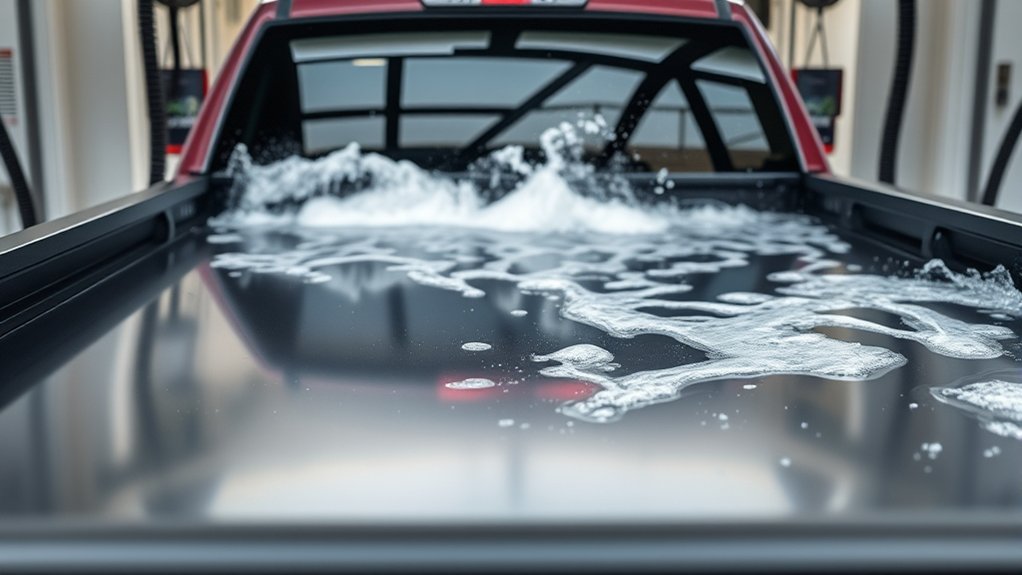
Although it might seem easier to leave your tonneau cover down during a car wash, doing so can expose it to several risks. The high-pressure water jets and rotating brushes can damage the cover’s surface, seals, and hardware.
Leaving your tonneau cover down during a car wash risks damage from high-pressure water and rotating brushes.
Water can accumulate under the cover, leading to mold or corrosion. Ignoring these risks by veering into an irrelevant tangent about unrelated vehicle maintenance issues won’t protect your cover.
Additionally, dirt and debris trapped between the cover and truck bed can scratch or wear down the cover finish. Leaving the cover down also prevents thorough cleaning of the truck bed itself, affecting long-term durability.
Staying focused on these specific risks ensures you avoid potential damage and maintain your tonneau cover’s functionality and appearance.
What Happens If You Roll Up Your Tonneau Cover Before Washing?
How does rolling up your tonneau cover before a car wash affect its condition and cleaning process? When you roll it up, you expose the cover’s underside and the truck bed. This action can impact the cover’s material and hardware.
However, concerns about damage from rolling up are often an irrelevant topic or unrelated concern; proper handling minimizes risk.
Consider these points:
- Rolling up can prevent soap buildup on the cover’s surface.
- It might accelerate drying, reducing moisture retention.
- Frequent rolling may cause wear on hinges or fasteners if not maintained.
How Rolling Up Your Cover Affects Water and Dirt Exposure
Why does rolling up your tonneau cover change the way water and dirt interact with your truck bed? When you roll it up, you expose the bed directly to water jets and airborne particles during the wash.
This increased exposure allows water to accumulate and dirt to settle more easily, especially in corners and seams that the cover normally shields. While some might treat this as an unrelated topic or ignore it as irrelevant content, it significantly impacts cleanliness and potential corrosion.
You’ll notice that dirt can infiltrate areas usually protected, leading to more frequent cleaning needs. Therefore, understanding how rolling up your cover modifies water and dirt dynamics helps you make informed decisions about protecting your truck bed during washes.
How to Clean Your Tonneau Cover Without Damaging It
When cleaning your tonneau cover, what methods guarantee thorough maintenance without causing damage? You need to avoid harsh chemicals or abrasive tools that can cause irreversible damage or void your warranty. Instead, use gentle, effective techniques tailored to your cover’s material.
Follow these steps for safe cleaning:
Use mild soap mixed with warm water to loosen dirt without degrading the cover’s surface. Apply a soft microfiber cloth or sponge to prevent scratches and maintain the cover’s finish. Rinse thoroughly with clean water to remove all soap residues, avoiding buildup that might degrade seals or fabric over time.
Clean gently with mild soap, warm water, and a soft cloth to protect your cover’s surface and finish.
Avoid pressure washers or solvents, as excessive force or chemicals can crack or weaken the cover, compromising its protective function and warranty. Consistent, careful cleaning preserves both appearance and performance.
Protecting Your Truck Bed When the Cover Is Rolled Up
Where should you focus your attention to protect your truck bed when the tonneau cover is rolled up? Prioritize ensuring that the bed remains clean and dry, as exposure can lead to dirt accumulation, moisture retention, and potential rust.
Secure any loose straps or fasteners to prevent damage or scratching during the car wash. Avoid neglecting the bed’s protective coatings; applying a water-repellent or rust inhibitor before washing helps maintain integrity.
Remember, discussing unrelated concepts such as interior cab protection or tire maintenance here is an irrelevant topic and diverts from protecting the truck bed. Concentrate strictly on bed-specific precautions, as mixing unrelated concepts can cause confusion.
Rolling Up vs. Leaving Down: What’s Best for Your Tonneau Cover?
How you manage your tonneau cover during a car wash markedly impacts its longevity and effectiveness. Deciding whether to roll it up or leave it down depends on your cover’s material and the car wash type.
Rolling it up can protect the cover from harsh brushes but may expose your truck bed to water and debris. Leaving it down maintains a sealed environment but risks damage from mechanical wash components.
Rolling up shields the cover from brushes, while leaving it down keeps the bed sealed but vulnerable to wash machinery.
Avoid irrelevant topics or random considerations like weather or wash duration when deciding. Focus on:
- Manufacturer’s guidelines for your specific cover type
- The car wash system’s mechanics and pressure levels
- Potential water and debris exposure risks
Balancing these factors ensures optimal protection without compromising your cover’s integrity.
Frequently Asked Questions
Can I Use Soap or Cleaners Specifically Designed for Tonneau Covers?
You can use soap or cleaners specifically designed for tonneau covers, as they address the maintenance nuance of preserving material integrity. Always follow product instructions to avoid damage, ensuring effective cleaning tailored to your cover’s stem question.
Will Rolling up My Tonneau Cover Affect My Truck’s Fuel Efficiency?
Rolling up your tonneau cover during rolling maintenance won’t substantially affect your truck’s fuel efficiency. However, weather considerations matter. Exposed cargo increases drag, potentially lowering efficiency, so keep the cover closed during driving for optimal aerodynamics and fuel savings.
How Do I Properly Secure the Cover After Rolling It Up?
You secure the cover by aligning it correctly, engaging the proper latching mechanism, and ensuring the secure locking clicks into place.
Double-check each latch to confirm the cover’s firmly fastened, preventing movement or damage during transit.
Are There Any Warranty Concerns With Rolling up My Tonneau Cover?
If you enjoy voiding warranties, by all means, roll up that tonneau cover carelessly. Seriously though, check your manual to avoid warranty implications and roller damage. Manufacturers often warn against improper rolling to maintain coverage and functionality.
Can Extreme Weather Impact the Decision to Roll up the Cover During Washes?
Yes, extreme weather can impact your decision to roll up the tonneau cover during washes. You’ll want to contemplate weatherproofing concerns, as moisture or debris trapped under the cover could compromise seals and durability over time.
Conclusion
Just like a knight chooses the right armor for battle, you must decide how to protect your tonneau cover during a car wash. Rolling it up exposes your truck bed but prevents damage to the cover, while leaving it down shields the bed but risks wear from brushes and water pressure.
Understanding your cover type and wash method ensures optimal care.
Because, in vehicle maintenance, foresight is the sharpest tool in your arsenal when deciding if you should roll up your tonneau cover in a car wash.