Do Fuel Additives Work
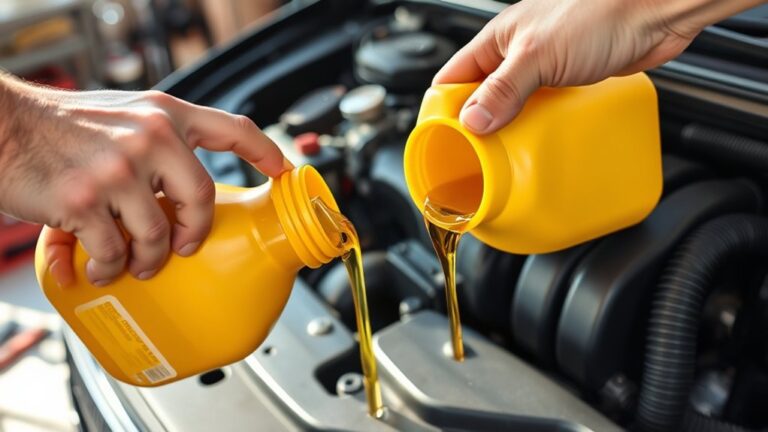
Fuel additives can work when you select the right type for your engine and use them correctly, targeting specific needs like cleaning deposits, boosting octane, or stabilizing fuel. These additives optimize combustion and help maintain injector performance but won’t dramatically improve economy or horsepower alone.
Effectiveness varies by engine condition, fuel quality, and additive formulation, so monitoring your engine’s response is key. Understanding their proper use and limitations offers valuable insight for informed decisions.
What Are Fuel Additives and How Do They Work?
How exactly do fuel additives function to enhance your engine’s performance? Fuel additives are specialized chemical compounds introduced in small quantities to fuel, designed to optimize combustion, reduce deposits, and improve fuel stability.
Their mechanism involves modifying fuel properties, such as increasing octane rating or cleaning fuel injectors, which directly impacts engine efficiency and emissions. Understanding their effectiveness requires considering the historical context: early additives focused mainly on anti-knock and corrosion prevention, while modern formulations address complex combustion challenges.
When evaluating fuel additives, you should also weigh suggested alternatives, such as engine tuning or higher-grade fuels, which may achieve similar results. By analyzing these factors, you can make informed decisions about incorporating additives to maintain engine performance with precision and reliability.
Common Types of Fuel Additives You Should Know
Which fuel additives are essential for optimizing your engine’s performance? You should know about octane boosters, detergents, and corrosion inhibitors.
Octane boosters increase the octane rating of fuel, preventing knocking and ensuring efficient combustion under high compression. Detergent additives target deposits within the fuel system, maintaining injector cleanliness and promoting consistent fuel economy.
Corrosion inhibitors protect metal components from oxidation, extending engine life and preserving fuel system integrity. Additionally, stabilizers prevent fuel degradation during storage, which is crucial if your vehicle sits idle for extended periods.
Each additive serves a specific function, so selecting the right combination depends on your engine’s needs and fuel type. Understanding these common additives helps you make informed choices without relying on vague claims or unverified benefits.
Can Fuel Additives Improve Engine Performance and Fuel Efficiency?
Can fuel additives genuinely enhance your engine’s performance and fuel efficiency? The answer depends on the additive’s formulation and your engine’s condition. Some additives contain octane boosters that can improve combustion stability, potentially enhancing power output and reducing knocking.
Fuel additives may boost engine performance and efficiency depending on their formulation and your engine’s condition.
Others include lubricants that may lower internal friction, contributing marginally to efficiency. However, claims of dramatic performance gains often stray into irrelevant topic territory or become unrelated discussion, lacking empirical support.
It’s critical to differentiate between additives designed for maintenance and those marketed for performance enhancement. Without addressing specific engine issues like deposits or wear, additives alone won’t significantly improve fuel economy or horsepower.
Thus, while certain fuel additives can offer measurable benefits under precise conditions, expecting broad performance improvements is often misguided and veers into irrelevant topic claims.
How Fuel Additives Clean Your Engine and Fuel System
You’ll find that fuel additives work by breaking down and dissolving deposits that accumulate in your engine and fuel system. They target fuel injectors to restore proper spray patterns and improve atomization. This cleaning process enhances combustion chamber efficiency, leading to smoother engine operation and reduced emissions.
Deposits Removal Mechanism
Although fuel additives vary in formulation, they all target deposits by chemically breaking down carbon, varnish, and other residues that accumulate on engine components. When you add these chemicals to your fuel, they enter the combustion chamber, where high temperature and pressure facilitate their action.
The additives react with deposits, weakening molecular bonds and converting solid residues into soluble compounds. This deposits removal process restores optimal combustion efficiency by clearing obstruction on intake valves, piston crowns, and combustion chamber surfaces.
Fuel Injector Cleaning
Fuel additives penetrate the fuel system to dissolve deposits that accumulate on fuel injectors, restoring their spray patterns and functionality. When injectors are clogged, uneven fuel delivery leads to inefficient combustion, increasing engine wear over time.
By breaking down varnish and carbon buildup, additives help maintain optimal injector operation, ensuring precise fuel atomization. This precision reduces stress on engine components, mitigating wear caused by improper fuel-air mixtures.
Moreover, fuel storage conditions often promote deposit formation; additives stabilize stored fuel, preventing degradation and deposit buildup. Using these additives regularly can extend injector life and preserve engine performance.
However, the effectiveness depends on the additive’s chemical formulation and the severity of injector fouling. Ultimately, fuel injector cleaning with additives supports system longevity and operational efficiency by addressing deposit-related issues before they escalate.
Combustion Chamber Benefits
How exactly do additives improve combustion chamber performance? When combustion chamber deposits form, they disrupt air-fuel mixture patterns, reduce combustion efficiency, and increase emissions.
Fuel additives contain detergent agents that target these deposits, breaking them down and preventing buildup on critical surfaces like valves and piston crowns. By enhancing the fuel formulation with these cleaning agents, additives promote more complete combustion and reduce pre-ignition risks caused by hot spots.
You’ll notice improved engine responsiveness and fuel economy as a result. Additionally, additives optimize the fuel’s chemical stability, minimizing residue formation during combustion.
This precise action within the combustion chamber ensures your engine maintains optimal performance over time, reducing maintenance needs and extending engine life. Using fuel additives consistently supports cleaner combustion chambers and a more efficient fuel system.
Potential Risks and Downsides of Fuel Additives
What risks should you consider before using additives in your engine? Fuel additives can pose issues in certain edge cases, such as older engines or specific fuel types, where compatibility becomes a concern. Additionally, legality concerns arise since some additives may violate emissions regulations in your region.
- Engine Compatibility: Additives might degrade seals or components not designed for certain chemicals.
- Fuel System Deposits: Overuse can cause buildup, reducing efficiency rather than improving it.
- Warranty Voiding: Using unauthorized additives could void your vehicle’s warranty.
- Environmental Impact: Some additives increase harmful emissions, conflicting with environmental standards.
You need to weigh these risks carefully before integrating additives into your routine maintenance.
When Should You Use Fuel Additives in Your Vehicle?
Despite the potential drawbacks, additives can offer targeted benefits when used appropriately. You should consider using fuel additives primarily to address specific issues such as cleaning fuel injectors, preventing fuel system corrosion, or stabilizing fuel during long storage periods.
Avoid routine or indiscriminate use, as unnecessary additives may increase disaster risk by damaging engine components or fuel lines. It’s crucial to follow manufacturer guidelines and avoid illegal use of additives not approved for your vehicle, as this can void warranties and violate emissions regulations.
Use additives as a preventive measure only when signs of fuel system inefficiency or degradation appear. By applying additives judiciously, you minimize risks while enhancing fuel performance and longevity in your vehicle’s engine.
How to Choose the Right Fuel Additive for Your Car
Which fuel additive suits your car’s specific needs depends on several factors, including the type of fuel system, engine design, and the primary issue you want to address. Avoid falling into irrelevant topic traps or unrelated discussion that don’t pertain directly to your vehicle’s requirements.
To select effectively:
- Identify your engine type, direct injection, carbureted, or diesel, and pick additives formulated accordingly.
- Determine if your goal is cleaning, performance enhancement, or fuel stabilization.
- Review product specifications for compatibility with your fuel grade and emission standards.
- Consult your vehicle manufacturer’s guidelines to avoid additives that could void warranties or cause harm.
Focusing on these structured criteria ensures you choose an additive that delivers measurable benefits without wasting resources on irrelevant or unrelated products.
What Experts Say About Fuel Additives
After identifying the appropriate fuel additive for your vehicle’s specific engine and performance needs, you might wonder how these products perform according to industry professionals. Experts generally agree that fuel additives can improve fuel economy and help meet emission standards when used correctly.
They emphasize that additives containing detergents reduce carbon deposits in fuel injectors and intake valves, optimizing combustion efficiency. However, specialists caution that additives are not a cure-all; their effectiveness depends on the vehicle’s condition and fuel quality.
Laboratory tests show measurable improvements in emission output and fuel economy under controlled conditions, but real-world results vary. Consequently, you should view additives as complementary tools rather than replacements for regular maintenance and adherence to manufacturer fuel recommendations.
Are Fuel Additives Worth the Cost for Everyday Drivers?
You need to weigh the tangible benefits of fuel additives against their cost, especially considering how often you’ll need to apply them. Assess how these additives influence your engine’s performance metrics, such as fuel efficiency and emission levels. Understanding the required frequency of use helps determine if the investment truly enhances your daily driving experience.
Benefits Versus Expenses
How do the benefits of fuel additives measure up against their costs for everyday drivers? Evaluating this requires analyzing the tangible effects on fuel efficiency and maintenance costs versus the product price. Consider these points:
- Fuel Efficiency Gains: Some additives claim to improve combustion, potentially enhancing miles per gallon, but gains are often minimal.
- Maintenance Cost Reduction: Additives may clean fuel systems, possibly reducing repairs, though consistent benefits vary by vehicle condition.
- Additive Price: Regular use adds recurring expenses, which may offset minor fuel savings.
- Cost-Benefit Balance: For most drivers, the incremental improvements rarely justify continuous spending.
Impact on Engine Performance
What measurable effects do fuel additives have on engine performance in everyday driving conditions? You’ll find that while some additives claim to enhance combustion efficiency and reduce deposits, the ABC effects, like improved acceleration and smoother idling, are often minimal or inconsistent.
In controlled tests, certain additives can temporarily boost octane levels or clean fuel injectors, but these gains rarely translate to significant performance improvements during daily use. Moreover, you should weigh potential side effects such as increased emissions or fuel system wear, which some formulations cause.
Ultimately, unless you face specific engine issues, most additives won’t noticeably enhance your vehicle’s power or efficiency. So, for everyday drivers, the impact on engine performance tends to be marginal and may not justify the added cost or risk of side effects.
Frequency of Use Needed
When considering the frequency of fuel additive use, determining the optimal interval is crucial for balancing cost and benefits. You need to evaluate both seasonal usage and mileage frequency to decide how often additives are necessary. Here’s how to approach it:
- Assess your vehicle’s mileage frequency. Higher mileage may justify more frequent additive use.
- Factor in seasonal usage, as additives can protect against fuel degradation in extreme temperatures.
- Review manufacturer recommendations, which often suggest additive intervals based on engine type and fuel quality.
- Monitor engine performance indicators to determine if additives are improving efficiency or resolving issues.
Final Thoughts: Should You Use Fuel Additives?
Ultimately, deciding whether to use fuel additives depends on your specific engine needs and operating conditions. If you regularly encounter fuel contamination, deposits, or performance issues, targeted additives can offer measurable benefits.
However, many claims about additives stem from irrelevant topics or a random angle, making them less applicable to your situation. You should assess the additive’s formulation, compatibility with your engine, and proven effectiveness under controlled conditions.
Overuse or misuse can cause harm rather than improvement. If your fuel quality and engine maintenance are adequate, additives may provide negligible advantages.
Therefore, adopt a data-driven approach: analyze your engine’s demands and use additives selectively, rather than relying on broad marketing claims or anecdotal evidence. This ensures you optimize performance without unnecessary expense or risk.
Frequently Asked Questions
Can Fuel Additives Affect My Car’s Warranty?
Yes, using fuel additives can affect your car’s warranty. Manufacturers often specify warranty implications, and additive manufacturer claims may not align.
You should ensure additives comply with your vehicle’s guidelines to avoid voiding warranty coverage.
Do Fuel Additives Work With Diesel Engines?
If you add a diesel fuel additive during winter, you’ll improve fuel stability and diesel performance by preventing gelling and injector deposits. These additives optimize combustion, enhancing efficiency and reducing emissions in diesel engines under varying conditions.
Are Fuel Additives Environmentally Friendly?
You’ll find that some fuel additives reduce emissions, lowering environmental impact, but others contain harmful chemicals.
You should analyze long term effects carefully, as repeated use might degrade ecosystems or air quality despite short-term benefits.
How Often Should I Add Fuel Additives?
You should add fuel additives based on the manufacturer’s recommended additive frequency, typically every fuel fill or every few thousand miles.
Ensure additives have proper storage stability to maintain effectiveness before use and avoid degradation over time.
Can Fuel Additives Help With Fuel Storage Stability?
Think of fuel additives as guardians of your tank; they enhance storage stability by preventing degradation and improving blending compatibility.
You’ll maintain fuel quality longer, avoiding separation and oxidation that compromise performance during extended storage periods.
Conclusion
So, should you toss fuel additives into your tank and expect a miracle? Unless you’re dreaming of a turbocharged unicorn, probably not. Sure, they can clean your engine and tweak performance, but they’re no magic potion.
Use them wisely, like a precision tool, not a cure-all. Otherwise, you might just be paying for the placebo effect of horsepower—neat in theory, but mostly just a flashy splash in your fuel tank.
In the end, do fuel additives work? They can help in specific situations, but don’t count on them to transform your vehicle overnight.