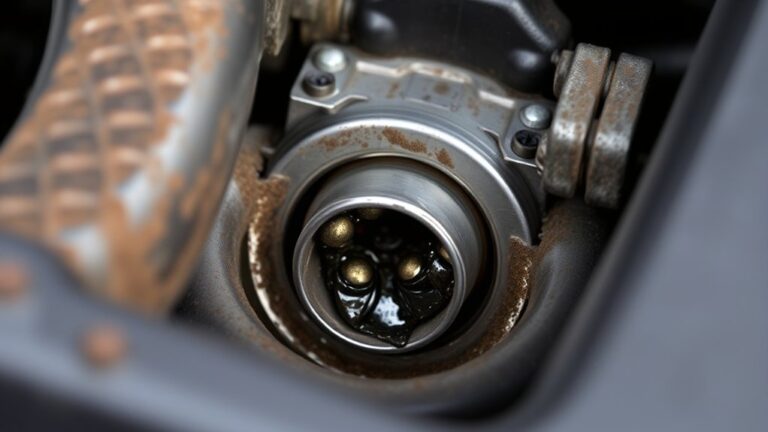
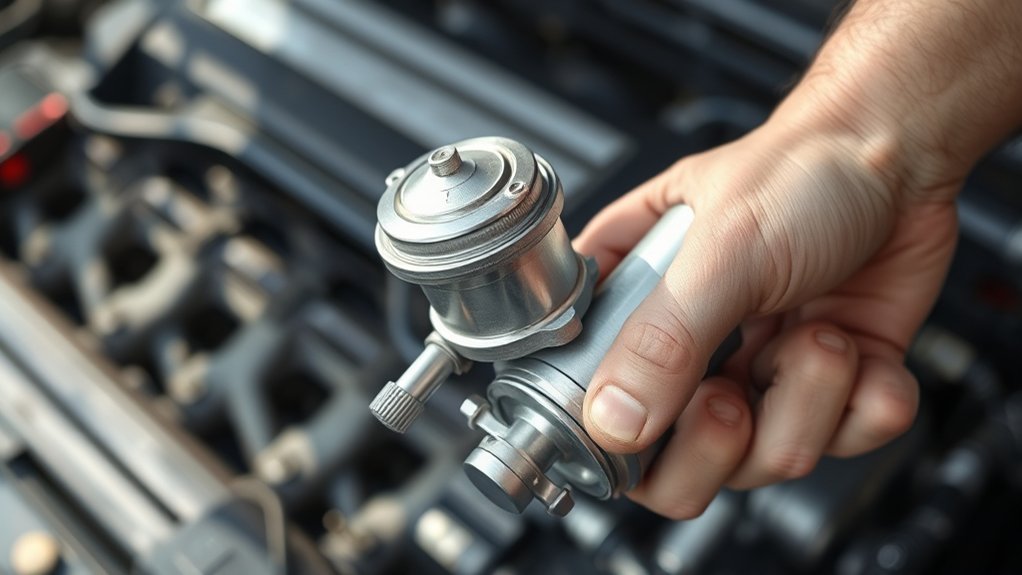
Can a Bad Fuel Pump Cause a Misfire
Yes, a bad fuel pump can cause a misfire by disrupting the precise fuel flow and pressure your engine needs for efficient combustion. When the fuel pump fails to maintain consistent delivery, it creates lean conditions and irregular combustion cycles. This often leads to hesitation, uneven idling, and power loss.
Diagnosing this issue involves checking fuel pressure and inspecting pump components. Additionally, scanning for misfire codes can help identify the root cause. Understanding these factors will help you pinpoint the problem and address it effectively.
What a Fuel Pump Does and Why It Matters
How does a fuel pump impact your engine’s performance? It ensures a consistent flow of fuel from the tank to the engine’s combustion chamber, directly influencing fuel economy and overall engine efficiency.
If your fuel pump operates at optimal electric optimization, it maintains precise fuel pressure, allowing your engine to burn fuel effectively. This consistent delivery helps your engine perform smoothly, maximizing power output while minimizing fuel waste.
When the fuel pump functions correctly, your vehicle runs reliably under varying loads and speeds. Understanding this role is crucial because any deviation in fuel delivery pressure can disrupt combustion balance, impacting performance and efficiency.
How a Faulty Fuel Pump Causes Misfires
Why does a faulty fuel pump lead to engine misfires? When your fuel pump fails to deliver a consistent fuel flow, your engine doesn’t get the precise air-fuel mixture required for optimal combustion. This disruption directly triggers misfires.
Specifically, a failing pump can:
Specifically, a failing fuel pump disrupts pressure and fuel delivery, causing misfires and reduced engine performance.
- Cause irregular fuel pressure, leading to incomplete combustion cycles.
- Reduce fuel efficiency as the engine compensates for inconsistent fuel delivery.
- Interfere with fuel additives’ ability to clean and protect the fuel system, worsening performance.
- Create lean conditions where insufficient fuel reaches the cylinders, prompting misfires.
Common Signs of a Bad Fuel Pump Causing Misfires
What symptoms indicate a failing fuel pump is causing your engine to misfire? You’ll often notice engine hesitation, rough idling, or sudden power loss under load. These signs arise because the pump fails to maintain consistent fuel pressure, disrupting combustion timing.
Avoid confusing these symptoms with an unrelated topic like ignition issues or sensor faults, which can serve as a random distraction during diagnosis.
| Symptom | Explanation |
|---|---|
| Engine Hesitation | Insufficient fuel delivery |
| Rough Idle | Uneven fuel supply |
| Power Loss | Inconsistent pressure |
| Engine Stalling | Fuel starvation |
| Check Engine Light | ECU detects misfire |
Recognizing these signs early prevents misdiagnosis and unnecessary repairs.
How to Diagnose Fuel Pump Problems That Cause Misfires
Identifying fuel pump issues that lead to misfires requires systematic testing of fuel pressure and delivery consistency. Start by checking the fuel pressure with a gauge to ensure it matches manufacturer specifications. Inspect the pump mounting for any looseness or damage that could cause irregular fuel delivery.
Examine leakage patterns around the fuel pump and lines to detect potential fuel loss or air intrusion. Use an OBD-II scanner to identify misfire codes related to fuel delivery.
- Measure fuel pressure at the fuel rail under various engine loads
- Inspect pump mounting bolts and brackets for secure fitment
- Visualize leakage patterns near the pump and fuel lines
- Analyze engine codes for fuel-related misfire diagnostics
Following these steps helps pinpoint fuel pump issues causing misfires effectively.
How to Fix Your Fuel Pump and Stop Misfires
Once you’ve confirmed that the fuel pump is causing the misfire, you’ll need to address the issue promptly to restore proper engine function. Start by checking the fuel pump relay and fuse to eliminate electrical faults.
Next, inspect the pump for wear or damage and ensure the fuel filter is clean to maintain optimal flow. When replacing or servicing the pump, perform proper fuel system priming to avoid air pockets that can trigger misfires.
Additionally, verify that drivetrain lubrication is adequate, as poor lubrication can exacerbate engine stress, indirectly affecting fuel delivery. After reassembly, run diagnostics to confirm stable fuel pressure and smooth engine operation.
This targeted approach will help you fix the fuel pump issue and eliminate misfires efficiently.
When to Replace the Fuel Pump and How to Rule Out Other Causes
You should replace the fuel pump when you notice consistent signs like low fuel pressure or engine stalling under load. Before swapping the pump, rule out other causes of misfire by checking ignition components, fuel injectors, and engine sensors. Proper diagnosis ensures you time the replacement correctly and avoid unnecessary repairs.
Signs Fuel Pump Fails
Although a failing fuel pump can trigger engine misfires, recognizing its specific symptoms is essential before deciding on replacement. You need to differentiate between a pump misfire caused by bad fuel and other engine issues. Key signs include:
- Engine sputtering at high speeds: Indicates inconsistent fuel delivery.
- Loss of power under load: The pump fails to maintain adequate pressure.
- Noisy fuel pump: A whining sound often precedes failure.
- Difficulty starting or stalling: Fuel pressure drops prevent proper combustion.
Monitoring these symptoms helps you identify when the fuel pump fails. Before replacing the pump, rule out bad fuel contamination by testing fuel quality and inspecting injectors. This diagnostic approach ensures you address the root cause, avoiding unnecessary parts replacement and persistent misfire issues.
Diagnosing Engine Misfire Causes
Recognizing fuel pump failure symptoms narrows down potential causes of engine misfire, but confirming the fuel pump as the culprit requires systematic diagnosis. You’ll want to start with pump testing and listen for noise symptoms like whining or buzzing, which indicate mechanical wear.
Simultaneously, inspect ignition components and fuel injectors to rule out other common misfire causes.
| Diagnostic Step | Purpose |
|---|---|
| Pump Testing | Verify pressure and flow rates |
| Noise Symptoms Check | Detect abnormal pump sounds |
| Spark Plug Inspection | Identify ignition faults |
| Fuel Injector Test | Ensure proper fuel delivery |
| Engine Codes Scan | Pinpoint misfire cylinders |
Only after excluding ignition and fuel delivery faults should you replace the fuel pump to address the misfire effectively.
Timing Fuel Pump Replacement
Determining the right time to replace a fuel pump hinges on systematically ruling out alternative causes of engine misfire and confirming fuel delivery issues through diagnostic testing. Start by verifying that the timing belt is intact and correctly tensioned, as timing issues can mimic fuel pump failure symptoms.
Next, observe the fuel gauge for irregular fluctuations, which may indicate inconsistent fuel supply. Use a fuel pressure gauge to measure output directly, ensuring it meets manufacturer specifications.
Finally, scan the vehicle’s ECU for error codes related to misfire or fuel delivery anomalies. Replace the fuel pump only after these steps confirm a malfunction. This approach prevents unnecessary replacement and targets the root cause efficiently.
- Inspect timing belt condition
- Monitor fuel gauge behavior
- Test fuel pump pressure
- Check ECU diagnostic codes
Frequently Asked Questions
Can a Bad Fuel Pump Affect Fuel Efficiency?
Yes, a bad fuel pump can reduce your fuel efficiency by delivering inconsistent fuel pressure, causing your engine to run lean or rich. This imbalance forces your engine to work harder, wasting fuel and lowering overall efficiency.
How Long Does a Typical Fuel Pump Last?
You can expect a typical fuel pump to last between 100,000 and 150,000 miles.
Regular maintenance of your fuel system helps reduce ownership costs by preventing premature pump failure and costly repairs.
Are Fuel Pump Issues Covered Under Vehicle Warranty?
If your fuel pump fails within warranty, like a 2019 sedan example, it’s usually covered unless insufficient data or warranty exclusions apply.
Always review terms carefully, as some warranties exclude wear from contamination or improper maintenance.
Can Bad Fuel Quality Damage the Fuel Pump?
Yes, bad fuel quality can damage your fuel pump by causing clogging and increased wear. Regular fuel pump maintenance, including using clean fuel and replacing filters, helps prevent contamination and extends your pump’s lifespan effectively.
Is It Safe to Drive With a Failing Fuel Pump?
You shouldn’t drive with a failing fuel pump; misleading symptoms often mask serious issues. Don’t trust fuel system myths. Ignoring a failing pump risks stalling, engine damage, and safety hazards. Diagnose promptly to avoid costly repairs.
Conclusion
If your engine stutters or stalls, a bad fuel pump might be the silent culprit behind those misfires. Don’t let this hidden flaw disrupt your drive—diagnose it precisely and act swiftly.
Remember, a well-functioning fuel pump is the heartbeat of your engine’s performance; neglecting it is like ignoring a warning light on your dashboard. Catch the problem early, fix it right, and keep your engine running smoothly without a hitch.
Ultimately, a bad fuel pump can cause a misfire, so staying alert to its signs is essential for maintaining your vehicle’s health.