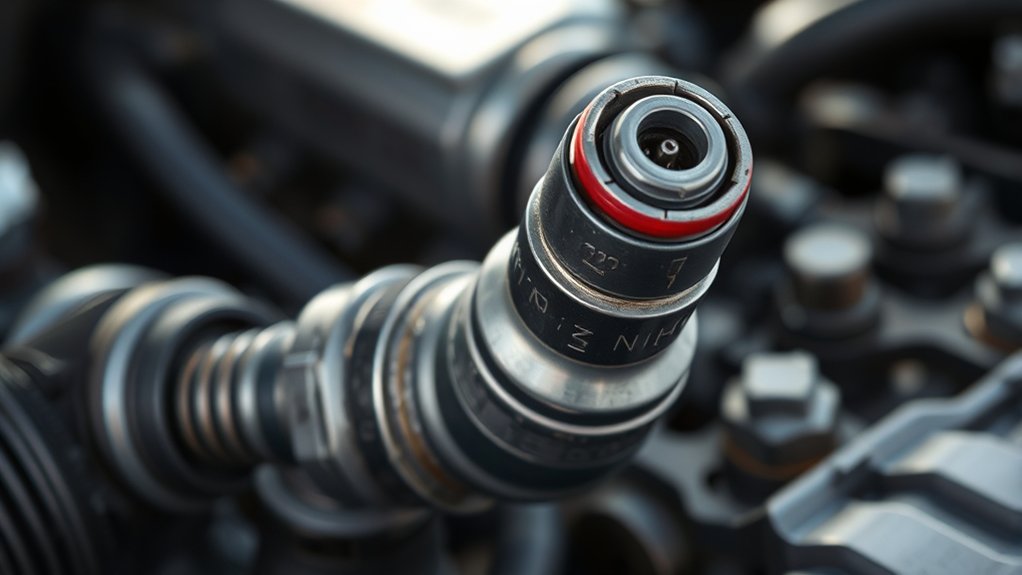
Can a Bad Fuel Injector Cause a Misfire
Yes, a bad fuel injector can cause a misfire by disrupting the precise fuel delivery needed for proper combustion. When an injector leaks, clogs, or electrically fails, your engine runs too rich, too lean, or misses fuel entirely. This leads to incomplete combustion and rough engine performance.
A misfire caused by a faulty injector directly impacts fuel efficiency, power output, and emissions. Understanding the signs, diagnostics, and repair options helps you address these issues effectively. This knowledge is essential for maintaining smooth engine operation and preventing further damage.
What a Fuel Injector Does in Your Engine
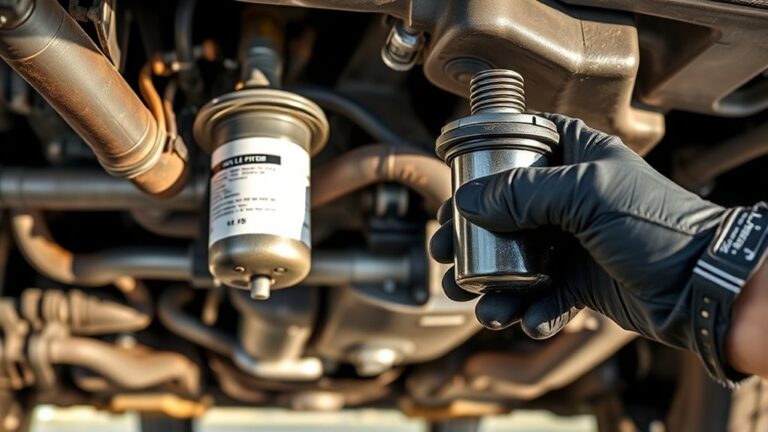
How exactly does a fuel injector contribute to your engine’s performance? It precisely delivers fuel into the combustion chamber, ensuring optimal combustion.
In your vehicle’s fuel system, the injector’s role is critical. It atomizes the fuel into a fine mist, allowing efficient mixing with air. This process depends on injector chemistry, which involves materials and coatings that resist corrosion and optimize fuel flow.
When the injector sprays fuel at the right timing and quantity, your engine achieves better power output, fuel efficiency, and reduced emissions. You rely on the injector’s precise operation to maintain smooth engine function, as any deviation can affect combustion quality.
Understanding this helps you appreciate why fuel injectors are vital components in your engine’s fuel system.
How a Bad Fuel Injector Causes Engine Misfires
Why does a faulty fuel injector lead to engine misfires? When a fuel injector malfunctions, it disrupts the precise fuel delivery essential for proper combustion. This imbalance causes incomplete combustion, resulting in engine misfires.
Unlike an unrelated topic such as spark plug failure, the fuel injector’s role is directly tied to fuel atomization and timing. In a speculative scenario where the injector leaks or clogs, the air-fuel mixture becomes either too rich or too lean, causing combustion instability.
| Injector Condition | Fuel Delivery Effect | Resulting Engine Impact |
|---|---|---|
| Leaking | Excess fuel | Rich mixture, misfire |
| Clogged | Insufficient fuel | Lean mixture, misfire |
| Electrical Failure | No fuel injection | Cylinder no ignition |
| Partial Blockage | Irregular fuel flow | Intermittent misfiring |
Common Signs of a Faulty Fuel Injector
You’ll notice engine performance issues like rough idling or hesitation when a fuel injector is faulty. Your fuel efficiency will likely drop as the injector disrupts the proper air-fuel mixture. Additionally, an unusual exhaust smell can indicate incomplete combustion caused by injector problems.
Engine Performance Issues
Where does a faulty fuel injector reveal itself most clearly? It shows up in your engine’s performance issues. When an injector malfunctions, it disrupts the precise fuel flow necessary for efficient combustion.
You’ll notice rough idling, hesitation during acceleration, or even stalling. These symptoms occur because the injector fails to deliver the right fuel amount, causing cylinders to misfire.
While clean energy and electric motors are gaining traction as alternatives, understanding fuel injector issues remains indispensable for traditional engines.
A defective injector can cause uneven power delivery, compromising your vehicle’s responsiveness and drivability. If you experience these problems regularly, have your fuel injectors inspected promptly to avoid further engine damage and costly repairs.
Fuel Efficiency Drops
Beyond causing engine performance issues, a faulty fuel injector directly impacts your vehicle’s fuel efficiency. When a fuel injector malfunctions, it can either deliver too much or too little fuel to the combustion chamber, disrupting the optimal air-fuel ratio. This imbalance reduces your fuel economy, as the engine compensates by burning more fuel than necessary.
You might notice an increase in fuel consumption despite normal driving habits. Additionally, inconsistent fuel delivery can cause irregular combustion, which sometimes manifests as abnormal drivetrain noise. This noise results from uneven power delivery to the drivetrain components.
If you observe a sudden drop in fuel economy accompanied by unusual drivetrain noise, it’s a strong indicator that your fuel injector may be compromised and requires inspection or replacement to restore efficiency and smooth operation.
Unusual Exhaust Smell
How can you tell if a faulty fuel injector is affecting your exhaust? One clear indication is an unusual exhaust smell, often a strong fuel odor or a rotten egg scent. This happens because a malfunctioning injector disrupts the proper air-fuel mixture, causing unburned fuel to enter the exhaust system.
It’s important to avoid confusing this symptom with an unrelated topic such as general engine wear or off topic discussion like coolant leaks, which produce different smells. Detecting a specific exhaust odor linked to faulty injectors helps you pinpoint the issue accurately.
If you notice this smell, it’s a precise signal that the injector is not atomizing fuel correctly, leading to incomplete combustion and triggering misfires or emissions problems.
Fuel Injector Issues vs. Other Misfire Causes
Why do fuel injector problems often get mistaken for other misfire causes? Because symptoms like rough idling or power loss can stem from several issues, including spark plug failure, ignition coil problems, or improper fuel octane. Unlike ignition faults, fuel injector malfunctions directly affect the fuel delivery and atomization, disrupting the air-fuel mixture.
Diesel engines may exhibit injector issues through abnormal diesel color in the exhaust, indicating incomplete combustion. Misfires caused by fuel injectors typically result in uneven fuel spray or clogging, which differs from misfires due to ignition timing or compression loss.
Recognizing these distinctions is essential, as misdiagnosing the cause can lead to ineffective repairs and persistent engine problems. Understanding fuel injector-specific indicators helps separate them from other common misfire sources.
How to Diagnose Fuel Injector Misfires
You’ll notice symptoms like rough idling, poor acceleration, or increased fuel consumption when an injector starts to fail. To pinpoint the issue, you can perform tests such as measuring injector resistance or using a noid light to check the electrical pulse. Accurate diagnosis requires combining symptom observation with these targeted tests to confirm injector malfunction.
Symptoms Of Injector Problems
When diagnosing fuel injector misfires, identifying specific symptoms is essential for pinpointing the issue accurately. You might notice rough idling, decreased engine power, or an unusual exhaust smell, all signs that your injectors aren’t delivering fuel properly.
Poor fuel atomization can also cause increased fuel consumption, directly impacting your expenses given rising fuel prices. Additionally, misfires triggered by faulty injectors may lead to engine warning lights or trouble codes, affecting your vehicle insurance premiums if ignored.
You could experience hesitation during acceleration or engine stalling, indicating inconsistent fuel delivery. Recognizing these symptoms early helps you avoid costly repairs and maintains peak engine performance.
Stay alert to these indicators to ensure injector-related problems don’t escalate, preserving your vehicle’s reliability and cost-efficiency.
Testing Fuel Injector Function
How can you accurately determine if a fuel injector is causing your engine misfire? Begin by isolating the fuel system components to ensure proper diagnosis. Follow this precise procedure:
- Use an OBD-II scanner to identify misfire codes linked to specific cylinders.
- Perform a fuel injector balance test to measure each injector’s flow rate and compare it against manufacturer specifications.
- Conduct a resistance test on the injector coil with a multimeter, checking for values within the recommended range.
- Inspect injector spray patterns using specialized tools or professional cleaning equipment to detect clogging or malfunction.
Adhering to your vehicle’s maintenance schedule helps prevent injector failures. Accurate testing ensures you address the root cause of misfires, optimizing engine performance and longevity.
Fuel Injector Cleaning: Can It Fix Misfires?
Can cleaning a fuel injector resolve misfire issues? Yes, it can in cases where deposits or clogs impair spray patterns, disrupting combustion. Cleaning restores optimal atomization, improving air-fuel mixture consistency and combustion efficiency.
This process can enhance fuel economy by ensuring precise fuel delivery, reducing unburned fuel and emissions. However, cleaning isn’t a guaranteed fix for all misfires caused by fuel injectors.
You’ll want to consider it as part of routine maintenance budgeting since periodic cleaning can prevent injector-related misfires and extend injector life. Keep in mind, if internal injector components are damaged, cleaning won’t help.
When Replacement Is Necessary for Fuel Injectors
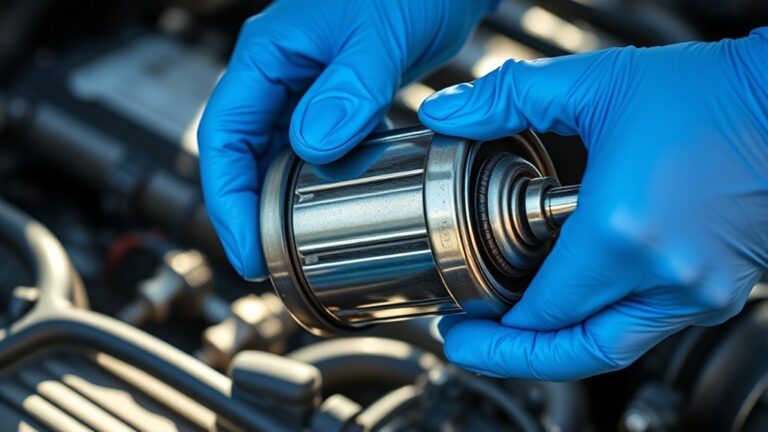
You’ll know it’s time to replace a fuel injector when you notice persistent misfires, rough idling, or decreased fuel efficiency despite cleaning efforts. Pay close attention to signs like fuel leaks, electrical failures, or damaged injector nozzles. Replacing injectors promptly prevents engine damage and restores optimal performance.
Signs of Injector Failure
When should you consider replacing a fuel injector? You need to act when signs of injector failure disrupt your vehicle’s fuel systems and affect ignition timing. Faulty injectors can cause uneven fuel delivery, leading to engine misfires and reduced performance.
Watch for these key indicators:
- Engine misfires or rough idling: Inconsistent fuel spray causes combustion irregularities.
- Poor fuel economy: Leaking or clogged injectors alter fuel flow, increasing consumption.
- Check engine light activation: Sensors detect irregularities in fuel injection and ignition timing.
- Fuel odor or leaks: Physical injector damage or seal failure leads to fuel escaping.
If you notice these symptoms, promptly inspect and replace the faulty injector to maintain peak engine function and prevent further damage.
Timing for Injector Replacement
How do you determine the right moment to replace a fuel injector? You focus on timing precision and injector calibration. When misfires persist despite cleaning, or calibration tests show inconsistency, replacement is necessary to maintain engine performance.
| Condition | Diagnostic Indicator | Action Required |
|---|---|---|
| Inconsistent spray pattern | Failed injector calibration test | Replace injector |
| Persistent misfire | Timing precision deviations | Inspect and possibly replace |
| Physical damage | Visible cracks or corrosion | Immediate replacement |
Fuel injectors must deliver fuel with exact timing and volume. If injector calibration fails or timing precision degrades, misfires and engine inefficiency occur. Replacing injectors at these signs ensures optimal combustion and prevents further engine damage.
How a Bad Fuel Injector Affects Engine Performance
Why does a faulty fuel injector disrupt your engine’s performance? A malfunctioning injector compromises the fuel system’s balance, directly impacting combustion efficiency and ignition timing.
A faulty fuel injector disrupts fuel balance, harming combustion efficiency and ignition timing.
When the injector fails, fuel delivery becomes inconsistent, causing the engine to run lean or rich. This imbalance leads to:
- Reduced power output due to improper air-fuel mixture.
- Increased fuel consumption as the engine compensates.
- Engine misfires from disrupted ignition timing.
- Elevated emissions from incomplete combustion.
Each of these factors degrades your engine’s performance and responsiveness. The fuel system relies on precise fuel metering, and even slight injector faults can cause significant performance issues.
How to Prevent Fuel Injector Failures and Misfires
Fuel injector issues directly impact engine performance and can lead to costly repairs if ignored. To prevent fuel injector failures and misfires, prioritize regular engine maintenance, focusing on the fuel system basics.
Start by using high-quality fuel and fuel additives to reduce deposits that clog injectors. Replace fuel filters according to your vehicle’s schedule to maintain optimal fuel flow. Regularly inspect fuel lines and connections for leaks or damage that could affect injector function.
Additionally, perform periodic fuel injector cleaning using professional-grade equipment or additives designed for this purpose. Monitoring your engine’s performance and addressing irregularities early helps avoid injector stress.
Repair vs. Replacement: Costs and Benefits of Fuel Injectors
Deciding between repairing or replacing a faulty fuel injector depends on factors like the injector’s condition, vehicle age, and cost considerations. You want to avoid mixing unrelated topic details or off topic pairing that can confuse your decision. Here’s what to weigh:
- Repairing can be cost-effective if the injector has minor clogs or deposits.
- Replacement offers reliability, especially for older or heavily damaged injectors.
- Labor costs vary; some engines have complex injector access, increasing expenses.
- Consider long-term benefits: replacement reduces repeat failures, while repair may be temporary.
Professional Repairs and Tools for Injector Misfires
Addressing injector misfires requires specialized tools and expertise to ensure accurate diagnosis and effective repair. You’ll need diagnostic scanners to read trouble codes and oscilloscopes to analyze injector pulse signals precisely.
Properly diagnosing injector misfires demands specialized tools and expert knowledge for precise analysis and repair.
Professional-grade fuel pressure gauges help verify proper fuel delivery, while ultrasonic cleaners remove deposits without causing damage. Avoid relying on insufficient coverage from generic guides or unrelated topics that don’t address injector-specific issues.
Skilled technicians use these tools to isolate faulty injectors, ensuring repairs target root causes rather than symptoms. Attempting DIY repairs without proper equipment risks incomplete fixes and recurring misfires.
Engaging professionals guarantees thorough testing, calibration, and replacement when necessary, ultimately restoring optimal engine performance and preventing further damage from misfires linked to bad fuel injectors.
Frequently Asked Questions
Can Using Premium Fuel Prevent Fuel Injector Problems?
Using premium fuel can help maintain cleaner injectors by reducing deposits, but it won’t fully prevent injector problems.
You should still perform regular injector cleaning to ensure optimal performance and avoid potential fuel delivery issues.
Do Fuel Injector Issues Affect Fuel Economy Significantly?
You might not realize it, but fuel injector issues can drastically affect your fuel economy. Misfire causes often stem from injector problems, reducing efficiency and increasing consumption.
Addressing them promptly keeps your engine running smoothly and economically.
How Often Should Fuel Injectors Be Professionally Inspected?
You should have fuel injectors professionally inspected every 30,000 to 50,000 miles to prevent bad timing and improper routing issues.
Regular checks ensure optimal spray patterns and avoid engine performance problems caused by injector faults.
Are Fuel Injector Problems Covered Under Typical Car Warranties?
You usually won’t get warranty coverage for fuel injector problems unless a misfire traces directly to manufacturing defects. Regular wear and contamination often fall outside typical warranties.
Check your specific policy details carefully for coverage limits.
Can Bad Fuel Injectors Damage the Catalytic Converter?
Yes, bad fuel injectors can damage the catalytic converter by causing misfire causes like unburned fuel.
You’ll need thorough fuel system diagnoses to prevent costly converter damage and maintain optimal engine performance.
Conclusion
If you’re dealing with engine misfires, don’t overlook your fuel injectors—they can be the root cause. A faulty injector disrupts fuel delivery, throwing your engine off balance. Catching issues early lets you avoid bigger headaches down the road.
Remember, a stitch in time saves nine: timely diagnosis and maintenance keep your engine running smoothly and prevent costly repairs. Stay proactive, and you’ll keep your vehicle’s performance sharp and reliable.
In conclusion, a bad fuel injector can cause a misfire, so addressing injector problems promptly is key to maintaining engine health.