Can a Check Engine Light Come on for Oil Change
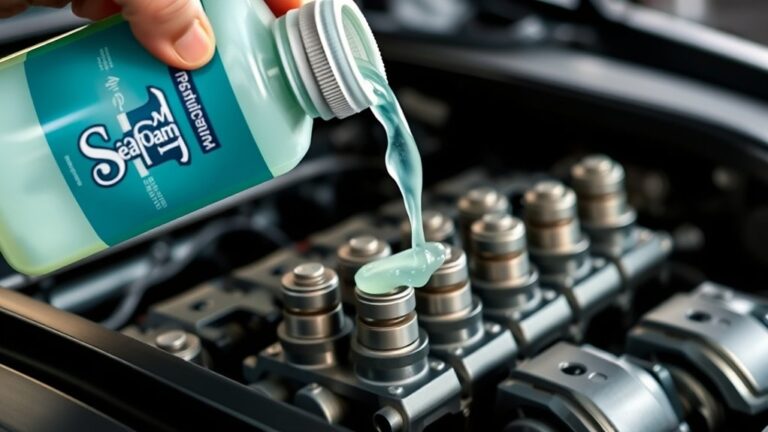
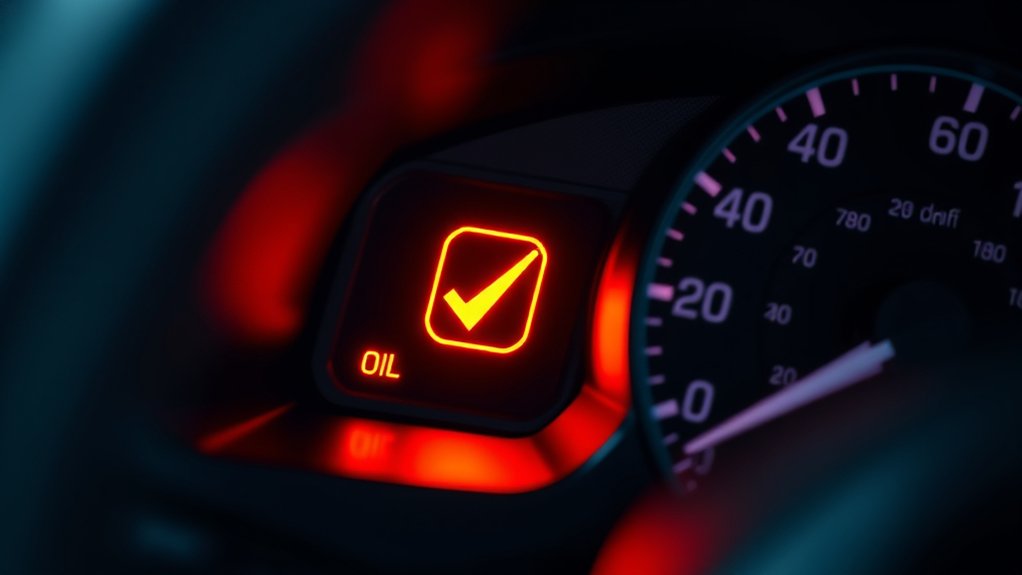
Yes, your check engine light can come on for an oil change or due to delayed oil changes. When oil gets old or dirty, it reduces lubrication, causing increased friction and heat that sensors detect as anomalies. These sensor signals trigger the light to alert you of potential engine issues like low oil pressure or contaminated oil.
Sometimes, a faulty oil sensor or service disruptions can also cause the light. Explore how oil condition and sensor behavior impact your vehicle’s warning system and what steps to take next.
Can a Check Engine Light Come on From an Oil Change Delay?
If you delay an oil change, your check engine light can come on as a result of the engine detecting abnormal operating conditions. When oil degrades, sensors may register issues like increased friction or temperature, prompting the light.
However, don’t confuse this with irrelevant topic claims or off topic discussions about unrelated engine faults triggering the light. The check engine light specifically responds to sensor data indicating performance anomalies, including those caused indirectly by delayed maintenance.
While some might argue that an oil change itself directly triggers the light, that’s an irrelevant topic; the delay, not the service, causes it. Understanding this distinction helps you focus on timely oil changes to prevent sensor alerts, rather than getting distracted by off topic discussions about unrelated engine components.
Why Old or Dirty Oil Can Set Off the Check Engine Light
How does old or dirty oil trigger your vehicle’s check engine light? When oil degrades, it loses viscosity and fails to lubricate engine components effectively. This leads to increased friction, overheating, and potential sensor malfunctions.
The engine control unit (ECU) monitors various parameters, and if oil quality drops, sensors may detect abnormal performance or emissions, illuminating the check engine light. Addressing this isn’t an irrelevant topic; rather, it’s essential for engine health.
Sometimes, the connection between oil condition and the light may seem like a random pairing, but it’s rooted in how oil affects combustion efficiency and sensor readings. Ignoring old oil risks triggering diagnostic trouble codes that prompt the warning light, signaling you to service the oil promptly to maintain peak engine function.
How Skipping Oil Changes Affects Check Engine Light Sensors
Why does skipping oil changes often trigger your check engine light sensors? These sensors monitor critical engine parameters, and neglected oil can indirectly affect their readings. Here’s how:
- Contaminated oil leads to inefficient lubrication, causing engine components to operate outside normal parameters that sensors track.
- Sensor readings may fluctuate due to increased engine friction, which can be misinterpreted as faults unrelated to oil but linked to unrelated peripherals.
- Skipped maintenance creates a buildup of dirt and sludge, which can interfere with sensor signals, prompting warnings unrelated to irrelevant tangents like non-critical system alerts.
Engine Problems That Trigger the Check Engine Light After Skipping Oil
When you skip oil changes, your engine’s wear indicators can signal increased friction and damage, triggering the check engine light. Low or erratic oil pressure caused by degraded oil directly affects sensor readings, leading to alerts. Additionally, sensor malfunctions may occur due to contamination or overheating, further activating the warning system.
Engine Wear Indicators
What signs does your vehicle show when skipping oil changes causes engine wear? When oil viscosity degrades and oil color darkens due to contamination, your engine starts showing wear indicators that can trigger the check engine light. Here are three key signs:
1. Increased friction and metal wear
Old oil loses its lubricating properties, causing parts to grind and wear, which sensors detect as abnormal engine behavior.
2. Carbon buildup
Degraded oil leaves deposits on valves and pistons, affecting combustion efficiency and triggering diagnostic trouble codes.
3. Sensor alerts
Sensors monitoring combustion and emissions pick up irregularities linked to poor lubrication and wear, illuminating the check engine light.
Monitoring oil viscosity and color regularly helps prevent these issues, ensuring your engine stays within operational parameters and avoids costly damage.
Oil Pressure Effects
Beyond wear indicators, oil pressure plays a significant role in engine health and can directly trigger the check engine light after skipping oil changes. When oil changes are neglected, oil pressure can drop due to oil starvation, causing insufficient lubrication.
This leads to increased friction and component damage, prompting the engine control unit (ECU) to alert you via the check engine light.
| Oil Condition | Oil Pressure Status | Potential Engine Impact |
|---|---|---|
| Fresh Oil | Optimal | Proper lubrication |
| Old/Deteriorated | Slightly Reduced | Minor wear |
| Neglected Oil Change | Low | Oil starvation starts |
| Severely Degraded | Critical | Severe friction, damage risk |
| No Oil Change | Oil Pressure Failure | Engine seizure possibility |
Maintaining oil pressure prevents oil starvation and avoids triggering the check engine light.
Sensor Malfunction Risks
How exactly does skipping oil changes lead to sensor malfunctions that trigger your check engine light? When you delay oil maintenance, oil sludge builds up, impairing sensor function and engine performance. This buildup can cause:
- Clogged sensors Oil sludge coats sensors like the oxygen or mass airflow sensor, leading to inaccurate readings.
- Increased engine wear Contaminated oil causes metal friction, damaging sensor circuits and connections.
- Poor fuel economy Faulty sensor data disrupts engine timing and air-fuel mixture, reducing efficiency.
These sensor malfunctions prompt your vehicle’s onboard diagnostics to illuminate the check engine light. Maintaining timely oil changes prevents sludge accumulation, preserves sensor integrity, and ensures optimal fuel economy. Ignoring this leads to costly repairs and degraded engine performance.
How to Tell If Your Oil Needs Changing to Avoid Engine Alerts
When should you change your oil to prevent the check engine light from activating? You should monitor your oil’s condition regularly, focusing on oil viscosity and contamination levels. Over time, oil breaks down, losing optimal viscosity, which reduces its ability to lubricate engine components effectively.
This degradation can trigger sensors connected to the engine control unit, causing the check engine light to activate. Checking the oil dipstick for color and consistency provides a quick assessment. Dark, gritty oil signals the need for a change.
Additionally, adhering to manufacturer-recommended intervals ensures you maintain fuel efficiency and engine health. Using an oil analysis service can offer precise data on wear metals and viscosity, helping you avoid premature alerts and costly repairs by changing oil before it negatively impacts engine performance.
What to Do When the Check Engine Light Comes On After an Oil Change
If your check engine light comes on right after an oil change, start by checking for common issues like a loose oil cap or a disconnected sensor. You should then run a diagnostic scan to identify specific trouble codes. Taking these immediate steps helps pinpoint whether the alert signals a simple fix or a more serious problem.
Common Post-Oil Change Issues
Why does the check engine light sometimes illuminate immediately after an oil change? Usually, it’s not directly related to the oil change itself but can stem from issues that appear concurrently or from an unrelated topic entirely.
Here are three common post-oil change problems you might encounter:
- Loose or Damaged Oil Cap: If the oil cap isn’t sealed properly, it can trigger the check engine light due to pressure irregularities.
- Sensor Disturbance: During the oil change, a sensor wire might be accidentally disturbed or damaged, causing an unrelated theme of error codes.
- System Reset Needed: Some vehicles require a manual reset of the engine control unit after maintenance to clear error flags.
Understanding these helps you pinpoint if the light signals a serious problem or an incidental issue post-maintenance.
Immediate Troubleshooting Steps
Although the check engine light can indicate various issues, you should begin by inspecting the oil cap to guarantee it’s securely tightened. A loose or improperly sealed oil cap can trigger the light.
Next, verify the oil viscosity matches your vehicle’s specifications; incorrect viscosity affects engine performance and may cause alerts. Additionally, check for battery corrosion, which can disrupt electrical signals and cause sensor malfunctions.
Use a multimeter to assess battery voltage and clean any corrosion on terminals. If these steps don’t resolve the issue, retrieve the diagnostic trouble codes (DTCs) using an OBD-II scanner. The codes will help pinpoint the exact problem.
Addressing these immediate factors often resolves the check engine light without unnecessary repairs or delays.
Could a Faulty Oil Sensor Turn On Your Check Engine Light?
How can a faulty oil sensor trigger your check engine light? The oil sensor monitors oil pressure and quality, sending data to your vehicle’s computer. If it malfunctions, your system may misinterpret the readings and activate the check engine light. Here’s why this happens:
- Incorrect Oil Pressure Readings: A failing sensor might report low pressure, prompting a warning.
- Transmission Fluid Confusion: Some sensors share circuits or data lines with transmission fluid monitors, causing cross-signals.
- Faulty Electrical Connections: Damaged wiring or connectors can send erratic signals, triggering alerts.
Understanding the oil sensor’s role helps you identify when the check engine light signals a genuine oil issue or a sensor fault, avoiding unnecessary repairs and ensuring timely maintenance.
When to See a Mechanic If the Check Engine Light Stays On
If your check engine light stays on after an oil change or sensor check, you should promptly consult a mechanic to diagnose the issue. Persistent engine warning signals could indicate unresolved problems beyond routine maintenance, such as faulty sensors or engine malfunctions. Ignoring this light risks engine damage or reduced performance.
| Situation | Possible Cause | Recommended Action |
|---|---|---|
| Light on after oil change | Sensor or oil level issue | Verify oil level; reset light |
| Light flashes | Severe engine problem | Immediate mechanic visit |
| Light steady but no symptoms | Minor fault or sensor glitch | Monitor and scan for codes |
| Light on with symptoms | Serious engine malfunction | Stop driving; seek repair |
Addressing the engine warning promptly ensures vehicle reliability and safety after an oil change.
Frequently Asked Questions
Can Low Oil Levels Trigger the Check Engine Light?
Low oil levels typically trigger low oil warnings or oil level indicators, not the check engine light.
You’ll rely on these dedicated systems to monitor oil, ensuring accurate alerts without confusing engine diagnostics.
Does Synthetic Oil Affect the Check Engine Light Differently?
Synthetic oil doesn’t affect the check engine light differently, but its consistent oil viscosity helps maintain engine performance.
You’ll benefit from better lubrication, reduced wear, and fewer sensor-triggered alerts compared to conventional oils.
Can Using the Wrong Oil Type Cause the Check Engine Light?
Yes, using the wrong oil can trigger the check engine light by affecting oil pressure. Incorrect viscosity or type may disrupt sensor readings or engine lubrication.
This can cause the system to detect abnormal conditions and illuminate the warning light.
How Often Should Oil Sensor Calibration Be Checked?
Like tuning a fine instrument, you should perform oil sensor calibration checks every 30,000 miles or during routine maintenance. This ensures accurate readings, prevents engine issues, and keeps your vehicle running optimally.
Can Oil Leaks Cause the Check Engine Light to Come On?
Yes, oil leaks can cause your check engine light to come on by lowering oil pressure and affecting oil viscosity. This drop triggers sensors, alerting you to potential engine damage or lubrication issues requiring immediate attention.
Conclusion
If your check engine light comes on, don’t delay—dedicate yourself to diagnosing the details. Dirty or delayed oil changes can directly disrupt engine sensors, driving the warning light to dance on your dashboard. Detecting and dealing with oil issues early prevents persistent problems and protects your powertrain.
When warning signs won’t wane, seeking skilled service safeguards your system’s strength and stops small snags from spiraling into serious setbacks. Remember, a check engine light can come on for an oil change or related oil problems, so addressing it promptly is essential for your vehicle’s health.