Are Honda Crvs Reliable
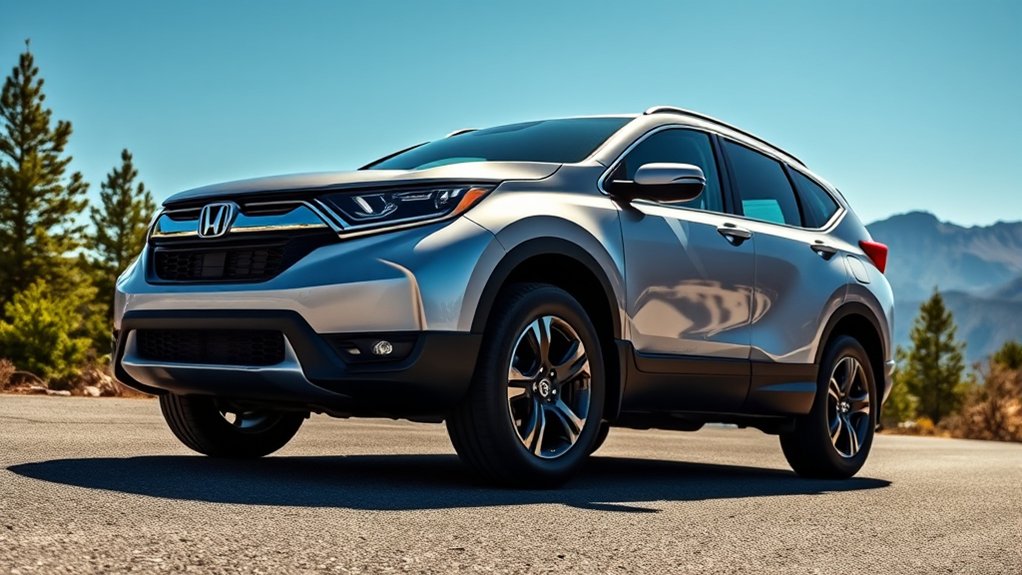
You can count on Honda CR-Vs for dependable reliability and durable performance. Honda CR-V reliability is backed by proven technology and robust transmissions that minimize breakdowns. This helps your vehicle last well beyond 150,000 miles with routine maintenance.
Costs for upkeep like oil changes and brake service remain moderate compared to other compact SUVs. Regular checks preserve fuel efficiency, and safety features work efficiently with little impact on gas mileage. If you want to understand reliability nuances and maintenance tips, there’s more to explore.
Key Takeaways
- Honda CRVs are known for consistent engineering quality and durable components, ensuring strong reliability across model years.
- Owners report vehicles lasting beyond 150,000 miles with routine maintenance and few major issues.
- Common problems include occasional transmission hesitation and minor oil leaks, but these are not widespread.
- Maintenance costs are moderate, with affordable routine services helping prevent costly repairs and preserve fuel efficiency.
- Certain model years like 2015 and 2016 are noted for especially strong reliability and efficient performance.
Key Factors Behind the Honda CR-V’s Reliability
What makes the Honda CR-V stand out regarding reliability? You’ll find it’s a combination of consistent engineering quality, durable components, and thoughtful design. Honda uses proven engine technology and robust transmissions that minimize breakdowns.
Consistent engineering, durable parts, and proven technology make the Honda CR-V remarkably reliable.
Additionally, the CR-V’s maintenance intervals are practical, helping you avoid unexpected repairs. Unlike an unrelated topic such as random musings on vehicle aesthetics, reliability hinges on tangible factors like build quality and part longevity.
The CR-V’s reputation also benefits from rigorous testing and continuous improvements across model years. When you consider these key factors, it’s clear why the CR-V maintains dependable performance over time.
In short, the CR-V’s reliability stems from deliberate choices that prioritize functionality and long-term durability rather than superficial traits.
How Does the CR-V Compare to Other Compact SUVs?
Understanding the Honda CR-V’s reliability sets a solid foundation for comparing it to other compact SUVs in the market. When you look at noise reduction, the CR-V stands out by offering a quieter cabin than many competitors, thanks to well-engineered insulation and aerodynamic design. This enhances driving comfort, especially on highways.
Additionally, the CR-V provides a broad range of color options, allowing you to personalize your vehicle more than some rivals do. While other SUVs might match it in performance or technology, few blend reliability, noise reduction, and aesthetic variety as effectively.
Common Problems Reported by Honda CR-V Owners
Why do some Honda CR-V owners report issues despite the model’s overall reputation for reliability? Even well-designed vehicles face challenges, and the CR-V is no exception. Some problems stem from car design choices and interior features that may not meet every owner’s expectations or usage patterns.
| Problem Area | Common Issues |
|---|---|
| Transmission | Hesitation or rough shifting |
| Engine | Occasional oil leaks |
| Interior Features | Faulty infotainment touchscreen |
| Car Design | Wind noise at higher speeds |
These issues, though reported, don’t represent every CR-V owner’s experience. Understanding them helps you anticipate potential concerns and evaluate if the CR-V aligns with your priorities for car design and interior features.
Maintenance Costs and CR-V Reliability
How much will it cost you to keep a Honda CR-V running smoothly over time? Generally, the CR-V’s maintenance costs are moderate compared to other compact SUVs. Routine services like oil changes, brake pads, and tire rotations are affordable and widely accessible.
It’s important to separate maintenance myths from facts; for example, some believe genuine parts are always expensive, but aftermarket accessories often provide reliable, cost-effective alternatives without compromising performance. Staying on top of scheduled maintenance helps prevent costly repairs and maintains reliability.
While aftermarket parts can reduce expenses, ensure they meet safety standards and compatibility. Overall, the CR-V balances reasonable upkeep costs with dependable performance, making it a practical choice if you prioritize low-to-moderate maintenance expenses and sustained reliability.
Owner Views on CR-V’s Long-Term Reliability
When you hear from long-term Honda CR-V owners, you’ll find they often highlight routine maintenance as manageable and predictable. Many report their vehicles lasting well beyond 150,000 miles with few major issues, showcasing strong durability. These insights give you a clearer picture of what to expect over the years with a CR-V.
Common Maintenance Experiences
What can you expect from owning a Honda CR-V over the long haul? Most owners report routine maintenance tasks like oil changes, brake pad replacements, and tire rotations as straightforward and cost-effective.
Some mention occasional repairs, such as replacing the air conditioning compressor or addressing minor electrical issues, but these aren’t widespread concerns. It’s important to separate genuine maintenance experiences from unrelated topic chatter or random discussion found in online forums, ensuring you focus on relevant owner feedback.
Many appreciate the CR-V’s accessible engine bay, which simplifies DIY upkeep. Overall, consistent maintenance keeps your CR-V running smoothly without frequent surprises, reflecting Honda’s commitment to reliability.
Staying proactive with scheduled service helps you avoid larger, unexpected repairs later on.
Longevity and Durability Insights
Consistent maintenance sets the foundation for a Honda CR-V’s long-term reliability, but many owners are curious about how well these vehicles hold up after years of use. Owners report that with routine checks, particularly on battery life and wheel alignment, CR-Vs often exceed 200,000 miles without major issues.
Battery replacements typically occur every 4-6 years, while wheel alignment adjustments help prevent uneven tire wear and maintain handling stability. Overall, the CR-V’s durability is supported by its solid build and dependable components.
| Aspect | Owner Feedback | Maintenance Tip |
|---|---|---|
| Battery Life | Reliable, replaced every 4-6 yrs | Test battery annually |
| Wheel Alignment | Crucial for tire longevity | Check alignment yearly |
| Engine | Consistent performance | Change oil on schedule |
| Suspension | Handles wear well | Inspect during tire rotations |
Honda CR-V Engine and Transmission Durability
Although the Honda CR-V has undergone several engine and transmission updates over the years, its reputation for durability remains strong. When you drive a CR-V, you’ll notice that Honda’s focus on engineered noise reduction enhances your comfort, signaling careful attention to detail in the powertrain design.
The engines, typically reliable, require routine maintenance to maintain performance and longevity. Transmission systems, especially the CVTs in recent models, hold up well under normal conditions but benefit from timely fluid changes.
Additionally, Honda’s commitment to paint durability complements the vehicle’s overall resilience, protecting the exterior against wear and environmental factors. By staying on top of recommended service intervals, you can expect the CR-V’s engine and transmission to provide dependable, long-lasting performance without frequent repairs.
How Safety Features Impact the CR-V’s Reliability
Beyond the engine and transmission, safety features play a significant role in the Honda CR-V’s overall reliability. When these systems function properly, they reduce the risk of accidents, minimizing costly repairs and downtime.
Features like collision mitigation braking and lane-keeping assist rely on sensors and electronic components that depend on good battery health. Maintaining a strong battery ensures these safety systems operate without interruption.
Additionally, while some worry advanced safety tech might affect fuel economy due to added electrical demand, Honda has optimized these features to have minimal impact. By regularly checking sensor calibration and battery condition, you help preserve both the CR-V’s safety performance and reliability.
This attention to safety technology maintenance ultimately supports your vehicle’s dependable operation over time.
Fuel Efficiency and Practical Reliability
You’ll find that Honda CR-Vs offer competitive fuel economy ratings that hold up well in everyday driving conditions. However, real-world mileage can vary based on factors like driving habits and terrain. Keeping up with regular maintenance is essential, as it directly affects both fuel efficiency and the vehicle’s overall reliability.
Fuel Economy Ratings
How efficient is the Honda CR-V when it comes to fuel economy? The CR-V consistently delivers respectable fuel economy ratings, which can help you plan your maintenance budgeting effectively.
Depending on the model and drivetrain, fuel efficiency varies, but it generally offers competitive mileage in its class. Below is a summary of EPA fuel economy ratings:
| Model Year | City MPG | Highway MPG |
|---|---|---|
| 2021 | 28 | 34 |
| 2022 | 28 | 34 |
| 2023 | 27 | 32 |
These ratings reflect the CR-V’s balanced approach to fuel efficiency and practicality. Understanding these numbers helps you anticipate fuel costs and manage overall ownership expenses more reliably.
Real-World Mileage Performance
Where can you expect the Honda CR-V’s fuel efficiency to stand up outside of controlled testing environments? In real-world driving, the CR-V generally matches or slightly trails its EPA ratings, depending on your driving habits and conditions.
Thanks to eco friendly upgrades like improved engine tuning and hybrid options, you can count on better mileage compared to older models. These upgrades not only reduce emissions but also enhance practical reliability by optimizing fuel use during stop-and-go traffic.
Additionally, autonomous features such as adaptive cruise control help maintain steady speeds, which contributes to consistent fuel efficiency on highways. While city driving may lower your mileage due to frequent stops, overall, the CR-V’s real-world fuel performance supports its reputation as a reliable, efficient compact SUV.
Maintenance Impact on Efficiency
Why does regular maintenance play a crucial role in preserving the Honda CR-V’s fuel efficiency and overall reliability? When you keep up with scheduled oil changes, air filter replacements, and tire rotations, your CR-V runs smoother and consumes fuel more efficiently.
Neglecting these tasks often leads to decreased mileage and increased wear on engine components. It’s important to stay focused on maintenance rather than veering into unrelated topics or off-topic discussions about aftermarket modifications, which rarely improve efficiency.
Practical reliability depends on consistent care, like monitoring fluid levels and ensuring spark plugs are in good condition. By staying on top of these essentials, you protect your investment, avoid costly repairs, and keep your CR-V delivering optimal performance over time.
Most Reliable Honda CR-V Model Years
Several Honda CR-V model years have earned a reputation for exceptional reliability, making them smart choices for buyers seeking durability and low maintenance costs. The 2015 and 2016 models stand out, offering a balance of strong fuel economy and proven mechanical dependability.
These years benefit from refined engines and transmissions, resulting in fewer reported issues. Additionally, the 2012 and 2013 CR-Vs are noted for their robust build quality and reasonable market pricing, making them attractive options if you want reliability without paying a premium.
While newer models improve in technology, some may come with higher repair costs. Overall, selecting CR-Vs from these years can help you enjoy long-term value, combining efficient fuel use with solid performance and manageable expenses.
Maintenance Tips to Keep Your CR-V Running Smoothly
To keep your Honda CR-V running smoothly, you should regularly check essential fluids like engine oil, coolant, and transmission fluid to prevent wear and overheating. Timely brake inspections are also crucial, as they ensure your safety and maintain optimal stopping power. Staying on top of these maintenance tasks helps extend your vehicle’s lifespan and reliability.
Regular Fluid Checks
How often do you check the fluids in your Honda CR-V? Regular fluid checks are essential to keep your vehicle running smoothly and prevent costly repairs. Pay attention to these key fluids:
- Engine oil: ensures smooth engine performance and longevity
- Coolant: prevents overheating, especially during long drives
- Brake fluid: maintains braking efficiency and safety
- Transmission fluid: supports seamless gear shifts and prolongs transmission life
Neglecting these can lead to breakdowns, impacting your daily routine or even your enjoyment of features like hands free charging or in car gaming. Keeping fluids at proper levels safeguards your CR-V’s reliability and helps you make the most of its advanced tech without interruptions.
Make fluid checks part of your regular maintenance routine to protect both performance and comfort.
Timely Brake Inspections
Along with keeping your fluids in check, you should also schedule regular brake inspections to maintain your Honda CR-V’s safety and performance. Timely brake checks help detect wear and tear early, preventing costly repairs and ensuring reliable stopping power.
Don’t let non vehicle topics or unrelated hobbies distract you from this essential maintenance aspect. Consistent brake inspections improve your CR-V’s longevity and your peace of mind.
| Inspection Item | Recommended Frequency |
|---|---|
| Brake pad thickness | Every 10,000 miles |
| Brake fluid level | Every 20,000 miles |
| Rotor condition | Every 20,000 miles |
| Brake system check | Annually |
Prioritize brake care alongside other maintenance to keep your CR-V running smoothly and safely.
When to Consider Other Compact SUVs
Why might you consider other compact SUVs instead of a Honda CRV? While the CRV is known for reliability, certain factors might lead you to explore alternatives. For example, if fuel economy is a top priority, some competitors offer better mileage.
Additionally, if maximizing resale value matters, other models may hold their worth longer. You might also seek different styling or advanced tech features not available in the CRV. Lastly, budget constraints or specific performance needs could push you to look elsewhere.
Consider other compact SUVs if you:
- Want superior fuel economy for daily commutes
- Prioritize higher resale value in your region
- Desire cutting-edge infotainment or safety tech
- Need a distinct design or driving experience
Evaluating these aspects ensures you find a vehicle that fits your lifestyle perfectly.
Frequently Asked Questions
What Are the Best Accessories for Customizing a Honda CR-V?
You should add tech gadgets like a wireless charger and dash cam for convenience. Upgrade interior fabrics with custom seat covers and floor mats to enhance comfort and style, making your Honda CR-V uniquely yours and functional.
How Does the Honda CR-V Perform in Extreme Weather Conditions?
Think of the Honda CR-V as a sturdy oak, standing firm in storms. You’ll find its extreme weather resilience impressive, with off-road handling that tackles snow, rain, and mud, ensuring stable, confident driving in harsh conditions.
What Is the Resale Value Trend for Honda CR-VS?
You’ll find Honda CR-V resale trends generally strong, thanks to their reliability and popularity. Depreciation factors include mileage, condition, and model year, but overall, CR-Vs hold value better compared to many competitors in the compact SUV segment.
Are Honda CR-V Parts Readily Available Globally?
You’ll find Honda CR-V parts widely available thanks to a strong global parts supply, even if regional availability varies slightly.
Don’t worry, authorized dealers and online platforms ensure you can access parts wherever you are.
How Does the Honda CR-V Handle Off-Road Driving?
You’ll find the Honda CR-V handles off-road driving with decent off-road grip, especially on light trails. Its mud performance is adequate but not exceptional, so avoid deep, challenging terrain for the best experience.
Conclusion
When you consider the Honda CR-V’s strong reliability record, reasonable maintenance costs, and solid fuel efficiency, it’s easy to see why many drivers trust it for the long haul. However, some common issues have been reported, so it’s important to be prepared to stay on top of maintenance.
Choosing the right model year and following upkeep tips can make all the difference in your ownership experience.
Ultimately, the Honda CR-V remains a reliable choice—especially for those seeking a dependable and well-rounded SUV.