Can Diesel Fuel Go Bad
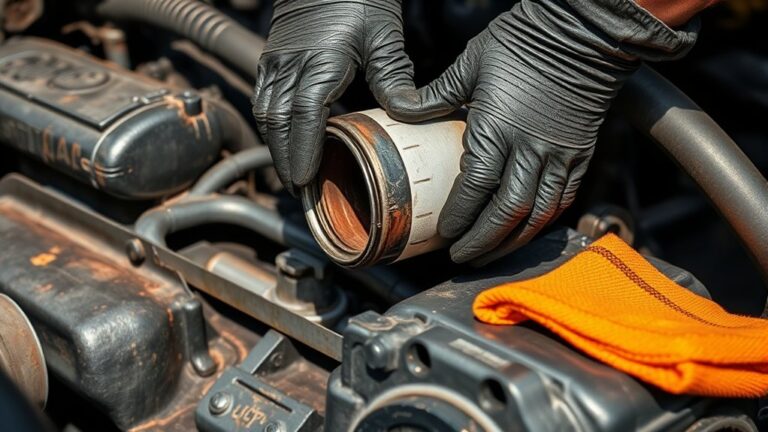
Yes, diesel fuel can go bad due to oxidation, microbial growth, and contamination. Over time, exposure to oxygen causes the formation of gums and sediments that clog filters, impacting engine performance. Water presence in the fuel accelerates corrosion and encourages microbial sludge growth.
This sludge blocks fuel lines and damages injectors, leading to costly repairs. Contaminants and prolonged exposure to heat further degrade fuel quality, resulting in discoloration and starting issues.
Proper storage and the use of additives help maintain diesel fuel freshness. However, once signs of breakdown appear, careful handling is essential to avoid engine damage. Discover how to recognize, prevent, and address these problems effectively.
Why Diesel Fuel Goes Bad
Although diesel fuel is designed for long-term storage, it can degrade over time due to chemical and environmental factors. You need to understand that oxidation, microbial growth, and water contamination primarily cause this degradation.
Oxidation leads to the formation of gums and sediments, which clog filters and injectors. Microbial growth thrives where water accumulates, producing sludge that blocks fuel lines. Water contamination accelerates corrosion and promotes microbial proliferation.
When analyzing why diesel goes bad, avoid blocked topics or unrelated concerns like engine performance issues not linked directly to fuel quality. Focus strictly on chemical changes and contamination sources.
How Long Does Diesel Fuel Last?
Understanding the factors that cause diesel fuel to degrade sets the stage for determining its usable lifespan. Typically, untreated diesel fuel lasts about 6 to 12 months under optimal storage. However, this duration varies significantly depending on storage conditions and fuel quality.
Proper diesel stabilization extends usability by minimizing oxidation and microbial growth. Key factors influencing diesel fuel longevity include:
- Exposure to heat and sunlight accelerating oxidation
- Presence of water promoting microbial contamination
- Accumulation of contaminants causing filter clogging
- Corrosion in storage tanks contaminating fuel
- Effectiveness of diesel stabilization additives in preserving quality
Signs Diesel Fuel Has Gone Bad
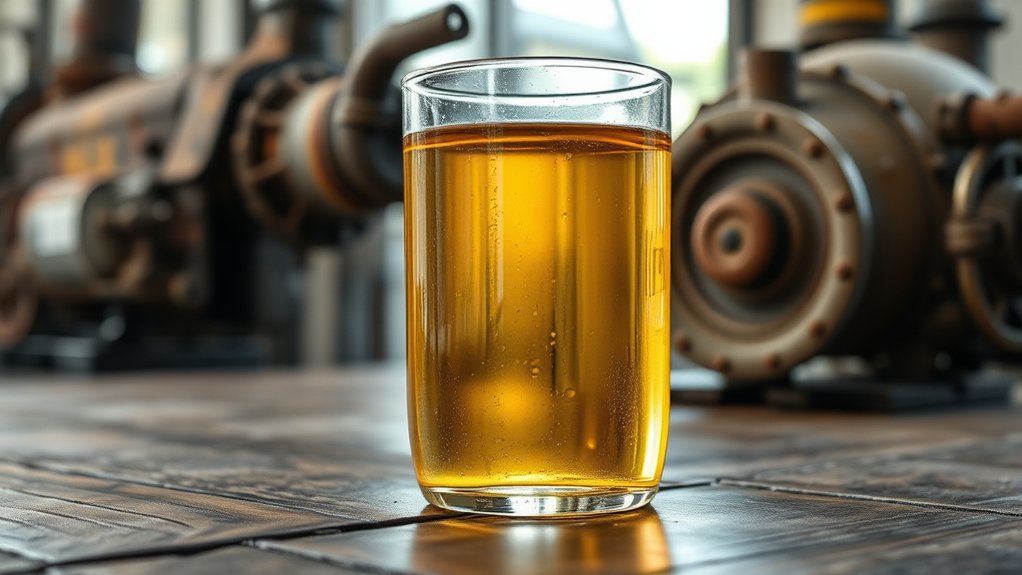
When diesel fuel deteriorates, it exhibits specific physical and chemical changes that signal its compromised quality. You’ll notice discoloration, such as darkening or cloudiness, indicating oxidation altering the diesel composition.
Sediment or gel-like substances may appear, a direct result of microbial growth or wax crystallization. Contamination risks rise when water infiltrates the fuel, causing phase separation and corrosion.
You might also detect unusual odors, often sour or rancid, stemming from chemical breakdown. Engine performance issues like difficulty starting, reduced power, or clogged injectors often accompany degraded fuel.
Simple Ways to Keep Diesel Fuel Fresh
Noticing signs of diesel fuel degradation prompts immediate action to preserve fuel quality. To maintain diesel fuel freshness, optimize your diesel storage conditions and apply proven preventive techniques.
Proper storage minimizes exposure to air, moisture, and contaminants, critical factors accelerating fuel breakdown. Integrating fuel additives can inhibit microbial growth and oxidation, extending fuel life effectively.
- Store diesel in airtight, opaque containers to limit oxygen and light exposure
- Maintain storage temperature below 80°F to reduce chemical reactions
- Use fuel additives formulated to prevent microbial contamination and improve stability
- Regularly inspect and clean tanks to prevent water and sediment accumulation
- Rotate stock by using the oldest fuel first to avoid long-term storage degradation
These strategies ensure your diesel remains stable, reliable, and efficient for extended periods.
What to Do If Diesel Fuel Goes Bad
How can you effectively address diesel fuel that has deteriorated? First, identify signs of diesel fuel aging such as discoloration, sediment formation, or foul odors. You should immediately avoid using compromised fuel to prevent engine damage.
Next, test the fuel for water contamination and microbial growth, common byproducts of aging. If contamination control measures fail, drain and dispose of the bad fuel according to environmental regulations.
Thoroughly clean fuel tanks and replace fuel filters to eliminate residual contaminants. Consider treating remaining fuel with additives designed to restore stability and inhibit microbial growth.
Implementing regular monitoring and contamination control protocols will mitigate future diesel fuel aging issues, ensuring fuel quality and engine performance remain optimal. Acting promptly preserves equipment longevity and operational efficiency.
Frequently Asked Questions
Can Additives Extend Diesel Fuel’s Shelf Life?
Yes, additives can extend diesel fuel’s shelf life by improving storage stability and preventing degradation. However, insufficient additives reduce effectiveness, so you must use proper formulations to maintain fuel quality during long-term storage.
How Does Temperature Affect Diesel Fuel Storage?
You’ll find that maintaining temperature stability is essential, as fluctuations promote water condensation, encouraging bacteria growth in diesel fuel. Keep storage conditions cool and stable to minimize microbial contamination and preserve fuel quality efficiently over time.
Is Biodiesel More Prone to Going Bad Than Regular Diesel?
You might worry biodiesel’s stability is worse than regular diesel’s and you’re right. Biodiesel’s chemical makeup demands stricter storage basics, like cooler temps and airtight containers, to prevent quicker degradation compared to conventional diesel fuel.
Can Bad Diesel Damage My Engine Permanently?
Yes, bad diesel can cause permanent engine corrosion and damage. Microbial growth in contaminated fuel promotes corrosion and clogs filters, impairing fuel injection systems.
You should regularly inspect and replace fuel to protect your engine’s longevity.
What’s the Best Container for Storing Diesel Fuel?
When it comes to diesel storage containers, you should go the whole nine yards with airtight, UV-resistant steel or high-density polyethylene tanks. These optimize shelf life factors by minimizing contamination, moisture, and oxidation, ensuring fuel stability over time.
Conclusion
Diesel fuel isn’t immortal; it can degrade like milk left out too long. You need to store it properly and monitor its condition regularly to keep it fresh. By understanding how diesel goes bad and recognizing the warning signs early, you’ll avoid costly engine issues.
If you find your fuel compromised, act quickly to filter or replace it. Staying proactive ensures your diesel stays reliable and efficient, powering your equipment without unexpected failures. Proper care and attention are key to extending the life of diesel fuel.