How Tight Should a Tonneau Cover Be
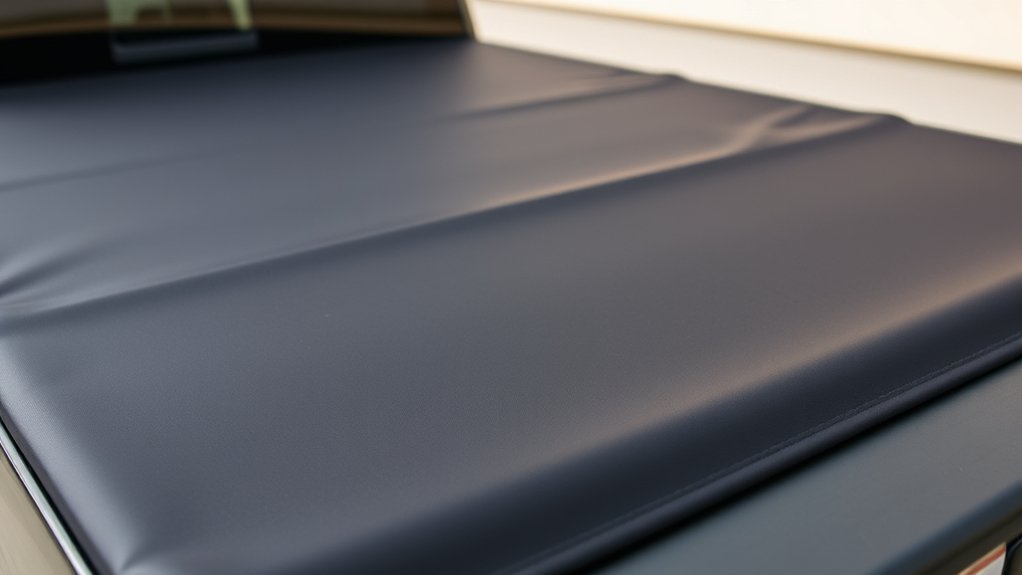
You should tighten your tonneau cover enough to eliminate any sagging or wrinkles while still allowing slight flexibility to avoid stressing the material and mounting points.
Proper tension ensures a secure seal against water and debris, prevents premature wear, and maintains smooth operation.
Avoid overtightening, which can warp the frame or damage the fabric.
Maintaining balanced tension along all edges is key, especially as environmental factors affect it over time.
Further guidance can help you optimize cover performance and durability.
Why Proper Tonneau Cover Tension Matters
Why does the tension of your tonneau cover matter so much? Proper tension ensures a secure seal, preventing water, dust, and debris from entering your truck bed. When tension is off, you risk accelerated wear, reduced durability, and compromised protection.
You shouldn’t rely on marketing jargon promising “unbreakable” or “maintenance-free” covers without verifying real performance, as such claims can mask subpar quality. Being aware of pricing ethics is crucial too. Overpriced covers often don’t deliver proportional value, especially if tension adjustment isn’t straightforward.
How Tight Should a Tonneau Cover Be for Optimal Fit and Protection?
How tight should you make your tonneau cover to achieve the best fit and protection? You want the tension calibrated so the cover lies flat without sagging, yet not so tight it strains the material or mounting points. Proper tension ensures a secure seal against weather and debris, enhancing durability and cargo protection.
From a technical standpoint, aim for firm tension that eliminates wrinkles but allows slight flexibility to accommodate bed flex during driving. This balance optimizes both functionality and aesthetics, as an overly tight cover can distort edges and damage components.
Manufacturers’ marketing messaging often highlights “snug fit” benefits, but you should rely on measured tension adjustments rather than just promotional claims. Correct tension maximizes seal integrity and visual appeal, safeguarding your investment effectively.
Signs Your Tonneau Cover Tension Is Too Loose or Tight
You’ll notice visible sagging if your tonneau cover tension is too loose, which compromises protection and aerodynamics. If you’re struggling to open or close the cover smoothly, it’s likely too tight. Excessive strain on the material also signals improper tension that can lead to premature wear or damage.
Visible Sagging Issues
When should you be concerned about visible sagging on your tonneau cover? Sagging indicates improper tension, either too loose, risking debris accumulation, or too tight, stressing the material. Debunk tension myths: neither extreme benefits material longevity. Maintaining optimal tension ensures durability and function.
| Sagging Level | Cause | Impact on Cover |
|---|---|---|
| None | Proper tension | Maximizes material life |
| Slight | Mildly loose tension | Minor water pooling |
| Moderate | Loose tension | Debris accumulation |
| Pronounced | Excessively loose | Accelerated wear, tears |
| Tight with sag | Uneven tension/stretch | Material stress, warping |
Monitor sagging regularly to adjust tension. Avoid overtightening to prevent damage and prolong your tonneau cover’s lifespan.
Difficulty Operating Cover
Why does your tonneau cover struggle to open or close smoothly? This issue often indicates that the tension is either too loose or too tight.
If the cover is overly tight, you’ll notice increased resistance when operating it, risking damage to the frame or hinges. Conversely, a loose cover may flap excessively, reducing noise reduction and compromising solar efficiency by allowing sunlight and air infiltration.
Proper tension ensures smooth operation, optimal sealing, and durability. Check for stiffness or excessive slack during movement.
Adjusting the tension maintains an effective barrier against noise and helps preserve the cover’s solar reflective properties. Regular maintenance and correct tension calibration prevent operational difficulties and extend the cover’s functional lifespan.
Excessive Material Strain
How can you tell if your tonneau cover’s tension is causing excessive strain on the material? Misunderstanding tension myths often leads to improper adjustments that accelerate fabric wear. If the cover is too tight or too loose, it compromises durability and function.
Watch for these signs:
- Visible creases or puckering indicating overstretched fabric
- Sagging areas that collect water or debris
- Frayed edges or weakened stitching from constant stress
- Increased difficulty in securing or releasing the cover
Maintaining optimal tension prevents premature fabric degradation and ensures smooth operation. Avoid assuming tighter is better; excessive tension can damage the cover just as much as slackness.
Regularly inspect the cover for these symptoms and adjust tension accordingly to extend its lifespan and performance.
How Weather Affects Your Tonneau Cover’s Tension
What impact does the weather have on your tonneau cover’s tension? Weathering cycles, including repeated exposure to sun, rain, and temperature fluctuations, cause the cover’s material to expand and contract.
Over time, UV exposure degrades the fabric’s elasticity, reducing its ability to maintain proper tension. Moisture from rain or snow can cause the material to swell, temporarily loosening the cover, while drying contracts it, increasing tension.
These cyclical changes mean your tonneau cover’s tension isn’t static; it fluctuates with weather conditions. Neglecting these effects can lead to premature wear or improper sealing.
To maintain optimal tension, you need to regularly inspect your cover, accounting for these environmental stressors that continuously alter its tension and structural integrity.
Adjusting Tonneau Cover Tension by Cover Type
When adjusting the tension of your tonneau cover, you must consider the specific type of cover you have, as each design requires a unique approach. Soft covers rely on proper stretching to minimize wind resistance without overstressing the fabric, which can accelerate color fading.
Hard covers, often rigid, need less tension but require secure locking to prevent rattling. Retractable covers demand consistent, moderate tension to ensure smooth operation and prevent material sagging. Folding covers benefit from balanced tension to maintain panel alignment and reduce wear at hinges.
- Soft covers: stretch evenly, avoid excessive tightness
- Hard covers: focus on secure locking, moderate tension
- Retractable covers: maintain smooth tension for sliding
- Folding covers: balance tension to protect hinge integrity
Adjust tension thoughtfully to optimize durability and performance.
Tools to Measure Tonneau Cover Tension
Properly adjusting your tonneau cover’s tension depends on accurately measuring the current tightness. To do this, you’ll need specific tools like a tension gauge or a force meter designed for fabric tension measurement. These devices provide precise readings, helping you avoid guesswork.
Avoid relying on unrelated topic methods or off topic ideas, such as stretching by hand or visual estimation, as they lack accuracy. Digital tension meters can measure the exact force applied to the cover, ensuring uniform tightness across the surface.
Additionally, a caliper or ruler can assist in verifying the distance between fastening points, but they don’t measure tension directly. Using the correct tools ensures you maintain the optimal tension, protecting your cover and truck bed efficiently.
Common Mistakes to Avoid With Tonneau Cover Tension
You’ll want to avoid over-tightening your tonneau cover, as it can cause material stress and premature wear. Uneven tension across the cover can lead to gaps and reduced protection. Always follow the manufacturer’s guidelines to ensure proper fit and function.
Over-Tightening Risks
How tight should you make your tonneau cover before it starts causing problems? Over-tightening risks arise when you exceed the optimal tension, leading to structural and functional issues. Avoid confusing this with irrelevant topic discussions about cover styles or off-topic installation methods; focus strictly on tension levels for best results.
Excessive tension can:
- Warp or damage the cover frame
- Cause premature wear or tearing of the fabric
- Stress mounting hardware, risking loosening or breakage
- Reduce ease of opening and closing the cover
Maintaining correct tension ensures durability and performance. Check your manufacturer’s tension guidelines and adjust gradually to prevent these common over-tightening mistakes.
Uneven Tension Issues
While maintaining the correct overall tension prevents damage from over-tightening, uneven tension across the tonneau cover can create its own set of problems. When one section is tighter than another, stress concentrates unevenly, leading to premature material wear, warping, or gaps that compromise waterproofing.
To avoid these issues, check tension systematically along the cover’s edges and center, adjusting clamps or fasteners incrementally. Don’t rely on guesswork or feel alone. Use a tension gauge if available.
It’s important to note that discussion ideas unrelated to tension uniformity, such as aesthetics or unrelated accessories, are subtopic irrelevant here. Focusing strictly on consistent tension ensures your cover performs optimally, extends its lifespan, and maintains a secure seal against the elements without risking damage caused by uneven stress distribution.
Ignoring Manufacturer Guidelines
Why do so many users overlook manufacturer guidelines when adjusting tonneau cover tension? Often, they treat the process as an unrelated topic or apply an irrelevant concept from other vehicle accessories.
Ignoring these guidelines risks improper tension, leading to premature wear or water leakage. You must follow the specific steps provided to ensure optimal fit and function.
Common mistakes include:
- Applying excessive tension beyond recommended limits
- Using generic tightening methods unrelated to the cover design
- Ignoring material-specific instructions for vinyl or fabric covers
- Neglecting periodic adjustments as outlined by the manufacturer
Always consult and adhere to the manufacturer’s instructions. They provide precise tension values and adjustment procedures tailored to your tonneau cover, preventing damage and maintaining performance over time.
When to Re-Tighten or Replace Your Tonneau Cover
When should you consider re-tightening or replacing your tonneau cover? Monitor your cover for noticeable sagging, tears, or loose fittings, which indicate the need for adjustment or replacement.
Weather exposure and frequent use can degrade materials and tension over time. Avoid confusing this maintenance with irrelevant topics like unrelated concept discussions about aesthetics or unrelated vehicle parts. Instead, focus on the cover’s physical condition and secure fit.
If re-tightening fails to restore proper tension or if damage compromises the cover’s function, replacement is necessary. Regular inspection every few months ensures optimal performance, preventing premature wear.
How Proper Tonneau Cover Tension Improves Truck Bed Security
How does proper tension on your tonneau cover enhance the security of your truck bed? Maintaining optimal tension ensures the cover fits snugly, minimizing gaps where water, debris, or unauthorized access could occur.
A tightly secured cover contributes to improved driving dynamics by reducing drag, which positively affects fuel efficiency. Additionally, it prevents unnecessary flapping or shifting that might compromise protection.
Key benefits include:
- Enhanced theft deterrence by limiting easy access
- Protection from environmental elements reducing cargo damage
- Improved aerodynamic profile aiding fuel efficiency
- Stable cover performance that maintains consistent driving dynamics
Tips to Prevent Damage When Tightening Your Tonneau Cover
When tightening your tonneau cover, you need to adjust the tension carefully to ensure a secure fit without causing damage. Avoid overtightening, as it can strain the cover material and hardware, leading to premature wear. Use incremental adjustments and check the fit frequently to maintain the optimal balance.
Proper Tension Adjustment
Why does proper tension adjustment matter so much for your tonneau cover? Incorrect tension can lead to premature wear or ineffective sealing. Avoid common tension misconceptions, such as assuming tighter is always better.
Your cover’s material has a designed stretch limit; exceeding it risks damage.
To adjust tension properly:
- Start with the manufacturer’s recommended tension level.
- Check for even tension distribution across the cover.
- Allow for slight material stretch, especially in new covers.
- Reassess tension periodically to accommodate environmental changes.
Avoid Overtightening Risks
What happens if you overtighten your tonneau cover? Excessive tension can cause fabric distortion, premature wear, and damage to the frame or mounting hardware. You risk warping the rails or stressing the clamps, leading to costly repairs or replacements.
Avoid this by tightening incrementally and checking for smooth operation and consistent tension. Remember, overtightening is not a solution to unrelated topics like leaks caused by poor sealing or material defects.
Don’t let a random idea, such as “the tighter, the better,” guide your adjustments. Instead, follow manufacturer guidelines and use tensioning tools if available. Regularly inspect the cover for signs of strain or deformation.
Frequently Asked Questions
Can a Tonneau Cover Improve My Truck’s Fuel Efficiency?
Yes, a tonneau cover can improve your truck’s fuel efficiency by reducing wind resistance. By streamlining airflow over the bed, it minimizes drag, helping you save fuel and enhance overall driving performance.
What Materials Are Most Durable for Tonneau Covers?
For durability materials, your best options are aluminum, fiberglass, and heavy-duty vinyl. These offer excellent resistance to weather, impacts, and wear.
Choose based on your specific needs for strength, weight, and maintenance.
How Do I Clean and Maintain My Tonneau Cover?
You should follow regular cleaning routines using mild soap and water, avoiding harsh chemicals.
For maintenance, lubricate hinges and seals, inspect for damage, and tighten fasteners to ensure durability and optimal performance of your tonneau cover.
Are Tonneau Covers Compatible With Bed Liners?
Yes, tonneau covers are compatible with bed liners, but installation challenges arise due to fitment variations. You’ll need to carefully assess your truck’s dimensions to ensure a secure, precise fit without compromising either accessory’s function or durability.
Can I Install a Tonneau Cover Myself or Need a Professional?
Yes, you can install a tonneau cover yourself if you have basic tools and follow the manufacturer’s instructions carefully. However, professional installation ensures precise alignment and tension, reducing potential damage or improper fit.
Conclusion
Getting your tonneau cover’s tension just right is key to keeping your truck bed secure and protected without putting unnecessary stress on the material. You don’t want it too slack, inviting flapping and wear, nor too taut, risking strain and damage.
By regularly checking and gently adjusting your cover’s fit, you ensure smooth performance and longevity. Think of it as giving your cover a comfortable hug—firm enough to hold, soft enough to last.
In the end, knowing how tight should a tonneau cover be helps you maintain its durability and keep your truck bed safe from the elements.