How Do You Fuel Filters Cleaner Liquid Fuel Filter Cleaners
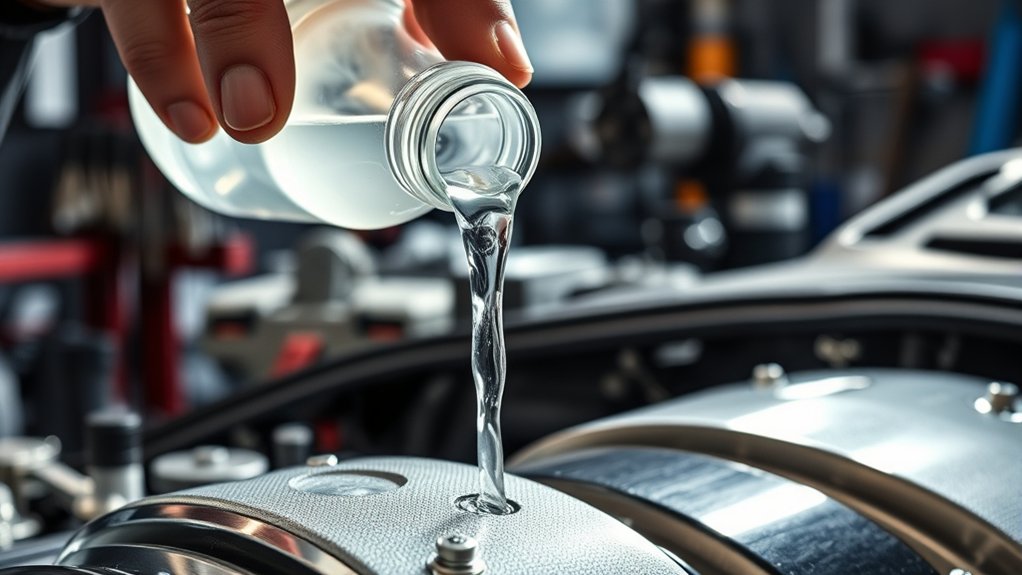
You use fuel filter cleaner liquid by adding the recommended dose directly into your fuel tank before refueling or during scheduled maintenance.
Fuel filter cleaner liquids contain solvents that circulate through the fuel system, dissolving varnish, sludge, and deposits trapped in the fuel filter.
This process restores fuel flow and helps prevent clogging.
Always follow your vehicle’s manual for dosage and timing to avoid damage and maximize effectiveness.
If you want to optimize your engine’s fuel system health, you’ll find more detailed guidance ahead.
What Is a Fuel Filter Cleaner and How It Works
How exactly does a fuel filter cleaner work to maintain your engine’s efficiency? It targets contaminants trapped in the fuel filter, dissolving varnish, sludge, and deposits caused by poor fuel quality or prolonged storage conditions.
When you add the cleaner to your fuel tank, its specialized solvents circulate through the fuel system, breaking down blockages that restrict fuel flow. This process prevents clogging and maintains consistent fuel delivery to the engine.
How Fuel Filter Cleaners Boost Engine Performance
You’ll notice improved fuel efficiency when using fuel filter cleaners because they remove contaminants that restrict fuel flow. This ensures your engine receives a consistent, clean fuel supply, reducing strain and optimizing combustion. Additionally, these cleaners prevent deposits from forming on critical engine components, maintaining smooth operation and performance.
Enhancing Fuel Efficiency
Why does a clean fuel filter matter for your engine’s performance? A clean filter ensures consistent fuel flow, which directly improves combustion efficiency.
When fuel quality degrades due to contaminants or poor storage stability, particles accumulate in the filter, restricting flow and forcing your engine to work harder. Using a liquid fuel filter cleaner helps remove these deposits, restoring optimal fuel delivery.
This means your engine burns fuel more completely, reducing waste and enhancing mileage. You’ll notice smoother acceleration and more reliable power output.
Maintaining fuel filter cleanliness also prevents interruptions caused by clogged filters, which can lead to inefficient fuel combustion. By prioritizing fuel filter cleaning, you maintain ideal fuel quality and storage stability, ultimately boosting your engine’s fuel efficiency over time.
Preventing Engine Deposits
Maintaining a clean fuel filter not only improves fuel efficiency but also plays a key role in preventing harmful deposits from forming inside your engine. Fuel filter cleaners break down contaminants that cause clogging, ensuring smooth fuel flow and reducing carbon buildup on engine components.
Avoid focusing on irrelevant topics like unrelated concept debates about fuel types; instead, concentrate on how proper filtration directly impacts engine longevity and performance.
| Deposit Type | Cause | Impact on Engine |
|---|---|---|
| Carbon Deposits | Incomplete combustion | Reduced power, efficiency |
| Gum & Varnish | Fuel oxidation | Clogged injectors |
| Dirt & Debris | Contaminated fuel | Fuel flow restriction |
Using fuel filter cleaners helps you prevent these issues and maintain optimal engine function.
When Should You Use Fuel Filter Cleaner Liquids?
How often should you use fuel filter cleaner liquids to keep your engine running smoothly? You should apply these cleaners at key intervals to maintain optimal fuel flow and prevent clogging. Avoid getting distracted by irrelevant topics or extraneous detail about unrelated maintenance tasks. Focus on these three critical moments:
- Every 3,000 to 5,000 miles as part of regular maintenance to prevent deposit buildup.
- When you notice symptoms like rough idling, decreased acceleration, or poor fuel efficiency, indicating possible filter blockage.
- Before long storage periods or after using low-quality fuel to ensure contaminants don’t solidify in the filter.
Using fuel filter cleaner liquids strategically at these times ensures your fuel system stays clean and your engine performs reliably without unnecessary complications.
How to Choose the Right Fuel Filter Cleaner
Knowing when to use fuel filter cleaner liquids is just one part of keeping your fuel system in top shape. To choose the right fuel filter cleaner, consider your vehicle’s fuel type, engine specifications, and maintenance scheduling. Focus on fuel additives designed for your engine to ensure compatibility and effectiveness.
| Fuel Type | Additive Type | Recommended Usage Interval |
|---|---|---|
| Gasoline | Detergent-based | Every 3,000 miles |
| Diesel | Biocide & Detergent | Every 5,000 miles |
| Flex-Fuel | Multi-purpose | According to manual |
Selecting fuel additives tailored to your fuel type optimizes cleaning and prevents clogging. Always align cleaner use with your maintenance schedule for best results.
How to Use Fuel Filter Cleaner Liquid Correctly
To use fuel filter cleaner liquid correctly, you need to follow the proper dosage guidelines specified by the manufacturer. Add the cleaner at the recommended timing, usually before refueling or during regular maintenance intervals. Applying it precisely ensures optimal cleaning without damaging the fuel system.
Proper Dosage Guidelines
When should you add fuel filter cleaner liquid to achieve optimal results? Proper dosage is crucial to maximize its effectiveness in noise reduction and passing emissions testing. Follow these precise guidelines:
- Consult your vehicle’s manual: Use the recommended amount specific to your engine size to avoid over- or under-dosing.
- Measure accurately: Use a calibrated measuring device; typical doses range from 100ml to 250ml per 40 liters of fuel.
- Add directly to the fuel tank: Pour the cleaner before filling up to ensure thorough mixing and consistent distribution.
Adhering to these dosage protocols not only enhances fuel filter performance but also prevents potential engine damage or inefficiency. Overuse can lead to residue buildup, while underuse may fail to deliver the desired noise reduction and emissions control benefits.
Application Timing Tips
Although adding fuel filter cleaner liquid might seem straightforward, timing its application correctly is essential to maximize its cleaning efficiency and protect your engine. You should add fuel additives when your fuel tank is nearly full to ensure proper dilution and consistent flow through the filter.
Avoid adding the cleaner when the tank is almost empty, as concentrated liquid can damage sensitive components. For optimal results, apply the cleaner every 3,000 to 5,000 miles or as recommended by the product manufacturer.
Consistent application helps prevent clogging and maintains fuel system cleanliness, directly contributing to improved engine longevity. Remember, applying the cleaner at regular intervals allows the additives to work effectively, reducing deposits and ensuring your engine runs smoothly without interruptions.
Common Signs Your Fuel Filter Needs Cleaning or Replacement
How can you tell if your fuel filter needs cleaning or replacement? Recognizing these signs helps avoid engine inefficiency caused by clogged filters, not an irrelevant topic or unrelated concept. Here are three key indicators:
- Engine Performance Drops: Notice hesitation, misfires, or stalling, especially under load. These often point to fuel starvation from a blocked filter.
- Difficulty Starting: If your engine struggles to start or takes longer than usual, it could mean fuel flow is restricted.
- Decreased Fuel Efficiency: A clogged fuel filter forces the engine to work harder, reducing miles per gallon noticeably.
Monitor these symptoms closely. Addressing them promptly prevents engine damage and maintains optimal performance without confusing unrelated concepts about fuel system maintenance.
Fuel Filter Cleaners vs. Fuel Injector Cleaners: What’s the Difference?
Fuel system maintenance often involves both fuel filter cleaners and fuel injector cleaners, but these two products serve distinct purposes. Fuel filter cleaners target contaminants trapped in the fuel filter, ensuring fuel flows freely and preventing clogging.
In contrast, fuel injector cleaners focus on dissolving deposits inside the injectors themselves, improving spray patterns and combustion efficiency. Mixing these as if they’re interchangeable is an unrelated topic to effective fuel system care. Avoid treating fuel filters and injectors as a random subject with the same solution.
Using the right cleaner for each component optimizes performance and longevity. Understanding this difference helps you maintain your vehicle’s fuel system precisely, preventing issues before they escalate. Don’t confuse these cleaners; they’re designed for specific roles within the fuel delivery process.
Additional Tips to Keep Your Fuel System Clean
Maintaining a clean fuel system goes beyond using the right cleaners; it requires consistent attention to several key practices. To optimize your fuel system maintenance routine, focus on these critical steps:
- Use high-quality fuel: Always choose reputable fuel brands to reduce contaminants that clog filters and injectors.
- Replace fuel filters regularly: Follow your vehicle’s service interval to prevent debris buildup that stresses the fuel system.
- Inspect fuel lines and connections: Check for leaks or cracks that can introduce air and contaminants, compromising system efficiency.
Incorporating these actions into your maintenance routine helps sustain fuel system performance and longevity. By staying proactive, you’ll avoid costly repairs and ensure your engine runs smoothly.
What Mistakes Should You Avoid When Using Fuel Filter Cleaner Liquids?
Keeping your fuel system clean involves more than just applying cleaning products; using fuel filter cleaner liquids improperly can cause more harm than good. First, don’t ignore compatibility concerns. Always verify that the cleaner is suitable for your engine type and fuel system. Using incompatible liquids can degrade seals or damage components.
Avoid overdosing; excessive amounts won’t enhance cleaning and may introduce unintended hazards like clogged injectors or altered fuel chemistry. Also, never mix different cleaners or additives without checking compatibility, as chemical reactions can impair system performance.
Lastly, follow manufacturer instructions precisely regarding dosage and application timing. By steering clear of these mistakes, you maintain system integrity, prevent unintended hazards, and ensure your fuel filter cleaner liquid works efficiently without compromising engine reliability.
Frequently Asked Questions
Can Fuel Filter Cleaner Liquids Damage My Fuel Pump?
You won’t damage your fuel pump if you use fuel additives as directed; they’re designed to improve engine efficiency by cleaning deposits.
Overuse or improper products might cause issues, so always follow manufacturer guidelines carefully.
Are Fuel Filter Cleaner Liquids Safe for Diesel Engines?
Think of fuel filter cleaner liquids as a tailored suit. If they fit your diesel engine’s fuel compatibility, they work well. Always choose diesel alternatives designed for your system to avoid damage and ensure optimal performance and longevity.
How Often Do Professional Mechanics Use Fuel Filter Cleaners?
Professional mechanics use fuel filter cleaners during routine fuel system maintenance, typically every 10,000 to 15,000 miles.
You’ll want to follow these maintenance practices to ensure optimal engine performance and prevent clogging efficiently.
Do Fuel Filter Cleaners Work With Ethanol-Blended Fuels?
Yes, fuel filter cleaners with ethanol compatibility effectively maintain fuel system cleanliness when using ethanol-blended fuels. They prevent deposits and corrosion, ensuring optimal filter performance.
These cleaners also protect fuel lines, injectors, and pumps from ethanol-induced damage.
Can Fuel Filter Cleaner Liquids Help With Cold Start Issues?
Like clearing a clogged artery, fuel filter cleaner liquids can improve your cold start by ensuring the fuel system flows smoothly. This reduces hesitation and supports efficient ignition, but it’s not a guaranteed fix for all cold start issues.
Conclusion
You’ve learned that fuel filter cleaners act like a sieve, catching and dissolving contaminants to keep your engine running smoothly. Using the right cleaner at the right time prevents clogging and boosts performance. Avoid common mistakes, choose wisely, and follow instructions precisely.
By treating your fuel system with care, you’ll extend its life and maintain efficiency. This approach turns a potential engine headache into a well-oiled machine. Remember, regularly using fuel filter cleaners is essential for optimal engine health and longevity.