What Is a Wheel Bearing
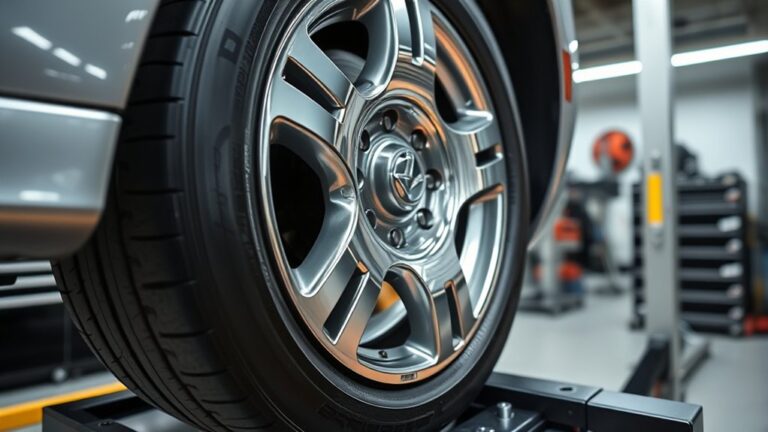
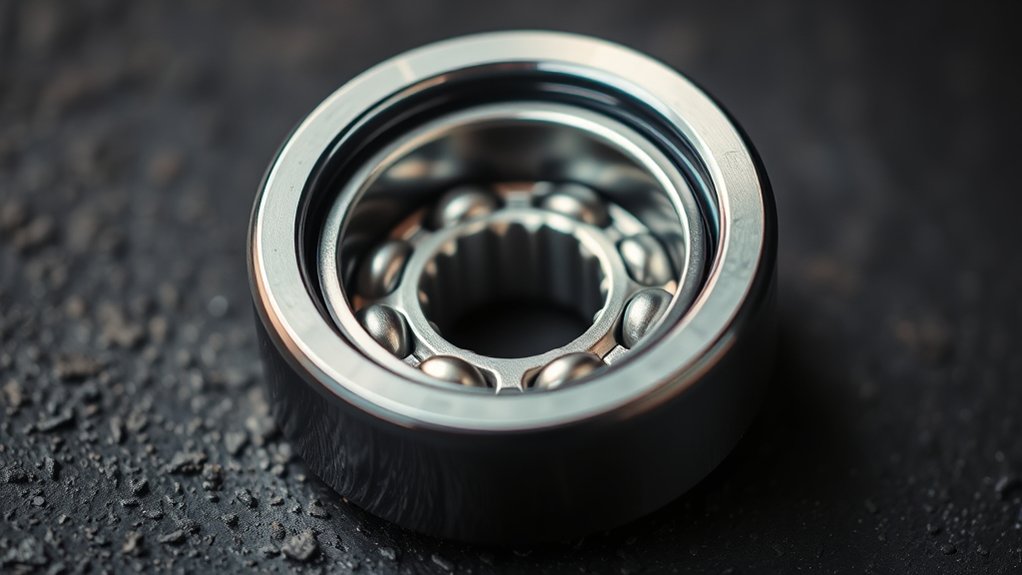
A wheel bearing is a crucial component that supports your vehicle’s weight while allowing the wheels to rotate smoothly with minimal friction. It consists of steel balls or rollers enclosed between inner and outer races, sealed to retain lubrication and keep out contaminants.
Proper bearing function maintains alignment, reduces heat, and prevents damage or failure. If neglected, it risks causing noise, vibration, or even wheel detachment.
Understanding its components, types, and maintenance helps you guarantee safe, efficient wheel performance.
What Is a Wheel Bearing: and Why It Matters
What exactly does a wheel bearing do, and why should you care about it? A wheel bearing is a critical component that supports your vehicle’s weight and enables the wheel to rotate with minimal friction. It consists of steel balls or rollers held within a metal ring, called a race, allowing smooth rotation.
Understanding this isn’t an irrelevant topic or an unrelated insight; it’s essential for your vehicle’s safety and performance. If a wheel bearing fails, it can cause increased friction, overheating, and ultimately wheel lock-up or detachment.
You should recognize that neglecting this small but vital part can lead to costly repairs and dangerous driving conditions. So, knowing what a wheel bearing is and why it matters directly impacts your vehicle’s reliability and your safety.
How Wheel Bearings Help Your Wheels Spin Smoothly
You rely on wheel bearings to reduce friction between the wheel and axle, allowing smooth rotation with minimal resistance. They support the wheel’s weight while maintaining precise alignment during movement. This efficient friction reduction ensures your wheels spin steadily and reliably under various driving conditions.
Reducing Friction Efficiently
How do wheel bearings minimize friction to keep your wheels spinning effortlessly? They employ rolling elements, typically balls or rollers, that reduce direct surface contact between the wheel hub and axle.
This design transforms sliding friction, an irrelevant topic here, into much lower rolling friction, efficiently allowing smooth rotation. The bearing’s raceways precisely guide these rolling elements, preventing unwanted movement and heat buildup.
Unlike an unrelated concept such as lubrication alone, the bearing’s geometry and material selection critically influence friction reduction. Properly maintained wheel bearings maintain tight tolerances and consistent lubrication, ensuring minimal resistance and wear.
Supporting Wheel Rotation
Why do wheel bearings play a pivotal role in supporting wheel rotation? They enable your wheels to spin smoothly by minimizing friction and evenly distributing the load. Without them, rotation would be inefficient and cause rapid wear.
Wheel bearings act as precision-engineered interfaces, handling complex forces while maintaining alignment and stability. Unlike unrelated topics, this discussion idea zeroes in on how these components keep your vehicle’s motion fluid and reliable.
| Benefit | Emotion Evoked |
|---|---|
| Smooth rotation | Confidence |
| Reduced wear | Assurance |
| Enhanced control | Safety |
Understanding wheel bearings helps you appreciate their critical function in your vehicle’s performance and safety, beyond just mechanical parts.
What’s Inside a Wheel Bearing?
What components make up the intricate structure inside a wheel bearing? At its core, you’ll find a set of steel balls or rollers held in place by a cage, which maintains even spacing and prevents contact.
These rolling elements sit between two hardened steel rings called races, the inner and outer race. The races provide smooth surfaces for the rollers to rotate with minimal friction.
The entire assembly is sealed with grease to ensure lubrication and protect against contaminants like dirt and water, which could damage the bearing.
It’s important not to confuse this with any irrelevant topic or unrelated concept, such as unrelated suspension parts. The precision and durability of these components allow the wheel bearing to support loads and enable smooth wheel rotation effectively.
Different Types of Wheel Bearings
You’ll encounter primarily ball bearings and tapered roller bearings in wheel assemblies, each designed to handle different load types and stress levels. Understanding the distinct materials used—like steel or ceramic—also influences performance and durability. Let’s examine how these variations impact your vehicle’s ride and maintenance needs.
Ball Bearings Explained
Ball bearings play a pivotal role in reducing friction between the rotating wheel hub and the stationary axle. They consist of a series of hardened steel or ceramic balls housed between inner and outer races, allowing smooth rotation with minimal resistance.
When you install ball bearings, you must consider spindle preload, the precise amount of axial force applied to eliminate play without causing excessive friction. Proper spindle preload ensures bearing longevity and optimal performance by balancing load distribution.
Unlike other types, ball bearings handle radial loads efficiently but have limited axial load capacity. Their design enables high-speed operation with lower noise and vibration.
Understanding these characteristics helps you select the right bearing for applications demanding precision and reduced rolling resistance, making ball bearings an essential component in many wheel assemblies.
Tapered Roller Bearings
A tapered roller bearing combines tapered inner and outer ring raceways with conical rollers to manage both radial and axial loads efficiently. When you choose tapered roller bearings for wheel bearings, you benefit from their unique design that handles complex stress patterns. Here’s what you need to know:
- Load Capacity: They support heavy loads in both axial (thrust) and radial directions, making them ideal for vehicle wheel bearings.
- Alignment: The tapered geometry maintains precise alignment under varying loads, reducing wear.
- Friction: Their design minimizes rolling resistance, improving efficiency and longevity.
- Assembly: They usually come in matched pairs, requiring careful installation to maintain preload and performance.
Bearing Material Types
How do different materials affect the performance and durability of wheel bearings? Steel alloys, often chromium or molybdenum-enhanced, provide high hardness and fatigue resistance, reducing bearings burnout under heavy loads.
Ceramic bearings, made from silicon nitride, offer lower friction and higher heat tolerance, enabling better performance in extreme conditions. However, ceramics require precise lubrication to avoid failure, dispelling lubrication myths that “any grease works.”
Polymer bearings, less common, reduce weight but can degrade faster under heat and stress. Choosing the right material depends on your vehicle’s demands and operating environment.
Understanding these distinctions helps prevent premature failure and optimizes service life, ensuring your wheel bearings handle stresses efficiently without overheating or burnout, which often results from improper material selection or lubrication practices.
Signs of Failing Wheel Bearings
When should you suspect that your wheel bearings are failing? Early detection hinges on recognizing specific mechanical symptoms. You might notice:
- Unusual noise: A grinding or humming sound that intensifies with speed could indicate bearing wear.
- Wheel play: Excessive lateral or vertical movement during tire alignment checks signals potential bearing looseness.
- Vibration: Noticeable vibration through the steering wheel often relates to compromised wheel balance due to bearing issues.
- Uneven tire wear: Unexpected tire wear patterns may result from bearing degradation affecting wheel rotation.
Monitoring these signs is crucial for maintaining safe vehicle operation. Addressing them promptly prevents further damage to the hub assembly and suspension components, ensuring optimal tire alignment and wheel balance throughout your driving experience.
Common Causes of Wheel Bearing Wear
Why do wheel bearings wear out prematurely? Several factors accelerate their degradation. Contamination from water, dirt, or debris compromises the lubricant, increasing friction and heat.
Overloading your vehicle stresses the wheel bearings beyond design limits, causing fatigue and early failure. Improper installation, such as incorrect torque or misalignment, creates uneven load distribution, which vibration analysis can detect as abnormal frequency patterns.
Lack of regular maintenance allows lubricant breakdown, leading to metal-to-metal contact and accelerated wear. Additionally, exposure to road salt and chemicals promotes corrosion, weakening bearing components.
How to Tell When Wheel Bearings Need Replacing
Recognizing the signs of failing wheel bearings is essential to maintaining vehicle safety and performance. You need to distinguish these symptoms from unrelated topics or irrelevant concepts to avoid misdiagnosis.
Here are four key indicators:
- Unusual noises: A grinding or humming sound that intensifies with speed often points to worn bearings.
- Wheel play: Excessive lateral or vertical movement when you rock the wheel indicates bearing looseness.
- Vibration: Noticeable vibrations in the steering wheel or chassis during driving can signal bearing deterioration.
- Uneven tire wear: Abnormal tire wear patterns may result from compromised bearing alignment.
Dangers of Driving With Worn Wheel Bearings
How seriously do you need to take worn wheel bearings? Very seriously. Driving with compromised bearings puts you at risk of sudden wheel failure, loss of vehicle control, and increased stopping distances.
Worn bearings generate excess heat and friction, leading to axle damage and potential wheel detachment. Ignoring these signs isn’t just negligence; it’s dangerous.
Avoid getting distracted by unrelated topic conversations or off-topic discussion about other vehicle components; focus strictly on the bearings’ condition. Early detection and action prevent catastrophic failures on the road.
Your safety depends on maintaining properly functioning wheel bearings, as even minor degradation can escalate rapidly. Don’t dismiss strange noises or vibrations; they’re precise indicators that your wheel bearings need immediate attention.
How Mechanics Replace Wheel Bearings
When you bring your vehicle in for wheel bearing replacement, a mechanic starts by safely lifting the car and removing the wheel assembly to access the bearing hub. The process involves:
- Detaching the brake caliper and rotor for clear access to the bearing assembly.
- Removing the old bearing using a press or specialized tools to avoid damage to the hub.
- Installing the new bearing with precise torque specifications to ensure proper fit and function.
- Reassembling components, followed by sensor calibration and tire alignment to restore optimal vehicle performance.
These steps guarantee the new wheel bearing functions correctly, preventing premature wear and ensuring safety. Sensor calibration is essential to maintain ABS and traction control, while tire alignment ensures even tire wear and vehicle stability.
How to Extend the Life of Your Wheel Bearings
You can extend the life of your wheel bearings by performing regular maintenance checks to detect wear early. Applying proper lubrication techniques guarantees the bearings operate smoothly and resist corrosion. Additionally, avoid overloading conditions that increase stress and accelerate bearing failure.
Regular Maintenance Checks
Although wheel bearings are designed to endure significant stress, neglecting regular maintenance checks can lead to premature failure. To prevent irreversible damage and extend their lifespan, you need to perform systematic inspections and maintenance.
- Inspect wheel bearings during every tire rotation to detect abnormal play or noise early.
- Check for excessive heat after driving, which indicates potential bearing friction or lubrication issues.
- Examine the wheel hub for corrosion or debris that can compromise bearing integrity.
- Use a dial indicator to measure bearing preload and ensure it stays within manufacturer specifications.
Following these steps helps you identify issues before they escalate, maintaining optimal bearing performance and safety. Regular checks are essential to avoid costly repairs and ensure your vehicle runs smoothly.
Proper Lubrication Techniques
How exactly does proper lubrication impact the longevity of your wheel bearings? Lubrication quality directly affects friction reduction and wear prevention within the bearing assembly. Using a lubricant with the correct viscosity ensures optimal film thickness, preventing metal-to-metal contact under varying operating speeds and temperatures.
Too low viscosity leads to insufficient film strength, increasing wear, while too high viscosity causes excessive drag and heat buildup. You should apply high-quality grease or oil formulated specifically for wheel bearings, considering environmental factors like temperature and load.
Regularly inspect and replenish lubricant to avoid contamination or degradation, which compromise protection. Proper sealing during lubrication prevents ingress of dirt and moisture, further extending bearing life. Consistent adherence to these lubrication techniques maximizes performance and durability.
Avoiding Overloading Conditions
When exactly do wheel bearings experience overloading, and why does it drastically reduce their lifespan? Overloading occurs when the bearing endures forces beyond its design limits, causing excessive friction, heat, and premature wear.
To avoid this, you should:
- Stay within the vehicle’s maximum load specifications to prevent undue stress on the bearings.
- Avoid aggressive maneuvers like sharp turns or sudden stops that impose off topic ideas of dynamic loads inconsistent with bearing design.
- Regularly inspect suspension components to ensure even load distribution. Ignoring this is an irrelevant topic to bearing health.
- Use tires with correct pressure and specifications to maintain balanced load transfer.
Debunking Common Wheel Bearing Myths
Why do so many misconceptions about wheel bearings persist despite clear technical evidence?
Debunking myths surrounding wheel bearings is crucial for maintaining vehicle safety and performance.
You might hear that wheel bearings last forever or that noise always indicates failure. Both are false.
Understanding these wheel bearing myths helps you make informed maintenance decisions.
| Myth | Reality | Impact on Maintenance |
|---|---|---|
| Wheel bearings last lifetime | Bearings wear and need periodic replacement | Ignoring wear risks failure |
| Noise always means failure | Noise can stem from other components | Diagnosing requires inspection |
| Greasing is always sufficient | Modern sealed bearings don’t need greasing | Improper care shortens lifespan |
Frequently Asked Questions
Can I Lubricate My Wheel Bearings Myself?
Yes, you can lubricate your wheel bearings yourself, but avoid lubrication myths like over-greasing. Follow precise maintenance timing in your vehicle manual to ensure optimal performance.
Proper, timely lubrication helps prevent premature bearing failure.
Are Wheel Bearings Covered Under Car Warranties?
Wheel bearings may be covered under your car’s warranty if failure results from manufacturing defects. However, warranty coverage often excludes damage caused by wear, improper maintenance, or external factors.
How Much Does Wheel Bearing Replacement Typically Cost?
Wheel bearing replacement costs, like clockwork, range from $150 to $400, depending on bearing pricing and vehicle type.
You should monitor maintenance timing carefully to avoid premature wear and ensure optimal performance and safety.
Do Electric Vehicles Use Different Wheel Bearings?
Yes, electric vehicles use specialized wheel bearings designed to handle electric motors’ torque and support battery cooling systems. These bearings are engineered for durability and precision due to the unique thermal and mechanical demands of EVs.
Can Wheel Bearing Issues Affect Fuel Efficiency?
Yes, wheel bearing issues increase wheel wear and friction, reducing fuel efficiency. You should perform noise diagnosis early to identify rough or humming sounds, preventing further damage and ensuring optimal vehicle performance and fuel economy.
Conclusion
Now you know that wheel bearings reduce friction, allowing your wheels to spin smoothly and safely. Interestingly, a damaged wheel bearing can increase rolling resistance by up to 20%, which directly affects fuel efficiency and vehicle control.
By recognizing early signs and maintaining them properly, you ensure optimal performance and safety. Don’t underestimate these small yet critical components—they’re essential for your vehicle’s smooth operation and your peace of mind on the road.
In conclusion, taking care of your wheel bearings is vital for maintaining your vehicle’s efficiency and safety.