What Does Tpms Mean on a Honda
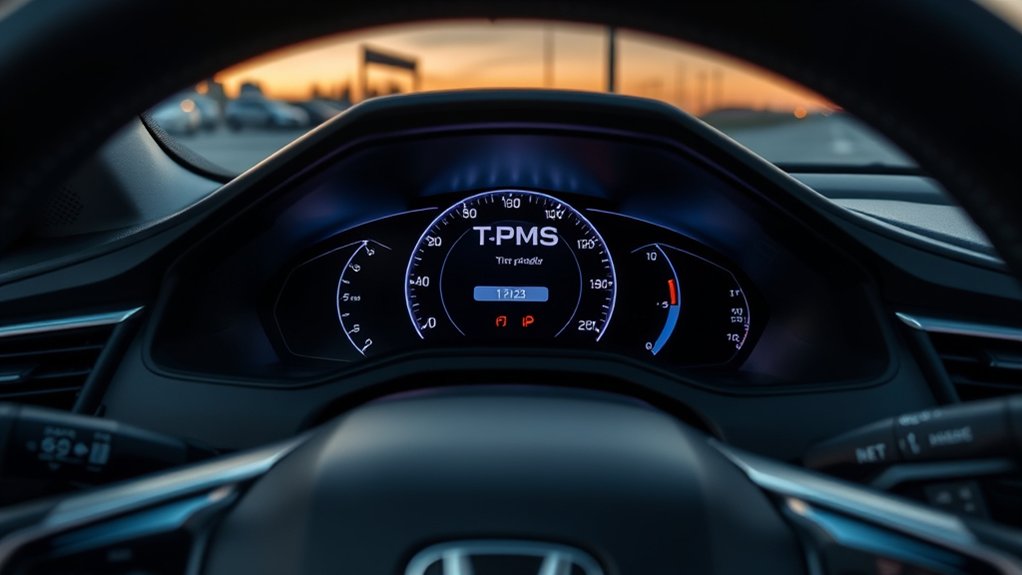
The TPMS light on your Honda means one or more tires have low air pressure and need immediate attention to guarantee safety and peak performance. TPMS stands for Tire Pressure Monitoring System, which is designed to alert you when tire pressure drops below the recommended level.
Your vehicle’s sensors continuously monitor tire pressure and send real-time data to the onboard computer. This triggers the warning light if pressure falls below the recommended levels.
Ignoring the light risks poor handling, increased tire wear, and reduced fuel efficiency. Understanding how the system works and how to address issues can help keep your tires in top condition.
Key Takeaways
- TPMS stands for Tire Pressure Monitoring System, alerting when tire pressure is too low on a Honda vehicle.
- It monitors tire air pressure continuously to maintain safety and optimal tire performance.
- The system uses sensors inside each tire to send pressure data wirelessly to the car’s computer.
- A TPMS warning light signals the driver to check and inflate tires to the manufacturer’s specifications.
- Properly functioning TPMS helps prevent tire damage, improves fuel efficiency, and enhances overall vehicle safety.
What Does the TPMS Light Mean on a Honda Dashboard?
What does the TPMS light mean on a Honda dashboard? It indicates a tire pressure monitoring system alert, signaling that one or more tires have low air pressure. When the TPMS light illuminates, you need to check your tire pressures immediately to ensure they meet the manufacturer’s specifications.
Ignoring the light can affect vehicle safety, fuel efficiency, and tire wear. This warning system operates independently from unrelated topics such as engine diagnostics or brake indicators, focusing solely on tire pressure.
Understanding this two word idea, “TPMS alert,” helps you quickly identify tire issues before they escalate. By promptly addressing the TPMS light, you maintain optimal driving conditions and avoid potential hazards caused by underinflated tires.
How Do TPMS Sensors Work in Honda Tires?
When you drive your Honda, the TPMS sensors continuously measure the air pressure inside each tire. These sensors send real-time data wirelessly to the vehicle’s onboard computer system. If the pressure drops below the recommended level, the system alerts you through the dashboard warning light.
Tire Pressure Monitoring Function
How exactly do TPMS sensors work in Honda tires to keep you informed about tire pressure? These sensors continuously measure the air pressure inside each tire and send real-time data to your vehicle’s monitoring system.
When pressure drops below the recommended level, the system triggers a warning light on your dashboard. This function helps you maintain proper inflation, which is crucial not only for safety but also for optimizing tire wear, fuel efficiency, and performance.
Proper tire pressure complements essential maintenance tasks like optical alignment and wheel balancing, ensuring your tires wear evenly and your ride stays smooth. By relying on TPMS, you avoid the risks of underinflated tires and can address pressure issues promptly before they cause damage or compromise handling.
Sensor Communication Process
Maintaining proper tire pressure relies on the seamless communication between TPMS sensors and your Honda’s onboard system. Each sensor, embedded inside the tire, measures pressure and transmits data wirelessly to the vehicle’s receiver using radio frequency signals.
The onboard system continuously monitors these signals to ensure tire safety, alerting you if pressure drops below recommended levels. The sensor battery powers this communication, and its lifespan typically ranges from 5 to 10 years.
When the battery weakens, sensor performance degrades, potentially causing inaccurate readings or communication loss. Your Honda’s system will notify you if sensor battery replacement is necessary.
Understanding this communication process helps you maintain accurate tire pressure, ensuring optimal performance, fuel efficiency, and safety on the road.
Why Does the TPMS Light Come On in Your Honda?
Why does the TPMS light illuminate on your Honda’s dashboard? This warning signals that one or more tires have dropped below the recommended pressure level, affecting vehicle safety and efficiency. Low tire pressure can impair handling, increase tire wear, and reduce fuel economy. These are critical concerns especially during weekend road trips when consistent tire performance matters.
The TPMS light also activates if the system detects a sensor malfunction or communication failure between the sensors and your car’s onboard computer. While unrelated driving tips like maintaining steady speeds and avoiding abrupt maneuvers help overall safety, they don’t influence TPMS alerts directly.
When the light comes on, promptly check your tire pressure with a reliable gauge and inflate tires to the manufacturer’s specified levels to ensure optimal performance and safety.
What Are Common TPMS Problems and How Can You Fix Them?
Once the TPMS light turns on, identifying the underlying issue is key to restoring proper tire pressure monitoring. Common TPMS problems include sensor battery failure, damaged sensors, or low tire pressure. Sensor batteries typically last 5-10 years; when they die, you’ll need to replace the sensor.
Physical damage from road debris or improper tire changes can also cause sensor malfunction. Additionally, interference or software glitches may trigger false warnings, making unrelated topic checks necessary to rule out other electronic issues.
Discussion ideas often focus on verifying tire pressure manually and inspecting sensors for damage. Using a diagnostic tool can help pinpoint sensor faults without guesswork. Address these problems promptly to maintain safety and avoid further tire or sensor damage.
How Do You Check and Reset TPMS on a Honda?
When the TPMS warning light illuminates on your Honda’s dashboard, you’ll need to check tire pressure and address any issues promptly. To reset the TPMS manually, follow specific steps outlined in your owner’s manual, which usually involve pressing a reset button with the ignition on. For a more accurate reset or if manual steps don’t work, you can use a Honda TPMS tool designed to communicate directly with the sensors.
Checking TPMS Warning Light
The TPMS warning light on your Honda activates when the system detects low tire pressure or a malfunction in the sensors. To check the warning light, first inspect your tires for proper inflation, considering recent tire rotation since uneven pressure changes can trigger the alert.
If pressures are correct, the issue might stem from sensor battery health, as TPMS sensors rely on small batteries that degrade over time. Use a TPMS diagnostic tool or visit a Honda service center to assess sensor status accurately.
Monitoring this warning light promptly ensures safety and prevents tire damage. Remember, the light may also illuminate briefly during startup as the system performs a self-check, but persistent illumination requires immediate attention to tire pressure or sensor condition.
Manual TPMS Reset Steps
How do you check and reset the TPMS on a Honda? First, ensure all tires are inflated to the recommended pressure. Then follow these manual TPMS reset steps precisely:
Turn the ignition switch to the ON position without starting the engine. Press and hold the TPMS reset button, usually located under the steering wheel, until the TPMS indicator light blinks twice.
Release the button and wait for several minutes as the system recalibrates. Drive the vehicle at speeds above 20 mph for about 10 minutes to complete the reset.
Avoid confusing this with irrelevant topic or random tangent information unrelated to TPMS. Staying focused on the exact reset procedure ensures accurate system recalibration without error or delay.
Using Honda TPMS Tool
Why choose a Honda TPMS tool for checking and resetting your tire pressure monitoring system? This specialized tool ensures precise communication with your vehicle’s sensors, enhancing sensor reliability and accuracy.
To check TPMS, connect the tool to your Honda’s OBD-II port or use the handheld device to read real-time tire pressure data. The tool identifies faulty sensors quickly, facilitating accurate tire maintenance.
When resetting, the Honda TPMS tool recalibrates sensor thresholds after tire inflation or rotation, preventing false alerts. This process guarantees your system reflects the correct tire pressure, maintaining optimal safety.
Using the official tool minimizes errors compared to manual resets, prolonging sensor life. For consistent tire maintenance and dependable sensor operation, the Honda TPMS tool is your best choice.
When Should You Visit a Mechanic for TPMS Issues on Your Honda?
When should you take your Honda to a mechanic for TPMS issues? You should seek professional help when the problem goes beyond basic troubleshooting or if the warning light remains on despite addressing common causes. Avoid confusing TPMS faults with irrelevant topics like unrelated dashboard alerts.
Consider visiting a mechanic if you experience:
- Persistent TPMS warning light after tire inflation or reset attempts
- Faulty or non-responsive TPMS sensors detected during diagnostic scans
- Repeated sensor battery failures or damaged sensor units
- Inability to recalibrate the TPMS system using the Honda TPMS tool
A mechanic’s expertise ensures accurate diagnosis and repairs, preventing compromised tire pressure monitoring that could affect your vehicle’s safety and performance.
Frequently Asked Questions
Can TPMS Sensors Be Replaced With Aftermarket Parts?
Yes, you can replace TPMS sensors with aftermarket parts, but you’ll need to ensure aftermarket compatibility for proper function.
Regular TPMS maintenance is crucial to avoid sensor errors and maintain accurate tire pressure monitoring.
How Long Do TPMS Sensors Typically Last in a Honda?
Think of TPMS sensors as your car’s tire guardians; with proper tire maintenance, their sensor longevity typically spans 5 to 10 years.
Regular checks ensure they keep alert, preventing unexpected pressure issues and enhancing safety.
Does TPMS Affect Honda’s Tire Warranty Coverage?
No, TPMS doesn’t directly affect your tires warranty. However, proper sensor maintenance ensures accurate pressure readings, helping you maintain optimum tire condition.
This can potentially prevent issues that might void your tires warranty.
Are TPMS Sensors Compatible With Run-Flat Tires on Hondas?
Yes, TPMS compatibility with run-flat tires on Hondas is generally ensured, but run flat considerations like sensor calibration and tire pressure variations require precise attention. This is necessary to maintain accurate readings and optimal system performance.
Can Low Tire Pressure Affect Honda’s Fuel Efficiency?
Yes, low pressure in your tires reduces driving efficiency by increasing rolling resistance, causing your Honda’s engine to work harder and consume more fuel. Maintaining proper tire pressure optimizes fuel economy and overall vehicle performance.
Conclusion
Now that you know what the TPMS light means on your Honda and how the sensors work, you’re better equipped to handle any issues. Regularly checking and resetting the system can keep you safe and avoid unnecessary repairs.
But if the light stays on despite your efforts, isn’t it time to trust a professional mechanic? Staying proactive with your TPMS guarantees your tires perform at their best and your driving remains safe.
Understanding what TPMS means on a Honda helps you maintain optimal tire pressure and ensures your vehicle operates safely and efficiently.