What Are Wheel Locks
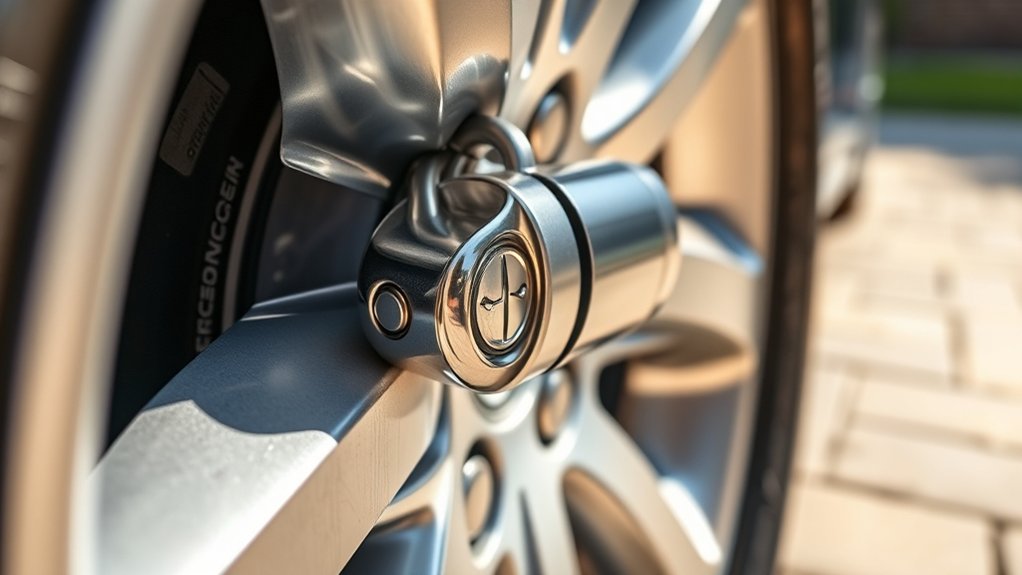
Wheel locks are specialized lug nuts designed to provide extra security for your vehicle’s wheels. They require a unique key to remove, making it much harder for thieves to steal your wheels. By replacing one standard lug nut per wheel with these locking variants, you add an important layer of protection.
These wheel locks fit various wheel designs and materials, ensuring compatibility with most vehicles. They act as a strong physical deterrent, going beyond the security offered by normal lug nuts. To keep them in good condition, it’s essential to store the key securely and inspect the locks regularly for any signs of wear.
Understanding the different types of wheel locks and how to use them effectively can greatly enhance your vehicle’s overall security strategy. This knowledge helps you choose the best options for your needs and maintain them properly over time.
What Are Wheel Locks and How They Work
A wheel lock is a specialized lug nut designed to prevent theft by requiring a unique key for removal. Understanding wheel lock basics helps you grasp how they function: each lock has a distinct pattern that matches a corresponding key, making it impossible to remove with standard tools.
This mechanism deters thieves by complicating unauthorized wheel removal. You might hear wheel lock myths claiming they’re foolproof or unnecessary; however, no system guarantees absolute security, and some vehicles may not need them depending on location or risk.
Still, knowing the precise design and operational principles of wheel locks ensures you can install and maintain them properly. Avoiding common misconceptions lets you make informed decisions about your vehicle’s security without relying on exaggerated claims.
Why Wheel Locks Matter for Your Vehicle
Why should you consider wheel locks essential for your vehicle’s protection? Wheel locks play a crucial role in enhancing wheel safety by preventing unauthorized removal of your wheels. They act as a physical barrier, requiring a unique key to remove, which significantly reduces the risk of wheel theft.
This theft deterrence is vital, especially if you park in high-risk areas or own expensive rims. Without wheel locks, standard lug nuts can be quickly unscrewed with basic tools, making your wheels vulnerable. Installing wheel locks not only safeguards your investment but also ensures your vehicle’s structural integrity remains uncompromised.
Types of Wheel Locks
How do you choose the right wheel lock for your vehicle? You need to consider three main types: lug nut locks, stud locks, and locking wheel bolts.
Lug nut locks replace one lug nut per wheel with a uniquely patterned lock, preserving wheel aesthetics while deterring theft. Stud locks fit over existing studs, providing an extra security layer without compromising wheel maintenance routines.
Lug nut locks enhance security with unique patterns, while stud locks add protection without disrupting maintenance.
Locking wheel bolts substitute standard bolts with specialized ones requiring a matching key, offering robust protection. Each type varies in compatibility depending on your wheel design and material.
Prioritize a lock that integrates seamlessly with your wheel’s appearance and allows easy cleaning and upkeep. Selecting the appropriate type ensures optimal security without sacrificing your vehicle’s visual appeal or maintenance efficiency.
Installing Wheel Locks on Your Car
Installing wheel locks on your car requires careful attention to guarantee proper fit and security. First, consult your vehicle’s manual to confirm the correct thread size and pitch, applying locksmithing basics to ensure compatibility.
Remove one lug nut at a time using the appropriate wrench, then replace it with the wheel lock, tightening it to the manufacturer’s torque specification. Avoid common urban legends suggesting overtightening for extra security; excessive torque can damage both the lock and wheel studs.
Use the specialized key provided with your wheel lock to secure each lock nut. Repeat this process for each wheel. Proper installation prevents theft effectively and maintains your vehicle’s safety.
Keep the key in a secure, accessible place to avoid installation issues later.
Using and Maintaining Wheel Locks
Once you’ve installed wheel locks correctly, using and maintaining them guarantees they continue to provide reliable security. Regularly check the locks for rust or dirt buildup, especially if you use bike accessories or engage in outdoor activities.
Clean the locking mechanism with a lubricant to prevent seizing. When storing tires, ensure wheel locks remain on to avoid misplacement.
| Task | Recommendation |
|---|---|
| Cleaning | Use lubricant on lock threads |
| Inspection | Check for rust or wear monthly |
| Usage | Always use the key provided |
| Storage | Keep wheel locks attached during tire storage |
| Security | Avoid sharing keys to maintain security |
When to Replace or Upgrade Wheel Locks
You should replace your wheel locks if you notice signs of wear such as stripped or damaged threads that compromise their function. Upgrading makes sense when newer models offer enhanced security features to better protect your wheels. Additionally, ensure your wheel locks remain compatible with your current wheels to maintain proper fit and effectiveness.
Signs of Wear
How can you tell when wheel locks need replacing or upgrading? Monitoring signs of wear is crucial to maintaining wheel stability and ensuring safe tire rotation. If you notice any of the following, it’s time to act:
- Visible corrosion or rust on the lock’s surface
- Stripped or rounded lock heads that hinder proper tool engagement
- Difficulty installing or removing locks during tire rotation
- Excessive play or looseness affecting wheel stability
- Cracks or metal fatigue compromising structural integrity
Ignoring these signs can lead to compromised wheel security and uneven tire wear. Regular inspection during tire rotation helps catch wear early, ensuring your wheel locks function reliably and maintain optimal wheel stability. Replace or upgrade worn locks promptly to avoid potential hazards.
Security Enhancements
Why upgrade or replace your wheel locks beyond signs of wear? Enhancing security is a primary reason. As thieves develop advanced tools, older locks may no longer provide adequate protection.
You should replace your wheel locks if you notice increased difficulty in securing them or if your current set lacks newer anti-theft technologies such as complex key patterns or reinforced materials.
Avoid letting unrelated topic distractions or off topic thoughts delay this essential upgrade. Staying proactive minimizes theft risk and maintains your vehicle’s integrity.
Remember, wheel locks are a critical deterrent, not just a mechanical component. Regularly assess their effectiveness, and don’t wait for visible damage alone to act.
Upgrading ensures your protection adapts alongside evolving security threats.
Compatibility With Wheels
When should you consider replacing or upgrading your wheel locks to ensure proper compatibility with your wheels? Ensuring wheel locks match your wheel specifications is crucial for security and maintaining wheel aesthetics. You should evaluate compatibility regularly, especially if you switch to new wheels or alloys.
Consider replacing or upgrading wheel locks if:
- Your current locks don’t fit the new wheel lug pattern or size
- You upgrade to alloy wheels requiring specialized locks for alloy compatibility
- Existing locks damage or scratch wheel aesthetics
- The locking mechanism becomes worn or compromised
- You want enhanced security features with newer lock designs
Proper compatibility preserves your wheels’ appearance and ensures secure attachment, preventing theft without risking damage to your investment.
Common Myths About Wheel Locks
What misconceptions surround wheel locks, and how do they affect your decision to use them? Understanding the myth vs reality is essential.
A common misconception is that wheel locks are easily bypassed by thieves; however, their specialized design requires unique keys, greatly reducing unauthorized removal. Another myth is that wheel locks damage your wheels or complicate tire changes.
In reality, when correctly matched for compatibility, they function like standard lug nuts without causing harm. You might also hear that wheel locks are unnecessary if you have an alarm system, but they provide a physical barrier that alarms cannot replicate.
Recognizing these common misconceptions helps you make an informed choice, ensuring you don’t overlook the added security wheel locks offer for your vehicle’s wheels.
Frequently Asked Questions
Can Wheel Locks Affect My Car’s Tire Rotation Schedule?
Yes, wheel locks can affect your tire rotation schedule since specialized tools are needed for removal. Proper tire maintenance requires planning for emergency removal to avoid delays or damage during rotations or repairs.
Are Wheel Locks Compatible With All Aftermarket Rims?
Surprisingly, wheel lock compatibility isn’t universal; you’ll want to verify aftermarket rims suitability before buying. Different bolt patterns and sizes mean not all wheel locks fit every rim, so always check specifications carefully to ensure proper security.
Do Wheel Locks Require Special Tools for Removal in Emergencies?
Yes, wheel locks require specialized tools for emergency removal. Without the correct key or tool, you won’t be able to remove the locked wheels quickly.
How Do Wheel Locks Impact Vehicle Resale Value?
Like a knight guarding a castle, wheel locks can boost your vehicle’s resale impact by deterring theft, enhancing security perception, and potentially increasing buyer confidence. Ultimately, this makes your car more appealing and valuable in the market.
Can Wheel Locks Be Used on Motorcycles or Only Cars?
You can use wheel locks on motorcycles, but you need models designed for motorcycle compatibility. These locks accommodate smaller wheel sizes and different bolt patterns, ensuring secure fitment without damaging your bike’s wheels or compromising safety.
Conclusion
Wheel locks work wonders when warding off wheel theft, offering secure safeguards for your vehicle. By choosing the correct type and consistently caring for your locks, you can confidently curb crime and maintain maximum protection.
Remember, regularly replacing worn wheel locks and debunking common misconceptions keeps your security sharp and steadfast. Stay smart, stay safe, and strengthen your security system with strong, simple, and reliable wheel locks.
In conclusion, investing in quality wheel locks is essential for protecting your wheels and deterring theft effectively.