How to Care for a Tonneau Cover
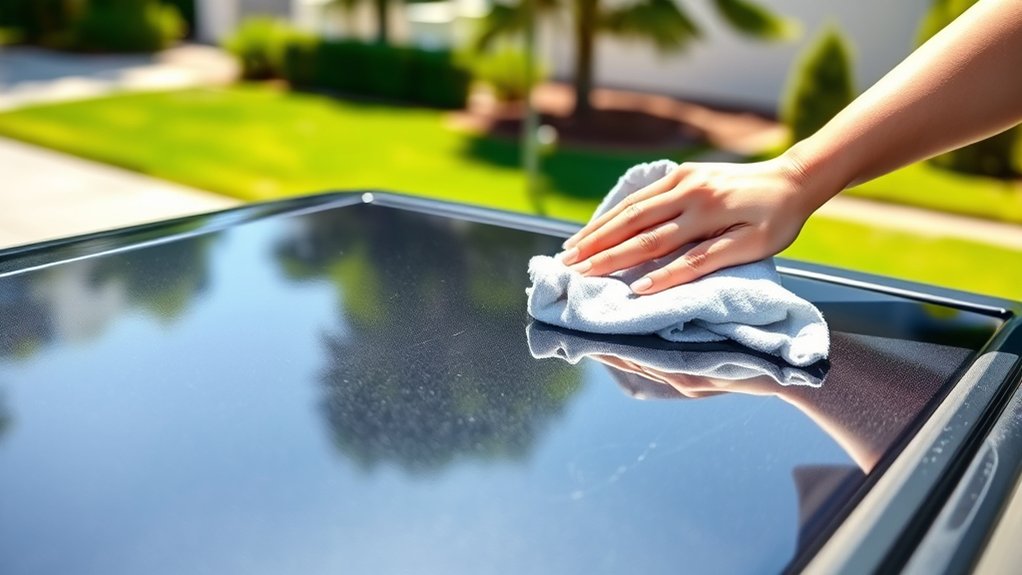
To care for your tonneau cover, start by cleaning it monthly using mild soap and water. Avoid harsh chemicals that could damage its material.
Rinse off dirt gently with a soft brush or microfiber cloth, then dry it thoroughly to prevent mold. Apply UV protectant regularly and use water-resistant sprays to defend against weather damage.
Inspect seals and frames often, lubricate hinges with silicone spray, and fix small tears promptly to maintain security and longevity. Learn practical tips to keep your cover in prime condition longer.
Types of Tonneau Covers and What Sets Them Apart
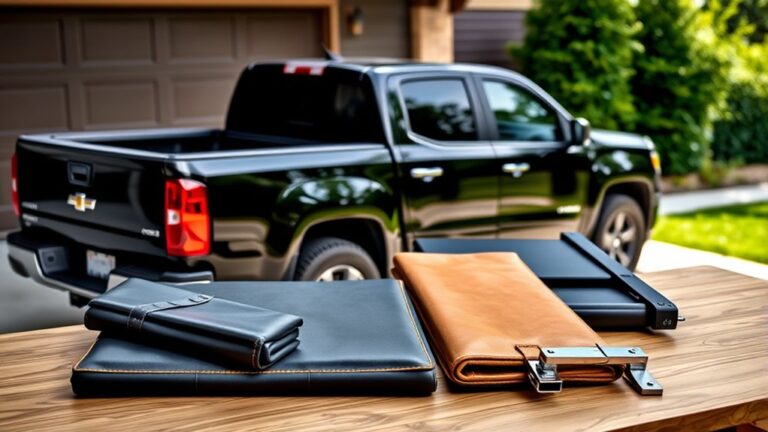
What distinguishes one tonneau cover from another often comes down to their design and materials. When evaluating types of tonneau covers, you’ll encounter soft, hard folding, retractable, and roll-up styles.
Soft covers typically use vinyl or canvas, offering flexibility but less durability. Hard folding and retractable covers rely on aluminum or fiberglass, providing enhanced security and weather resistance.
Soft covers offer flexibility with vinyl or canvas, while hard folding and retractable options provide superior security and weather protection.
Materials differences directly impact longevity, maintenance, and protection. For instance, fiberglass resists dents and UV damage better than vinyl, while aluminum frames ensure structural integrity.
Knowing these materials differences helps you choose a cover suited to your truck’s use and climate conditions. Understanding the types of tonneau covers and their construction materials sets a foundation for proper care and maintenance.
How to Clean Your Tonneau Cover Properly
Understanding the materials and design of your tonneau cover guides the cleaning process to prevent damage and extend its lifespan. First, establish a cleaning schedule based on your cover’s exposure to dirt and debris, typically monthly.
Use mild soap and water, avoiding harsh chemicals that can degrade fabrics or finishes. Check material compatibility before selecting cleaners; vinyl, leather, and aluminum covers all require different care products.
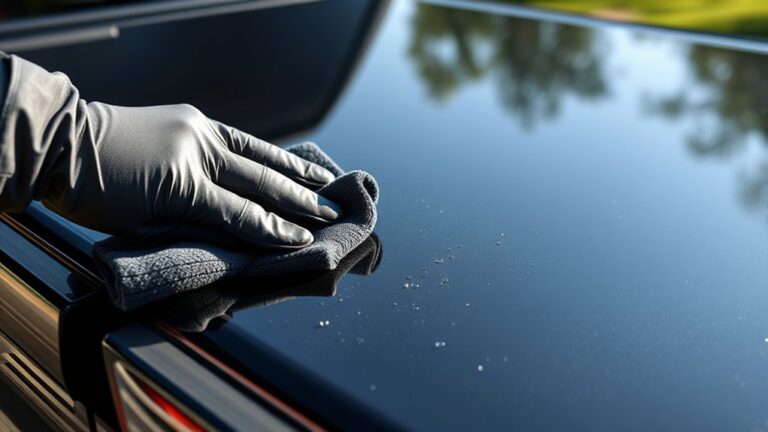
Start by rinsing off loose dirt, then gently scrub with a soft brush or microfiber cloth. Rinse thoroughly to remove soap residues, which can attract grime or cause discoloration.
Dry your cover completely to prevent mold or mildew growth. Following these precise steps ensures effective cleaning without compromising the protective qualities of your tonneau cover.
Protect Your Tonneau Cover From Weather and UV Damage
You’ll want to regularly apply a UV protectant designed for tonneau covers to prevent sun damage and fading. Weatherproofing involves sealing edges and using water-resistant sprays to keep moisture from penetrating the material. These steps help maintain flexibility and extend the cover’s lifespan under harsh conditions.
Shielding Against Sun Exposure
A tonneau cover faces constant exposure to sunlight, which can degrade its materials and shorten its lifespan. To minimize sun exposure and reduce UV impact, you need to take proactive steps. UV rays break down polymers, causing brittleness and fading, so shielding your cover is essential.
Focus on these key actions:
- Use UV-resistant sprays or treatments designed for your cover’s material.
- Park your vehicle in shaded areas or use a car cover when possible.
- Clean the cover regularly with mild soap and water to remove harmful residues.
- Inspect the cover for signs of UV damage such as cracks or discoloration and address them promptly.
Weatherproofing Techniques
How can you effectively protect your tonneau cover from harsh weather and UV damage? Start by debunking common weatherproofing myths like thinking that simple water repellents alone suffice.
Instead, focus on advanced sealing techniques: apply a high-quality, UV-resistant sealant along all seams and edges to prevent water infiltration and sun damage. Regularly inspect the seals for cracks or wear and reapply as needed.
Additionally, use a breathable, weatherproof spray designed specifically for tonneau materials to maintain flexibility and prevent cracking. Avoid over-tightening, which can stress the cover and compromise seals.
These practical steps combined ensure your cover withstands rain, snow, and prolonged sun exposure, extending its lifespan and preserving its appearance with minimal maintenance.
Keep Your Tonneau Cover’s Seal and Frame in Top Shape
Why does maintaining the seal and frame of your tonneau cover matter? Keeping seal integrity and maintaining frame alignment prevent water intrusion, dust accumulation, and wind noise, ensuring optimal protection and longevity.
To keep your tonneau cover’s seal and frame in top shape, focus on these key actions:
- Regularly clean the seal with mild soap and water to remove debris and prevent cracking.
- Inspect the frame for bends or corrosion; address issues early to maintain structural support.
- Lubricate hinge joints and locking mechanisms with silicone spray to promote smooth operation.
- Avoid excessive force when opening or closing to prevent warping the frame or damaging the seal.
Consistent attention to these details preserves your tonneau cover’s functionality and extends its service life.
Fix Minor Damage Before Storing Your Tonneau Cover
Before storing your tonneau cover, carefully inspect it for any tears or damage that could worsen over time. Clean the surface thoroughly to remove dirt and debris, then ensure it’s completely dry to prevent mold and mildew. Addressing minor issues now will extend your cover’s lifespan and maintain its protective qualities.
Inspect For Tears
Where should you start when preparing your tonneau cover for storage? First, inspect for tears thoroughly. Carefully assess wear on all surfaces, focusing on stress points and seams where damage often begins.
Use bright lighting to spot small punctures or thinning material that could worsen over time.
Pay close attention to:
- Corners and edges prone to abrasion
- Stitch lines for unraveling threads
- Areas exposed to UV damage or cracking
- Surfaces with accumulated dirt that might hide damage
Clean And Dry
After identifying any tears or weak spots, clean your tonneau cover thoroughly to prevent dirt and moisture from causing further damage during storage. Use a mild soap solution and a soft brush or microfiber cloth to remove all debris, grime, and contaminants. Avoid harsh chemicals that could degrade the cover’s material.
Rinse well with clean water to eliminate soap residue. Next, ensure the cover is completely dry before storing it; moisture trapped in folds promotes mildew and weakens fabric integrity. Lay the cover flat or hang it in a well-ventilated space to air dry fully.
Address minor damage, such as small tears or loose seams, with appropriate repair kits or adhesive patches before storage. Proper clean dry routines are essential storage care steps that extend your tonneau cover’s lifespan and maintain its protective function.
When and How to Replace or Upgrade Your Tonneau Cover
How do you know when it’s time to replace or upgrade your tonneau cover? Assess its condition against specific upgrade criteria to ensure optimal protection and functionality. Consider these signs:
- Visible tears, cracks, or warping compromising waterproofing
- Malfunctioning latches or hinges affecting secure closure
- Persistent fading or brittleness from UV exposure
- Your evolving needs demanding enhanced durability or style
When exploring replace options, evaluate materials like vinyl, aluminum, or fiberglass for longevity and maintenance ease. Upgrading may also involve switching from a soft to a hard cover for improved security or adding features like locking mechanisms and weather seals.
Always measure your truck bed precisely to guarantee a perfect fit. By systematically reviewing these factors, you’ll maintain your tonneau cover’s integrity and protect your cargo efficiently.
Frequently Asked Questions
Can I Install a Tonneau Cover Myself Without Professional Help?
Yes, installing DIY tonneau covers is nonprofessionally feasible if you follow detailed instructions carefully. You’ll need basic tools, patience, and precision to guarantee a secure fit without damaging your truck bed or the cover itself.
Will a Tonneau Cover Improve My Truck’s Fuel Efficiency?
Yes, a tonneau cover can improve your truck’s fuel efficiency by reducing aerodynamic drag. Proper installation is essential; avoid shortcuts since installation difficulty varies with cover type. This ensures ideal performance and maximizes fuel savings.
Are Tonneau Covers Compatible With Truck Bed Liners?
Yes, tonneau covers are compatible with most truck bed liners, but you should consider compatibility considerations like liner thickness and mounting style. Avoid installation pitfalls by ensuring secure fitment without damaging the liner or cover’s sealing.
How Does a Tonneau Cover Affect My Truck’s Cargo Capacity?
You won’t lose a mountain’s worth of cargo capacity, but a tonneau cover slightly limits vertical space. It improves weight distribution by securing loads evenly, so you can haul efficiently without sacrificing too much room or balance.
Can I Use a Tonneau Cover in Snowy or Icy Conditions?
You can use a tonneau cover in snowy or icy conditions, but ensure it’s securely fastened to maintain snow safety.
Regularly clear ice buildup to prevent damage from freezing temperatures and avoid compromised cold weather performance.
Conclusion
Caring for your tonneau cover isn’t just about looks—it’s about preserving its function and extending its life. Regular cleaning helps remove dirt and debris that can cause damage over time. Protecting it from UV rays and harsh weather conditions is also essential to maintain its quality.
Maintaining seals and frames keeps your cover reliable and secure. Don’t wait to fix minor issues; addressing them early prevents costly repairs down the line. Small tears or loose fittings can quickly become bigger problems if ignored.
When you notice wear beyond repair, replacing or upgrading your tonneau cover ensures it continues to protect your truck bed effectively. A well-maintained tonneau cover truly pays off in durability and performance, making it a smart investment for any truck owner.