What Size Tonneau Cover Do I Need
To get the right tonneau cover size, measure your truck bed’s length from bulkhead to tailgate edge, plus the width at both front and rear inside the rails. This is essential to ensure you select the correct tonneau cover size for a proper fit.
Account for bed height and any bed liners or caps that might affect the fit. Match these exact dimensions to manufacturer specifications carefully.
Also, consider your cover type—soft or hard—as each requires a precise fit for optimal seal and security. Keep going to explore size nuances and material choices.
How to Measure Your Truck Bed for a Tonneau Cover
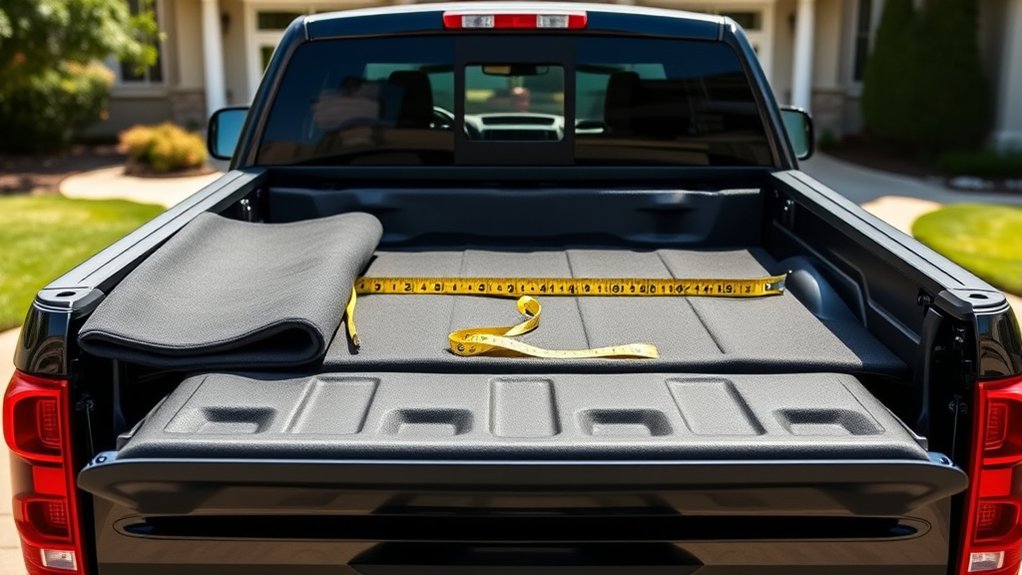
How do you make sure your tonneau cover fits perfectly? Start by measuring your truck bed accurately. Use a tape measure to record the length from the bulkhead to the tailgate’s inner edge.
Then, measure the width at both the front and rear of the bed, as widths can vary. This two word discussion idea 1 highlights the importance of precise length and width measurements for a snug fit.
Also, check your bed’s height to accommodate different cover styles. This two word discussion idea 2 ensures compatibility. Measure twice to avoid errors, and note any bed liner thickness, which can affect fit.
Matching Tonneau Covers to Truck Bed Sizes
Where do you start when matching a tonneau cover to your truck bed size? Begin by confirming the exact dimensions of your truck bed: length, width, and any unique contours. Accurate size compatibility ensures a snug fit, preventing gaps that could allow water or debris inside.
When selecting a cover, verify manufacturer specifications against your measurements. Consider the type of tonneau cover—roll-up, folding, or hinged—as each demands precise size matching for proper operation.
For installation tips, prepare by cleaning the bed rails and checking for any obstructions. Use leveling tools to align the cover evenly and secure mounting hardware firmly. Following these guidelines guarantees optimal fitment and performance, maximizing your tonneau cover’s durability and protective function.
Why Accurate Tonneau Cover Size Protects Your Cargo
You need an accurately sized tonneau cover to prevent water from seeping in and damaging your cargo. A proper fit also secures your load against theft by eliminating gaps that could be exploited. Additionally, it helps maintain cargo stability by keeping everything tightly covered during transit.
Prevents Water Damage
An accurately sized tonneau cover creates a tight seal that prevents water from seeping into your truck bed, protecting your cargo from moisture damage. When you choose the right size, you optimize waterproof efficiency and enhance weatherproof seam durability. This precise fit minimizes gaps where water might enter, maintaining a dry environment inside.
To ensure your tonneau cover prevents water damage effectively:
- Measure your truck bed accurately to avoid loose edges.
- Select a cover with reinforced seams designed for weatherproof durability.
- Confirm that the cover’s material offers high waterproof efficiency.
- Regularly inspect the seal and seams for wear or damage.
Secures Against Theft
While a well-fitted tonneau cover keeps water out, it also plays a key role in securing your cargo from theft. Choosing the accurate tonneau cover size is critical to eliminating gaps or loose areas that could be exploited by thieves.
An ill-fitting cover creates security concerns, providing easy access points that compromise your vehicle’s protection. When the cover fits snugly, it works seamlessly with your vehicle alarms, enhancing the overall security system by preventing unauthorized openings.
Additionally, a proper fit reduces the risk of forced entry, ensuring that your cargo remains out of sight and inaccessible. To maximize theft deterrence, measure your truck bed precisely and select a cover engineered to match those dimensions exactly, reinforcing both physical and electronic security layers.
Maintains Cargo Stability
How does an accurately sized tonneau cover contribute to cargo stability during transit? It ensures that your cargo remains secure and evenly supported, preventing shifting that could disrupt weight distribution or damage items. When the cover fits perfectly, it optimizes cargo stability by:
- Providing a snug enclosure that limits movement within the truck bed.
- Distributing weight evenly across the cover, reducing stress on specific points.
- Preventing external forces like wind from destabilizing the load.
- Enhancing aerodynamic efficiency, which minimizes turbulence-induced cargo shifts.
Soft vs. Hard Tonneau Covers: Which Is Right for You?
What factors should you weigh when choosing between soft and hard tonneau covers? Soft vs. hard tonneau covers differ mainly in material and durability. Soft covers use vinyl or fabric and are lightweight, flexible, and easier to install. They offer moderate protection against weather and theft but may wear faster.
Hard vs. soft covers excel in security and longevity; they’re made from fiberglass or aluminum, providing rigid, impact-resistant protection. Hard covers are more weatherproof and secure but usually cost more and add vehicle weight.
Consider your budget, security needs, and climate when evaluating soft vs. hard options. Both types maintain cargo stability effectively, but your choice impacts durability and protection level. Choose the one aligning best with your usage and maintenance preferences.
Choosing the Right Tonneau Cover Size and Fit
To choose the right tonneau cover size, start by accurately measuring your truck bed length and width. Ensure your measurements correspond with the specific cover type you prefer, as soft and hard covers may have different fitting requirements. Matching the cover size precisely will guarantee a secure fit and optimal performance.
Measuring Your Truck Bed
Where exactly should you start when measuring your truck bed for a tonneau cover? First, grab a measuring tape and prepare to mark key points on your truck bed. Accurate truck bed marks will ensure the cover fits perfectly.
Follow these steps:
- Measure the length from the inside of the bulkhead (cab wall) to the inside edge of the tailgate.
- Measure the width across the truck bed at the widest point, just inside the bed rails.
- Check the height of the bed rails to confirm clearance for the cover.
- Record all measurements precisely and double-check for consistency.
These steps provide a solid foundation for selecting a tonneau cover that fits securely and protects your cargo effectively.
Matching Cover Types
How do you guarantee your tonneau cover fits both your truck bed and your needs? Start by identifying the cover type: soft roll-up, hard folding, retractable, or snap-on. Each demands precise measurements.
Confirm the length and width align with your truck bed’s dimensions to ensure a snug fit without gaps. Consider eco friendly materials like recycled aluminum or sustainable vinyl, which offer durability while minimizing environmental impact.
Conduct a price comparison across types and brands, balancing cost against features such as weather resistance and ease of installation. Matching cover types also involves reviewing compatibility with bed liners or rails.
Tips for Handling Custom or Unusual Truck Bed Sizes
Why settle for a standard tonneau cover when your truck bed has custom dimensions? Handling unusual truck bed sizes requires precision to ensure a proper fit and functionality. Here are four tips to guide you:
Don’t compromise with standard covers—custom truck beds demand precise fitting for optimal protection and performance.
- Measure your truck bed accurately, including length, width, and depth, to avoid sizing errors.
- Explore universal fit covers that offer adjustable features to accommodate various dimensions.
- Consider aftermarket options designed specifically for custom beds; they often provide better sealing and durability.
- Consult with manufacturers or specialists to verify compatibility and installation requirements for your unique truck bed.
Where to Buy the Perfect Size Tonneau Cover for Your Truck
Finding the right place to buy the perfect size tonneau cover for your truck involves evaluating several key factors. First, consider vendors offering accurate size guides to ensure compatibility with your truck bed. Online retailers often provide detailed specifications and customer reviews, helping you assess quality and fit.
Pricing trends vary between manufacturers and materials, so compare options to find a balance between cost and durability. Additionally, examine color options to match or complement your truck’s aesthetics, enhancing both function and appearance. Authorized dealers or specialty stores may offer custom solutions for non-standard sizes.
Finally, verify return policies and warranty coverage to protect your investment. By focusing on these elements, you’ll secure a tonneau cover that fits precisely and meets your performance and style requirements.
Frequently Asked Questions
How Do Tonneau Covers Affect Fuel Efficiency?
Tonneau covers improve fuel economy by optimizing airflow over your truck bed, reducing drag. This airflow optimization directly impacts fuel efficiency, helping you save gas and maintain better mileage during highway driving.
Can Tonneau Covers Be Installed Without Professional Help?
Of course, you can master the ancient art of tonneau cover installation in your garage fitment dojo. With precise DIY installation guides, you’ll secure it flawlessly. Just grab tools, follow steps, and avoid turning bolts into abstract art.
Are Tonneau Covers Weather-Resistant and Waterproof?
Tonneau covers offer excellent weather resistance and waterproofing, protecting your truck bed from rain, snow, and UV damage. Their sealed edges and durable materials guarantee reliable protection, keeping your cargo dry and secure in various conditions.
How Secure Are Tonneau Covers Against Theft?
Picture a fortress gate: tonneau covers offer moderate theft deterrence by concealing and resisting easy access. While not impenetrable, their secure locking mechanisms and durable materials markedly reduce the chances of theft, enhancing your truck’s security.
Do Tonneau Covers Require Regular Maintenance or Cleaning?
Yes, tonneau covers require regular maintenance. Follow maintenance tips like cleaning every few weeks using mild soap and water.
Also, lubricate locks to prevent wear, ensuring durability and optimal performance over time.
Conclusion
Now that you know how to measure your truck bed and match it perfectly to a tonneau cover, you’re set to protect your cargo like a fortress. Choosing the right size isn’t just a detail—it’s the difference between secure hauling and a cover that flaps in the wind like a flag on a stormy day.
Whether soft or hard, get the precise fit to maximize durability and convenience every time you hit the road. Remember, selecting the correct size tonneau cover is essential for optimal protection and performance.