Can Overfilling Gasin Car Clogg Fuel Filter
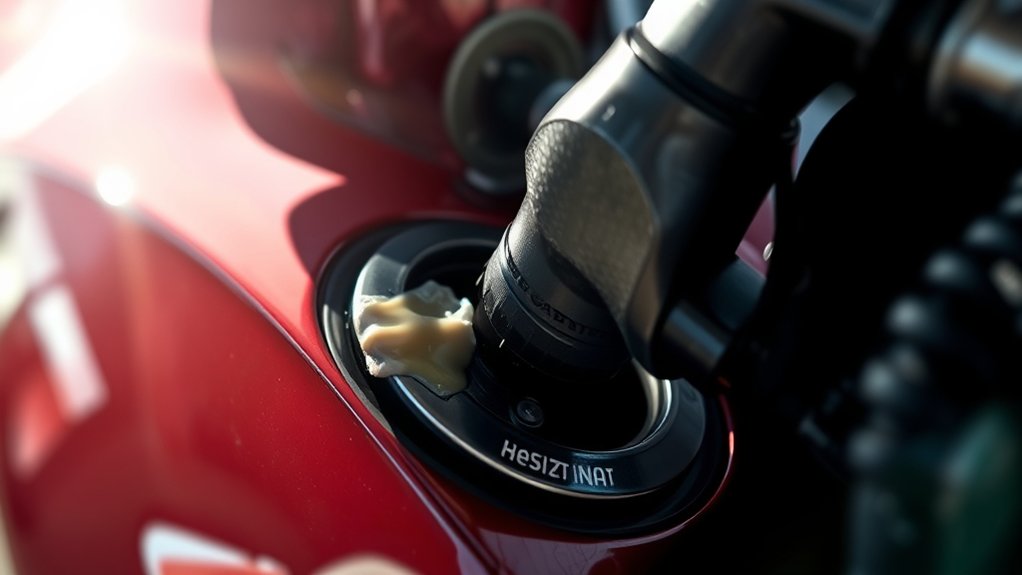
Yes, overfilling gas in your car can clog the fuel filter. When you top off the tank, excess fuel can spill into the vapor recovery system. This system is not designed to handle liquid fuel, so contaminants carried by the fuel end up causing problems.
These particles eventually reach the fuel filter, causing it to clog more quickly. A clogged fuel filter restricts fuel flow and puts additional strain on the fuel pump. This can reduce engine performance and potentially lead to costly repairs.
Being aware of the signs of a clogged fuel filter and taking steps to avoid overfilling can help protect your vehicle’s fuel system. Proper fueling habits ensure your car runs smoothly and efficiently.
How Overfilling Gas Causes Fuel Filter Clogging and Damage
How exactly does overfilling your gas tank lead to fuel filter clogging and damage? When you overfill, gasoline spills over the filler neck spillover tube, which is designed to prevent excess fuel from entering the vapor recovery system.
This spillover can introduce gasoline contamination into components not meant to handle liquid fuel, such as the charcoal canister. Contaminants suspended in the gasoline then flow through the fuel lines toward the fuel filter.
The filter traps particulates and debris to protect the engine, but repeated exposure to contaminated fuel accelerates clogging. Over time, this clogging restricts fuel flow, forcing the fuel pump to work harder and potentially causing damage.
Avoid topping off to prevent gasoline contamination and ensure your fuel system’s longevity.
Signs Your Fuel Filter Is Clogged From Overfilling Gas
What symptoms should you watch for if your fuel filter clogs due to overfilling gas? You might notice decreased engine performance, such as hesitation or stalling, because clogged filters restrict fuel flow.
Another sign is difficulty starting your vehicle, as insufficient fuel reaches the engine. Overfilling risks also increase the chance of fuel line damage, causing leaks or pressure drops.
Difficulty starting your vehicle and potential fuel line damage are key signs of overfilling risks.
You may detect unusual smells from fuel vapor or hear sputtering sounds during acceleration. Additionally, reduced fuel efficiency can indicate flow issues linked to a clogged filter.
If you experience these symptoms after topping off your tank, your fuel filter and fuel line might be compromised. Addressing these signs early prevents further damage and costly repairs related to overfilling risks.
How to Prevent Fuel Filter Problems When Refueling
Recognizing the signs of a clogged fuel filter after overfilling is important, but preventing the problem starts at the pump. To avoid overfill risks and fuel contamination, always stop fueling once the automatic nozzle clicks off.
Avoid topping off your tank, as excess fuel can carry contaminants into the filter. Use high-quality fuel from reputable stations to minimize impurities.
Regular maintenance complements these habits to keep your fuel system clean.
What to Do If Your Fuel Filter Is Already Clogged
If your vehicle shows symptoms of a clogged fuel filter, such as engine sputtering or reduced power, you’ll need to address the issue promptly to avoid further damage. Start by inspecting the fuel filter for blockages caused by contaminants or residue from overfill risks.
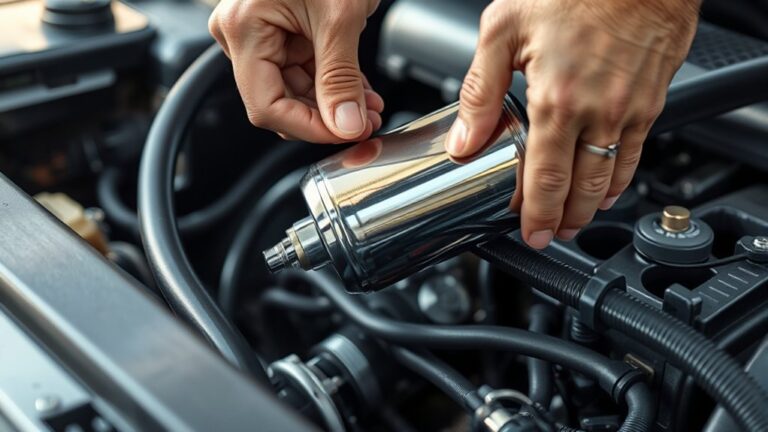
Replace the clogged filter with a manufacturer-recommended part to restore proper fuel flow. Avoid attempting to clean the filter, as this may not remove all debris and can risk fuel system damage.
After replacement, check the fuel lines and injectors for any signs of contamination to prevent recurring issues. Finally, monitor your vehicle’s performance closely and avoid overfilling your gas tank in the future to reduce the likelihood of fuel filter clogging and related fuel system damage.
Why Avoiding Overfill Saves You Money on Repairs
How does overfilling your gas tank lead to costly repairs? Overfilling risks fuel system damage by causing excess fuel to enter the charcoal canister, saturating it and reducing its effectiveness.
Overfilling your gas tank can damage the charcoal canister by saturating it with excess fuel.
This saturation can lead to fuel leaks and increased pressure, which strains fuel lines and components. When fuel system damage occurs, you face expensive repairs such as replacing the charcoal canister, fuel filter, or even fuel pump.
By avoiding overfill, you prevent these issues, preserving the integrity of your fuel system. Staying within recommended fill levels keeps your fuel filter from clogging prematurely and reduces wear on other parts.
In the long run, you save money by minimizing unnecessary repairs, maintaining fuel efficiency, and ensuring your vehicle runs smoothly without avoidable fuel system complications.
Frequently Asked Questions
Can Using a Fuel Additive Help Prevent Fuel Filter Clogging?
Yes, using a fuel additive can help prevent fuel filter clogging by reducing fuel contamination and stabilizing ethanol content. It cleans deposits, improves combustion, and protects your fuel system from damage caused by impurities.
How Often Should I Replace My Car’s Fuel Filter?
Think of your fuel filter as a guardian; replace it every 20,000 to 30,000 miles to avoid overfilling risks and ensure optimal fuel filter maintenance.
Regular replacement keeps your engine running clean and efficient.
Does the Type of Gasoline Affect Fuel Filter Performance?
Yes, gasoline quality directly impacts fuel filter performance. Poor-quality gasoline increases fuel contamination, causing faster filter clogging.
You should always use high-grade gasoline to minimize contamination and maintain optimal fuel filter efficiency and engine operation.
Can a Clogged Fuel Filter Affect Engine Performance?
You might think a clogged fuel filter only reduces fuel flow, but it also disrupts injection timing and lowers fuel pressure. This causes rough idling, poor acceleration, and decreased engine efficiency.
Regular replacement keeps performance ideal.
Is Overfilling Gas Harmful to Hybrid or Electric Vehicles?
You won’t harm electric vehicles by overfilling fuel since they don’t use gas. However, overfilling fuel in hybrids can cause fuel system issues. Always follow the manufacturer’s refill guidelines to avoid damage or leaks.
Conclusion
Overfilling your gas tank might seem harmless, but it can clog your fuel filter and cause costly damage. You might think a little extra fuel won’t hurt, but the excess vapor and liquid can overwhelm the filter, reducing engine performance and efficiency.
To avoid pricey repairs and keep your car running smoothly, fill only to the recommended level. Taking this simple step prevents filter blockages and saves you time and money in the long run.
In conclusion, overfilling gas in your car can clog the fuel filter, so always be mindful of how much fuel you add to protect your vehicle’s fuel system.