Do Tonneau Covers Improve Fuel Economy
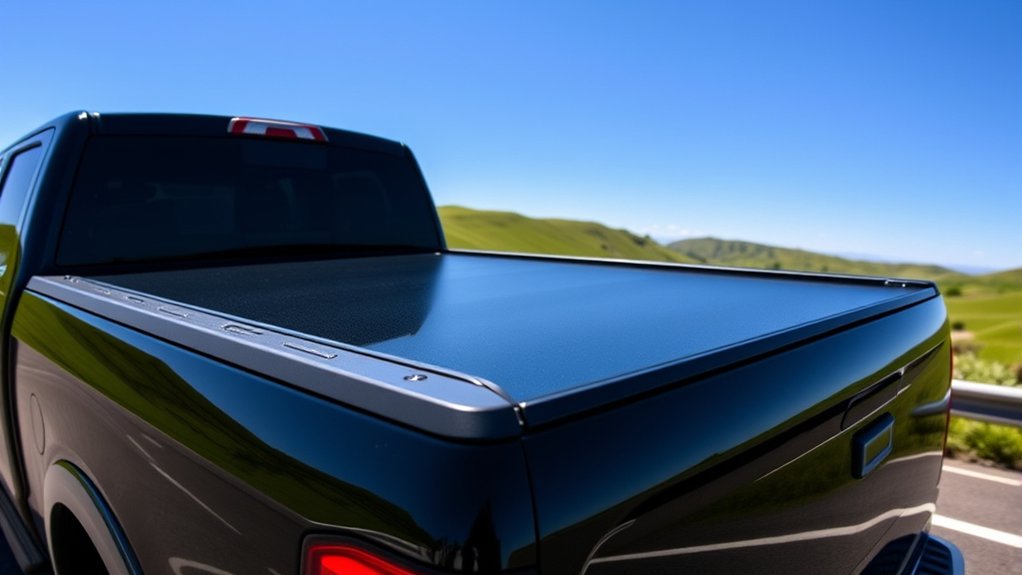
You can improve your truck’s fuel economy by installing a properly fitted, rigid tonneau cover that streamlines airflow and reduces aerodynamic drag, especially at highway speeds. Tonneau covers, particularly hard covers made from smooth, rigid materials, maintain their shape to minimize turbulence, offering up to about 5% fuel savings.
Soft or loose covers don’t provide significant benefits. Your driving style and installation quality also impact results. Understanding these factors can help you optimize efficiency and assess whether a tonneau cover fits your needs.
How Do Tonneau Covers Affect Truck Aerodynamics?
How exactly do tonneau covers influence the aerodynamics of your truck? They alter airflow patterns over the truck bed, which can reduce drag but also introduce aerodynamic tradeoffs.
Wind tunnel testing reveals that a smooth, sealed tonneau cover minimizes turbulence behind the cab and bed, improving airflow attachment and lowering drag coefficients. However, certain cover designs can create wake zones that increase drag, offsetting potential gains.
Smooth, sealed tonneau covers reduce turbulence and drag, but some designs may create drag-increasing wake zones.
You’ll find that the aerodynamic impact depends heavily on the cover’s profile, fit, and material rigidity. While some covers streamline airflow, others disrupt it, illustrating the nuanced balance between drag reduction and turbulent wake generation.
Understanding these aerodynamic tradeoffs through precise wind tunnel testing helps you evaluate how a tonneau cover might optimize or hinder your truck’s overall aerodynamic efficiency.
Which Tonneau Covers Boost Fuel Economy Most?
You’ll find that hard tonneau covers generally reduce aerodynamic drag more effectively than soft covers, improving fuel efficiency. The material composition also plays a critical role, as denser, rigid materials maintain shape better at high speeds. Understanding these factors helps you choose the cover that maximizes your truck’s fuel economy.
Hard Vs Soft Covers
Which type of tonneau cover, hard or soft, delivers better fuel economy often depends on its aerodynamic efficiency and material properties. Hardcovers benefits include rigidity and a smooth surface that can reduce air resistance more effectively. Softcovers drawbacks often stem from their flexible, less taut material, which can flap or sag, increasing drag.
| Feature | Hard Covers | Soft Covers |
|---|---|---|
| Material Rigidity | High; maintains shape | Low; prone to sagging |
| Surface Smoothness | Smooth, reduces turbulence | Flexible, may increase turbulence |
| Durability | High; weather-resistant | Moderate; susceptible to wear |
You’ll find hardcovers generally provide more consistent fuel savings due to these factors.
Aerodynamics And Drag
Aerodynamic efficiency directly influences fuel consumption by affecting how air flows over and around your truck bed. When you use a tonneau cover, you reduce aerodynamic drag by streamlining the airflow, minimizing turbulence behind the cab.
Wind tunnel testing consistently shows that hard, flush-mounted covers outperform soft or folding types in lowering drag coefficients. These rigid covers create a smooth surface that prevents air from getting trapped in the bed, which otherwise acts like a parachute increasing resistance.
Soft covers, while lighter, often allow air pockets to form, reducing aerodynamic benefits. By choosing a tonneau cover proven in wind tunnel testing to minimize aerodynamic drag, you directly improve your truck’s fuel economy through enhanced airflow management and reduced energy loss caused by turbulent wake behind the vehicle.
Material Impact On Efficiency
How does the material composition of a tonneau cover influence its ability to boost fuel economy? The answer lies in its impact on aerodynamic friction. Materials with smoother surfaces, such as hard fiberglass or aluminum, reduce turbulent airflow over the truck bed, minimizing drag.
Wind tunnel testing consistently shows these materials lower aerodynamic friction more effectively than softer vinyl or fabric covers, which may flap or create micro-turbulence. Additionally, rigid materials maintain their shape at higher speeds, ensuring consistent airflow management.
Conversely, flexible covers can increase drag due to surface irregularities. Therefore, if you want to maximize fuel efficiency, opt for tonneau covers made from rigid, low-friction materials validated by wind tunnel testing to deliver measurable reductions in aerodynamic drag and improve overall fuel economy.
Do Tonneau Covers Really Save Fuel? What Tests Show
Empirical data is crucial for understanding whether tonneau covers truly enhance fuel efficiency. Controlled wind tunnel experiments and real-world driving tests reveal that covering the truck bed reduces aerodynamic drag by smoothing airflow, which can improve fuel efficiency.
However, the extent of savings varies with cover type, speed, and truck design. For instance, hard, flush-mounted tonneau covers typically yield measurable gains, often around 5% fuel savings at highway speeds, while soft or loosely fitted covers show minimal improvement.
Testing also highlights that benefits diminish at lower speeds due to reduced aerodynamic influence. By analyzing these results, you can objectively assess how tonneau covers affect your truck’s fuel efficiency under different conditions.
Are Tonneau Covers Worth It for Your Truck?
When evaluating if a tonneau cover is worth adding to your truck, you need to weigh fuel economy improvements against cost, durability, and functionality. While some covers offer measurable aerodynamic benefits, the fuel savings often translate to modest gains.
Prioritize covers with a low cost and proven materials that withstand weather and wear, ensuring long-term value. Installation tips matter: opt for models with straightforward mounting systems to avoid costly modifications or professional help.
Choose affordable, durable covers with easy installation for lasting value and hassle-free setup.
A secure, flush fit minimizes drag effectively, maximizing fuel efficiency returns. Also, consider how frequently you use your truck bed; if you haul bulky items regularly, a cover might limit utility.
Ultimately, a tonneau cover can be a cost-effective upgrade if you choose wisely and install it properly, balancing performance with practical needs.
How Driving Habits Affect Tonneau Covers’ Fuel Benefits
To what extent do your driving habits influence the fuel economy gains from a tonneau cover? The effectiveness of a tonneau cover in improving fuel efficiency largely depends on your driving efficiency and eco driving practices.
If you accelerate aggressively or frequently drive at high speeds, aerodynamic benefits from the cover diminish, reducing fuel savings. Maintaining steady speeds and minimizing rapid acceleration optimize airflow over the truck bed, enhancing the cover’s impact on drag reduction.
Furthermore, eco driving techniques such as coasting and anticipating traffic flow complement the cover’s aerodynamic advantages. In contrast, inconsistent driving habits can negate potential fuel benefits, as turbulence and drag increase.
Ultimately, your commitment to driving efficiency directly shapes how much a tonneau cover improves your truck’s fuel economy.
Installation Tips to Maximize Tonneau Cover Fuel Efficiency
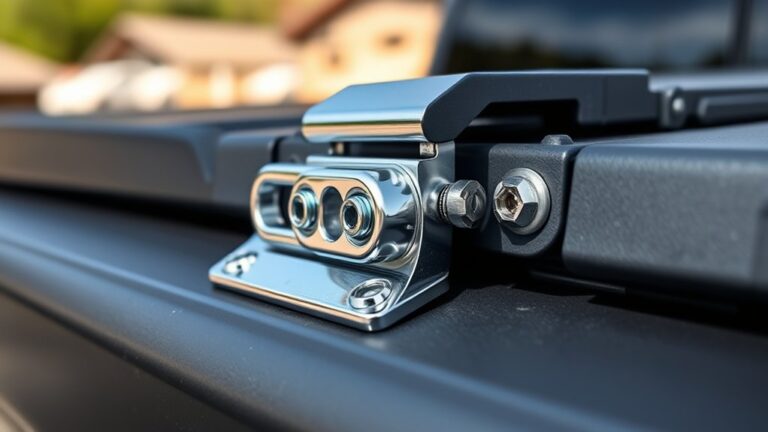
How you install your tonneau cover directly impacts its ability to reduce aerodynamic drag and improve fuel efficiency. Begin by ensuring the cover fits snugly over the bed without gaps that disrupt airflow. Confirm that mounting hardware is tightened to manufacturer specifications to prevent vibrations that can increase drag.
Pay attention to driving ergonomics. Position clamps or latches so they don’t interfere with your access or require awkward movements, maintaining comfort and safety. Before installation, review warranty considerations carefully; improper installation can void coverage.
Use the recommended tools and follow the step-by-step guide precisely to maintain warranty validity. Proper alignment minimizes air turbulence, optimizing fuel economy gains. Regularly inspect the cover’s seal and mounting points to sustain aerodynamic benefits over time.
How Tonneau Covers Compare to Other Fuel-Saving Upgrades
Why consider a tonneau cover over other fuel-saving upgrades? Unlike aerodynamic modifications such as bed extenders or air dams, a tonneau helps reduce drag by smoothing airflow over the truck bed, directly lowering fuel consumption.
While engine tuning or low rolling resistance tires improve efficiency mechanically, a tonneau cover offers a straightforward, low-maintenance solution that targets aerodynamic drag, a major factor at highway speeds. When you invest in a tonneau cover, you often recoup costs faster through consistent savings on fuel dollars, especially during prolonged highway driving.
Compared to costly engine upgrades or hybrid conversions, a tonneau cover delivers measurable aerodynamic benefits with minimal installation effort. Therefore, it stands out as a practical choice if your priority is improving fuel economy without extensive vehicle modifications.
Frequently Asked Questions
Can Tonneau Covers Protect Cargo From Weather Damage?
Yes, tonneau covers provide effective weather protection by shielding your cargo from rain, snow, and UV exposure. They enhance cargo security by preventing moisture damage and debris intrusion, ensuring your items remain dry and secure during transport.
Do Tonneau Covers Affect Truck Bed Storage Capacity?
Think of your truck bed as a jar: a tonneau cover acts like a lid, slightly adjusting tonneau capacity. While it limits vertical storage, its bed space impact is minimal, preserving most cargo volume efficiently and securely.
Are Tonneau Covers Compatible With All Truck Models?
You won’t find universal tonneau compatibility since model variance affects fitment. You need to verify your truck’s specific dimensions and design, ensuring the cover matches precisely to maintain functionality and secure installation without modifications.
How Durable Are Different Types of Tonneau Covers?
You’ll find durability comparisons show hard covers excel in material performance, resisting impacts and weather better. Soft covers offer flexibility but less protection.
Analyzing materials like aluminum, fiberglass, and vinyl helps you choose based on your needs.
Can Tonneau Covers Impact Truck Resale Value?
Yes, tonneau covers can boost your truck’s resale value by enhancing cargo protection and maintaining bed condition. Buyers often value well-protected beds, so choosing a durable, high-quality cover provides a measurable resale advantage.
Conclusion
If you want to squeeze every drop of efficiency from your truck, tonneau covers can be a game-changer by improving aerodynamics and cutting drag. While results vary depending on cover type and driving habits, the data shows they often deliver measurable fuel savings.
Just remember, it’s not a silver bullet—combining covers with smart driving and other upgrades will really move the needle. In the end, tonneau covers improve fuel economy by helping to stack the deck in your favor for better mileage.