How to Stop Tonneau Cover From Leaking
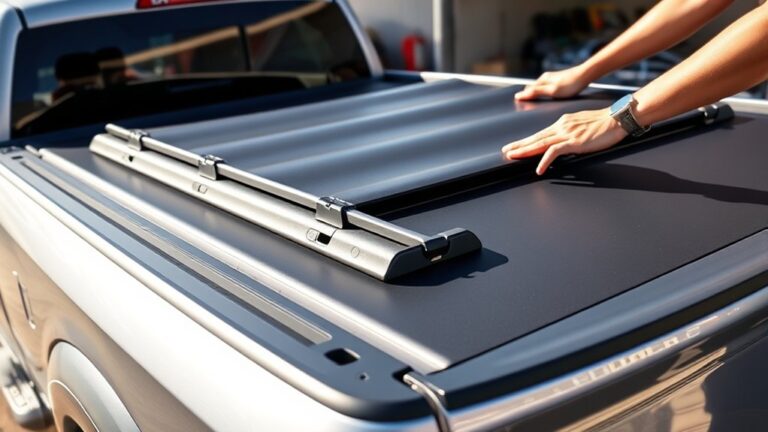
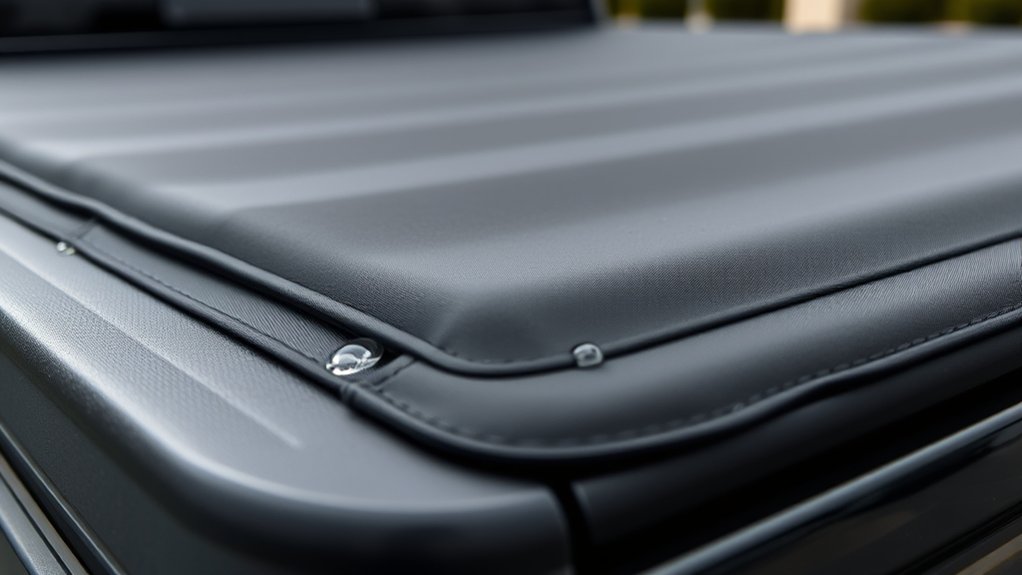
To stop your tonneau cover from leaking, start by inspecting the edges, seals, and clamps for any gaps or damage. Pay special attention to the tailgate areas and seams where leaks are most common.
Document any wet spots and carefully trace the moisture back to the exact points of leakage. This will help you identify all problem areas accurately.
After thoroughly cleaning the surfaces, seal any cracks using automotive-grade silicone or butyl rubber sealants. Make sure the cover fits flush by tightening fasteners and properly aligning hinges.
If the damage is severe and cannot be repaired, consider replacing the tonneau cover. Keep exploring to uncover detailed repair techniques and maintenance tips for lasting waterproofing.
Identify Where Your Tonneau Cover Is Leaking
Where exactly is your tonneau cover leaking? Pinpointing the leak sources is crucial for effective repair. Start by inspecting the cover’s edges, clamps, and seals where water entry is most common.
Locate the exact leak by closely examining edges, clamps, and seals for water entry.
Check for gaps, tears, or worn-out seals that compromise the barrier. Use a hose to simulate rain, spraying water methodically while observing inside the truck bed for signs of moisture.
Pay close attention to the tailgate area and hinges, as these often harbor hidden leak sources. Don’t overlook the stitching or bonded seams; they can deteriorate over time, allowing water entry.
Document every wet spot and trace it back to its origin. Identifying precise leak points lets you apply targeted fixes instead of guessing, ensuring your tonneau cover remains watertight and durable.
Decide When to Repair or Replace Your Tonneau Cover
After pinpointing the exact sources of leaks in your tonneau cover, the next step is determining whether to repair the existing damage or replace the cover altogether. You need to decide when the damage surpasses repair feasibility, signaling replacement timing.
Use the table below to assess your situation:
| Condition | Repair Feasibility | Replacement Timing |
|---|---|---|
| Minor cracks or tears | High – patch or seal | Not necessary now |
| Extensive fabric damage | Low – costly and temporary | Immediate replacement |
| Hardware malfunction | Moderate – parts may fix | Replace if persistent |
Evaluate damage severity and cost-effectiveness to make an informed decision. If repairs are temporary or repeatedly needed, replacement timing is critical to maintain leak protection and cover integrity.
Easy Fixes to Seal Gaps and Cracks
Start by thoroughly inspecting the seal around your tonneau cover for any gaps or cracks that could let water in. Once identified, apply a high-quality weatherproof sealant specifically designed for automotive use to those areas. This targeted approach helps restore the cover’s waterproof integrity without the need for a full replacement.
Inspect Seal Integrity
How can you quickly identify if your tonneau cover’s seal is the source of leaking? Start by visually inspecting the seal for visible cracks, gaps, or deformities. Run your fingers along the rubber gasket to detect any brittleness or detachment.
Next, test for leaks by spraying water directly on the seal while observing the truck bed interior. If water penetrates, the seal integrity is compromised. Addressing these issues early preserves interior protection and prevents damage to insulation alternatives you may have installed.
Ensure the seal sits flush against the bed’s surface without warping. Regular inspection keeps your cover’s barrier effective, maintaining a dry, secure cargo area. Identifying and resolving minor seal failures promptly will help you avoid costly repairs and maintain optimal tonneau cover performance.
Apply Weatherproof Sealant
When you notice small gaps or cracks compromising your tonneau cover’s seal, applying a high-quality weatherproof sealant can effectively restore its waterproof barrier. First, clean the affected area thoroughly to remove dirt and moisture.
Choose from sealant options like silicone, polyurethane, or butyl rubber. Each provides durable adhesion and flexibility to prevent leaks. Apply the sealant carefully along the seams and cracks, ensuring a continuous bead without gaps.
Use a tool or finger to smooth the sealant for optimal coverage and bonding. Allow adequate curing time as specified by the manufacturer before exposing the cover to water.
Regularly inspect and reapply sealant as needed to maintain a reliable seal and keep your tonneau cover leak-free.
Adjust and Align Your Cover for a Better Fit
Start by checking the alignment of your tonneau cover to guarantee it sits flush with the truck bed. Next, tighten all cover fasteners evenly to eliminate gaps that allow water in. Proper adjustment and secure fastening will improve the seal and reduce leaks effectively.
Check Cover Alignment
Why does your tonneau cover still leak despite proper installation? Often, misalignment is the culprit. You need a thorough alignment checklist to pinpoint gaps causing leaks.
Start by inspecting the cover edges against the truck bed rails. Use leak diagnostics to identify uneven contact or warped sections.
| Inspection Point | What to Look For |
|---|---|
| Cover edges | Gaps or uneven contact |
| Seals | Compression and wear |
| Hinges and joints | Proper movement without gaps |
| Bed rail alignment | Consistent parallel positioning |
Adjust the cover gradually, ensuring it sits flush along the bed rails without forcing it. Proper alignment eliminates entry points for water, enhancing your cover’s seal and durability.
Tighten Cover Fasteners
How tightly you secure your tonneau cover fasteners directly impacts its ability to keep water out. Begin by inspecting each fastener for looseness or wear. Use a torque wrench if available to achieve manufacturer-recommended tightness, avoiding under- or over-tightening.
Properly tightened fasteners ensure uniform pressure along the cover’s edges, enhancing seal maintenance and effectively preventing leaks. After adjustment, recheck cover alignment to confirm an even fit without gaps.
If your cover has adjustable clamps or snaps, fine-tune their position to maximize contact with the truck bed rails. Regularly tightening and inspecting fasteners prevents seal degradation caused by movement or vibration, a critical step in proactive leak prevention.
Replace Worn or Damaged Seals
When did you last inspect the seals on your tonneau cover? Worn or damaged seals are often the culprit behind leaks. Focus on the rubber gaskets around the flange mounting and drip edges, as these areas are critical for preventing water ingress.
Over time, seals can crack, shrink, or become brittle, compromising the watertight barrier. Carefully remove the old seals, clean the flange mounting surface thoroughly to eliminate dirt and residue, then install new, high-quality seals designed for your specific tonneau model.
Ensure the seals fit snugly along drip edges to redirect water away effectively. Proper replacement restores the cover’s sealing integrity, eliminating leaks caused by deteriorated seals and maintaining optimal protection for your truck bed.
Waterproofing Sprays and Accessories for Tonneau Covers
Replacing worn seals improves your tonneau cover’s barrier against water, but adding waterproofing sprays and accessories can further enhance protection. Apply a high-quality waterproofing spray designed for vinyl or fabric to create a hydrophobic layer, repelling water and preventing absorption.
Select products that emphasize sustainability, ensuring they’re eco-friendly and free from harmful chemicals. In addition, consider accessories like drip rails and weather stripping to redirect water flow and seal vulnerable edges.
These two word ideas, drip rails and weather stripping, work synergistically with sprays to minimize leaks efficiently. Regularly inspect and reapply sprays after heavy use or cleaning to maintain optimal water resistance.
Frequently Asked Questions
What Types of Tonneau Covers Are Most Resistant to Leaking?
You’ll find hard folding and retractable types of covers most resistant to leaking due to their durable materials and integrated waterproof seals. These waterproof seals create tight barriers, preventing water intrusion effectively under various conditions.
How Often Should I Clean My Tonneau Cover to Prevent Leaks?
Think of your tonneau cover as a fortress; you should maintain a cleaning frequency of once a month. This regular upkeep guarantees effective leak prevention by removing debris and preserving seals, keeping your cover watertight and durable.
Can Extreme Weather Affect My Tonneau Cover’s Waterproofing?
Yes, extreme weather can degrade your tonneau cover’s waterproofing over time. Don’t fall for waterproofing myths; regularly inspect seals and reapply protective treatments to maintain effective water resistance and prevent leaks during harsh conditions.
Are There Specific Brands Known for Leak-Proof Tonneau Covers?
You want leak proof brands that combine waterproof materials, coverage seals, and drainage designs. Look for names like Retrax, BAK, and Lund. They engineer precise seals and smart drainage to keep your tonneau cover dry and secure.
How Do I Properly Store My Tonneau Cover During Off-Season?
You should clean and dry your tonneau cover thoroughly before stowing. Use breathable storage materials like cotton bags and choose stowage methods that avoid folding tightly, preventing creases and damage during off-season storage.
Conclusion
Think of your tonneau cover like a raincoat for your truck bed—when it leaks, everything underneath gets soaked. Just like a well-fitted raincoat keeps you dry, a properly aligned and sealed tonneau cover protects your cargo.
By identifying leaks early, making precise adjustments, and replacing worn seals, you ensure a watertight barrier. Taking these steps prevents costly damage and keeps your gear safe.
In conclusion, maintaining a tight seal and proper fit is essential to stop your tonneau cover from leaking, turning your truck bed into a fortress against the elements.