How to Fix Tonneau Cover Velcro
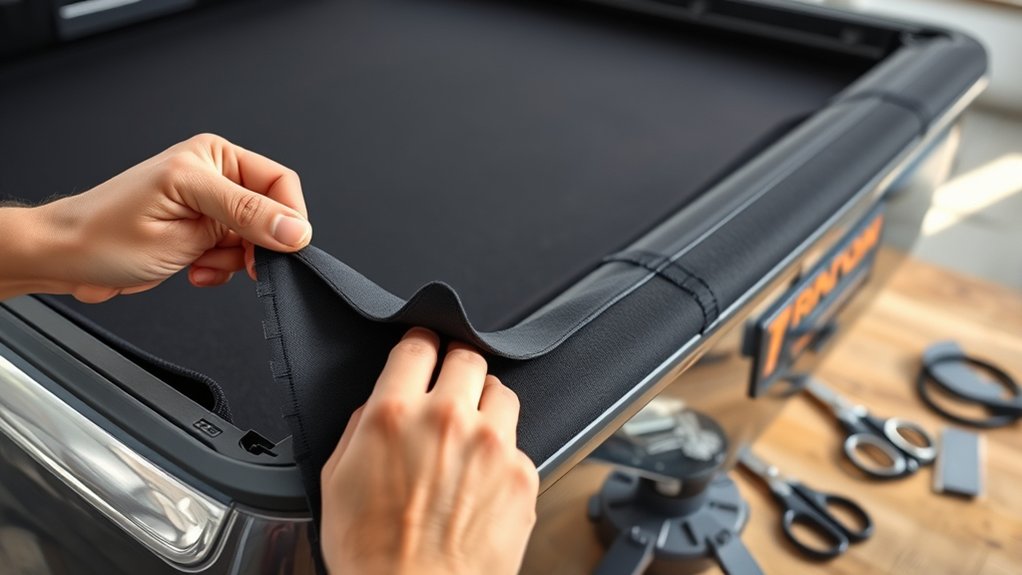
To fix your tonneau cover Velcro, start by inspecting the Velcro for worn hooks, loops, or dirt buildup. Cleaning the Velcro with a soft brush and mild soap can help restore its grip. After cleaning, air dry the Velcro thoroughly to prevent moisture damage.
Next, trim any frayed fibers and reinforce weak edges with stitching if needed. If the adhesive on the Velcro weakens, apply weather-resistant glue to strengthen the bond.
For a lasting grip, replace old strips with heavy-duty outdoor Velcro. Make sure the mounting surfaces are smooth and firm before applying new Velcro. Maintaining these steps will extend the durability and hold of your tonneau cover Velcro.
You’ll also find tips on quick fixes, replacements, and maintenance ahead.
Why Does Your Tonneau Cover Velcro Lose Grip?
Why does your tonneau cover Velcro lose grip over time? Primarily, prolonged exposure to weathering effects like UV rays, moisture, and temperature fluctuations degrade the Velcro’s hook and loop structure.
If your cover’s Velcro contains recycled materials, its durability might be slightly compromised compared to virgin materials, making it more susceptible to wear. Dirt, dust, and debris also accumulate, reducing the hooks’ ability to latch securely.
Over time, repeated opening and closing cause mechanical stress, flattening the hooks and loops, which diminishes grip strength. These factors combine to reduce the Velcro’s effectiveness, leading to a weaker attachment.
Understanding these causes helps you anticipate when maintenance or replacement is necessary to keep your tonneau cover securely fastened and weatherproof.
How to Inspect Velcro for Repair or Replacement
How can you tell if your tonneau cover’s Velcro needs repair or replacement? Begin by inspecting Velcro closely for frayed hooks or loops that no longer catch properly. Check for accumulated debris or flattened fibers, as these reduce grip.
Run your fingers across the surface; if the Velcro feels smooth or worn, it likely requires attention. Also, test the Velcro’s hold by pressing it firmly and pulling. If it separates easily, replacement options should be considered.
When inspecting Velcro, focus on sections exposed to frequent stress or weather damage. If minor issues exist, targeted repairs like reattaching loose strips can suffice. For extensive wear or permanent deformation, replacing the Velcro entirely ensures a secure seal and restores functionality effectively.
How to Clean Your Tonneau Cover Velcro Effectively
Start by removing dirt and debris from the Velcro using a soft brush or a fine-toothed comb. Then, apply a gentle cleaning solution—like diluted mild soap—to lift embedded grime without damaging the fibers. Make sure to rinse thoroughly and let it air dry before reattaching.
Removing Dirt And Debris
A clean surface is essential for restoring the grip of your tonneau cover velcro. Begin by using a stiff brush or a specialized velcro cleaning tool to dislodge embedded dirt and debris. Gently brush along the hook and loop sides to avoid damaging the fibers.
For larger debris, use tweezers to carefully extract particles lodged deep within the velcro. Effective dirt removal prevents weakening of the adhesive strength and extends the lifespan of the cover.
After brushing, use compressed air or a vacuum with a narrow nozzle to remove loosened particles. Regular maintenance focusing on debris prevention will keep the velcro functioning optimally.
Avoid using sharp objects that could tear the material; instead, rely on gentle mechanical methods to maintain a clean, secure fastening surface.
Using Gentle Cleaning Solutions
Choosing the right gentle cleaning solution can notably improve the effectiveness of your tonneau cover velcro maintenance. Avoid harsh cleaning solvents that can degrade the velcro triggers, reducing their grip over time.
Instead, opt for mild detergents or specialized fabric cleaners diluted in water. Use a soft brush or cloth to apply the solution, gently agitating the velcro surface to dislodge dirt without damaging the hooks or loops.
Rinse thoroughly with clean water to remove residue that could attract more debris. Allow the velcro to air dry completely before reattaching the cover.
This method preserves the velcro triggers’ functionality and extends the lifespan of your tonneau cover’s fastening system, ensuring a secure and reliable seal every time you use it.
Safely Removing Dirt and Debris From Velcro
Before you attempt any repairs, you’ll need to clear the Velcro of dirt and debris to restore its grip. Dirty sticky fasteners lose their effectiveness quickly. Use a soft brush or fine-toothed comb to gently remove particles, ensuring you don’t damage the fabric or hooks.
Check material compatibility before using any cleaning tool or solution to prevent weakening the Velcro’s hold.
| Issue | Effect on Velcro |
|---|---|
| Embedded dirt | Reduces stickiness |
| Stuck debris | Causes uneven grip |
| Damaged fibers | Breaks fastener bonds |
Removing contaminants carefully revives the Velcro’s grip, prolonging your tonneau cover’s lifespan and maintaining secure closure.
Quick Fixes to Restore Velcro Grip Without Replacement
How can you quickly boost your tonneau cover’s Velcro grip without replacing it? First, inspect the Velcro for loose fibers and gently trim them with scissors to enhance hook-and-loop engagement.
Next, reinforce any weak spots by applying durable stitching along the edges to prevent further fraying. If the adhesive backing has weakened, use a weather-resistant fabric glue to reattach the Velcro securely. Avoid saturating the material to maintain flexibility and weather resistance.
Additionally, pressing the Velcro firmly together for several seconds after cleaning can improve contact. These quick fixes extend the life of your existing Velcro, ensuring a tight seal without full replacement.
Picking Replacement Velcro for Your Truck Bed
Where do you start when selecting replacement Velcro for your truck bed? First, choose a heavy-duty Velcro strip designed for outdoor use to resist moisture and UV exposure. Pay close attention to the replacement adhesive backing. Opt for industrial-strength adhesive to ensure a strong, lasting bond on the truck bed surface.
Next, consider the fabric wear rating; pick Velcro made with durable fabric that withstands repeated opening and closing without fraying. Measure the width and length accurately to match the original strips, ensuring proper coverage and grip. Avoid general-purpose Velcro that may fail under truck bed conditions.
How to Remove Old Velcro Strips Safely
Wondering how to remove old Velcro strips without damaging your truck bed? Start by gently peeling back one corner of the old Velcro. If it resists, apply a heat gun or hair dryer on low heat to soften the adhesive, aiding safe removal.
Use a plastic scraper or putty knife to lift the strip carefully. Avoid metal tools that might scratch the surface. For stubborn adhesive residue, apply an adhesive remover designed for automotive surfaces; let it sit briefly, then wipe with a clean cloth.
Work slowly and methodically to prevent damaging the paint or bed liner. Properly removing old Velcro ensures a clean surface for replacement and maintains your truck bed’s integrity. Prioritize patience and gentle techniques for effective, safe removal.
How to Attach New Velcro for a Secure Fit
When should you apply new Velcro strips to ensure they adhere firmly to your tonneau cover? You should attach them immediately after removing old adhesive residue and thoroughly cleaning the surface. Ensure the surface is dry and free of dust or oils to maximize adhesive strength.
Select Velcro compatible with your tonneau cover material. Check manufacturer specifications for velcro compatibility to avoid premature failure. Cut the new strips to size, then press firmly in place for at least 30 seconds to activate the adhesive.
Avoid stretching the strips during application, as tension can weaken the bond. Allow the adhesive to cure for 24 hours before using the cover. Following these steps will ensure a secure fit, prolonging the life of your tonneau cover’s Velcro attachment.
Tips to Maintain Your Velcro and Prevent Issues
How often should you inspect your tonneau cover’s Velcro to keep it functioning properly? Check it monthly to catch wear or debris early. Clean the Velcro with a soft brush to remove dirt and loose fibers that reduce grip.
Avoid harsh chemicals, which can degrade the hook-and-loop material. When storing your cover, keep it dry and away from direct sunlight to prevent adhesive failure.
Don’t mix Velcro maintenance with unrelated topics or random brainstorming sessions; focus solely on the cover’s condition. If you notice frayed edges or weak adhesion, address these promptly to avoid bigger repairs.
Regular maintenance preserves the Velcro’s strength, ensuring your tonneau cover stays securely fastened and lasts longer under varying weather conditions.
Troubleshooting Common Velcro Problems on Tonneau Covers
If your tonneau cover’s Velcro isn’t sticking properly, start by checking for dirt or debris that might be blocking adhesion. You’ll want to clean both the hook and loop sides thoroughly with a brush or mild detergent. Regular maintenance prevents buildup and keeps the Velcro functioning smoothly.
Velcro Adhesion Issues
Why does the Velcro on your tonneau cover fail to stick properly? Common causes include worn hooks and loops, dirt accumulation, or improper mounting surfaces. If the adhesive backing weakens, the Velcro won’t hold, especially under outdoor conditions.
You might consider replacing the Velcro strips with alternative materials like heavy-duty hook-and-loop tape designed for outdoor use. Also, evaluate the mounting hardware; loose or misaligned fasteners can reduce contact pressure, impairing adhesion.
Ensure the mounting surfaces are smooth and firm to maximize Velcro grip. If you find repeated failures, switching to mechanically secured mounting hardware such as snaps or clamps may provide a more durable solution.
Addressing these factors helps restore reliable attachment without frequent repairs or replacements.
Cleaning And Maintenance Tips
When did you last clean the Velcro on your tonneau cover? Dirt and debris reduce adhesion, so regular maintenance is crucial. Use a soft brush or tweezers to remove particles gently. Avoid harsh chemicals; opt for mild soap and water to align with eco friendly manufacturing principles.
If Velcro continues to fail, consider alternative fastening methods like snaps or magnets for durability and ease.
| Tool Used | Cleaning Method | Maintenance Frequency |
|---|---|---|
| Soft Brush | Manual debris removal | Weekly |
| Mild Soap | Gentle washing | Monthly |
| Tweezers | Particle extraction | As needed |
Consistent cleaning extends Velcro life and maintains optimal cover performance.
When to Replace Worn-Out Velcro for Best Results
How do you know it’s time to replace worn-out Velcro on your tonneau cover? If you notice that the Velcro no longer holds securely or peels away easily, it’s a clear sign. Inspect for frayed edges, flattened hooks, or embedded debris that cleaning can’t fix.
Over time, dusty upholstery can clog the Velcro fibers, reducing adhesion despite thorough cleaning. Also, check nearby components like squeaky hinges; worn Velcro can cause uneven tension, stressing hardware and causing noise.
Dust and wear can reduce Velcro grip and cause hardware strain, leading to squeaky hinges and noise.
For best results, replace Velcro when you see persistent poor grip or after multiple maintenance attempts fail. New Velcro restores a tight seal, protects your cargo from elements, and maintains proper cover alignment.
Don’t wait for complete failure. Timely replacement saves you hassle and prolongs your tonneau cover’s lifespan.
Frequently Asked Questions
Can I Use Velcro Repair Kits on Waterproof Tonneau Covers?
You can use Velcro repair kits on waterproof tonneau covers, but ensure the kit offers high velcro durability. Follow installation tips carefully to maintain waterproof integrity and secure attachment, preventing water seepage and maximizing cover longevity.
Does Weather Affect the Longevity of Tonneau Cover Velcro?
Yes, weather affects tonneau cover Velcro’s durability. You’ll need weather-resistant materials compatible with your cover and follow proper cleaning methods to maintain adhesion.
Address durability concerns by inspecting and replacing worn Velcro regularly for optimal performance.
Are There Alternative Fasteners to Velcro for Tonneau Covers?
You can use alternative fasteners like snaps, magnetic strips, or buckle straps for tonneau covers. These options often offer better durability than Velcro repair kits, especially under harsh weather conditions or heavy use.
How Do I Protect Velcro From UV Damage?
You can protect Velcro from UV damage by applying a protective coating with UV inhibitors. Incorporate maintenance routines to clean and reapply coatings regularly.
Also, consider fabric options designed for UV resistance to extend Velcro’s lifespan.
Can Pet Hair Damage Tonneau Cover Velcro?
Yes, pet hair can clog your tonneau cover Velcro, reducing its grip. You should clean it regularly and consider waterproofing alternatives like silicone sprays or vinyl covers to maintain durability and prevent moisture damage effectively.
Conclusion
Fixing your tonneau cover Velcro doesn’t have to be a headache. By regularly cleaning and inspecting the Velcro, you keep it gripping like new. Quick fixes can often save the day.
Don’t hesitate to replace worn-out strips when needed. Remember, a stitch in time saves nine—addressing minor issues early prevents bigger problems down the road.
With proper care, your cover will stay secure and functional for miles to come. Keeping your tonneau cover Velcro in good condition ensures lasting protection and convenience.