How Do I Use Fuel Injector Cleaner
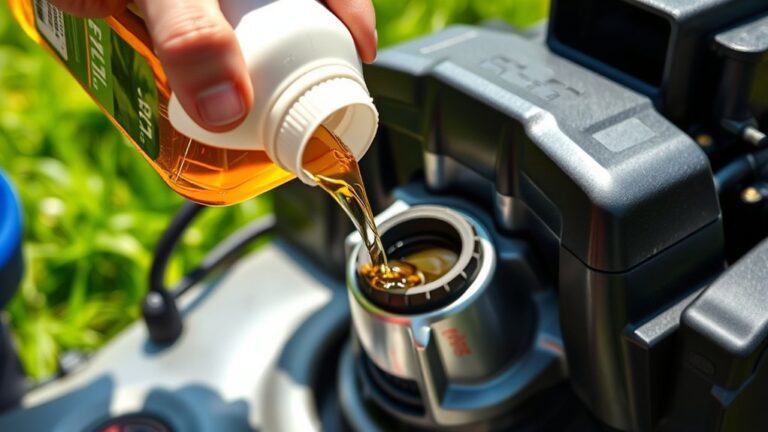
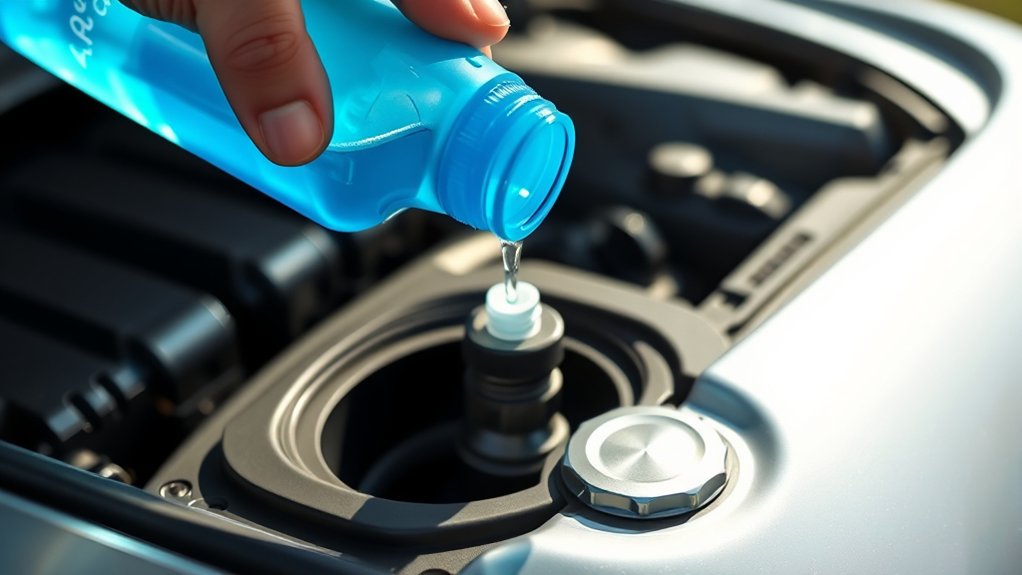
To use fuel injector cleaner, first ensure your fuel tank is at least a quarter full to allow proper mixing. Adding the cleaner when the tank is too empty can reduce its effectiveness. Add the recommended dose from the product label directly into the tank, then refuel immediately.
Drive normally so the cleaner can dissolve deposits and restore injector performance. This process helps maintain fuel efficiency and smooth engine operation.
Use the fuel injector cleaner every 3,000 to 5,000 miles for regular maintenance. Following these steps ensures your engine runs cleaner and more efficiently—keep going for tips on selection, timing, and troubleshooting.
What Is Fuel Injector Cleaner?
What exactly is fuel injector cleaner? It’s a chemical additive designed to optimize fuel chemistry by removing deposits that accumulate inside fuel injectors. These deposits can disrupt the precise spray pattern and atomization of fuel, which are critical for efficient combustion.
By maintaining clean injectors, the cleaner helps ensure the engine meets stringent emission standards, reducing harmful exhaust gases. The solution interacts with fuel components to dissolve varnish, carbon, and other residues.
You’ll find it formulated to be compatible with various fuel types and engine systems. Using fuel injector cleaner supports consistent fuel delivery, promoting smoother engine operation and potentially enhancing fuel economy.
It’s an essential tool for preserving injector performance within the parameters dictated by modern emission regulations.
Why Use Fuel Injector Cleaner?
Maintaining clean fuel injectors directly impacts your engine’s efficiency and emissions. Using fuel injector cleaner isn’t an irrelevant topic or off topic idea; it’s crucial for optimal performance. Here’s why you should use it:
Maintaining clean fuel injectors is essential for maximizing engine efficiency and reducing harmful emissions.
- Prevent Deposits: Fuel injectors accumulate carbon and varnish, reducing spray precision.
- Improve Fuel Economy: Clean injectors ensure better atomization, enhancing combustion efficiency.
- Reduce Emissions: Proper fuel delivery lowers unburned hydrocarbons and pollutants.
- Enhance Engine Performance: Smoother idling and quicker acceleration result from unclogged injectors.
Ignoring injector maintenance leads to decreased power and increased fuel consumption. Therefore, using fuel injector cleaner regularly helps maintain engine health and performance without diverting to irrelevant topics or off topic ideas.
How to Choose the Right Fuel Injector Cleaner for Your Car
You need to select a fuel injector cleaner that matches your engine type and fuel system. Different cleaners target specific contaminants and vary in chemical composition, so check the product specifications carefully. Always ensure compatibility with your vehicle’s make and model to avoid damage and achieve optimum cleaning performance.
Types Of Fuel Cleaners
How can you determine which fuel injector cleaner suits your vehicle best? Avoid unrelated topics and off topic ideas that don’t focus on the cleaner’s chemical makeup or intended use. Fuel cleaners fall into four main types:
- Polyetheramine (PEA) based: Highly effective at removing carbon deposits, ideal for severe clogging.
- Polyisobutylene amine (PIBA) based: Moderate cleaning power, suitable for regular maintenance.
- Solvent based: Focus on dissolving varnish and gum, often combined with detergents.
- Multi-functional formulas: Blend detergents and corrosion inhibitors, offering broad protection.
Choose based on your engine’s cleaning needs and severity of deposits. Understanding these types helps you avoid ineffective products and ensures targeted cleaning without confusion from unrelated topics or off topic ideas.
Compatibility With Vehicle
Where should you start when selecting a fuel injector cleaner compatible with your vehicle? First, consult your owner’s manual or manufacturer recommendations to identify approved chemical formulations. Avoid veering into irrelevant topics or random tangents about general fuel additives, as these won’t ensure compatibility.
Focus on the cleaner’s specifications. Some are designed exclusively for gasoline engines, while others suit diesel or hybrid systems. Additionally, verify whether the product matches your engine’s technology, such as direct injection or port injection.
Using an incompatible cleaner risks damaging fuel system components or voiding warranties. Ultimately, prioritize products explicitly labeled for your vehicle type and engine to maintain peak performance and avoid complications.
Staying precise in your selection process keeps your fuel system healthy and efficient without unnecessary guesswork.
When Is the Best Time to Use Fuel Injector Cleaner?
Determining the best time to use fuel injector cleaner depends on your vehicle’s performance and maintenance schedule. You should apply it when:
Determining the best time for fuel injector cleaner depends on your vehicle’s performance and maintenance schedule.
- You notice decreased fuel efficiency, indicating injector clogging.
- Your vehicle exhibits rough idling or misfires, suggesting poor fuel atomization.
- You’re preparing for an emissions test to minimize emission impact.
- You’ve driven 3,000 to 5,000 miles since the last cleaning, per manufacturer’s recommendation.
Using fuel injector cleaner at these intervals helps maintain prime injector function, improving fuel combustion and reducing harmful emissions. Avoid waiting for severe symptoms, as early intervention preserves engine performance and fuel economy. Following a consistent schedule aligned with your vehicle’s needs ensures the cleaner effectively restores injector flow and sustains overall engine health.
How to Prepare Your Vehicle for Fuel Injector Cleaner
Before adding fuel injector cleaner, make sure your fuel tank is at least a quarter full to ensure proper mixing. Start your engine and let it reach normal operating temperature to activate the cleaner effectively. These steps optimize the cleaner’s performance and protect your engine components.
Check Fuel Level
How much fuel should you have in your tank before adding fuel injector cleaner? It’s essential to check fuel level to ensure the cleaner mixes properly and reaches the injectors effectively. Ideally, you want your tank between one-quarter and one-half full.
Follow these steps to check fuel level accurately:
- Park your vehicle on level ground to get an accurate fuel gauge reading.
- Turn the ignition on without starting the engine and observe the fuel gauge.
- Confirm the fuel level is at least 25% to 50% full; less than 25% may dilute the cleaner excessively.
- If fuel is too low, add gasoline before adding the fuel injector cleaner.
Proper fuel level ensures optimal cleaning performance and injector efficiency.
Warm Up Engine
Start your engine and let it run until it reaches normal operating temperature, usually indicated by the temperature gauge stabilizing in the middle range. This ensures the fuel system is primed and the injector cleaner can circulate effectively.
Avoid addressing any unrelated topic or random thought during this step to maintain focus. Warming the engine optimizes fuel atomization and combustion, allowing the cleaner to dissolve deposits thoroughly.
If the engine is cold, the cleaner may not flow properly, reducing its efficacy. Once warmed, shut off the engine before adding the injector cleaner to the fuel tank. This preparation step is critical for maximizing the cleaner’s performance and ensuring your vehicle runs smoothly after treatment.
How to Use Fuel Injector Cleaner: Step-by-Step Guide
Wondering what steps you need to take to properly use fuel injector cleaner? Follow this precise guide to avoid insufficient data or unrelated topic confusion.
- Warm up your engine to operating temperature to ensure the cleaner circulates effectively.
- Turn off the engine and add the fuel injector cleaner directly into the fuel tank, avoiding spills.
- Refill the tank with gasoline immediately after adding the cleaner to dilute it properly.
- Drive your vehicle normally, allowing the cleaner to work through the injectors during regular engine operation.
These steps optimize fuel injector cleaning without guesswork or irrelevant details. Stick to this process for consistent results and to maintain engine performance efficiently.
How Much Fuel Injector Cleaner to Use Each Time
You should follow the manufacturer’s recommended dosage, typically one bottle per full tank of gas. Applying fuel injector cleaner every 3,000 to 5,000 miles helps maintain optimal performance. Overuse can damage components, so stick to the specified frequency and amount.
Recommended Dosage Amount
How much fuel injector cleaner should you add to your tank each time? The recommended dosage varies by product but generally follows a precise ratio to ensure effectiveness without damaging your engine. Avoid basing your amount on insufficient data or unrelated topic advice.
Follow these guidelines:
- Check the product label for exact dosage per gallon or liter.
- Typically, add one full bottle to a nearly full fuel tank (10-15 gallons).
- For smaller tanks, adjust proportionally to maintain concentration.
- Never exceed the manufacturer’s recommended dose to prevent engine issues.
Sticking to the prescribed amount maintains optimal injector cleaning performance and engine health. Always consult the specific cleaner’s instructions before use.
Frequency Of Application
Maintain a consistent schedule for applying fuel injector cleaner to ensure optimal engine performance. Applying the cleaner too frequently or in excessive amounts is an irrelevant topic leading to waste and potential engine issues.
Conversely, neglecting regular use can cause injector clogging, an unrelated concept that hampers fuel efficiency.
| Mileage Interval | Amount of Cleaner | Engine Type | Frequency | Notes |
|---|---|---|---|---|
| 3,000 – 5,000 mi | Full bottle | Gasoline | Every oil change | Prevents buildup |
| 6,000 – 7,500 mi | Half bottle | Diesel | Twice a year | Maintains injector flow |
| 10,000 mi+ | Full bottle | High mileage | Quarterly | Restores performance |
| 15,000 mi+ | As needed | Performance | As symptoms appear | Targeted cleaning |
| Any | Follow label | All | Avoid overuse | Manufacturer guidelines |
Stick to these intervals; irrelevant topic and unrelated concept won’t distract your maintenance routine.
What Performance Changes to Expect After Using Fuel Injector Cleaner
Several performance improvements can result from using fuel injector cleaner, depending on your vehicle’s condition and fuel system. In this discussion, consider these key injector performance changes:
- Improved Fuel Atomization: Cleaner injectors spray fuel more evenly, enhancing combustion efficiency.
- Smoother Idle: Deposits often cause rough idling; cleaner injectors restore stable engine idle.
- Increased Power Output: Optimized fuel delivery improves throttle response and overall engine power.
- Better Fuel Economy: Efficient combustion reduces fuel consumption, saving you money.
These discussion ideas highlight how injector performance directly influences drivability and engine health. Keep in mind, the extent of improvement depends on how clogged or dirty the injectors were before cleaning. Using a quality fuel injector cleaner helps restore injector precision, leading to these measurable performance benefits.
How Often to Use Fuel Injector Cleaner for Maintenance
Regularly using fuel injector cleaner can prevent buildup and maintain ideal injector performance. For maintenance, you should add cleaner every 3,000 to 5,000 miles, aligning with oil changes or scheduled services. This frequency supports consistent fuel system health without overuse.
Understanding cleaning vs maintenance is vital: cleaning targets existing deposits, while maintenance prevents new accumulation. Avoid fuel system myths suggesting daily or monthly use; excessive cleaner may harm components or waste resources.
Instead, follow manufacturer recommendations and monitor engine performance. If you experience symptoms like rough idling or reduced fuel economy, a targeted cleaning might be necessary. Otherwise, routine maintenance dosing keeps injectors in prime condition, ensuring efficiency and longevity without unnecessary interventions.
Common Fuel Injector Cleaner Mistakes to Avoid
Why do so many drivers misuse fuel injector cleaner? Often, they focus on an irrelevant topic or follow a misplaced idea, leading to ineffective results. Avoid these common mistakes:
1. Using too frequently
Overuse can harm seals and sensors; stick to recommended intervals.
2. Ignoring manufacturer guidelines
Each cleaner suits specific engines; disregard leads to poor performance.
3. Mixing cleaners with other additives
This causes chemical reactions, reducing effectiveness.
4. Neglecting proper fuel levels
Adding cleaner to a nearly empty tank dilutes its concentration.
How to Troubleshoot Fuel Injector Cleaner Issues
Misusing fuel injector cleaner can lead to unexpected issues that hinder engine performance. If you notice a persistent fuel smell or unintended emissions after using the cleaner, first check for overuse or incorrect application.
Excess cleaner can degrade seals or clog injectors. Inspect the fuel system for leaks, especially around injector seals, which often cause a fuel odor.
Use a diagnostic scanner to monitor engine codes related to fuel delivery. If the engine runs rough or stalls, verify that the cleaner is compatible with your fuel type and injector system.
Flushing the fuel lines and replacing the fuel filter may resolve blockages caused by loosened deposits. Always follow manufacturer guidelines to prevent these issues and ensure optimal injector performance.
Frequently Asked Questions
Can Fuel Injector Cleaner Damage My Engine?
Fuel injector cleaner won’t damage your engine if used correctly; it dissolves engine varnish and helps maintain fuel system seals. However, overuse or harsh formulations can degrade seals, so follow product instructions carefully to avoid harm.
Are Fuel Injector Cleaners Safe for All Fuel Types?
You’ll find safe additives designed for specific fuel compatibility; for example, a diesel truck owner avoided damage by choosing a diesel-specific cleaner. Always check labels to guarantee the product matches your fuel type and maintains engine safety.
Can I Use Fuel Injector Cleaner in Diesel Engines?
You can use fuel injector cleaner in diesel engines only if it specifies diesel compatibility. Using the right cleaner improves immediate fuel economy by removing deposits, optimizing spray patterns, and enhancing combustion efficiency in diesel systems.
How Long Does It Take for Fuel Injector Cleaner to Work?
Fuel injector cleaner typically takes one tank of fuel to show effects. Maintain a proper cleaning cadence to avoid buildup, and check your vehicle’s warranty impact before use, as some manufacturers may void coverage with additives.
Can Fuel Injector Cleaner Improve Fuel Economy Immediately?
You won’t see immediate fuel economy improvement with fuel injector cleaner; it takes time to dissolve improper fuel deposits.
Also, avoid using unapproved additives to prevent warranty concerns and guarantee your engine’s performance remains optimal.
Conclusion
Using fuel injector cleaner keeps your engine running smoothly, restores lost power, improves fuel efficiency, and reduces emissions. You’ll save money, avoid costly repairs, and extend your vehicle’s life.
Choose the right cleaner, apply it at optimal intervals, and prepare your vehicle properly. Avoid common mistakes, monitor performance changes, and troubleshoot issues promptly.
With regular, precise care, you maintain peak engine performance, maximize fuel economy, and ensure reliable, efficient driving every time by using fuel injector cleaner.