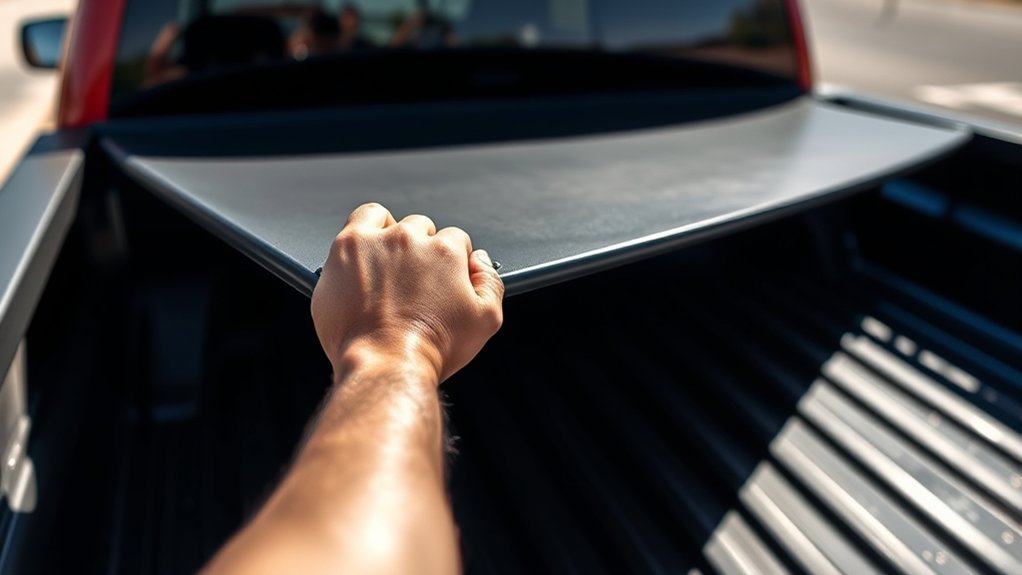
How to Remove Tonneau Cover
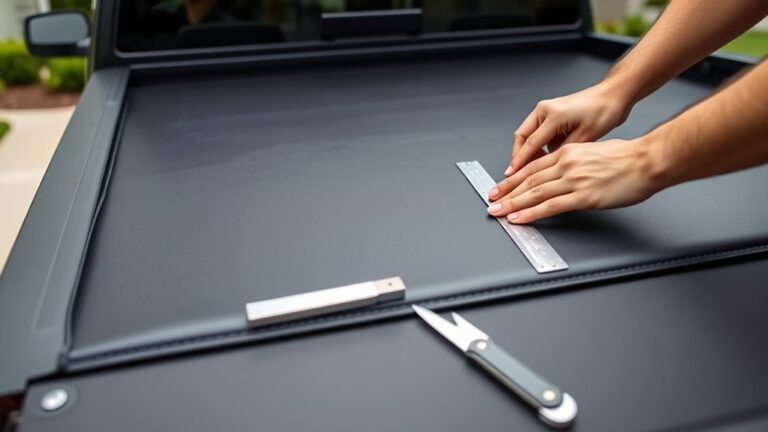
To remove your tonneau cover, first identify its type—roll-up, folding, retractable, or hinged—and gather tools like socket wrenches, screwdrivers, and pry tools. Clearing your truck bed before starting makes the process easier. Be sure to wear gloves and safety glasses for protection.
Next, unlock and release all latches carefully. Detach the cover from the bed rails without forcing it to avoid damage. Then, remove the mounting hardware using the appropriate tools.
Once the cover is off, clean it thoroughly and inspect for any issues such as stuck clips or corroded bolts. Understanding this process ensures smooth removal and reinstallation of your tonneau cover.
Know Your Tonneau Cover Type
Before you remove your tonneau cover, you need to identify its type. Knowing your tonneau is crucial because different types and materials demand specific removal methods. Common types include roll-up, folding, retractable, and hinged models.
Each uses distinct mounting hardware and mechanisms. For example, roll-up covers typically attach with snaps or Velcro, while retractable covers involve tracks and locking systems. Materials vary too—vinyl, aluminum, fiberglass, or hard plastic—each affecting weight and fastening methods.
Understanding these aspects helps prevent damage during removal. Examine your cover’s construction and mounting system carefully. This knowledge ensures you choose the correct approach, tools, and sequence for removal. Accurately identifying types and materials keeps the process efficient and safeguards your tonneau cover and truck bed from unnecessary wear.
Gather the Right Tools for Removal
Before you start removing your tonneau cover, make sure you have the essential tools like screwdrivers, wrenches, and pliers on hand. Don’t forget to wear safety gear such as gloves and safety glasses to protect yourself. Having everything ready will make the process smoother and safer.
Essential Tools Checklist
What tools do you need to efficiently remove your tonneau cover? Start by assembling the essentials to streamline the process and avoid interruptions. Keep important considerations in mind, such as your cover type and mounting system, as these affect tool choice.
- Socket Wrench Set – Most tonneau covers use bolts; a socket wrench set with various sizes ensures you can loosen and remove fasteners quickly.
- Screwdriver Set – Both flathead and Phillips screwdrivers are necessary for clamps or screws that secure the cover edges.
- Plastic Pry Tools – These help gently detach clips or trim without scratching your truck bed.
After removal, plan for alternative storage to protect your cover and keep tools ready for reinstallation. This checklist guarantees a smooth, efficient removal process.
Safety Gear Recommendations
Why should you prioritize safety gear when removing your tonneau cover? Proper safety gear minimizes injury risks from sharp edges, pinches, or unexpected tool slips.
Start by wearing protective gloves to shield your hands from cuts and abrasions. Gloves with a snug fit and good grip help maintain control over tools and cover components, preventing accidents.
Additionally, safety glasses protect your eyes from debris or accidental scratches during removal. Avoid loose clothing or jewelry that could catch on parts.
Using the right safety gear ensures you work efficiently and securely, reducing the chance of injury. Before starting, verify your gear is intact and fits well.
Prioritizing safety gear isn’t optional. It’s essential for a smooth, hazard-free tonneau cover removal process.
Prepare Your Truck Bed for Safe Tonneau Removal
Before you start removing the tonneau cover, clear all items from the truck bed to prevent damage or obstruction. Make certain you have the necessary tools within reach to streamline the process. This preparation ensures a safe and efficient removal.
Clear Truck Bed Area
How do you guarantee a safe and efficient removal of your tonneau cover? Start by thoroughly clearing your truck bed. A clear truckbed gives you unobstructed access, prevents damage, and ensures safety throughout the tonneau removal process.
Follow these steps:
- Remove all cargo and debris from the truckbed to avoid interference.
- Inspect the bed for any loose items, tools, or accessories that might obstruct the removal.
- Wipe down the truckbed surface to eliminate dust and dirt, providing a clean workspace.
Gather Necessary Tools
Gathering the necessary tools sets you up for a smooth and safe tonneau cover removal. First, identify idea one: typically, you’ll need a socket wrench or screwdriver to loosen bolts or screws securing the cover.
Idea two involves having a soft cloth or protective mat ready to place the cover on once removed, preventing scratches. Also, keep safety gloves on hand to protect your hands from sharp edges during disassembly.
Before starting, double-check you have the correct sizes of tools specified by your tonneau cover’s manufacturer. Organizing these tools within reach reduces interruptions and minimizes the risk of damage.
Unlock and Release Your Tonneau Latches
Where exactly are your tonneau latches located? Typically, they’re positioned near the tailgate or along the bed rails. To unlock and release your tonneau latches, follow these steps:
- Identify the unlock latch: Examine each latch for a locking lever or button. This is your unlock latch, designed to secure the cover in place.
- Engage the release mechanism: Once unlocked, manipulate the release mechanism, usually a lever or pull tab, to disengage the latch from the bed rail.
- Check for secondary locks: Some models include secondary locking points; ensure all are fully released before proceeding.
Detach the Cover From the Bed Rails Carefully
Why proceed with caution when detaching the cover from the bed rails? Improper handling can damage the cover or rails, compromising fit and function. Begin by supporting the cover evenly to prevent warping or bending.
Use detaching tips such as lifting slowly and at consistent angles to reduce stress on attachment points. Avoid sudden movements or forcing the cover off, as this can cause tears or scratches.
Keep a firm grip to maintain control during cover handling, ensuring it doesn’t slip or fall. If the cover uses clamps or latches, release them gently but completely before lifting.
Taking these precautions will help maintain the integrity of both the cover and bed rails, facilitating a smooth removal process without unnecessary damage or extra effort.
Remove Additional Tonneau Cover Mounting Hardware
After carefully detaching the cover from the bed rails, focus on removing any additional mounting hardware that secures the tonneau cover. This step is crucial for a complete tonneau installation removal. Follow these steps:
- Locate all clamps, bolts, or brackets still attached along the bed rails or under the cover.
- Use the appropriate tools, usually a socket wrench or screwdriver, to loosen and remove each piece of mounting hardware.
- Keep the hardware organized and stored safely if you plan to reinstall the tonneau cover later.
Removing this mounting hardware ensures the bed rails are free of obstructions and prevents damage during transport or storage. Always handle parts carefully to maintain the integrity of your tonneau installation components.
Clean Your Tonneau Cover After Removal
How should you clean your tonneau cover to maintain its durability and appearance? Begin by using gentle cleaning techniques suited for your cover’s material, such as a mild soap solution and a soft brush or microfiber cloth. Avoid harsh chemicals that can degrade the fabric or finish.
For stain removal, treat spots promptly with a specialized cleaner designed for vinyl or fabric, depending on your cover type. Gently scrub the stain without damaging the surface. Rinse thoroughly with clean water to remove all residue and prevent buildup.
Finally, let the cover air dry completely before storage or reinstallation to avoid mold or mildew growth. Regular cleaning after removal ensures your tonneau cover remains functional and visually appealing over time.
Troubleshoot Common Removal Problems
When facing difficulties removing your tonneau cover, identifying the root cause quickly can save time and prevent damage. Effective removal troubleshooting hinges on pinpointing common issues.
Here are three frequent problems you might encounter:
- Stuck Latches or Clips: Dirt or rust often causes these to bind. Apply a lubricant and gently wiggle to free them without forcing.
- Tight or Corroded Bolts: Use penetrating oil and the correct socket size to avoid stripping. Let the oil sit before attempting removal.
- Warped or Misaligned Frame: Inspect for bends or damage. Realign carefully to prevent cover damage during removal.
Addressing these issues promptly aligns with essential maintenance topics, ensuring your tonneau cover remains functional and easy to handle.
Reinstall Your Tonneau Cover After Removal
Where should you start when reinstalling your tonneau cover? Begin by reviewing the recovery tips you noted during removal. These ensure a smooth reinstallation process.
Start reinstalling your tonneau cover by reviewing the recovery tips noted during removal for a smooth process.
First, inspect all mounting hardware and rails for damage or debris, cleaning as necessary. Align the cover with the truck bed, securing the front clamps or brackets firmly to avoid misalignment.
Next, reattach side rails or latches, verifying they lock securely without forcing. Test the cover’s tension or folding mechanism to confirm proper operation.
If you stored your cover using recommended storage solutions, like padded racks or protective covers, inspect it for any wear before reinstalling.
Following these steps precisely helps maintain your cover’s integrity and extends its lifespan, preventing common issues encountered post-removal.
Frequently Asked Questions
Can I Remove a Tonneau Cover Without Damaging My Truck Bed?
You can remove a tonneau cover without damaging your truck bed by understanding removal logistics and ensuring tool compatibility. Use the right tools carefully to avoid scratches or dents, and follow manufacturer guidelines precisely to maintain bed integrity.
How Often Should I Remove My Tonneau Cover for Maintenance?
Think of your tonneau cover as a shield; stick to a maintenance schedule of every 3-6 months. This guarantees the best weather durability by inspecting seals, cleaning surfaces, and lubricating moving parts to prevent wear and damage.
Are There Specific Brands Easier to Remove Than Others?
Yes, brands like BAK and Retrax offer ease in removal thanks to their quick-release clamps and minimal removal tools. Choosing these can save you time and effort during maintenance or transport tasks.
Can I Store My Tonneau Cover Outside Safely After Removal?
You can store your tonneau cover outside if it has strong outdoor durability. Using proper storage solutions like a weatherproof cover or elevated rack is essential to prevent damage from UV rays, moisture, and debris over time.
Will Removing My Tonneau Cover Affect My Truck’s Warranty?
Removing your tonneau cover won’t trigger warranty implications unless you damage the truck during removal. Follow removal safety protocols precisely to avoid voiding coverage. Your warranty’s as secure as Fort Knox if you’re careful and use proper tools.
Conclusion
Removing your tonneau cover might seem like a task, but once you know your cover type and have the right tools, it’s straightforward. Coincidentally, the care you take in detaching and cleaning it mirrors how you maintain your truck’s efficiency.
By following these steps precisely, you ensure both protection and longevity. So, as you reinstall or store your cover, remember—attention to detail now saves effort later when you remove your tonneau cover.