Where Is the Fuel Filter Located
You’ll typically find the fuel filter near the engine compartment, along the fuel line under the vehicle, or close to the fuel tank—its location depends on your vehicle’s make and model.
Cars usually place it under the hood, trucks along the frame rail or near the tank, and SUVs vary by design.
Inline filters sit directly on the fuel line between the tank and engine.
Knowing where to look helps simplify maintenance and avoid costly engine issues.
Explore how to identify and replace it confidently.
Where Is the Fuel Filter Located? A Quick Guide
Where exactly is the fuel filter located in your vehicle? The fuel filter’s position varies depending on the make and model, reflecting a location variety in design. Most commonly, you’ll find the fuel filter either along the fuel line under the vehicle, near the fuel tank, or within the engine compartment.
Some vehicles integrate the fuel filter into the fuel pump assembly, making it less accessible. Your vehicle’s service manual can precisely pinpoint the fuel filter location. Knowing this helps when performing maintenance or troubleshooting fuel delivery issues.
How Fuel Filter Location Varies in Cars, Trucks, and SUVs
How does the fuel filter location change between cars, trucks, and SUVs? Knowing this helps you debunk carCare myths and fuelEconomy myths related to maintenance.
Typically, fuel filters in cars are near the engine or under the hood for easy access. Trucks often have them along the frame rail or near the fuel tank, designed for durability.
SUVs combine these approaches, placing filters either under the vehicle or near the engine, depending on model and fuel system design.
| Vehicle Type | Common Fuel Filter Location | Maintenance Access |
|---|---|---|
| Car | Near engine compartment | Easy, under the hood |
| Truck | Frame rail or near fuel tank | Moderate, under vehicle |
| SUV | Under vehicle or engine bay | Variable, model-dependent |
Understanding these variations clears up misconceptions about filter accessibility and impact on fuel efficiency.
Finding the Fuel Filter Near the Fuel Tank
When locating the fuel filter near the fuel tank, start by inspecting along the vehicle’s frame rail or underneath the rear section. This area typically houses an inline fuel filter designed for easy access during routine maintenance. Use a flashlight to identify a cylindrical or canister-shaped component connected to fuel lines.
When designing test prompts for vehicle diagnostics, focus on fuel line integrity and filter clogging symptoms. Unlike evaluating motor oil, which centers on lubrication and contamination, fuel filter inspection requires precise attention to fuel flow and filtration efficiency.
Ensure the engine is off and the fuel system depressurized before handling the filter. Confirm the fuel filter’s position relative to the tank, as improper installation can impair fuel delivery and engine performance. This targeted approach streamlines maintenance and troubleshooting near the fuel tank area.
Finding the Fuel Filter Near the Engine
Locating the fuel filter near the engine requires you to focus on the engine bay, typically along the fuel rail or close to the intake manifold. The fuel filter here cleans fuel delivered by the fuel pump before it reaches the injectors.
Check along the fuel line connecting the fuel pump to the engine, as the filter is often mounted inline or integrated within the fuel rail assembly.
| Component | Location | Notes |
|---|---|---|
| Fuel Pump | Near fuel tank | Pushes fuel through fuel line |
| Fuel Filter | Engine bay, fuel rail | Filters fuel before injection |
| Fuel Line | Between pump and filter | Carries fuel under pressure |
| Intake Manifold | Close to fuel filter | Proximity aids fuel delivery |
| Fuel Injectors | Connected to fuel rail | Receive filtered fuel |
This method ensures clean fuel reaches your engine efficiently.
Identifying an Inline Fuel Filter on Your Fuel Line
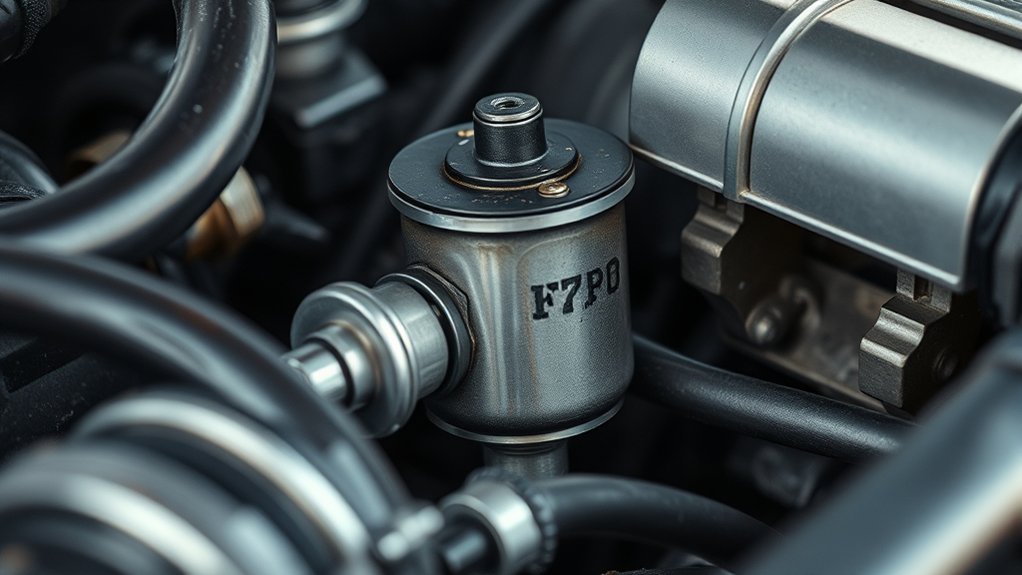
You’ll find the inline fuel filter mounted directly on the fuel line, typically between the fuel tank and engine. Look for a small, cylindrical or canister-shaped component with fuel lines connected at both ends. Common designs include transparent plastic housings or metal casings with fittings, making visual identification straightforward.
Location Along Fuel Line
How can you identify an inline fuel filter along your vehicle’s fuel line? It’s important to focus on relevant components and avoid confusing an irrelevant topic or unrelated concept, such as fuel injectors or pressure regulators. The inline fuel filter is usually positioned between the fuel tank and engine, integrated directly into the fuel line.
Typically, it appears as a small cylindrical or oval-shaped metal or plastic component.
| Location Segment | Common Positioning |
|---|---|
| Near Fuel Tank | Close to the tank outlet or fuel pump |
| Under Vehicle Chassis | Along the frame rail or undercarriage |
| Near Engine Compartment | Before the fuel rail or injectors |
This placement allows the filter to intercept contaminants efficiently before fuel reaches sensitive engine parts.
Visual Identification Tips
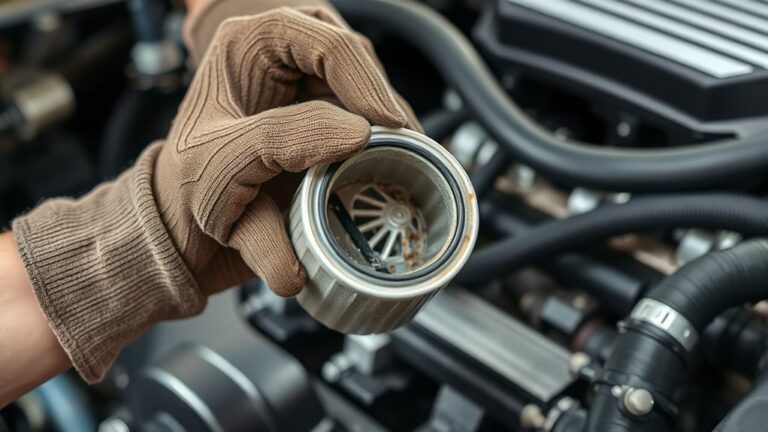
Recognizing an inline fuel filter on your vehicle’s fuel line requires attention to specific visual cues. Typically, it appears as a small cylindrical or canister-shaped component located between the fuel tank and the engine. Look for metal or plastic housing with inlet and outlet fuel lines attached.
The filter often has arrows indicating fuel flow direction, which is essential for proper installation. It may be mounted along the frame rail or near the firewall. When inspecting the fuel system, check for clamps or quick-connect fittings securing the filter.
These maintenance tips help you quickly identify the filter and assess its condition. Proper recognition ensures you can perform timely replacements and maintain ideal fuel flow, safeguarding engine performance and longevity.
Common Filter Designs
What types of fuel filters will you encounter on your vehicle’s fuel line? Primarily, you’ll find inline fuel filters, which are cylindrical components installed directly along the fuel line. These filters use pleated paper or mesh elements to trap contaminants effectively.
During your analysis, focus on the filter’s shape, material, and connection type, usually hose clamps or quick-connect fittings. Inline filters differ from canister or cartridge designs, which are mounted within housings.
Avoid mixing unrelated topics like air or oil filters when identifying fuel filters, as this can cause confusion. Recognizing an inline fuel filter involves locating a small, clear or metal cylinder between the fuel tank and engine.
This precise identification ensures proper maintenance and replacement, keeping your fuel system clean and efficient.
Signs Your Fuel Filter Is Clogged or Failing
Pay attention to your vehicle’s performance, as a clogged or failing fuel filter often triggers specific symptoms. You may notice engine hesitation during acceleration, reduced power output, or stalling, all indicating restricted fuel flow within the fuel system.
Difficulty starting the engine or frequent misfires can also signal a compromised filter. These issues arise because contaminants accumulate, impeding fuel delivery and pressure.
Monitoring these signs aligns with your vehicle’s maintenance cadence, ensuring timely replacement before damage occurs. Ignoring these symptoms risks fuel pump strain and overall engine inefficiency.
Why Knowing Your Fuel Filter Location Simplifies Maintenance
Knowing the exact location of your fuel filter gives you easy access for timely inspections and replacements. This helps you prevent engine performance issues caused by clogged filters. It also saves you money by avoiding costly repairs through regular, cost-effective maintenance.
Easy Access Benefits
How quickly can you replace a clogged fuel filter when you know its exact location? Pinpointing the fuel filter saves you from irrelevant discussion and off topic ideas, streamlining your maintenance process.
Easy access to the fuel filter offers clear advantages:
- Reduced downtime: Quickly locate and replace the filter, minimizing vehicle inactivity.
- Simplified diagnostics: Accessing the filter easily helps you identify flow or clogging issues without guesswork.
- Lower labor costs: Avoid unnecessary disassembly, saving time and money on repairs.
Knowing where the fuel filter sits isn’t just convenient; it’s essential for efficient, precise maintenance. This knowledge eliminates trial-and-error approaches and focuses your efforts directly where they matter, enhancing your ability to maintain optimal fuel system performance.
Preventing Engine Issues
Where exactly is your fuel filter located, and why does it matter for engine health? Knowing its position simplifies routine checks, much like efficient kitchen organization streamlines meal prep.
Just as you keep tools accessible in lawn maintenance, locating your fuel filter allows timely replacement, preventing contaminants from damaging fuel injectors or clogging the engine. Dirt or debris buildup compromises fuel flow, causing misfires or reduced performance.
Cost-Effective Maintenance
Regularly locating and servicing your fuel filter cuts down on unnecessary expenses by preventing major engine problems before they start. When you know exactly where your fuel filter is, you can maintain it promptly, ensuring optimal fuel efficiency and adhering to safety protocols.
This proactive approach reduces the risk of clogged filters that strain your engine and lower performance.
By identifying your fuel filter location, you can:
- Perform timely replacements to maintain fuel flow and efficiency
- Avoid costly repairs caused by contaminated fuel
- Follow proper safety protocols during maintenance to prevent hazards
Understanding your fuel filter’s position simplifies routine checks and keeps your vehicle running smoothly while saving you money over time.
How to Access and Remove the Fuel Filter Safely
When preparing to remove the fuel filter, you’ll want to ensure the engine is cool and the vehicle is securely supported. This prevents accidents caused by hot components or unstable positioning.
Begin by relieving fuel system pressure to avoid fuel spray during disconnection. Locate the fuel filter, commonly near the fuel tank or along the fuel line, and clean the surrounding area to prevent contamination.
Start by releasing fuel pressure, then find and clean the filter area to prevent contamination.
Use proper safety removal techniques: wear protective gloves and eyewear, and work in a well-ventilated space. Carefully disconnect the fuel lines using appropriate methods to avoid damage or leaks.
Once disconnected, remove the fuel filter, noting its orientation for correct reinstallation. Following these steps ensures effective fuel maintenance and reduces risks during the replacement process.
Tools You Need to Replace a Fuel Filter
Which tools do you need to replace a fuel filter efficiently and safely? Proper tools ensure you maintain fuel quality and conduct a thorough fuel system inspection without damage or contamination. Here are the essentials:
- Fuel Line Disconnect Tool: Enables safe detachment of fuel lines without causing leaks or damage.
- Wrenches or Socket Set: Required to loosen and tighten fuel filter fittings securely.
- Safety Equipment: Gloves and safety glasses protect you from fuel exposure during replacement.
Using these tools helps you avoid compromising fuel quality and ensures a clean, efficient fuel system inspection. Having the right equipment also minimizes the risk of spills and injury, making the replacement process straightforward and precise. Always double-check tool compatibility with your vehicle’s fuel filter design before starting.
When to Replace Your Fuel Filter by Location and Use
How often you should replace your fuel filter depends largely on your vehicle’s location and usage conditions. If you drive in dusty, rural areas, contaminants accumulate faster, requiring replacement every 15,000 to 20,000 miles.
In urban environments with cleaner fuel and less debris, you can extend this to 30,000 to 40,000 miles. Frequent stop-and-go driving or heavy towing also calls for more frequent changes. Always consult your vehicle’s manual for manufacturer recommendations.
When replacing the filter, follow proper disposal considerations due to residual fuel and contaminants. Many auto shops offer recycling options for spent filters, which helps prevent environmental harm. Proper handling ensures compliance with local regulations and promotes sustainability in vehicle maintenance.
Frequently Asked Questions
What Type of Fuel Filter Is Best for My Vehicle?
You should choose a fuel filter with high-quality filtration media designed for your vehicle’s fuel quality. This ensures peak contaminant removal, protects the engine, and maintains performance.
Always check your manufacturer’s specifications before selecting one.
Can a Dirty Fuel Filter Cause Engine Misfires?
Over 30% of engine misfires stem from poor fuel system maintenance. Yes, a dirty fuel filter restricts fuel flow, degrading engine performance and causing misfires.
Regularly replacing the filter ensures optimal fuel delivery and smooth engine operation.
How Long Does It Take to Replace a Fuel Filter?
You’ll typically replace a fuel filter in 30 to 60 minutes. During replacement, you must relieve fuel pressure carefully to maintain fuel line integrity and avoid leaks, ensuring proper flow and engine performance afterward.
Are Fuel Filters Reusable or Disposable?
Unlike self-driving cars and electric motors that embrace cutting-edge reusability, fuel filters are disposable. You’ll replace them regularly to maintain optimal fuel flow and engine performance.
They trap contaminants that degrade over time and can’t be cleaned.
Can I Drive With a Clogged Fuel Filter?
You shouldn’t drive with a clogged fuel filter; it compromises driving safety by restricting fuel flow and causing engine issues.
Address maintenance timing promptly to avoid breakdowns and guarantee optimal vehicle performance and reliability on the road.
Conclusion
Think of your fuel filter as the gatekeeper of a fortress, guarding your engine from harmful debris. Knowing its location—whether near the fuel tank, engine, or inline—gives you the power to keep this gate secure.
With the right tools and timing, you can replace the filter efficiently, ensuring your vehicle runs smoothly. Stay proactive; maintaining this vital component protects your engine’s heart and keeps your ride strong and reliable.
Understanding where the fuel filter is located is key to performing timely maintenance and safeguarding your vehicle’s performance.